

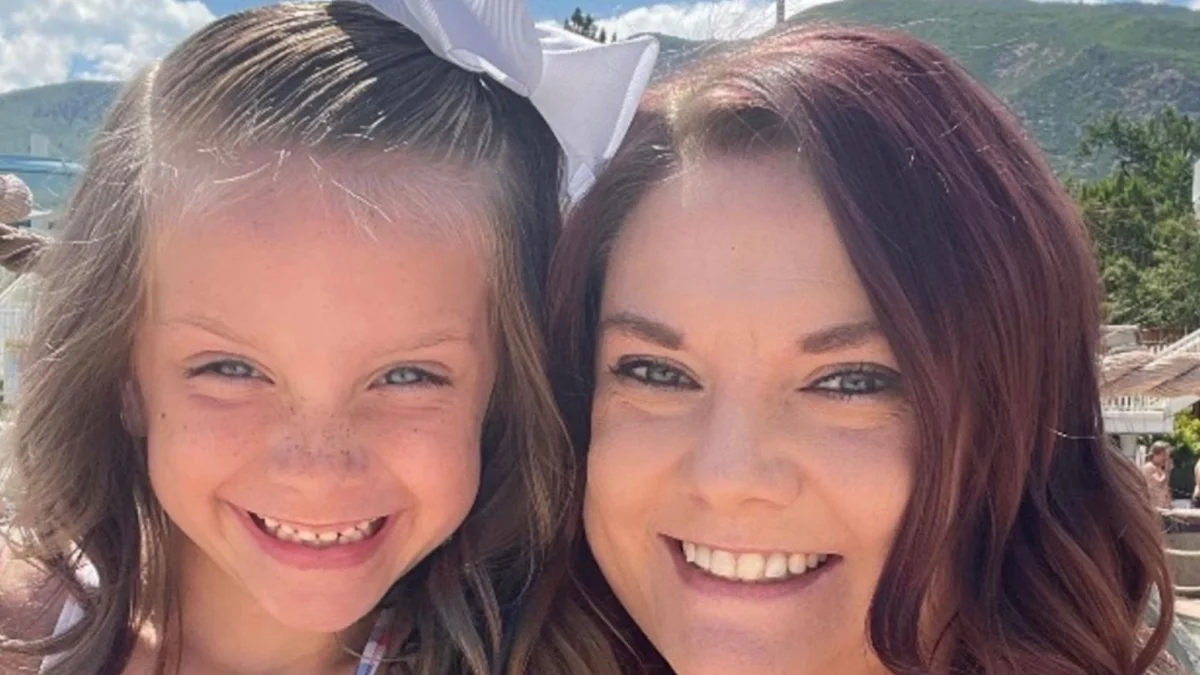
New details have emerged regarding the tragic murder-suicide that unfolded in a Las Vegas hotel room in February 2026, where an 11-year-old cheerleader and her mother were found dead. Newly obtained Clark County Medical Examiner reports reveal that young Addi Smith had a significant mix of prescription and over-the-counter substances in her system at the time of her death. The chilling findings shed further light on the final moments inside the hotel room, painting a grim picture of premeditation and distress during what was supposed to be a celebratory weekend for a youth cheerleading competition.
The Medical Examiner’s Findings: A Toxicological Breakdown
According to the official autopsy and toxicological reports released by the Clark County Coroner’s Office, Addi Smith’s body contained multiple potent substances. Investigators noted that the young girl was found lying in bed wearing her pajamas, with a pillow covering her face. Based on the physical evidence and the heavy sedation detected in her post-mortem examinations, authorities concluded that Addi was heavily medicated before she was shot.
The toxicology screen identified several distinct pharmacological agents in the child’s bloodstream:
- Quetiapine: An atypical antipsychotic primarily prescribed for the management of schizophrenia, bipolar disorder, and major depressive disorder.
- Diphenhydramine: A common antihistamine, widely recognized as the active ingredient in over-the-counter allergy medications like Benadryl, which can cause significant drowsiness in high doses.
- Lorazepam: A potent benzodiazepine typically utilized to treat severe anxiety disorders, panic attacks, and insomnia.
The presence of these medications in an 11-year-old child immediately raised red flags for investigators, who noted that numerous prescription bottles bearing the name of the mother, Tawnia McGeehan, were scattered throughout the hotel room. Additionally, law enforcement recovered cannabis-infused edibles at the scene, compounding the complexity of what substances the child may have ingested prior to the fatal shooting.
Both Tawnia McGeehan and Addi Smith ultimately died from single gunshot wounds to the head. Toxicology reports confirmed that Tawnia also had various substances in her system when she turned the firearm on her daughter and herself.
Chronology of Events: A Weekend Out Turned Fatal
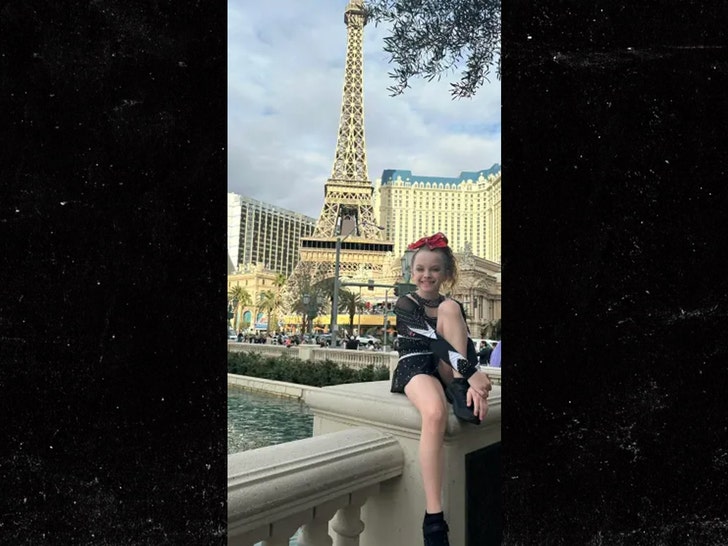
The tragedy unfolded against the backdrop of a routine youth sporting event. Tawnia McGeehan and Addi Smith had traveled to Las Vegas, Nevada, to participate in a regional cheerleading competition. To the outside observer, the trip was a standard athletic excursion for a dedicated mother and her daughter. However, behind closed doors, a severe crisis was culminating.
The timeline of the incident reconstructed by local law enforcement outlines a chilling sequence of events:
- The Days Prior to the Incident: Tawnia and Addi checked into their Las Vegas hotel room. Investigators believe the premeditation for the murder-suicide began taking shape during this window, evidenced by the gathering of prescription drugs and the preparation of written notes.
- The Welfare Check Request: The alarm was initially raised by Addi’s father, who grew increasingly concerned after failing to establish contact with his daughter or her mother over an extended period. Unresponsive to calls and text messages, he contacted local authorities to request a welfare check on the hotel room.
- Police Arrival and Discovery: Las Vegas Metropolitan Police Department officers arrived at the hotel and approached the room. Upon arrival, they discovered a disturbing warning note left outside the door, explicitly instructing anyone who found it to immediately call 911 because there were "two dead bodies" inside.
- The Crime Scene: Upon entering the room, officers discovered the bodies of both Tawnia McGeehan and Addi Smith. A Ruger handgun, which forensic tests later confirmed as the weapon used in the shooting, was recovered at the scene alongside multiple suicide notes, medication containers, and cannabis gummies.
The Investigation and Legal Implications
The Las Vegas Metropolitan Police Department immediately launched a thorough homicide investigation, though the presence of explicit suicide notes and the physical layout of the room quickly pointed toward a murder-suicide classification. Because the sole perpetrator of the homicide, Tawnia McGeehan, did not survive the incident, criminal prosecution is impossible. Consequently, the ongoing administrative and investigative efforts have shifted toward piecing together the psychological state of the mother and examining how an 11-year-old child came to ingest powerful psychiatric medications.
Family law and child welfare advocates have pointed to this case as a tragic intersection of untreated or mishandled mental health crises and the availability of lethal means. Legal analysts note that while civil liability against third parties—such as hotels or event organizers—is unlikely to yield traction without proof of direct negligence, the case highlights persistent vulnerabilities regarding domestic safety and the secure storage of prescription pharmaceuticals.
Contextualizing Family Tragedies and the Warning Signs of Crisis
Incidents involving parental homicide followed by suicide—often referred to in psychological literature as familicide—are statistically rare but profoundly devastating events. Mental health professionals emphasize that these tragedies almost invariably stem from acute psychological distress, severe depression, psychosis, or overwhelming life stressors that impair a parent’s rational judgment.
In cases involving the administration of sedatives or psychiatric medications to minors prior to a violent act, forensic psychologists look closely at indicators of caregiver burnout, complex depressive disorders, or distorted altruistic ideation—where a parent mistakenly believes they are "saving" their child from perceived future suffering.
Public health advocates continue to urge communities to recognize the behavioral red flags associated with severe crisis, such as sudden isolation, giving away possessions, or explicit expressions of hopelessness. Resources remain vital for individuals grappling with overwhelming mental health struggles.
If you or someone you know is struggling with mental health, depression, or thoughts of self-harm, confidential support is available 24/7. You can call or text 988 to reach the Suicide & Crisis Lifeline, or visit 988lifeline.org for online chat services.
Broader Impact on the Youth Cheerleading Community
The sudden and violent loss of Addi Smith sent shockwaves through her local community and the broader regional cheerleading circuit. Peers, coaches, and families who participated alongside Addi expressed profound grief and disbelief following the news in February 2026. Vigils and memorial tributes were held in the weeks following the incident to honor the young girl’s memory, focusing on her vibrant spirit, dedication to her sport, and the brightness she brought to her teammates.
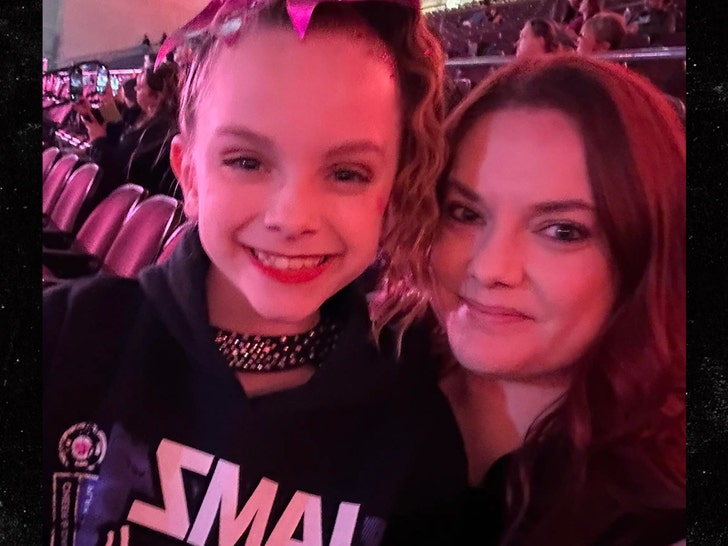
As official reports continue to be finalized and public records shed light on the granular details of the investigation, the sports community and the public at large are left grappling with the unanswered questions surrounding a family dynamic that ended in irreversible tragedy. The release of the Clark County Medical Examiner report serves as a final, harrowing chapter to an event that underscores the critical importance of mental health awareness, intervention, and support systems for families under severe distress.