

The landscape of cryptozoology and cultural mythology is set to undergo a rigorous re-examination following the release of the official teaser trailer for Capturing Bigfoot. Distributed by XYZ Films and directed by acclaimed documentarian Marq Evans, the film promises an unprecedented look into one of the twentieth century’s most enduring modern myths. Rather than relying on sensationalized internet rumors or speculative tabloid theories, the documentary approaches the subject through the lens of historical preservation, familial legacy, and human psychology. Anchored by the recent discovery of a long-lost 16mm film reel secured in a vault, the project seeks to illuminate the definitive backstory of the most scrutinized 59 seconds of footage in cinematic and cryptographic history.
The documentary originally made waves earlier this year during its premiere at the SXSW Film Festival, where it drew praise from critics for its nuanced exploration of a conspiracy-minded era. Following a strategic rollout designed to preserve the integrity of its archival material, XYZ Films has scheduled the project for a hybrid theatrical and streaming release. The premiere date carries significant historical weight, slated for October 20, 2026, to coincide with National Bigfoot Day and mark the exact 59th anniversary of the original event. As audiences continue to grapple with the complexities of belief, truth, and shared cultural memory in the digital age, Capturing Bigfoot arrives as a timely investigation into how a single piece of media captured the global imagination for nearly six decades.
Historical Context and the Legacy of the Patterson-Gimlin Film
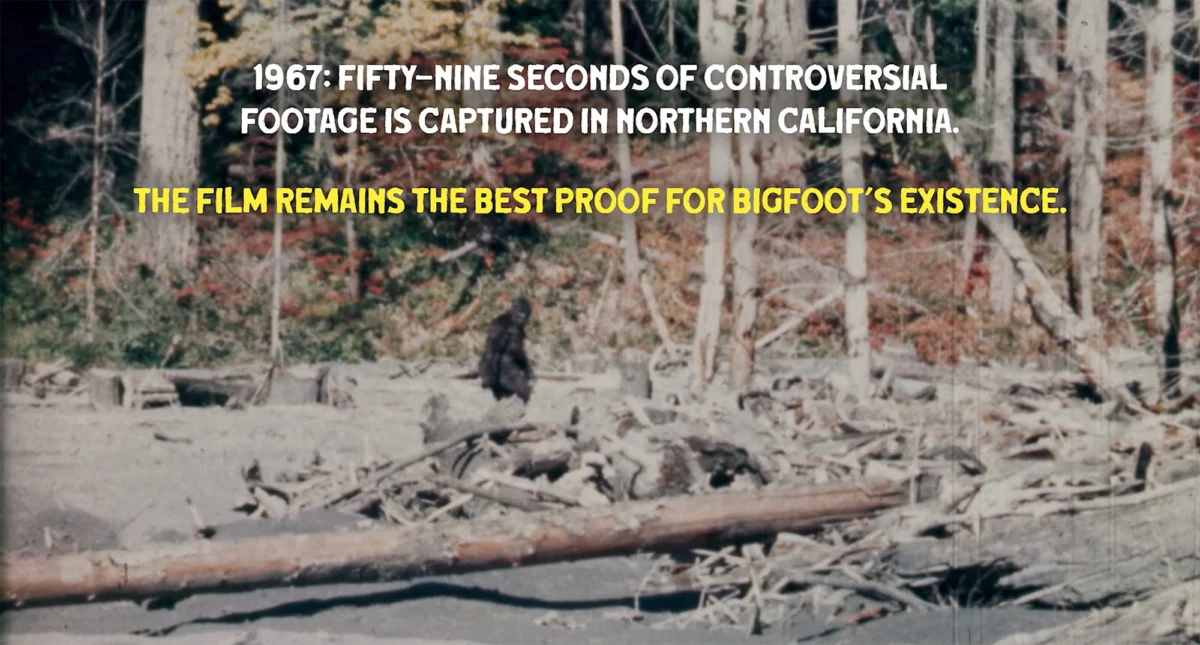
To understand the magnitude of Marq Evans’ new documentary, one must revisit the autumn afternoon that permanently altered the cultural landscape of Northern California. On October 20, 1967, film enthusiast Roger Patterson and his companion Robert Gimlin traversed the rugged terrain of Bluff Creek, a remote timber region in Humboldt County. Armed with a 16mm Kodak Cine Special camera, Patterson captured a brief yet astonishing sequence of footage depicting a bipedal, ape-like figure striding purposefully away from the camera and into the dense forest canopy.

The subject of the recording—subsequently dubbed "Patty"—sparked an immediate and polarized global debate that has persisted into the twenty-first century. For skeptics, the clip has long been dismissed as an elaborate hoax, pointing to the burgeoning suit technology of the era and the financial motivations of its creators. For believers and researchers, however, the anatomical consistency, muscle articulation, fluid biomechanics, and distinct dermal ridges visible in subsequent enlargements have suggested an authenticity that decades of technological analysis have failed to definitively disprove.
Despite the skepticism, the original Patterson-Gimlin footage achieved unprecedented viral status long before the advent of the internet. Patterson capitalized on the public’s fascination by mounting portable projectors in the back of a truck, touring the United States to screen the film for paying audiences. When adjusted for inflation, those grassroots theatrical screenings grossed upwards of $5 million at the box office, transforming a local oddity into an international phenomenon. Yet, behind the commercial success and the academic scrutiny lay the private toll taken on the individuals directly involved, whose personal lives, friendships, and family reputations were inextricably bound to the legend of the beast.
Chronology of a Discovery: From Bluff Creek to the Vault
The narrative architecture of Capturing Bigfoot shifts away from standard cryptozoological investigation to focus squarely on the human element, catalyzed by a startling archival discovery. Nearly fifty years after the events at Bluff Creek, a pristine reel of 16mm film was recovered from a secure vault, upending assumptions about what documentation survived from the original expedition. This physical artifact serves as the narrative catalyst for Evans’ documentary, prompting the surviving family members, associates, and eyewitnesses to re-evaluate the historical record.
The production timeline for the film reflects a meticulous dedication to historical accuracy and narrative integrity. Following years of confidential research, interviews, and archival restoration, director Marq Evans and producers Tamir Ardon, Marq Evans, and Nick Spicer assembled a comprehensive chronicle of the events surrounding the 1967 expedition. Although numerous film festivals vied for the rights to screen the documentary throughout 2026, the filmmakers deliberately withheld wider public exposure. This calculated delay was executed to safeguard the newly discovered footage and ensure that North American audiences could experience the revelation simultaneously during a coordinated theatrical event mirroring Patterson’s original barnstorming distribution strategy.

Director’s Statement and Creative Vision
Director Marq Evans, whose previous documentary works include critically acclaimed biographical and cultural studies such as The Glamour & the Squalor, Cow by Bear, Claydream, and The Diamond King, approached the subject not as a believer seeking proof, but as an archivist of human behavior. In interviews surrounding the film’s release, Evans emphasized the emotional weight carried by the primary subjects who spent decades defending or distancing themselves from the footage.
"That footage is one of the most recognizable images in the world, but the people behind it have privately carried its weight for almost sixty years," Evans stated in the official production notes. "This film is their story; about family, loyalty, and the truths they’ve held onto or finally let go of. I’m grateful they trusted me to help them finally tell it."
Through candid interviews with Roger Patterson’s son and other direct participants who were present during the fateful 1967 expedition, the documentary dismantles the flat caricature of the "Bigfoot hunter" and replaces it with a complex portrait of ambition, social isolation, and unwavering conviction. The inclusion of personal archives provides viewers with a granular perspective on the social dynamics of rural California in the late 1960s, offering a window into an era when the counterculture movement intersected with America’s enduring appetite for frontier mythologies.
Analysis of Implications: Documenting Belief in a Conspiracy-Minded Era

The release of Capturing Bigfoot arrives at a distinct cultural juncture characterized by heightened public skepticism, the proliferation of digital misinformation, and a societal obsession with hidden truths. Film critics and cultural analysts have noted that contemporary interest in Bigfoot documentaries extends far beyond the physical search for an undiscovered hominid; rather, these films serve as a barometer for how modern society processes anomalous information, institutional distrust, and collective myth-making.
By focusing on the interpersonal dynamics, broken friendships, and generational inheritance of belief, Evans’ documentary elevates the genre from speculative television entertainment to sociological inquiry. The film explores the psychological burden of holding a secret that the rest of the world treats as either a punchline or an obsession. As audiences prepare to view the newly recovered 16mm reel, the conversation surrounding the Patterson-Gimlin film shifts from a binary debate of hoax versus reality to an exploration of why humanity so desperately needs figures that exist just beyond the periphery of empirical confirmation.
Release Details and Distribution Strategy
XYZ Films has structured the rollout of Capturing Bigfoot to maximize both communal theatrical engagement and digital accessibility. The film is scheduled to open in select theaters across North America on October 20, 2026, allowing audiences to participate in a shared cinematic experience reminiscent of the 1960s roadshow presentations. Concurrently, the documentary will be made available for streaming on Prime Video, ensuring wide accessibility for viewers interested in the intersection of American folklore, history, and documentary filmmaking.
As the 59th anniversary of the Bluff Creek encounter approaches, the anticipation surrounding Capturing Bigfoot underscores the persistent allure of the unknown. Whether the newly discovered vault footage yields definitive answers or simply deepens the enigma, the documentary promises to provide a definitive chapter to one of the twentieth century’s most resilient cultural artifacts. Further information, screening schedules, and ticketing details remain accessible via the official Capturing Bigfoot production website.