


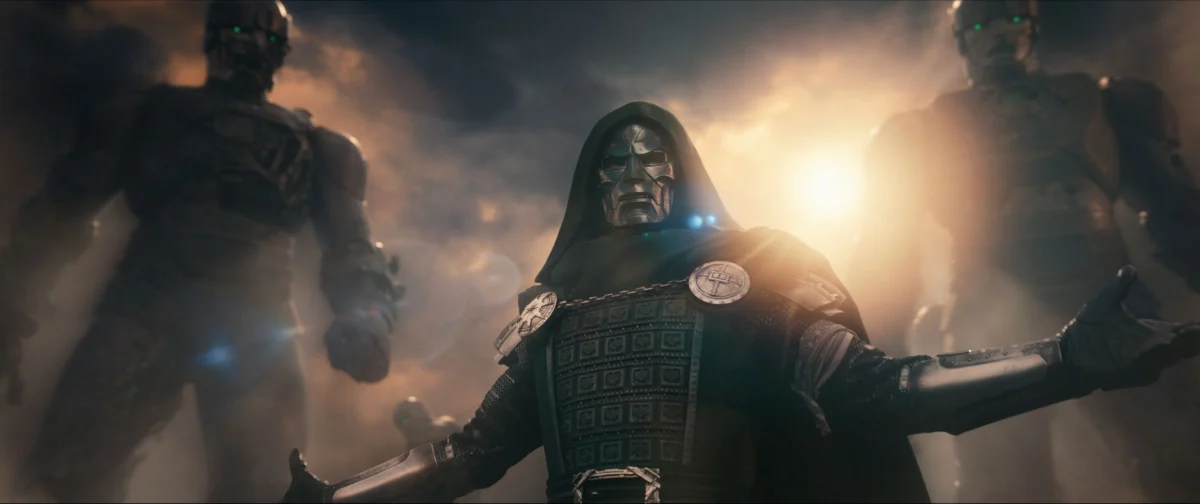
As the Marvel Cinematic Universe approaches one of its most ambitious cinematic milestones to date, the studio and its streaming partner, Disney+, have unveiled an extensive official viewing guide designed to prepare audiences for the upcoming theatrical release of Avengers: Doomsday, scheduled to hit cinemas on December 18. Navigating the expansive continuity of the MCU has grown increasingly challenging over the years. With a cumulative total of 38 feature films and 25 television and streaming series spanning complex superhero storylines, intricate crossover events, and multi-layered multiverse arcs, the studio anticipates that the next major Avengers installment will rely heavily on deep narrative lore and established audience comprehension.
To bridge the gap between casual viewers and dedicated continuity purists, Marvel has curated an official 15-title compilation titled the Countdown to Doomsday playlist. Exclusively hosted on Disney+, this carefully selected roster aims to refresh viewers’ memories on foundational origin stories, monumental team-up dynamics, and critical multiversal mechanics that directly feed into the impending Doomsday narrative arc. Alongside the video playlist, the studio has launched the Countdown to Avengers: Doomsday Official Podcast. Accessible across Disney+, YouTube, and major third-party audio platforms, the episodic series provides weekly analytical recaps of the MCU’s sprawling Infinity Saga, offering an alternative medium for fans looking to absorb background information on the go.
The Composition of the Official Watchlist and Fan Reactions
A closer examination of the 15 titles selected for the official playlist reveals strategic programming choices alongside notable omissions. Sharp-eyed devotees were quick to highlight the inclusion of two legacy X-Men entries—the original 2000 X-Men film and its 2003 sequel, X2: X-Men United—both of which predate the formation of the modern Marvel Cinematic Universe by several years. Industry analysts and fan communities have interpreted these inclusions as a strong indicator supporting persistent rumors regarding the return of original franchise actors such as Patrick Stewart, James Marsden, Ian McKellen, and Alan Cumming in Doomsday.
Conversely, the absence of certain modern titles has sparked considerable discussion within online fan forums. Most notably, 2023’s The Marvels was excluded from the curated list, signaling to observers that the cosmic team-up film may hold minimal direct narrative relevance to the specific multiversal conflicts and villainous threats driving the plot of Doomsday. The complete 15-title curriculum spans more than four decades of superhero cinema, requiring a substantial time commitment from viewers eager to complete the studio-mandated preparation.
The Logistics of the 42-Hour Marathon
Confronted with 15 distinct television seasons and feature films, cinephiles and home viewers face a daunting logistical hurdle. Getting through the entirety of the curated Countdown to Doomsday playlist demands an estimated 42 hours of dedicated screen time. For audiences attempting to pace themselves evenly between the announcement and the December 18 premiere, the workload translates to slightly under three hours of viewing per week.
From a media strategy perspective, the rollout of a comprehensive, multi-media homework assignment serves dual purposes for the Walt Disney Company. While it genuinely assists fans in untangling the dense web of contemporary superhero lore, it simultaneously functions as a highly effective subscriber retention mechanism. By converting theatrical anticipation into consistent streaming engagement, Disney+ successfully leverages the impending box office release to drive daily active usage on a platform continually tasked with justifying its recurring monthly subscription costs to consumers.
While the entirety of the 15-title selection streams natively on Disney+ in most global markets, accessibility varies. Select titles remain distributed across competing digital storefronts or physical media formats, though the majority are readily available for digital purchase or rental through platforms such as Amazon Prime Video and Apple TV.
The Complete Countdown to Doomsday Curated Playlist
For viewers preparing for the mid-December theatrical premiere, the official 15-title itinerary outlines a chronological and thematic progression through Marvel’s cinematic history:
- X-Men (2000)
- X2: X-Men United (2003)
- Captain America: The First Avenger (2011)
- The Avengers (2012)
- Avengers: Infinity War (2018)
- Avengers: Endgame (2019)
- Loki, Seasons 1 and 2 (2021–2023)
- Shang-Chi and the Legend of the Ten Rings (2021)
- Spider-Man: No Way Home (2021)
- Black Panther: Wakanda Forever (2022)
- Doctor Strange in the Multiverse of Madness (2022)
- Deadpool & Wolverine (2024)
- Captain America: Brave New World (2025)
- Thunderbolts* (2025)
- The Fantastic Four: First Steps (2025)
Broader Industry Implications and Streaming Strategies
The release of the Countdown to Doomsday initiative highlights a broader paradigm shift in how major entertainment conglomerates manage massive intellectual properties. As cinematic universes expand beyond traditional trilogies into sprawling, cross-platform media ecosystems, studios face the ongoing challenge of combating viewer fatigue and narrative alienation. By providing structured entry points, official recaps, and curated viewing orders, companies like Disney are actively attempting to lower the barrier to entry for mainstream audiences who may feel intimidated by decades of accumulated continuity.
Furthermore, this strategy reflects the evolving symbiotic relationship between theatrical box office releases and subscription-based streaming services. Rather than treating cinemas and home streaming platforms as competing distribution channels, modern studios increasingly utilize the theatrical window as a marketing engine for streaming ecosystems, and vice versa. As the December 18 release date for Avengers: Doomsday draws nearer, the success of this 42-hour campaign will offer valuable data regarding the willingness of modern audiences to engage in long-form transmedia preparation for a single cinematic event.