
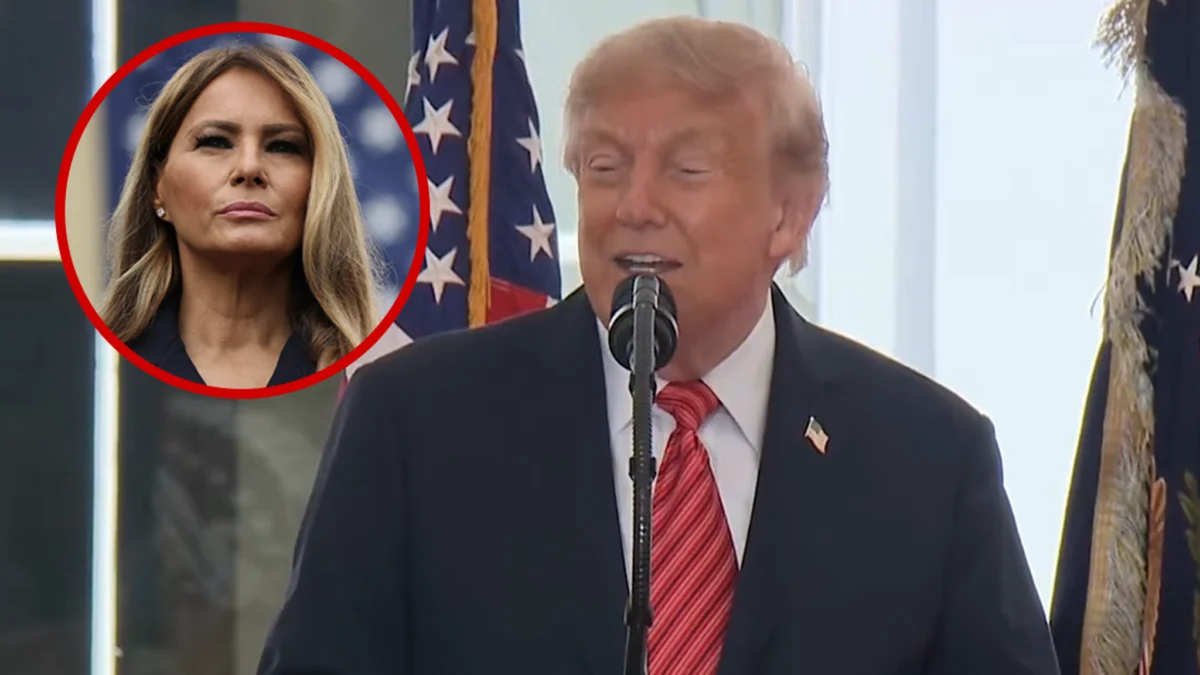
President Donald Trump offered a characteristic blend of personal anecdote and political theater during his diplomatic visit to Dublin, Ireland, publicly joking about First Lady Melania Trump’s absence from the international tour. Speaking to reporters on a Saturday in the Irish capital, the president explained that his wife opted out of the transatlantic journey due to the duration of the flight and her own assessment of her sociability. The lighthearted commentary quickly drew attention, underscoring the ongoing public curiosity surrounding the First Lady’s selective travel schedule while the administration navigates a packed agenda of international engagements.
The Irish excursion highlights the shifting dynamics of presidential travel and the prominent roles played by members of the modern White House inner circle. While Melania Trump remained stateside, the delegation accompanying the president included key advisors and staffers, most notably long-serving aide Natalie Harp. Harp’s presence on the trip, alongside recent revelations regarding executive staff compensation and her previous high-profile moments on the campaign and travel trail, has added an extra layer of media scrutiny to the international mission.
The Dublin Address and the First Lady’s Absence
Addressing members of the press in Dublin, President Trump provided insight into why the First Lady decided against joining him on the overseas itinerary. According to the president, Melania Trump monitored the events from afar and conveyed greetings to specific individuals with whom she maintains a positive rapport.
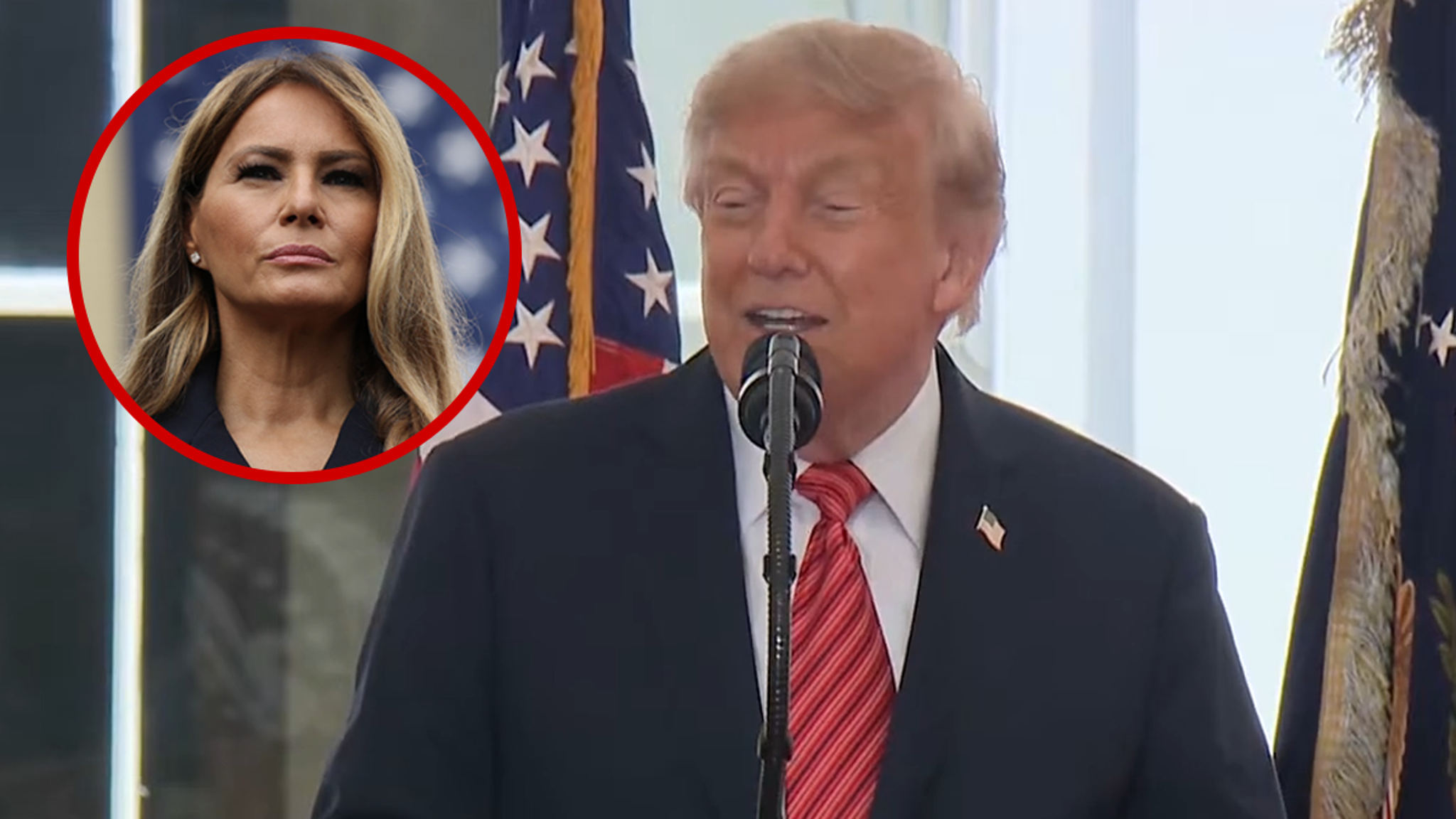
"My wife is here in spirit. She’s watching right now. She said to say hello," Trump told reporters, recounting a conversation regarding the transatlantic voyage. The president recalled telling her that the trip would be a worthwhile endeavor, even playfully suggesting she "put on your Make America Great Again hat and come on." However, according to Trump, the First Lady demurred, pointing out the logistical demands of the journey. "She said, ‘Well, that’s a seven-hour trip. Maybe I’m not that friendly,’" Trump said with a laugh.
Melania Trump has frequently maintained a more selective public and travel schedule compared to traditional first ladies, often choosing to prioritize private life, her own initiatives, and stability at home over continuous participation in foreign junkets. While her absence from diplomatic missions is not unprecedented, presidential commentary regarding the reasons behind it remains a notable feature of Trump’s public appearances, blending personal transparency with public entertainment.
High-Level Engagements and the Presidential Delegation
Despite the First Lady’s absence, the presidential itinerary proceeded with a full roster of diplomatic engagements. Upon touching down in Ireland, President Trump and his accompanying delegation participated in formal introductions and diplomatic handshakes, meeting with Ireland’s leadership, including President Catherine Connolly.
International visits of this nature require meticulous planning, security protocols, and a trusted support team capable of managing the rigorous demands of global diplomacy. In the absence of family members, executive aides and communications personnel assume heightened visibility, acting as the operational backbone of the traveling delegation. For this specific leg of the tour, Natalie Harp occupied a central role within that inner circle, participating directly in high-level diplomatic greetings and photo opportunities.
Financial Disclosures and Staff Compensation
The spotlight on Natalie Harp extended beyond her logistical responsibilities in Dublin following recent disclosures regarding executive branch finances. Newly released financial disclosure documents, first highlighted by CNN, revealed significant monetary gifts distributed among key White House aides.
According to the filings, Harp and two other female aides received $45,000 in holiday cash gifts from the president. These disclosures have prompted widespread discussion among political analysts regarding staff retention, executive compensation, and the close financial ties between political principals and their most dedicated operational teams. While presidential staff members are subject to strict ethics reporting guidelines, the substantial nature of the gifts has drawn considerable media interest, illuminating the inner workings of White House staff loyalty and reward structures.
A History of High-Profile Travel and Dedication
Harp’s presence in Ireland also serves as a continuation of a turbulent and highly publicized summer travel season. Just weeks prior, during a presidential trip to Scotland, Harp captured national headlines through a series of unusual viral moments that underscored the intense demands placed on modern political aides.
Footage from the Scottish leg of the tour famously showed Harp running on foot after the president’s golf cart, attempting to maintain proximity and readiness during a recreational outing. Subsequent reports revealed the emotional and physical toll of the fast-paced environment; letters penned by Harp to the president indicated that she had become so preoccupied with the prospect of disrupting or embarrassing the administration on the golf course that her eating and sleeping habits suffered significantly.
The juxtaposition of running alongside golf carts in Scotland and participating in formal diplomatic handshakes in Dublin illustrates the multifaceted and relentless nature of working within the upper echelons of the Trump administration. For aides like Harp, the role transcends standard administrative duties, requiring a 24-hour commitment that blends physical endurance, logistical coordination, and intense personal devotion.
Broader Implications for the Administration’s International Image
The events surrounding the Dublin trip—ranging from the president’s casual remarks about the First Lady to the ongoing public fascination with White House staff dynamics—provide a window into the communication strategy of the administration. By leaning into informal, unscripted commentary during formal diplomatic missions, President Trump consistently blurs the line between official statecraft and personal narrative, a dynamic that consistently captivates both supporters and critics.
Furthermore, the focus on administrative personnel highlights the changing face of modern political operations. As political aides take on increasingly prominent public profiles, their activities, financial disclosures, and physical displays of dedication become legitimate subjects of public record and analysis. Whether through managing international itineraries, receiving substantial financial recognitions, or navigating the intense physical demands of global travel, the support staff surrounding the presidency remains integral to how the administration projects its image both domestically and abroad.
As the international tour continues, the administration will undoubtedly face further scrutiny regarding its delegation, logistical choices, and public messaging. Yet, for the moment, the combination of lighthearted presidential banter regarding the First Lady’s travel preferences and the unwavering presence of a dedicated support staff ensures that the human element of high-stakes diplomacy remains front and center in the global media landscape.