


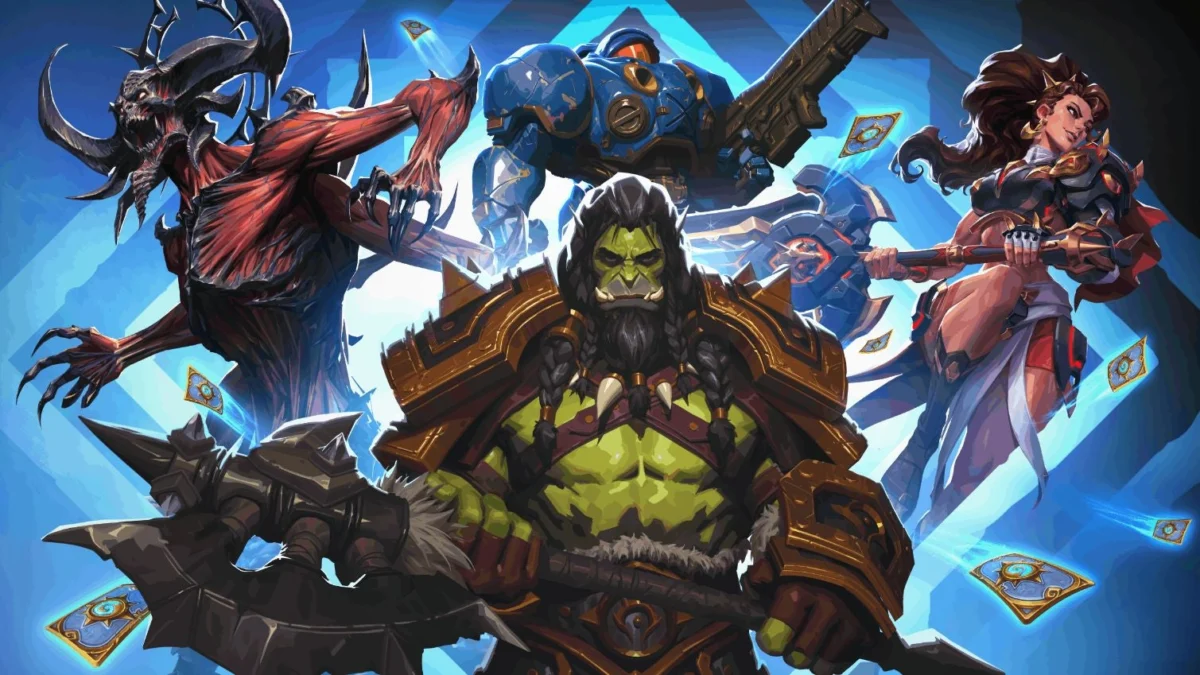
The gaming world turns its attention to the Anaheim Convention Center today as Blizzard Entertainment marks the return of its flagship convention, BlizzCon, following a two-year hiatus. The opening ceremony, scheduled to commence at 6:30 p.m. BST (1:30 p.m. EDT), serves as the primary stage for the developer to reassert its influence in a rapidly evolving market. With a runtime of approximately 75 minutes, the presentation is expected to balance high-profile intellectual property announcements against the backdrop of significant organizational changes within its parent company, Microsoft.
A Chronology of the BlizzCon Hiatus
The absence of BlizzCon since 2024 has been a period of intense transformation for the studio. Following Microsoft’s $68.7 billion acquisition of Activision Blizzard, the developer has been under pressure to demonstrate sustained growth and project stability. In 2025, the studio focused on internal restructuring and the stabilization of its live-service titles, notably Diablo 4 and Overwatch 2. By moving away from the annual cadence previously maintained by industry competitors, Blizzard utilized the two-year break to consolidate its development pipelines, particularly regarding its long-term strategy for the StarCraft franchise and the expansion of its World of Warcraft ecosystem.
Anticipated Reveals and Strategic Pivots
Industry analysts have identified several key pillars that are likely to define the opening ceremony. Central to these expectations is the unveiling of an unannounced StarCraft project. Reports indicate that this title, currently being helmed by former Far Cry franchise director Dan Hay, represents a significant shift in genre. Unlike the real-time strategy roots of the franchise, this project is widely expected to be a co-op shooter, drawing mechanical inspiration from the cooperative intensity found in titles such as Warhammer 40,000: Space Marine 2.
The rationale behind this pivot suggests a desire to broaden the appeal of the StarCraft IP to a console-literate audience. The involvement of external partners, with persistent rumors pointing toward a collaboration with Nexon, highlights a departure from Blizzard’s traditional "in-house only" development philosophy. Should this partnership be confirmed, it would signify a strategic effort to mitigate the development risks associated with creating large-scale multiplayer experiences while leveraging specialized expertise in the shooter genre.
Evolving the World of Warcraft and Diablo Frameworks
The World of Warcraft "Classic Plus" initiative remains one of the most anticipated segments of the event. Having observed the success of seasonal content updates in Diablo 2—specifically the introduction of the Warlock class—Blizzard is expected to formalize a similar "evolutionary" model for its legacy World of Warcraft servers. By layering new mechanics and narrative content onto the foundational Classic architecture, the studio aims to retain its veteran player base while providing a lower barrier to entry than the retail version of the game.
Concurrently, the hardware landscape is expected to be addressed through the long-rumored introduction of Diablo 4 for the next-generation Nintendo platform. With the "Switch 2" hardware expected to offer significant performance upgrades, porting a high-fidelity title like Diablo 4 would serve as a critical test for Blizzard’s ability to optimize its engine for portable, high-end hardware, potentially opening a new revenue stream within the mobile-hybrid market.
Annual Expansion Cycles and Live-Service Metrics
Blizzard’s commitment to an annual expansion cadence for its core titles is no longer a matter of speculation but a cornerstone of its current business model. Following the April launch of Diablo 4: Lord of Hatred and the February release of the Overwatch: Reign of Talon relaunch, the studio is under pressure to maintain engagement metrics.
Recent data suggests that the "expansion-as-a-service" model has helped stabilize player retention rates, which had previously faced declines between major content drops. For Overwatch, the pressure is particularly acute; the competitive shooter market has become increasingly crowded, and the studio is expected to reveal its roadmap for the next 18 months, likely emphasizing new hero classes and a refinement of its competitive matchmaking systems to address community feedback.
Labor Relations and Corporate Context
While the focus remains on product announcements, the event occurs in a sensitive political climate for the gaming industry. The backdrop of 2026 has been defined by wide-ranging layoffs across Microsoft’s gaming division, which have affected various studios including Double Fine and Ninja Theory. Although Blizzard has largely avoided the most severe workforce reductions experienced elsewhere in the Xbox portfolio, the atmosphere at the convention is expected to be marked by a heightened awareness of labor conditions.
This context is further complicated by the historic union recognition vote held just days prior to the event. As developers and staff seek greater collective bargaining power, the executive team faces the challenge of maintaining a celebratory tone while acknowledging the shifting power dynamics between management and labor. Observers will be monitoring the floor for signs of protest or organized activity, as the intersection of creative output and employee advocacy continues to define the modern workplace culture at major tech firms.
Financial and Market Implications
The financial health of Blizzard is intrinsically linked to the performance of its "Big Three"—Warcraft, Diablo, and Overwatch. Revenue reports from the previous fiscal year indicate that live-service microtransactions continue to account for a growing percentage of total income, often exceeding initial game sales in the long term.
The strategy of "Classic Plus" and annual expansions is, in essence, a hedge against the volatility of new IP launches. By investing in existing, proven ecosystems, the studio reduces its capital expenditure risk while maximizing the lifetime value of its player base. Investors will be watching the opening ceremony not just for technical innovation, but for evidence that this fiscal strategy can maintain momentum without alienating the core audience through over-monetization.
Looking Toward the Future
As the curtain rises on the main stage, the fundamental question remains whether Blizzard can successfully bridge its legacy as a pioneer of PC gaming with the demands of a modern, multi-platform, and service-driven industry. The shift toward co-op shooters and legacy-server evolution suggests a studio that is listening to market data while struggling to find a new, singular identity in the post-Activision era.
The opening ceremony is not merely a venue for trailers and release dates; it is a declaration of intent. By formalizing its expansion schedules and attempting to revitalize its oldest IPs, Blizzard is positioning itself to be a key driver of Microsoft’s gaming revenue for the remainder of the decade. Whether the studio can deliver on these high expectations while navigating the complexities of its internal labor relations and the competitive pressure of the wider gaming landscape remains to be seen. As the live event commences, the industry awaits confirmation of whether the "Blizzard polish"—a term long synonymous with quality and technical excellence—can once again serve as the gold standard for the interactive entertainment sector.