


The cultural landscape surrounding the video game industry has undergone a fundamental transformation over the past three decades. When Rockstar Games launched the modern iteration of its Grand Theft Auto franchise in the late 1990s and early 2010s, the primary objections came from traditional conservative groups, parent-teacher associations, and prominent politicians. Critics frequently targeted the series for its depiction of explicit violence, organized crime, crude humor, and illicit sexual content. The moral panic of that era centered on the fear that virtual environments would corrupt impressionable youth, inspiring real-world deviance and lawlessness. Even prominent technology figures like Elon Musk later voiced personal aversions to the title, citing moral discomfort with gameplay mechanics that involved shooting digital police officers in Grand Theft Auto V.
However, as the release date for the highly anticipated Grand Theft Auto VI approaches, the nature of the cultural critique has shifted dramatically. The contemporary discourse is no longer driven primarily by anxieties over juvenile delinquency or explicit content. Instead, the franchise has been thrust into the center of the modern right-wing grievance ecosystem. A vocal segment of internet commentators and online culture warriors has pivoted from worrying about graphic violence to policing what they perceive as ideological contamination. Despite sparse official details from the developer regarding the game’s full narrative arc, these critics have preemptively condemned the upcoming title, branding it a vehicle for forced diversity, gender equality, and progressive messaging.
A Timeline of Anticipation and Preemptive Backlash
The road to Grand Theft Auto VI has been exceptionally long, marked by a 13-year gap between major numbered installments that has given internet subcultures ample time to fester. The roots of the current online hostility trace back to the mid-2010s. The height of the Gamergate movement in 2014 established a persistent, paranoid vigil among a faction of aggrieved male gamers who viewed the increasing representation of women and LGBTQ+ individuals in game development as an existential threat to traditional gaming culture.
As years passed without a sequel, tensions mounted within the fan community. In 2022, Rockstar Games released a remastered version of Grand Theft Auto V for newer consoles and quietly removed a series of non-playable characters and environmental gags that critics had long flagged as transphobic. While this move aimed to modernize the game and eliminate outdated tropes, it triggered immediate backlash on community forums and digital storefront review sections, with some traditionalist fans accusing the studio of capitulating to censorship.
The friction intensified exponentially in December 2023, when Rockstar released the first official trailer for Grand Theft Auto VI. The footage confirmed long-standing industry leaks indicating that the game would feature its first mandatory female protagonist, Lucia Caminos, alongside a male co-lead named Jason Duval, set within a modernized, vibrant rendition of Vice City. Almost immediately, fringe online factions launched baseless conspiracy theories, with some trolls bizarrely speculating that Lucia was secretly a transgender woman.
Over the subsequent months, every new snippet of media—ranging from brief cinematic clips to extended previews—became fodder for manufactured outrage. Commentators scrutinized minor character interactions, costume choices, and even lighting techniques for hidden ideological agendas. By mid-2026, as the November 19 release date drew closer, the hostility had morphed into a full-scale digital campaign asserting that the game represents a systematic humiliation of male gamers.
Anatomy of the Online Controversy
The arguments marshaled against Grand Theft Auto VI often rely on microscopic analysis of promotional materials, extracting standard character dynamics and reinterpreting them through the lens of anti-woke ideology. In one widely circulated clip, Lucia asks Jason to help her choose an outfit, displaying mild exasperation when he remains largely indifferent. Rather than recognizing a mundane interpersonal dynamic common in television sitcoms for half a century, reactionary commentators on social media platforms framed the exchange as evidence of a nefarious feminist agenda designed to subjugate the male protagonist.
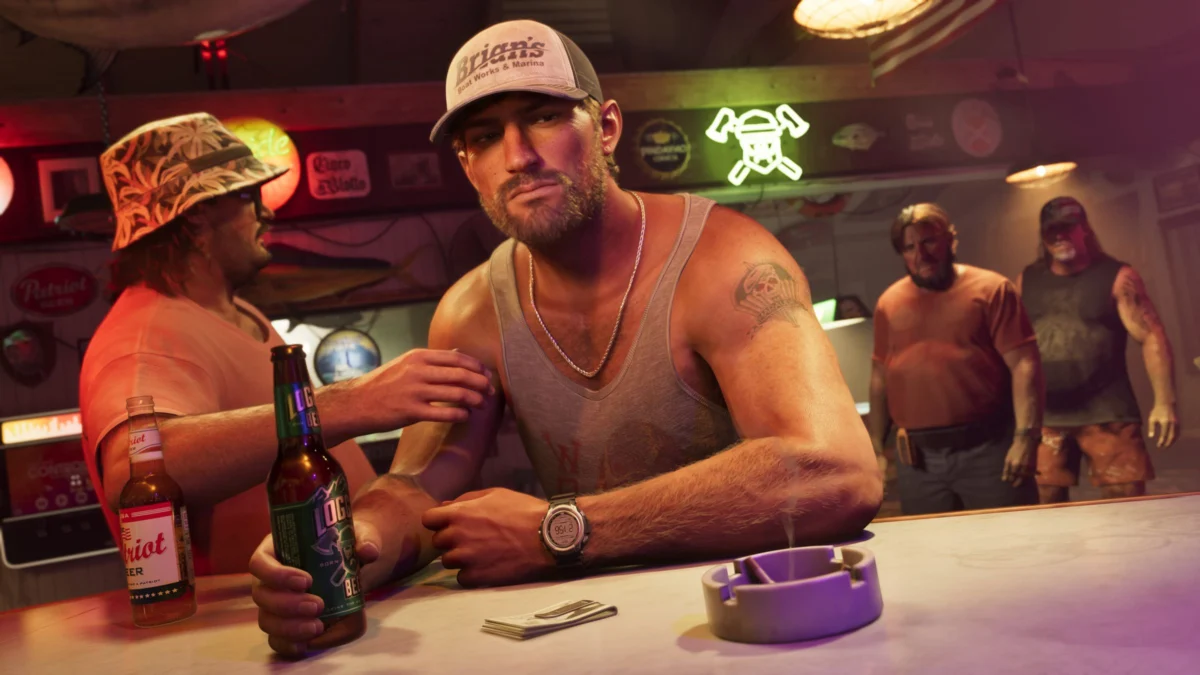
Other critics focused on aesthetic choices, arguing that Jason’s wardrobe, posture, or dialogue lacked traditional masculine grit. One prominent gaming commentator expressed dismay that Jason appeared shirtless in a promotional image, declaring that the series had abandoned its edgy roots in favor of demographic pandering. Furthermore, various internet personalities and artificial intelligence enthusiasts went to extreme lengths to alter promotional imagery, replacing women of color on mock cover art with conventional archetypes or complaining that the physical proportions of the female lead did not align with their personal preferences.
The hostility has frequently targeted the developers themselves. Critics have circulated historical photographs of female staff members at Rockstar’s Scottish studio—originally published to commemorate International Women’s Day in 2019—using the images to construct elaborate conspiracy theories about how internal staffing changes have allegedly compromised the creative integrity of the franchise.
Despite the intensity of the digital campaign, industry figures holding conservative leanings have displayed a notable divergence in strategy. While hyper-fixated micro-influencers continue to manufacture daily grievances, prominent right-wing streamers such as Zack Hoyt (Asmongold) and political commentator Nick Fuentes have adopted a more pragmatic approach. Fuentes famously advised his live chat to disconnect from online outrage cycles and "touch grass," declining to condemn the title prior to its launch.
Commercial Realities and Economic Impact
While the online discourse paints a picture of a fractured fanbase poised for rebellion, the economic data tells an entirely different story. Grand Theft Auto VI is widely projected to be the most expensive video game ever produced, with development and marketing expenditures estimated to exceed $1 billion. Yet, financial analysts note that the game is virtually guaranteed to shatter industry revenue records almost instantaneously.
According to preliminary preorder estimates from third-party data analytics firms, Rockstar Games has already secured over 5.28 million preorders, translating to upwards of $500 million in gross revenue months before the official launch. Given the unprecedented global demand for the franchise, financial institutions project that the studio will likely recoup its billion-dollar investment within the first twenty-four hours of release.
Rockstar Games has maintained a strict corporate policy of silence regarding the online controversy, declining repeated requests for comment. Industry analysts suggest that this strategy is deliberate; engaging with niche internet disputes only serves to amplify fringe voices while offering no tangible benefit to a multi-billion-dollar enterprise whose target demographic spans hundreds of millions of casual and hardcore gamers worldwide.
Broader Implications for the Entertainment Industry
The manufactured uproar surrounding Grand Theft Auto VI highlights a broader, recurring phenomenon within contemporary pop culture. Franchises with massive global footprints—ranging from high-budget cinematic universes to industry-defining video games—frequently become collateral damage in broader societal culture wars. For a specific subset of online commentators, generating outrage over perceived progressive creeping has become a lucrative content model, driving engagement, ad revenue, and subscriber growth on social media platforms regardless of the underlying product’s actual content.
However, the chasm between online vitriol and real-world consumer behavior has never been wider. Time and again, heavily boycotted or preemptively condemned media properties go on to achieve historic commercial success, rendering ideological protest movements largely toothless in the face of mainstream consumer demand.
As November 19 approaches, the cultural warriors decrying the supposed downfall of Grand Theft Auto face an inevitable reality check. Once the game launches, breaks concurrent user records, and dominates global entertainment headlines, the narrative will likely shift. Unable to stop the cultural and financial juggernaut, the outrage machine will inevitably pivot away from Vice City, searching the horizon for the next corporate target upon which to project its anxieties about a rapidly changing world.