
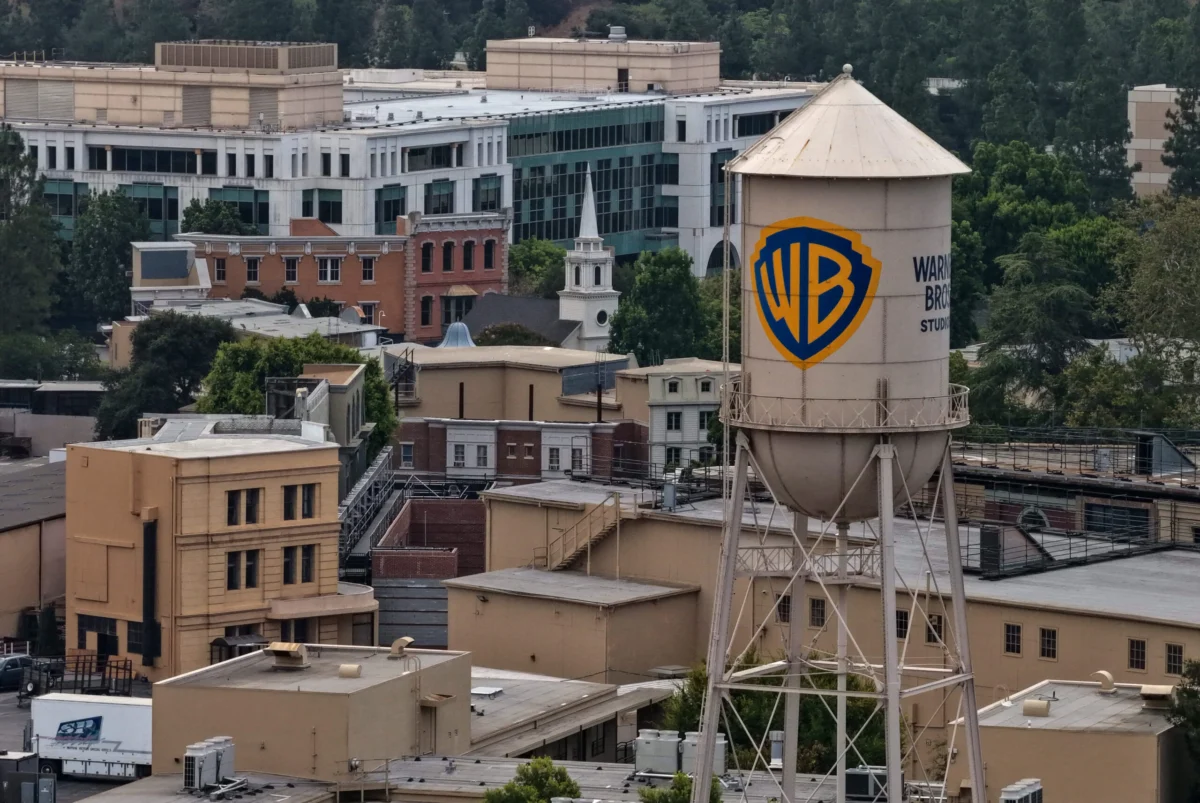
The current atmosphere at the Burbank-based studio is one of profound whiplash. Executives who were, until recently, drafting the blueprints for a leaner, more agile organization are now managing a company in a defensive crouch. David Zaslav, the chief executive officer of Warner Bros. Discovery (WBD), has been forced to shift his public messaging from growth-oriented transformation to the maintenance of enterprise value during a protracted closing period. With the deal facing a legal challenge led by California Attorney General Rob Bonta, the initial optimism surrounding the merger has been replaced by a cautious, day-to-day management style that leaves little room for long-term strategic evolution.
A Chronology of Strategic Ambiguity
The trajectory of WBD’s current predicament can be traced back to mid-2025, a period defined by aggressive ambition. In June 2025, the company announced its intention to divide its assets into two separate entities, a move designed to decouple the high-growth potential of the HBO Max streaming ecosystem from the steady but declining cash flows of its linear TV networks. CFO Gunnar Wiedenfels was tasked with leading the transition for the newly formed Discovery Global, while simultaneously managing the financial rigors of the parent organization.
However, the landscape shifted dramatically in late 2025 as the prospect of a massive industry consolidation gained traction. By the fourth quarter of 2025, the focus transitioned from internal separation to external acquisition. The announcement of the $110 billion agreement with David Ellison’s Paramount Skydance was presented as the definitive solution to the media industry’s scale problem. The deal, which includes a valuation of $31 per share, was meant to be the cornerstone of a new, unified media titan capable of challenging the dominant players in the direct-to-consumer (DTC) market, namely Disney, Amazon, and Netflix.
The timeline took a sharp turn in mid-2026. On July 13, 2026, California Attorney General Rob Bonta filed a lawsuit to block the merger on antitrust grounds, citing concerns over market concentration in the film and television sectors. While Paramount and WBD initially attempted to navigate settlement talks, those discussions hit an impasse in late August 2026, leaving the merger’s fate in the hands of the courts.
The Financial Cost of Delay
The financial structure of the deal includes a “ticking fee” provision, which triggers a rise in the acquisition price if regulatory approval is not secured by September 2026. While this clause serves as a hedge for WBD shareholders, it places immense pressure on Paramount to resolve the regulatory standoff. The economic rationale for the merger rests on the premise of synergy—specifically, the combining of Paramount+ and HBO Max into a singular, more competitive streaming destination.

Industry analysts at firms like MoffettNathanson have repeatedly highlighted that both companies currently operate subscale streaming services that struggle to maintain profitability as standalone platforms. Robert Fishman, a lead analyst in the sector, noted in an August 5 briefing that the failure of this merger would leave both entities in a precarious position. Without the scale afforded by a merger, the combined subscriber base and content library would remain insufficient to compete with the sheer volume of content and infrastructure provided by Big Tech competitors.
For WBD, the immediate impact is a constraint on capital expenditure and strategic M&A. While the merger agreement includes interim operating covenants, these provisions limit the company’s ability to initiate large-scale structural changes. While WBD retains the flexibility to enter into licensing deals—such as the highly successful arrangements that saw HBO content like "Sex and the City" and "Band of Brothers" migrate to Netflix—the uncertainty surrounding the company’s ownership makes long-term partnerships with other streaming giants difficult to secure.
The Creative and Operational Reality
Despite the corporate maneuvering, the creative engine at Warner Bros. remains active. Content creators continue to pitch projects, and the studio’s library remains one of the most valuable in the world. However, the internal focus has shifted toward operational efficiency. Wiedenfels has continued to prioritize cost management, a move necessitated by the ongoing decline in linear television advertising revenue.
The streaming segment, meanwhile, is experiencing a maturation phase. While WBD recently reported record-breaking revenue growth in its streaming division, much of this success was driven by international market expansion. With that expansion now largely complete, the company faces the challenge of growing in a saturated market. Executives have tempered expectations for future growth, shifting the focus to an ad-supported model and more targeted content acquisition.
Regulatory Hurdles and Potential Remedies
The litigation initiated by California’s Attorney General represents a growing trend in antitrust enforcement. Attorney General Bonta has indicated that any resolution to the dispute would require “robust structural remedies,” suggesting that the state is prepared to demand the divestiture of significant assets. This has prompted intense speculation among institutional investors and industry bankers regarding which units of WBD might be sacrificed to appease regulators.
New Line Cinema, a storied production unit, has been frequently cited as a potential candidate for divestiture. With its deep catalog of intellectual property—including the Lord of the Rings and Final Destination franchises—it remains a highly liquid asset that could attract a premium in a sale. Additionally, segments of the Turner cable network portfolio, such as TNT and TBS, as well as the company’s lifestyle networks like HGTV, have been identified as peripheral assets that could be sold to reduce the overall market footprint of the merged entity.

The implications of these potential divestitures extend beyond the current deal. If the California-led effort to block the merger succeeds, or if it forces significant concessions, it could set a precedent for how future media consolidations are handled at the state level. This “regulatory creep” poses a long-term risk to media conglomerates that have historically relied on large-scale acquisitions to adapt to the digital transition.
The Broader Media Landscape
The current standoff between WBD and its regulators highlights the broader identity crisis facing traditional media companies. The industry is in the midst of a fundamental transition from linear broadcasting to a fragmented, subscription-based, and ad-supported digital ecosystem. The desire for a “bundle” is once again taking center stage, with companies like NBCUniversal and Fox openly exploring collaborative models to preserve their market share.
The failure of the WBD-Paramount deal would not only leave two major players in a vulnerable position but would also signal a cooling of the M&A climate in the media sector. As Tom Rogers, executive chairman of Fountain 0, noted, the deal represents the most viable path forward for both companies. "This is as good a deal as Warner Bros. Discovery’s going to get," Rogers stated. "They are going to have a difficult time walking away with no more than a breakup fee."
Ultimately, the company is in a race against time. As the streaming wars shift toward bundling and integrated platforms, the window for WBD to solidify its competitive footing is closing. The executive team, led by Zaslav, finds itself walking a tightrope: satisfying the rigorous requirements of a demanding regulatory environment while attempting to preserve the momentum of a company whose future identity remains tethered to a deal that is increasingly caught in the gears of the American legal system. Whether the merger closes in its current form, proceeds with major divestitures, or collapses entirely, the period of uncertainty has already fundamentally altered the strategic landscape for Warner Bros. Discovery.