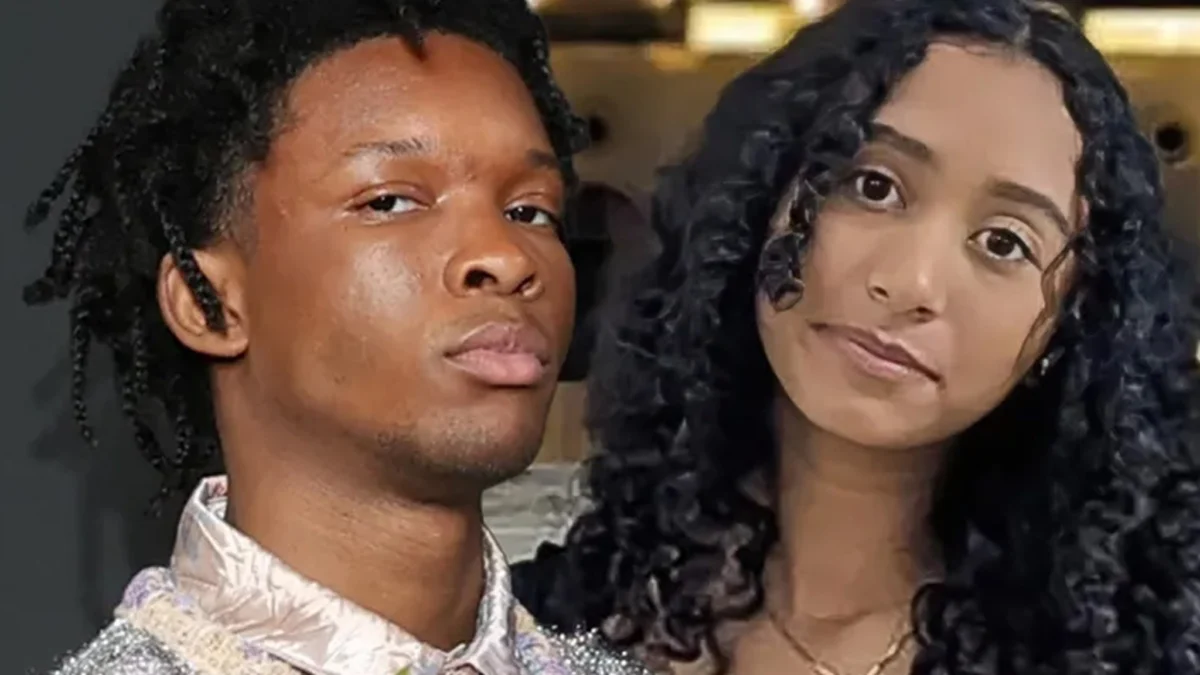
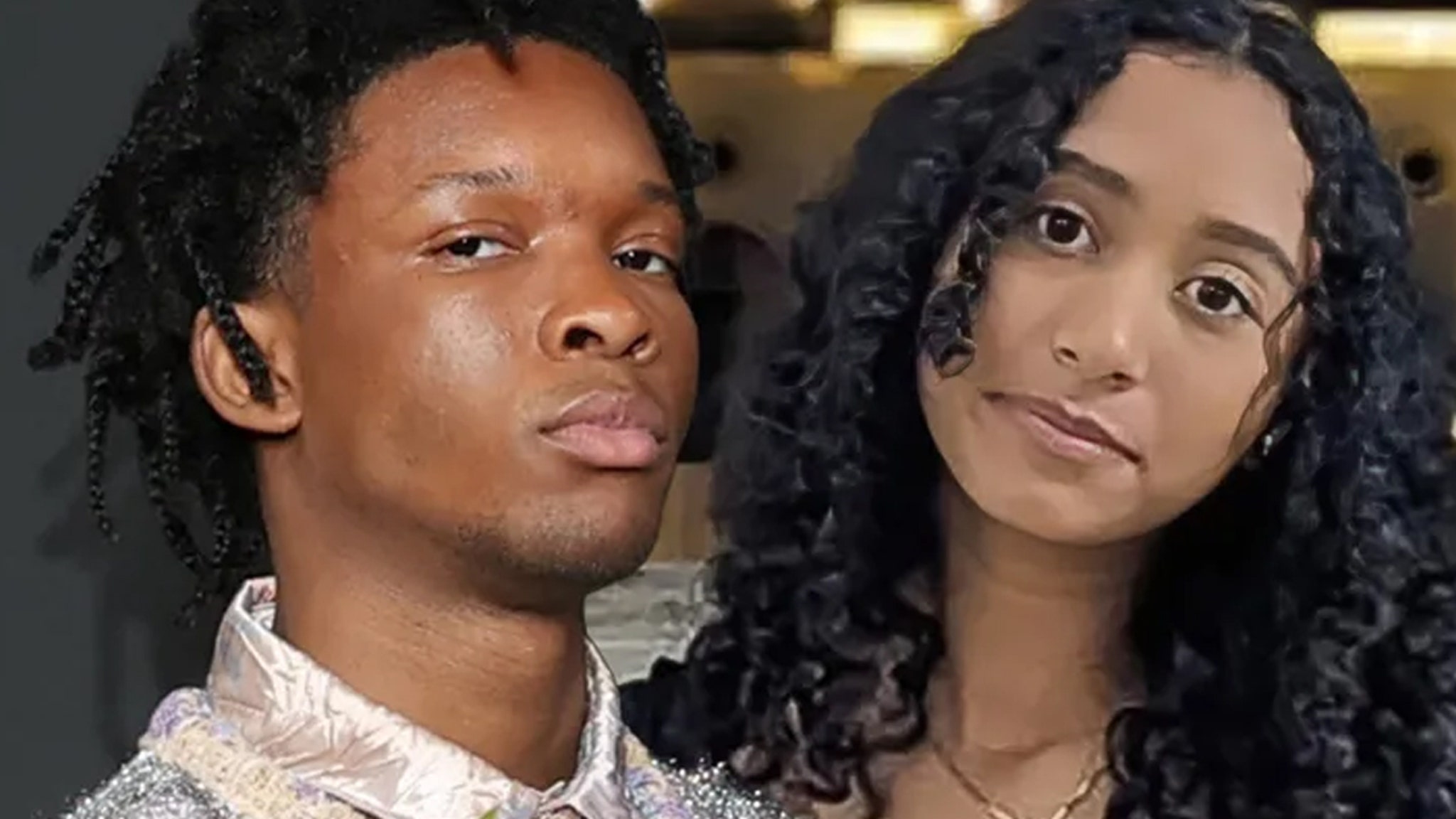
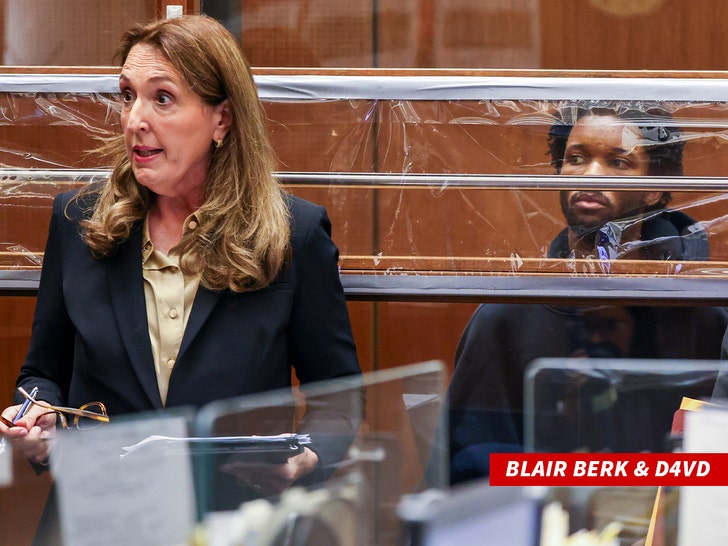
The preliminary hearing in the high-profile murder case of Celeste Rivas intensified dramatically on Thursday, as acclaimed defense attorney Blair Berk, representing musician D4vd (David Burke), engaged in a sharp cross-examination with an LAPD criminalist over the handling and interpretation of potential blood evidence, particularly concerning chainsaws found at the defendant’s residence. The courtroom exchange underscored the critical battle over forensic evidence that often defines such complex and tragic cases, with the outcome of this hearing poised to determine whether D4vd will stand trial for murder.
The Preliminary Hearing: A Crucial Legal Juncture
Preliminary hearings, a cornerstone of the American legal system, serve a vital function: to establish whether sufficient probable cause exists for a defendant to be formally tried on felony charges. Unlike a full trial, which aims to prove guilt beyond a reasonable doubt, the preliminary hearing requires only that the prosecution present enough evidence to suggest a crime was committed and that the defendant likely committed it. For D4vd, whose real name is David Burke, this phase is exceptionally critical. A judge, rather than a jury, presides over these proceedings, evaluating the evidence presented by both sides. The judge’s decision will have profound implications for D4vd’s future, determining whether the case proceeds to a full trial, whether charges are reduced, or, in rare instances, if they are dismissed. The stakes are undeniably high, with the musician facing charges in connection with the gruesome discovery of 14-year-old Celeste Rivas’s dismembered body.
Intense Cross-Examination: Chainsaws and DNA Scrutiny
The courtroom, filled with legal teams, media, and observers, became the arena for a direct confrontation between the defense and a key forensic witness. Blair Berk, known for her formidable presence and incisive questioning, zeroed in on the testimony of LAPD criminalist Lauren Wallace. Wallace had previously detailed the discovery of two chainsaws during a search of D4vd’s garage, instruments that, given the nature of Rivas’s injuries, held significant evidentiary potential.
Berk’s questioning specifically challenged Wallace’s decision-making regarding forensic testing on these power tools. The criminalist confirmed that while the chainsaws were examined, no "touch DNA" swabs were taken. Wallace explained her rationale, stating that presumptive blood tests conducted on the chainsaws had yielded negative results. Furthermore, she argued that it "didn’t make sense" to test for D4vd’s DNA within his own home, asserting that his genetic profile would naturally be pervasive throughout the residence, making specific findings on the chainsaws less probative.
This line of reasoning immediately drew Berk’s focused rebuttal. The defense attorney underscored that D4vd’s residence was not occupied solely by him but by "multiple people." This fact, Berk argued, rendered Wallace’s justification for not testing D4vd’s DNA on the chainsaws less compelling, as the presence of other individuals’ DNA could differentiate between a casual presence and contact related to the alleged crime. The exchange highlighted a fundamental tension in forensic investigation: the balance between thoroughness in evidence collection and the practicalities of laboratory resources and interpretive challenges.
The Nuances of Forensic Testing and Defense Challenges
The debate over the chainsaws and DNA testing delves into the intricate world of forensic science. Presumptive blood tests, such as the Kastle-Meyer test or phenolphthalein test, are used to indicate the possible presence of blood. They are highly sensitive but not specific, meaning they can react to substances other than blood (e.g., rust, certain chemicals). If a presumptive test is negative, it strongly suggests the absence of blood, but it is not a definitive conclusion. Confirmatory tests, which are more specific (like the Takayama or Teichmann tests), are then used to confirm the presence of human blood.
"Touch DNA," or "trace DNA," refers to the microscopic skin cells left behind when a person touches an object. These cells contain DNA and can be collected and analyzed, even if no visible bodily fluids are present. In cases involving weapons or tools, touch DNA can be crucial for establishing who handled an item. Berk’s challenge implied that even without visible blood, the presence or absence of D4vd’s DNA on the chainsaws could still be highly relevant, especially if other residents’ DNA was present, or if an absence of DNA from anyone living there raised questions.
Legal experts often point out that defense attorneys frequently scrutinize forensic methodology. Questions regarding chain of custody, potential contamination, the thoroughness of testing, and the interpretation of results are standard tactics to introduce reasonable doubt. The defense’s insistence on touch DNA testing, despite negative presumptive blood results, suggests an attempt to challenge the completeness of the LAPD’s forensic investigation. Had touch DNA been found on the chainsaws, its context would be debated; without it, the defense can argue a lack of critical evidence linking D4vd directly to the tools in a criminal context.
A Multi-Occupant Residence: Complicating DNA Interpretation
Blair Berk’s sharp observation that "multiple people lived in the home, not just D4vd" was a calculated move to dismantle the prosecution’s potential reliance on D4vd’s ubiquitous DNA. In forensic science, the presence of a defendant’s DNA in their own residence is expected and, by itself, proves very little regarding specific criminal acts. However, if a specific item, particularly one alleged to be an instrument of crime, contains DNA from only the defendant, or a specific pattern of DNA (e.g., mixed with the victim’s DNA), its probative value significantly increases.
By highlighting the multi-occupant nature of the home, Berk aimed to muddy the waters, suggesting that any DNA found could belong to any resident and, therefore, its mere presence on an object like a chainsaw wouldn’t necessarily implicate D4vd in the murder. This strategy forces the prosecution to present more specific and compelling evidence that directly links D4vd to the alleged crime, rather than relying on general presence. It underscores the difficulty in interpreting forensic evidence in complex domestic settings.
The "Fake Blood" Revelation and Its Implications
Adding another layer of intrigue to the testimony, Wallace confirmed under Berk’s cross-examination that investigators had discovered "jugs of fake blood D4vd had used for merch" at the residence. This revelation, while seemingly innocuous on its face, could become a significant point of contention for both sides.
For the defense, the discovery of fake blood provides a plausible, non-criminal explanation for any potential trace evidence that might resemble blood but ultimately proves to be something else. If any ambiguous reddish stains were found that were not definitively identified as human blood, the defense could argue they were residue from D4vd’s merchandise-related activities. This could serve to sow doubt about the reliability of initial observations by law enforcement or to explain away any presumptive blood test positives that were not later confirmed.
Conversely, the prosecution might attempt to spin this detail as further evidence of D4vd’s potential morbid interests or his preparation for a cover-up. They could argue that the presence of fake blood could have been intended to confuse investigators or to mimic the appearance of a crime scene without actual human blood. However, this interpretation would require a more speculative leap than the defense’s more direct explanation. The presence of fake blood undeniably complicates the forensic narrative and provides fertile ground for legal arguments.
Background of the Tragic Case: Celeste Rivas
The case revolves around the horrifying discovery of Celeste Rivas’s body. In September 2025, Rivas, a 14-year-old, was found dismembered in the front trunk (frunk) of a Tesla registered in D4vd’s name. The gruesome nature of the discovery sent shockwaves through the community and captured national attention, particularly given the defendant’s burgeoning career as a musician.
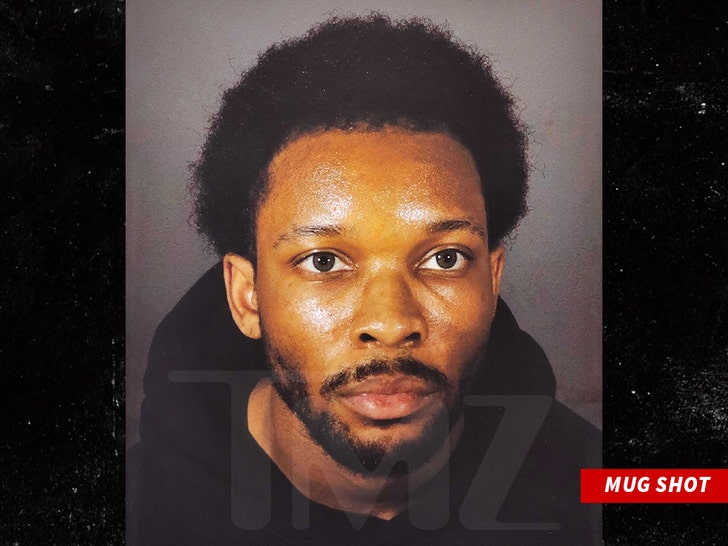
D4vd was formally charged with Rivas’s murder in April 2026, following months of intense investigation. Prosecutors have alleged a deeply disturbing motive: they believe D4vd killed Celeste Rivas because she threatened to reveal their romantic relationship. The age disparity between the alleged victim and the defendant, coupled with the nature of the alleged motive, adds a layer of profound tragedy and public outrage to the proceedings. Following his arrest and formal charges, D4vd entered a plea of not guilty, setting the stage for the current preliminary hearing and the anticipated legal battle ahead. The details surrounding the initial discovery of Rivas’s body, the subsequent investigation, and the charges against D4vd form the grim backdrop against which every piece of evidence and every legal argument is now being meticulously examined.
The Key Players in the Courtroom Drama
At the heart of this legal drama are several pivotal figures. D4vd (David Burke), a musician who had been gaining significant traction in the music industry, now faces the most serious allegations imaginable. His career, public image, and personal freedom hang in the balance. The intense media scrutiny surrounding the case ensures that every detail of the proceedings is amplified, affecting not only his legal standing but also his legacy.
His defense is spearheaded by Blair Berk, one of the most respected and feared defense attorneys in the United States, particularly within high-profile celebrity cases. Berk is renowned for her aggressive and meticulous cross-examination techniques, her deep understanding of forensic science, and her ability to dissect prosecution arguments. Her presence signals a formidable defense strategy aimed at challenging every aspect of the state’s case.
On the prosecution’s side, the team faces the immense pressure of securing justice for Celeste Rivas and her family. They rely on the testimony of witnesses like Lauren Wallace, the LAPD criminalist whose expertise and integrity are now being rigorously tested under cross-examination. Criminalists play a crucial role in bridging the gap between scientific evidence collected at a crime scene and its presentation in a courtroom, requiring both scientific precision and the ability to articulate complex findings clearly and accurately.
The Broader Context of Forensic Evidence in Court
This hearing serves as a microcosm of broader challenges in the criminal justice system concerning forensic evidence. As technology advances, the expectations for forensic rigor grow, and defense attorneys are increasingly adept at questioning the methodologies, interpretations, and limitations of scientific evidence. Issues such as the reliability of presumptive tests, the decision-making process behind which tests are conducted, the handling of trace evidence, and the interpretation of DNA profiles in complex environments (like a multi-occupant home) are frequently contested. The D4vd case highlights how crucial it is for law enforcement and forensic scientists to meticulously document every step of their process, justify their choices, and be prepared to defend their findings against expert scrutiny. The credibility of forensic testimony can often make or break a prosecution’s case.
What’s Next: The Path to Trial (or Beyond)
The preliminary hearing is a multi-day process, and at its conclusion, the judge will render a decision. If the judge determines there is sufficient probable cause, D4vd will be "held to answer" for the murder charge. This means the case will proceed to an arraignment in superior court, where a trial date will be set. Murder trials are notoriously lengthy and complex, often involving extensive witness testimony, detailed forensic presentations, and potentially months of proceedings.
Should the judge find insufficient evidence to proceed with a murder charge, D4vd could potentially face reduced charges, or, in a highly unlikely scenario for a case of this magnitude, the charges could be dismissed. However, given the gravity of the allegations and the evidence presented thus far, it is widely anticipated that the case will move forward to a full trial. Between the preliminary hearing and a potential trial, both legal teams will engage in extensive discovery, motions, and trial preparation, a process that can take many more months, if not years.
Public and Legal Community Reactions
The case has drawn considerable attention from both the public and the legal community. The tragic death of a young girl, coupled with the celebrity status of the accused, has fueled intense public interest and debate. Social media platforms and traditional news outlets continue to cover every development, reflecting the community’s demand for justice. Within legal circles, the strategies employed by Berk and the prosecution are being closely watched, offering insights into high-stakes litigation involving complex forensic evidence. The emotional toll on Celeste Rivas’s family is immense, as they navigate the protracted legal process in their search for answers and accountability.
As the preliminary hearing continues, every piece of testimony and every legal argument is scrutinized, each potentially altering the trajectory of this deeply unsettling case. The confrontation between D4vd’s legal team and the LAPD criminalist underscores the fierce battle over evidence that will ultimately determine D4vd’s fate and seek to bring a measure of closure to the tragic death of Celeste Rivas.