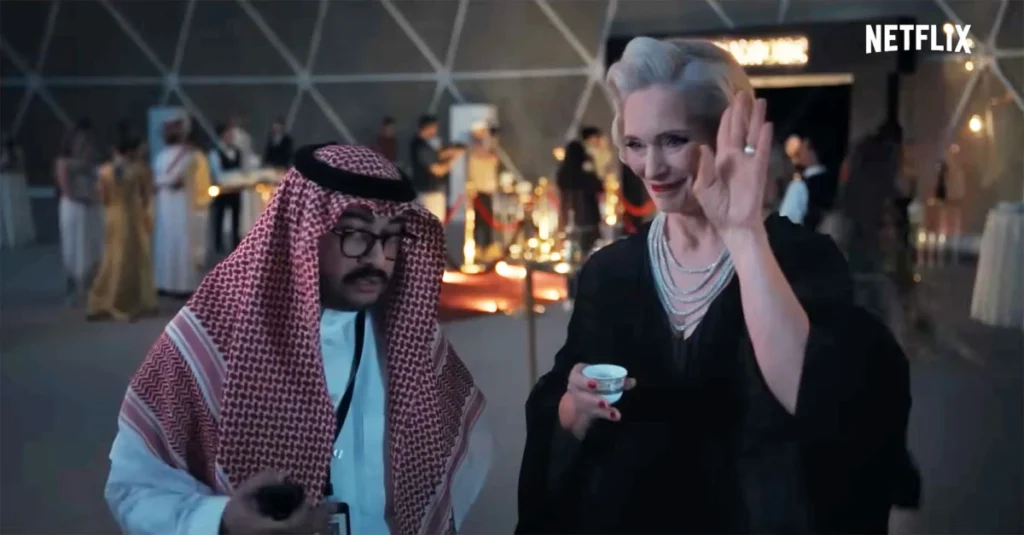
A compelling new cinematic venture is poised to hit American theaters, with Inaugural Entertainment and Briarcliff Entertainment officially unveiling the trailer for the high-stakes action thriller, The Fix. Directed by the visionary filmmaker Guy Moshe, the movie features an impressive ensemble cast led by veteran action star Liam Neeson and the increasingly versatile Zachary Levi. Slated for release on September 11, 2026, the film promises a gripping narrative centered on themes of redemption, betrayal, and the enduring moral complexities of post-conflict operations, particularly in the wake of the war in Afghanistan.
The newly released trailer, disseminated on July 21, 2026, offers a tantalizing glimpse into a world where former elite operatives, scarred by past failures, embark on a perilous mission in Tehran. Originally filmed in 2024 under the working title Hotel Tehran, the project has undergone a meticulous post-production phase, culminating in its current form and title, The Fix. This change in title often signifies a strategic rebranding, aiming to broaden the film’s appeal or more accurately reflect its core thematic elements—in this case, perhaps emphasizing the desperate need for resolution or retribution for its protagonists.
The Narrative Core: Disillusionment, Redemption, and Geopolitical Intrigue
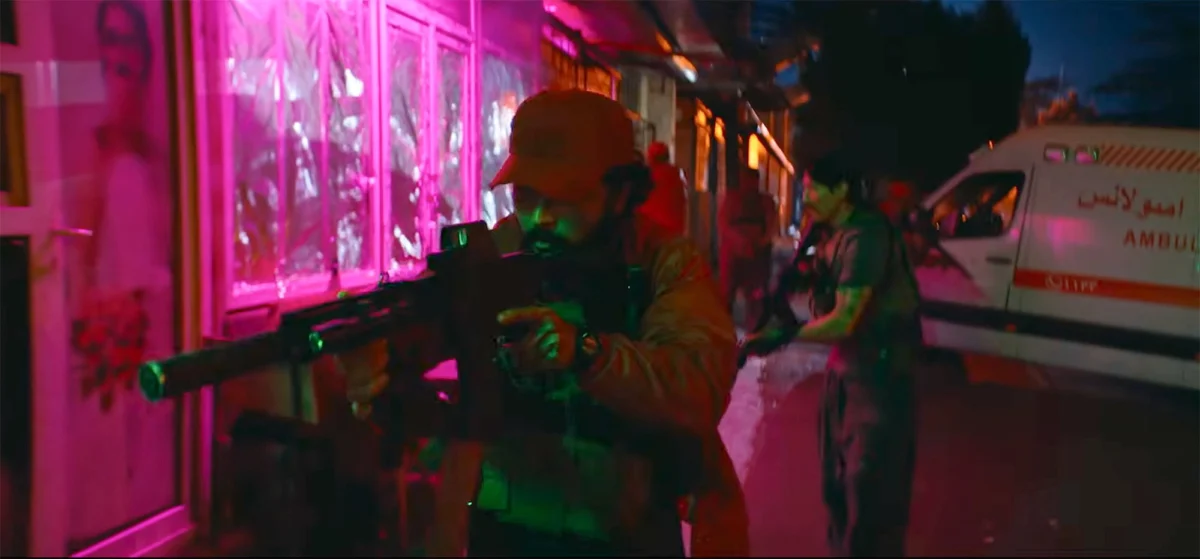
The Fix plunges audiences into the aftermath of a tragically failed mission in Afghanistan, a scenario that leaves a group of highly trained, yet now disgraced, ex-CIA operators adrift and disillusioned. Mentored by the enigmatic "Larry," portrayed by Liam Neeson, and led by the determined "Tucker," played by Zachary Levi, these operatives find themselves on a desperate quest for redemption. Their path leads them to the heart of Tehran, Iran, where they plan to execute a daring rescue mission—an undertaking described as a "life-changing score." This central premise immediately establishes a narrative rich with geopolitical tension and personal stakes, tapping into the public’s enduring fascination with espionage, covert operations, and the moral ambiguities faced by those operating in the shadows of international conflict.
The film’s exploration of "disgraced, war-torn ex-CIA operators" resonates with a cinematic tradition that frequently delves into the psychological toll of warfare and intelligence work. The withdrawal from Afghanistan, specifically, has served as a poignant backdrop for various cultural reflections, offering fertile ground for stories that examine the human cost, the concept of duty, and the search for meaning when military objectives shift or conclude. The Fix appears to leverage this contemporary context, using the backdrop of a significant historical event to frame its characters’ personal battles for atonement. The "life-changing score" element adds another layer, suggesting motivations that might extend beyond pure patriotism, perhaps hinting at personal gain intertwined with a desire to right past wrongs or reclaim lost honor.
Guy Moshe’s Distinctive Vision: Blending Spectacle with Emotional Depth
Director Guy Moshe, known for his distinctive genre filmmaking, brings a unique sensibility to The Fix. His previous works, such as the stylized neo-noir action film Bunraku (2010) and the dystopian science fiction drama LX 2048 (2020), demonstrate a consistent interest in crafting visually compelling narratives that often push the boundaries of conventional storytelling. Bunraku, for instance, was lauded for its unique aesthetic and innovative blend of genres, while LX 2048 explored complex philosophical questions within a futuristic setting. This background suggests Moshe is not merely interested in superficial action but in infusing his genre films with deeper thematic resonance and a strong visual identity.

Moshe himself articulated his directorial intent for The Fix, explaining that the movie is designed "to put audiences inside the chaos and moral weight of war, not just the action of it." He further emphasized his commitment to "keeping the story in deeply human territory while still delivering the visceral, large-scale filmmaking." This statement is crucial in understanding the film’s potential impact. It suggests a deliberate effort to move beyond mere spectacle, aiming instead for an immersive experience that forces viewers to confront the psychological and ethical dilemmas inherent in armed conflict. Such an approach, if successfully executed, could elevate The Fix from a standard action thriller to a thought-provoking drama that utilizes intense action sequences to underscore its characters’ internal struggles and the broader moral landscape of their world. The balance between "visceral, large-scale filmmaking" and "deeply human territory" is a challenging tightrope walk, but one that Moshe’s filmography indicates he is adept at navigating.
The Ensemble Cast: A Confluence of Action Prowess and Dramatic Acumen
The casting of The Fix is a significant factor in its anticipated appeal, bringing together a mix of established stars and reliable character actors.
Liam Neeson as "Larry" continues his reign as a formidable presence in the action-thriller genre. Since his career-defining turn in Taken (2008), Neeson has cultivated a powerful persona as a grizzled, often morally conflicted, man of action. His roles frequently involve protecting loved ones, seeking vengeance, or navigating dangerous situations with a quiet intensity. His presence in The Fix as a mentor figure immediately lends gravitas and a sense of hardened experience to the group of ex-CIA operatives. Audiences have come to expect a certain level of commitment and physical performance from Neeson, and his involvement signals a film that is likely to deliver on intense, high-stakes scenarios. His ability to convey both physical strength and underlying vulnerability makes him an ideal choice for a character guiding a team through morally ambiguous territory.
Zachary Levi as "Tucker" represents an intriguing evolution in the actor’s career. While widely recognized for his comedic roles in television (most notably Chuck) and his titular performance in the DC Extended Universe’s Shazam! franchise, Levi has steadily demonstrated a broader dramatic range. His casting as the leader of this disgraced unit suggests a more serious, perhaps darker, portrayal than many audiences might expect. This move allows Levi to showcase his versatility, transitioning from more lighthearted fare to the gritty realism implied by The Fix‘s premise. This kind of casting often signals a deliberate attempt by an actor to challenge perceptions and by filmmakers to introduce unexpected dimensions to their characters, potentially offering a fresh take on the archetypal action hero.
The supporting cast further strengthens the film’s dramatic potential:
Titus Welliver, a seasoned actor known for his commanding presence, particularly in roles demanding authority and intensity (such as Harry Bosch in the long-running series Bosch and Jimmy O’Phelan in Sons of Anarchy), brings significant weight to any ensemble. His inclusion suggests a commitment to strong, nuanced performances even in supporting roles, enriching the film’s dramatic fabric.
Numan Acar, an actor with a strong international profile, often cast in roles that require a multilingual or multicultural background, has appeared in significant productions like Homeland and Aladdin. His presence adds authenticity to the film’s geopolitical setting and often brings an element of unpredictable depth to his characters.

Wes Chatham, recognized for his roles in action and science fiction series like The Expanse and The Hunger Games, contributes a physical presence and experience in ensemble-driven narratives, further bolstering the team dynamic central to The Fix.
The collective strength of this cast—combining established action stars with versatile dramatic actors and international talent—positions The Fix to deliver not just thrilling action but also compelling character interactions and a robust exploration of its themes.
Production Journey: From "Hotel Tehran" to "The Fix"
The journey of The Fix from its original filming in 2024 to its impending release highlights the intricate process of modern filmmaking. The film was shot in Mississippi, a location choice that, while perhaps surprising for a narrative set primarily in Tehran and Afghanistan, is a common practice in the film industry. States like Mississippi offer attractive tax incentives and diverse landscapes that can be creatively adapted to double for various international settings, especially with the aid of advanced production design and visual effects. This strategic decision allows filmmakers to manage budgets effectively while still achieving the desired cinematic scope.
The screenplay, penned by Ron Hutchinson, is based on a story conceived by Mark Bacci, Baz, and Guy Moshe. Hutchinson has a history of crafting complex narratives for both film and television, suggesting a script that is likely to be intricate and character-driven. The collaborative nature of the story development, involving multiple creators including the director, indicates a deeply considered narrative foundation. The transition from the initial title, Hotel Tehran, to The Fix could reflect a refinement in the film’s marketing strategy or a clearer articulation of its core themes. "Hotel Tehran" might have suggested a more contained, perhaps espionage-focused narrative, whereas "The Fix" implies a broader quest for resolution, repair, or even revenge—a more active and encompassing concept.
The production team, comprising Matthew G. Zamias, Ryan Winterstern, David Lipper, Guy Moshe, Kevin Weisberg, Marina Grasic, Justin Oberman, Shalom Eisenbach, and Wendy Sweetmore, represents a diverse group of producers, indicating a robust collaborative effort to bring Moshe’s vision to fruition. Their collective experience likely contributed to navigating the complexities of independent film production, from securing financing to managing logistical challenges.
Distributor’s Confidence and Market Positioning
Inaugural Entertainment and Briarcliff Entertainment, the distributors behind The Fix, have expressed significant confidence in the film’s potential. Their official statement underscores their belief in the movie’s unique balance: "the film seamlessly balances intense, edge-of-your-seat spectacle with real emotional stakes… Precisely the kind of high-caliber cinematic event that we are proud to champion." This positioning suggests that the distributors are keen to highlight the film’s dual appeal—its capacity for thrilling action sequences alongside a compelling emotional core. In a competitive market saturated with action films, distinguishing The Fix by emphasizing its dramatic depth and character-driven narrative is a strategic move.

The choice of September 11, 2026, for the theatrical release date is notably significant. While potentially coincidental, the date carries immense historical weight, particularly in the context of a film about disillusioned CIA operators and the aftermath of conflicts in the Middle East. This timing could be interpreted as a deliberate choice to provoke reflection on themes of national security, interventionism, and the enduring consequences of global events. Such a release date often frames a film within a broader cultural conversation, adding a layer of gravitas and encouraging audiences to engage with its themes on a deeper level.
Broader Implications and Anticipated Impact
The Fix enters a cinematic landscape that continues to embrace geopolitical thrillers and narratives exploring the moral complexities of war and intelligence. The enduring popularity of films like Sicario, Zero Dark Thirty, and the Bourne franchise demonstrates a consistent audience appetite for stories that offer a glimpse into the darker, more ambiguous facets of international relations and clandestine operations. The Fix, with its focus on "disgraced" operatives seeking "redemption" in a volatile region, aligns perfectly with this genre’s appeal.
The film’s potential impact will likely hinge on several factors: the critical reception of Guy Moshe’s blend of action and drama, the performances of its high-profile cast, and the resonance of its themes with contemporary audiences. If Moshe successfully delivers on his promise of combining "visceral, large-scale filmmaking" with "deeply human territory," The Fix could garner both critical acclaim for its artistic ambition and commercial success for its thrilling execution.
Moreover, the film’s narrative, set against the backdrop of post-Afghanistan sentiment and involving a mission in Tehran, carries inherent relevance in current global discussions. It provides a fictional lens through which audiences might explore real-world anxieties about geopolitical stability, the effectiveness of intelligence operations, and the personal toll exacted on those who serve. The pursuit of a "fix"—whether it implies mending broken lives, correcting past mistakes, or achieving a decisive resolution—serves as a powerful metaphor for both the characters’ personal journeys and broader societal aspirations for peace and order in a turbulent world.
As the release date approaches, anticipation for The Fix will undoubtedly build. The combination of a respected director, a compelling premise, and a formidable cast suggests that this action thriller aims to be more than just an adrenaline rush; it seeks to be a cinematic event that prompts reflection on the human cost of conflict and the relentless pursuit of redemption.