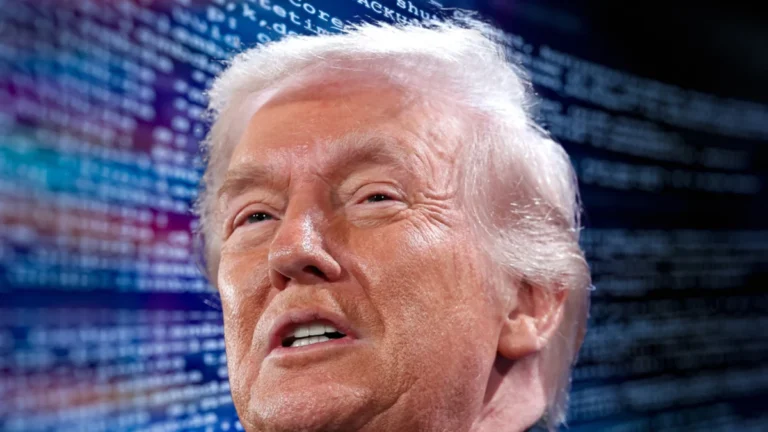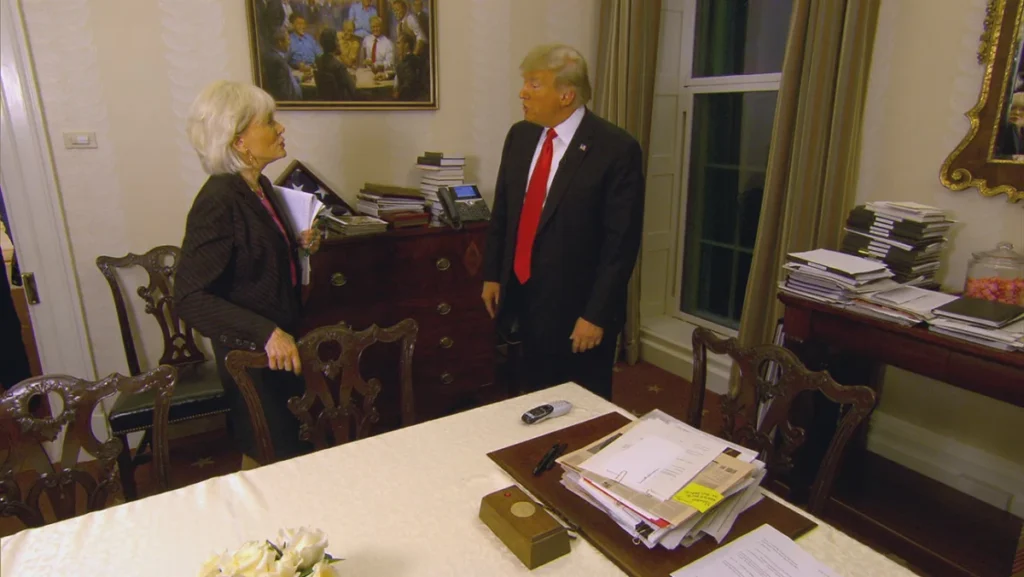


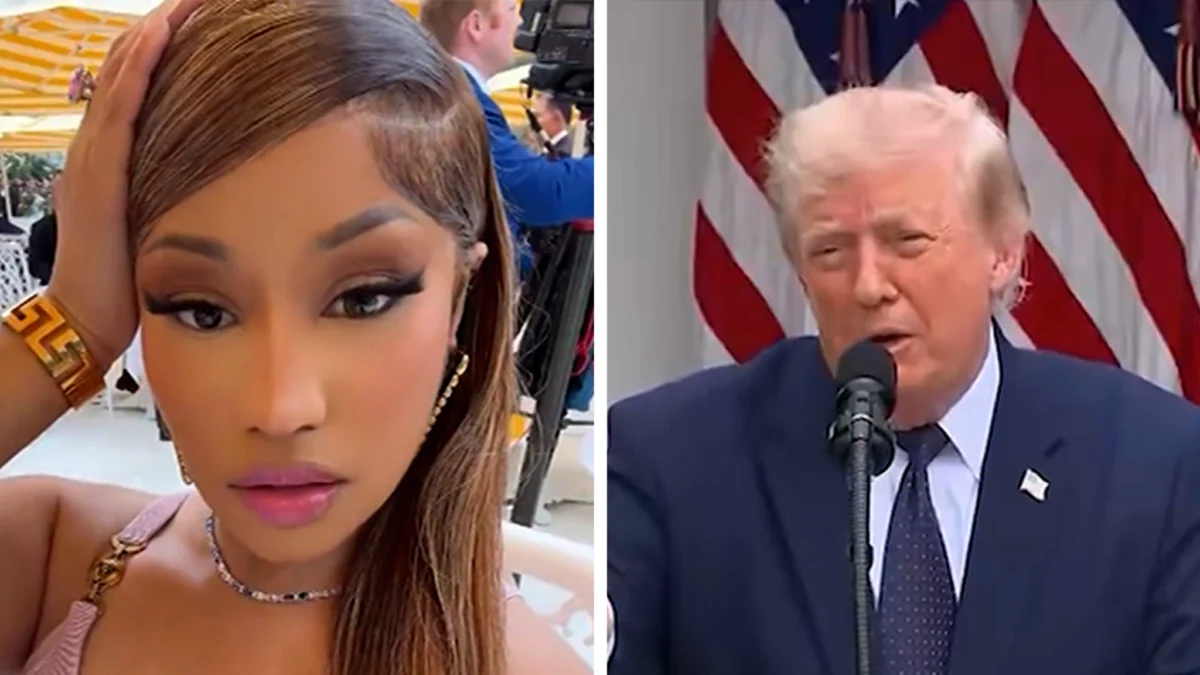
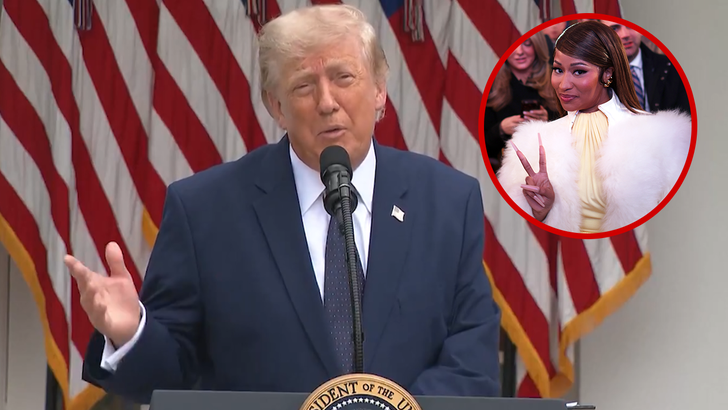
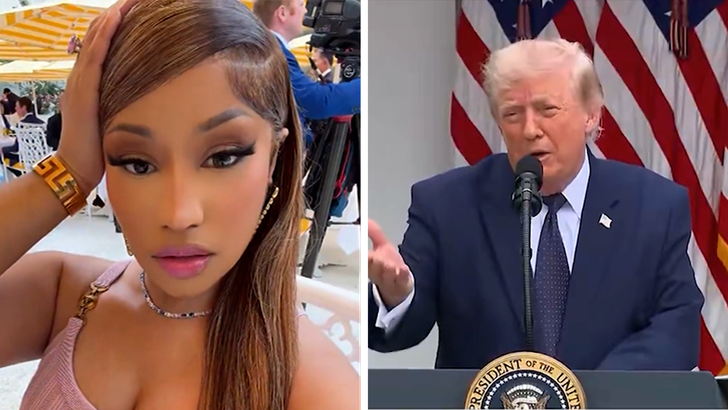
Washington D.C. — President Donald Trump hosted hip-hop superstar Nicki Minaj at a high-profile Rose Garden lunch at the White House on Monday, July 6, 2026, where the former President publicly praised the artist, notably describing her as "hot." The interaction, captured in several videos circulating widely online, quickly became a subject of intense media scrutiny and public discussion, highlighting the continued intersection of celebrity culture and political discourse in the American landscape.
The event, held in the iconic Rose Garden, traditionally serves as a venue for diplomatic gatherings, ceremonial events, and significant policy announcements. However, under the Trump administration, these spaces have frequently been utilized for less conventional purposes, often involving figures from entertainment and media who have publicly supported his political agenda. Minaj, known for her chart-topping hits and influential presence in the music industry, has been an outspoken supporter of President Trump in the past, making her appearance at such a high-level event a logical, albeit still notable, development in their public association.
The Rose Garden Gathering and Presidential Remarks
Minaj was seen attending the exclusive gathering, dressed in a striking pink ensemble, a color often associated with her "Barbie" persona, which resonated with the informal nature of some of the President’s remarks. During the lunch, President Trump addressed Minaj directly, offering a series of commendations that drew immediate attention. He lauded her as "so incredible" and made a somewhat unconventional comparison between her business ventures and the financial sector. "They call it small business, Nicki," Trump stated, "but when you add it up, it’s bigger than any bank probably in the world, right?" This comment, seemingly aimed at celebrating Minaj’s entrepreneurial success and influence, also served to align her massive personal brand with the narrative of economic prosperity often championed by the former President.
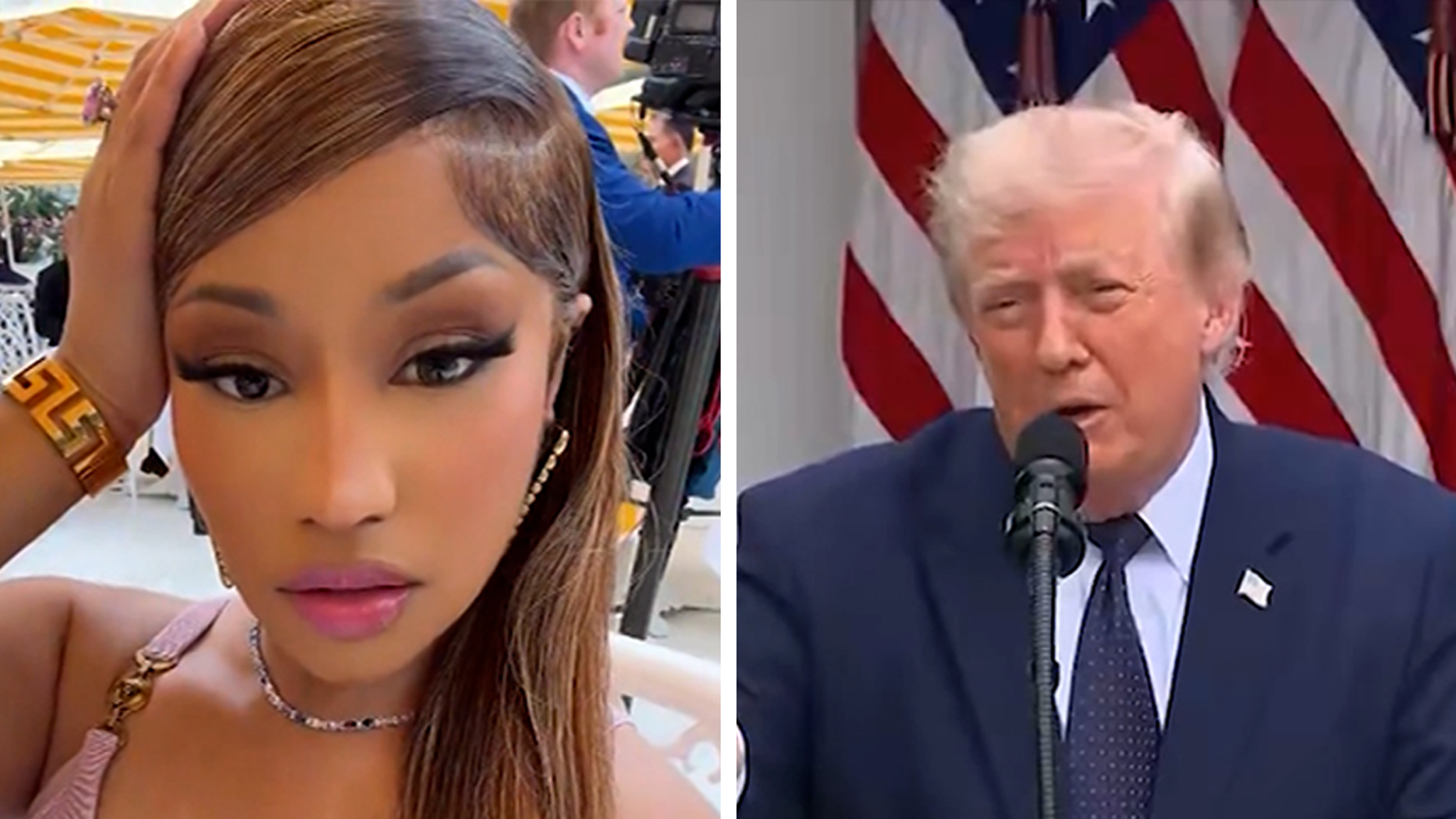
However, it was Trump’s subsequent remark that garnered the most immediate and widespread reaction. He referred to Minaj simply as "hot," a term typically associated with physical attractiveness rather than professional achievement or political engagement. This choice of descriptor—"not beautiful, not sexy… hot"—as noted by some observers, departed from the more conventional diplomatic language often employed in such public settings, even in informal ones. The comment quickly became a focal point of discussion across social media platforms and news outlets, sparking conversations about decorum, gendered language in politics, and the evolving dynamics of presidential communication.
A History of Celebrity Engagement and Political Support
Nicki Minaj’s public support for Donald Trump is not a recent phenomenon. Her alignment with the former President became particularly pronounced during his previous campaigns and administration. This history includes social media posts, public statements, and interactions that have signaled her political leanings to her vast fanbase. For instance, during the COVID-19 pandemic, Minaj drew both praise and criticism for expressing skepticism regarding certain public health guidelines, echoing sentiments often voiced by conservative figures and aligning with the Trump administration’s approach to the pandemic at times. Her willingness to engage with controversial topics and align with a politically polarizing figure has distinguished her among many of her peers in the entertainment industry, many of whom have historically leaned Democratic.
The practice of inviting celebrities and public figures to the White House, particularly those who have shown political allegiance, is a long-standing tradition in American politics. Presidents across different administrations have leveraged the star power of entertainers, athletes, and cultural icons to bolster their public image, connect with specific demographics, and generate positive media attention. From Elvis Presley’s visit to President Nixon to various artists performing at state dinners, the symbiosis between Hollywood and Washington has often been complex and mutually beneficial.
Under President Trump, this tradition took on a distinct character. His administration frequently welcomed figures from the entertainment world who openly supported him, often providing them with platforms and recognition that amplified their political messaging. Notable examples include Kanye West’s visit to the Oval Office, where he engaged in a freewheeling discussion with the President, and numerous conservative media personalities who were frequent guests. These engagements often served to bypass traditional media filters and directly appeal to segments of the electorate, reinforcing a populist narrative that celebrated unconventional alliances. For Minaj, an artist with a formidable social media presence and a dedicated global fanbase, such an invitation offers unparalleled visibility and validates her political stance on a national, even international, stage.
Implications of the Interaction
The exchange between President Trump and Nicki Minaj carries several layers of implications, both politically and culturally.
- Political Strategy: For President Trump, hosting Minaj serves multiple strategic purposes. It reinforces his image as a figure who transcends traditional political divides, appealing to a diverse array of supporters, including those from the urban and youth demographics often associated with hip-hop culture. By publicly acknowledging her and her "small business" success, he attempts to draw a parallel between her individual achievement and his broader economic message, potentially resonating with entrepreneurial aspirations within his base and beyond. The informality of his language, including the "hot" comment, while controversial, also aligns with his well-established populist communication style, which often eschews formal political rhetoric in favor of more direct, unfiltered expressions.
- Celebrity Influence: For Nicki Minaj, the White House visit underscores her significant cultural and potentially political influence. Her willingness to align with a polarizing political figure demonstrates a degree of independence from mainstream celebrity political trends and perhaps a strategic move to solidify her position with a specific segment of her audience. Such high-profile appearances can enhance a celebrity’s brand, whether through increased media attention, perceived gravitas, or the affirmation of a particular ideological stance. It also positions her as a cultural arbiter capable of engaging with the highest levels of political power.
- Media Scrutiny and Public Discourse: The interaction inevitably ignited intense debate across various media platforms. Critics likely focused on the perceived impropriety of the "hot" comment, viewing it as demeaning or unprofessional for a former head of state. Discussions about gender, objectification, and presidential decorum would have dominated these conversations. Supporters, conversely, might interpret the comment as a display of genuine admiration or as simply part of Trump’s characteristic, unscripted communication style, contrasting it with what they might perceive as overly cautious or politically correct language from other politicians. The event’s virality on social media platforms like X (formerly Twitter) demonstrates the power of short, impactful clips to shape public perception and fuel rapid-fire commentary.
- The Future of Political-Cultural Alliances: This event signals a continuation of the trend where cultural figures are not just endorsing politicians but are becoming integral parts of their public-facing strategies. As political campaigns increasingly seek to capture attention in a fragmented media landscape, alliances with high-profile celebrities offer direct access to vast, engaged audiences. The perceived authenticity of such interactions, however manufactured, can be a potent tool for mobilizing voters and shaping narratives, especially among younger demographics who consume news and information differently than previous generations.
Broader Context and Precedent
Historically, the relationship between presidents and entertainers has varied widely. From John F. Kennedy’s association with Frank Sinatra to Bill Clinton’s appearances on late-night talk shows, presidents have often sought to leverage the cultural cachet of celebrities. However, the Trump era has arguably pushed these interactions into new territory, often blurring the lines between political rallies, celebrity endorsements, and official government functions. The informality, directness, and often provocative nature of these interactions have become hallmarks of his approach to public engagement.
The "small business" comment, while seemingly innocuous, also reflects a recurring theme in Trump’s rhetoric: the celebration of individual enterprise and success, often framed in opposition to perceived bureaucratic or corporate structures. By linking Minaj’s expansive entertainment empire to the concept of "small business," he aims to make her success relatable to everyday entrepreneurs and workers, thereby broadening his appeal. This rhetorical maneuver is a classic example of populist messaging, designed to connect with voters who feel disenfranchised by traditional institutions.
Looking Ahead
Given Nicki Minaj’s consistent support for President Trump and his penchant for rewarding loyalists with access and public recognition, it is highly probable that this White House lunch will not be their last interaction. The article suggests that Minaj herself "would love more Trump shoutouts" at future events, indicating a mutual interest in continuing this high-profile association. Such continued appearances could range from further private lunches to participation in larger public rallies or campaign events, should President Trump seek future political office.
The dynamic between political leaders and cultural icons remains a fascinating and evolving aspect of modern democracy. As traditional media landscapes continue to shift and social media platforms amplify individual voices, the influence of figures like Nicki Minaj on political discourse is undeniable. The Rose Garden lunch, with its blend of informal praise and strategic messaging, stands as a vivid illustration of this ongoing fusion, leaving observers to ponder the lasting impact of such celebrity-political alliances on the American body politic. The event serves as a reminder that in contemporary politics, cultural capital is as valuable a currency as traditional political endorsements, and its deployment often generates significant ripples across both the political and cultural spheres.