


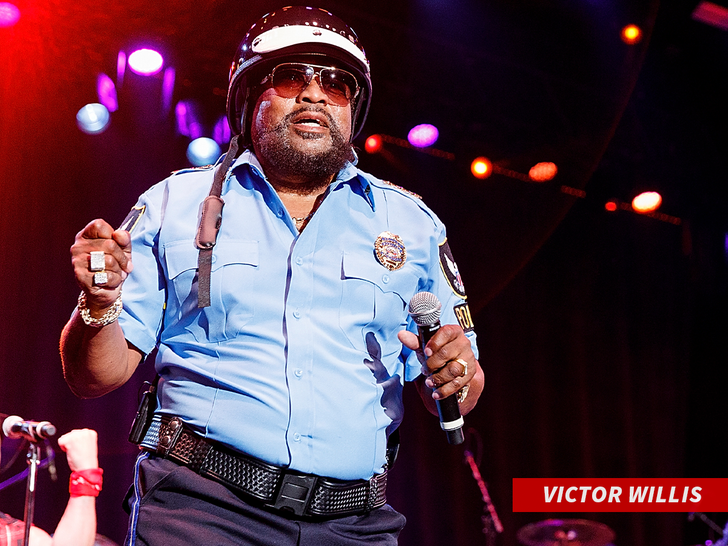
The music world is in mourning following the announcement of the passing of Victor Willis, the iconic lead singer and co-founder of the legendary disco group Village People, who died on Monday, July 1, 2026, at the age of 74. His wife, Karen Willis, confirmed his death through a heartfelt post on his official Facebook page, stating he succumbed to "a short but aggressive illness." The specific cause of death was not disclosed, but the news sent shockwaves through the entertainment industry and among generations of fans who cherished his powerful baritone voice and unmistakable stage presence as the "policeman" character of the globally renowned ensemble. Willis’s contributions as a vocalist and a principal songwriter were instrumental in crafting some of the most enduring anthems of the disco era, leaving an indelible mark on popular culture that continues to resonate decades later.
A Voice That Defined an Era: Victor Willis’s Enduring Legacy
Victor Willis was far more than just a frontman; he was the authentic voice and a creative force behind the Village People’s unprecedented success. His powerful vocals anchored hits like "Y.M.C.A.," "Macho Man," "Go West," and "In The Navy," songs that transcended musical genres and became synonymous with celebration, freedom, and an infectious sense of fun. Born on July 1, 1951, in Harlem, New York, Willis possessed a natural charisma and a vocal range that made him perfectly suited to lead a band designed to captivate audiences with its larger-than-life personas and catchy, danceable rhythms. His passing marks the end of an era for many who grew up dancing to the Village People’s tunes, but his musical legacy, characterized by joy and a unique theatricality, is firmly cemented in the annals of music history. The outpouring of grief and tributes from fans and fellow musicians across social media platforms immediately underscored the profound impact he had on millions worldwide.
Early Life and the Spark of Stardom
Victor Willis’s journey into music began in the vibrant, culturally rich atmosphere of Harlem. From a young age, he was immersed in gospel music, rhythm and blues, and soul, which profoundly shaped his vocal style and stage presence. Before the Village People, Willis honed his craft performing in various local groups and on Broadway, where he landed roles in productions such as "The Wiz." This theatrical background proved invaluable, providing him with the stage command and dramatic flair that would become hallmarks of his Village People persona. His early experiences not only showcased his raw talent but also instilled in him a professional discipline and an understanding of how to connect with an audience, laying the groundwork for the global phenomenon he was destined to co-create.
The Birth of a Phenomenon: Village People’s Genesis
The genesis of the Village People in 1977 was a serendipitous meeting of creative minds. French producers Jacques Morali and Henri Belolo, impressed by Willis’s distinctive voice and macho image from his Broadway performances, envisioned a group that would embody various American masculine archetypes, initially targeting the burgeoning gay disco scene. Willis was recruited as the lead singer and quickly became central to the project, not only lending his powerful vocals but also co-writing many of the group’s most iconic songs. Morali’s vision, combined with Willis’s songwriting prowess and stage persona, quickly solidified the band’s concept. The group’s name itself was a nod to New York City’s Greenwich Village, a well-known hub for gay culture. The original lineup, carefully curated, saw Willis adopt the persona of a police officer, a role he embraced with characteristic energy and theatricality. The fusion of catchy disco beats, humorous lyrics, and distinctive costumes created an instant sensation, distinguishing them from other acts of the era.

Disco Dominance: The Village People’s Golden Age
The late 1970s saw the Village People explode onto the global music scene, becoming one of the most commercially successful and culturally significant acts of the disco era. Their debut album, Village People, released in 1977, introduced their unique sound, but it was the subsequent albums, Macho Man (1978) and Cruisin’ (1978), that propelled them to superstardom. "Macho Man" became their first major hit, setting the stage for the unparalleled success of "Y.M.C.A." Released in 1978, "Y.M.C.A." was more than just a song; it was a cultural phenomenon. Its simple, infectious choreography, universally recognizable melody, and uplifting lyrics made it an anthem played at sporting events, weddings, and parties across the globe. It peaked at number 2 on the Billboard Hot 100 in early 1979 and became a number 1 hit in numerous countries, selling over 10 million copies worldwide.
Beyond "Y.M.C.A.," hits like "In The Navy" (1979), which even received support from the U.S. Navy for its recruitment efforts, and "Go West" (1979) solidified their status as disco legends. Their albums consistently charted high, with Cruisin’ reaching number 3 on the Billboard 200. The band’s flamboyant costumes—policeman, construction worker, cowboy, G.I., leather man, and Native American chief—became instantly recognizable symbols, contributing to their iconic status. They toured extensively, performing to sold-out arenas and captivating audiences with their high-energy shows and engaging stage presence. The Village People’s influence extended beyond music, with appearances in films like Can’t Stop the Music (1980) and numerous television shows, cementing their place as pop culture icons. Their music, while rooted in disco, showcased a blend of funk, pop, and theatricality that appealed to a diverse demographic, proving their universal appeal.
Behind the Uniforms: Songwriting and Creative Control
While the Village People’s image and sound were largely shaped by producers Morali and Belolo, Victor Willis’s role as a principal songwriter was crucial to the group’s lyrical depth and enduring appeal. He co-wrote many of the group’s biggest hits, contributing significantly to the narratives and themes that resonated with millions. His lyrical contributions, often imbued with a sense of camaraderie, strength, and exuberance, were perfectly aligned with the band’s macho yet playful aesthetic. The authenticity he brought to the songs, drawing from his own experiences and observations, helped to ground the theatricality of the group. This creative input made him indispensable to the Village People’s artistic integrity and commercial success, a fact that would become a point of contention later in his career regarding intellectual property rights. Willis’s ability to craft catchy, memorable tunes with meaningful, albeit often lighthearted, lyrics was a testament to his versatile talent as an artist.
A Tumultuous Departure and Legal Battles
Despite the group’s phenomenal success, internal tensions and disputes over creative control and financial compensation began to emerge. In 1980, at the height of their fame, Victor Willis made the difficult decision to leave the Village People. This departure marked a significant turning point for the band, as Willis’s distinct voice and songwriting contributions were deeply embedded in their identity. His initial reasons for leaving were reportedly rooted in creative differences and a desire for greater artistic autonomy, alongside frustrations over the management of the group’s finances and songwriting credits.
Following his departure, Willis embarked on a protracted legal battle concerning the ownership and administration of the copyrights to the songs he co-wrote. This was a landmark case in the music industry, as it challenged the conventional wisdom of producer and label control over artists’ intellectual property. Under the 1976 Copyright Act, artists could reclaim their copyrights after a certain period. Willis, as an author of the works, sought to exercise his termination rights. The legal proceedings were complex and spanned several years, highlighting the often-contentious relationship between artists and the corporate structures of the music business. Eventually, a significant ruling in his favor in 2012 reaffirmed his 50% ownership of the copyrights to 33 Village People songs, including the monumental "Y.M.C.A." and "Macho Man." This victory was not only a personal triumph for Willis but also a crucial precedent for other artists seeking to reclaim their creative legacies, underscoring the importance of fair compensation and recognition for songwriters. During his hiatus from the group, Willis pursued other musical projects, though none achieved the same level of global recognition as his work with the Village People.
The Prodigal Son Returns: A Resurgence in the Modern Era
After years away from the spotlight and a successful resolution to his legal battles, Victor Willis made a triumphant return to the Village People in 2017. His rejoining the group was met with immense enthusiasm from fans and critics alike, who recognized the invaluable authenticity and energy he brought back to the iconic ensemble. Willis’s return allowed the band to tour with its original lead vocalist and a renewed sense of purpose. This reunion demonstrated the enduring power of the Village People’s music and the irreplaceable role Willis played in its creation and performance. The reformed group continued to perform their classic hits to new generations, proving the timeless appeal of their brand of infectious disco. Willis’s decision to return was driven by a desire to once again share his music directly with the fans and to ensure the legacy of the Village People continued to thrive with its most recognizable voice at the helm.
"Y.M.C.A." and its Unforeseen Political Chapter
In the later years of his career, Victor Willis and the Village People’s most famous anthem, "Y.M.C.A.," found itself unexpectedly thrust into the political arena. The song became a staple at rallies for former President Donald Trump, who frequently concluded his events with the track, often performing its iconic arm movements alongside his supporters. This association sparked widespread discussion and, at times, controversy.
Willis, while maintaining that the song was non-political and universally appealing, acknowledged the unexpected turn of events. In January 2025, he notably performed "Y.M.C.A." at a pre-inauguration rally for President Trump, a moment that garnered significant media attention. Willis often emphasized the song’s original intent as a celebration of fun and camaraderie, rather than a political statement. He expressed a pragmatic view, noting that the song’s widespread adoption, regardless of the context, only further cemented its status as a global phenomenon. His willingness to engage with the song’s evolving public life underscored his belief in its enduring power to bring people together, even amidst differing viewpoints. This period highlighted the remarkable adaptability of "Y.M.C.A." and its capacity to resonate across various cultural and political landscapes, far beyond its initial disco origins.
A Final Interview: Reflecting on an Iconic Anthem
Just months before his passing, in February 2025, Victor Willis participated in what would be one of his final public reflections on his career and the lasting impact of "Y.M.C.A." He appeared on the "2 Angry Men" podcast with Harvey Levin and Mark Geragos, where he delved into the phenomenon of the song and its surprising adoption by political figures. During the interview, Willis offered insights into the creative process behind the anthem, its journey from disco hit to universal party song, and his perspective on its appropriation by diverse audiences. He spoke candidly about the song’s evolution, maintaining his stance that its message transcended any specific interpretation and belonged to everyone who found joy in it. This interview provided fans with a poignant glimpse into the mind of the man behind the iconic voice, showcasing his wit, wisdom, and enduring pride in the music he helped create. His reflections underscored his understanding of music’s power to connect people and its ability to take on new meanings over time, a testament to the timeless nature of "Y.M.C.A."
Tributes Pour In for a Cultural Icon
Upon the news of Victor Willis’s death, tributes began to pour in from across the globe, reflecting the widespread admiration for his talent and his significant contribution to music. His wife Karen’s initial Facebook post, though brief, conveyed the deep personal loss, setting the tone for a wave of public mourning. Fellow musicians, industry executives, and countless fans took to social media to share their condolences and memories. Artists from various genres acknowledged Willis’s influence on their own work and the broader cultural landscape. Many recalled the joy and liberation they felt dancing to Village People songs, highlighting the enduring escapism and celebratory spirit of their music. The official accounts of other iconic disco and pop acts also shared messages of remembrance, underscoring the collective grief within the music community. Fans shared personal anecdotes of attending Village People concerts, performing the "Y.M.C.A." dance at parties, and the profound impact the songs had on their lives, solidifying Willis’s status as a beloved cultural icon whose legacy will continue to inspire generations.

The Indelible Mark: Victor Willis’s Place in Music History
Victor Willis leaves behind an indelible mark on music history. His powerful baritone, charismatic stage presence, and significant songwriting contributions were foundational to the Village People’s success and their enduring appeal. He was a pioneer in creating a distinctive brand of theatrical disco that transcended genres and became a global phenomenon. The Village People’s music, under Willis’s vocal leadership, not only dominated the charts but also played a crucial role in the broader cultural tapestry of the late 1970s and beyond, influencing fashion, dance, and social expression.
His battles for artists’ rights set a precedent, empowering creators to reclaim their intellectual property and ensuring fair recognition for their work. Willis’s unwavering commitment to his craft and his readiness to embrace the evolving interpretations of his most famous songs demonstrated a profound understanding of music’s capacity to adapt and unite. While the specific cause of his aggressive illness remains private, his public life was one of vibrant performance and unwavering dedication to his art. Victor Willis will be remembered not only as the "policeman" of the Village People but as a true musical legend whose voice and vision brought joy, unity, and an undeniable zest for life to millions around the world. His legacy, steeped in disco’s golden era and beyond, will undoubtedly continue to inspire and entertain for decades to come.