


The global streaming market in 2026 continues to undergo a significant shift as platforms prioritize curated, high-concept content over sheer volume, reflecting a maturing audience that demands both historical depth and innovative storytelling. As temperatures rise during the current summer season, major streaming services including Netflix, Prime Video, Hulu, and the Criterion Channel have pivoted toward a diverse array of releases ranging from stop-motion masterpieces to unsettling psychological horrors and digitally-native independent successes. This transition highlights a broader industry trend: the integration of international animation and the re-evaluation of late 20th-century science fiction in the context of modern ecological and technological crises.
New Horizons in International Animation: The Case of I Am Frankelda
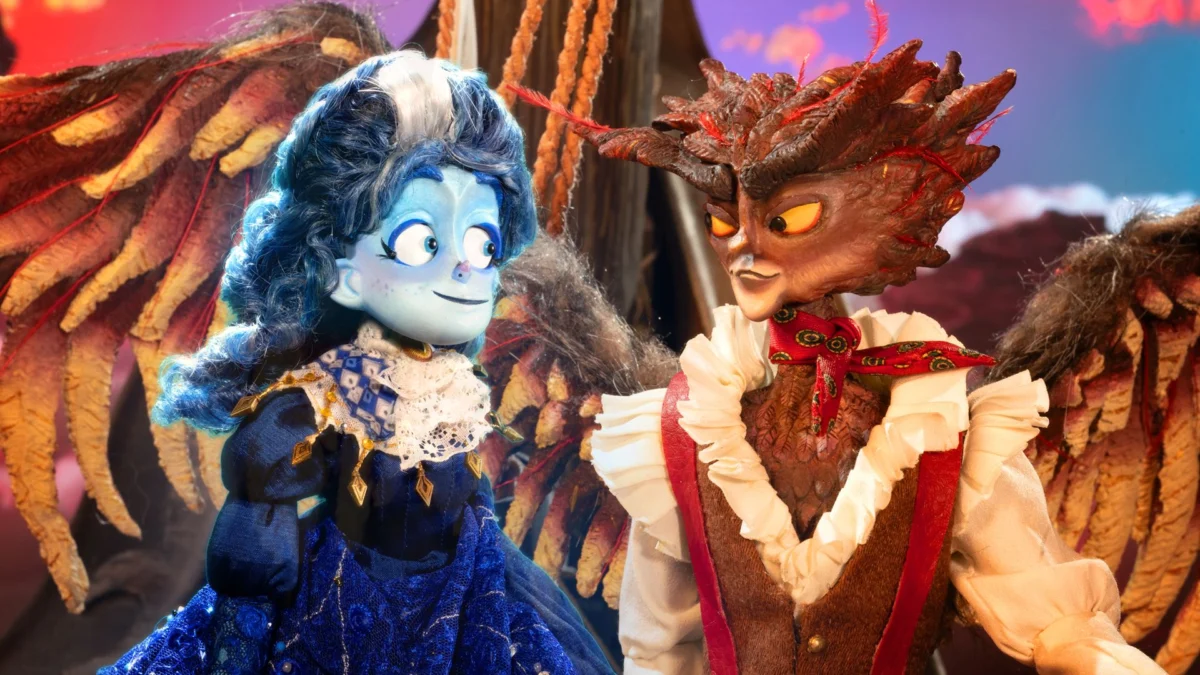
A primary highlight of the current streaming cycle is the debut of I Am Frankelda on Netflix. This production represents a landmark in Latin American cinema, serving as Mexico’s first feature-length stop-motion animated film. Directed by Roy and Arturo Ambriz of Cinema Fantastico, the film follows the narrative established in the successful short-form series of the same name. Set in the late 19th century, the story centers on Francisca Imelda, an aspiring author of macabre tales who enters the realm of Topus Terrentus to serve as a "nightmare teller."
The film’s production involved over two years of meticulous stop-motion work, a medium that has seen a resurgence in 2026 as an "authentic" alternative to generative AI-produced visuals. Industry analysts note that I Am Frankelda successfully bridges the gap between folklore-driven storytelling and the high-production standards of Western studios like Laika. By blending the aesthetics of The Nightmare Before Christmas with the dark surrealism of Pan’s Labyrinth, the film secures Mexico’s position as a burgeoning hub for sophisticated, adult-oriented animation.
The Lanthimos-Stone Collaborative Era: Poor Things and Beyond
The arrival of Poor Things on Netflix marks the continuation of one of the most significant director-actor partnerships of the decade: Yorgos Lanthimos and Emma Stone. Following the release of Bugonia, Poor Things serves as a surrealist reimagining of Mary Shelley’s Frankenstein, based on the 1992 novel by Alasdair Gray. The film explores the journey of Bella Baxter, a woman reanimated with the brain of an infant, as she navigates the complexities of human philosophy, sexuality, and social structures in a stylized, Victorian-era Europe.
The film’s success on streaming platforms follows its previous accolades in the theatrical circuit, where it was praised for its visual lavishness and Stone’s transformative performance. The partnership between Lanthimos and Stone has become a case study for "prestige-weird" cinema—content that is avant-garde in nature yet possesses enough star power and narrative momentum to achieve mainstream saturation. In 2026, this genre has become a vital pillar for Netflix as it seeks to maintain its subscriber base against niche competitors.
Technological Prescience and the Legacy of A.I. Artificial Intelligence
The re-release of Steven Spielberg’s A.I. Artificial Intelligence on Hulu provides a timely opportunity for critical re-evaluation. Originally released in 2001 and developed from a project initiated by Stanley Kubrick, the film adapts Brian Aldiss’s 1969 short story, "Supertoys Last All Summer Long." In the year 2026, the film’s depiction of rising sea levels, the collapse of coastal cities (specifically New York), and the ethical quandaries of sentient machines no longer feels like distant science fiction.
The narrative follows David, a "mecha" programmed to love, as he seeks to become a "real boy" to win back the affection of his human mother. In the current era of advanced large language models and the integration of humanoid robotics into domestic spheres, the film’s central question—whether a machine’s love is valid if it is programmed—has transitioned from philosophical speculation to a matter of legal and social debate. Spielberg’s blend of Kubrickian cynicism and his own trademark sentimentality creates a friction that resonates more profoundly with 2026 audiences than it did a quarter-century ago.
Chronology of Key Cinematic Milestones and Releases
To understand the current streaming landscape, it is necessary to examine the timeline of these properties and their evolution into the 2026 catalog:
- 1962–1964: The original James Bond trilogy (Dr. No, From Russia With Love, Goldfinger) establishes the blueprint for the modern action thriller and the concept of a cinematic franchise.
- 1988–1991: Bill & Ted’s Excellent Adventure and Bogus Journey introduce a unique brand of optimistic sci-fi comedy that would eventually conclude with a 2020 sequel.
- 2001: A.I. Artificial Intelligence debuts to polarized reviews, eventually becoming a cult classic for its prophetic environmental themes.
- 2023: The Amazing Digital Circus debuts on YouTube, garnering hundreds of millions of views and signaling a shift in how intellectual property is developed outside the studio system.
- 2023: Willis "Blue Scuti" Gibson becomes the first human to "beat" the NES version of Tetris, an event that serves as the climax for the documentary Blue Scuti: Tetris Crasher.
- 2026: These disparate elements converge on streaming platforms, representing a mix of historical preservation and the elevation of digital-first content.
Market Data and Audience Engagement Trends
Data from the first half of 2026 indicates a 14% increase in the consumption of "legacy catalogs"—films older than 20 years—compared to 2024. This trend is driven by what market researchers call "contextual nostalgia," where viewers return to older films to find parallels with modern crises. For example, viewership for A.I. Artificial Intelligence surged by 22% following recent breakthroughs in affective computing.
Furthermore, the inclusion of the Bill & Ted trilogy on Prime Video aligns with a documented rise in "optimistic escapism." Despite the "unseasonable chill" of the horror offerings, there remains a high demand for content that emphasizes social cohesion, as exemplified by the films’ "Be excellent to each other" mantra. On the Criterion Channel, the restoration of early Bond films has attracted a younger demographic interested in the history of cinematography and the evolution of the "spy" archetype during the Cold War.
The Rise of Independent Digital Media: From YouTube to Theatrical Features
Perhaps the most significant development in the 2026 media landscape is the release of The Amazing Digital Circus: The Last Act. What began as an independent web series created by Gooseworx and produced by Glitch Productions has evolved into a global phenomenon. The series, which focuses on humans trapped in a digital void by an erratic AI named Caine, successfully transitioned from a viral YouTube hit to a theatrical event and now a cornerstone of streaming services.
The success of The Last Act demonstrates the "democratization of the blockbuster." Unlike traditional studio-led projects, The Amazing Digital Circus was built through direct audience engagement and crowdfunding. Industry experts suggest that the "Digital Circus model" will likely become the standard for independent creators seeking to bypass the traditional Hollywood gatekeeping system. The film’s exploration of digital identity and the loss of privacy in a virtual environment mirrors the real-world concerns of the 2026 "metaverse" generation.
Supporting Data: Streaming Platform Performance (Q2 2026)
| Platform | Key Focus Area | New Subscriber Growth | Featured Title |
|---|---|---|---|
| Netflix | Global Animation / Prestige Drama | +3.2 Million | I Am Frankelda / Poor Things |
| Prime Video | Legacy Franchises / Comfort TV | +2.8 Million | Bill & Ted Trilogy |
| Hulu | Sci-Fi Re-evaluations | +1.5 Million | A.I. Artificial Intelligence |
| Criterion | Historical Restoration | +0.9 Million | Classic James Bond |
| Shudder | Psychological / Gothic Horror | +1.1 Million | The Voices of Our Mother |
Industry Responses and the Future of Curation
In a statement regarding the current lineup, a spokesperson for Glitch Productions noted, "The success of The Amazing Digital Circus proves that audiences are no longer looking for the safest narrative; they are looking for the most daring one. Whether it’s a jester trapped in a computer or a woman with an infant’s brain, the 2026 viewer is comfortable with the surreal."
Similarly, curators at the Criterion Channel have emphasized the importance of presenting films like Dr. No and From Russia With Love not just as entertainment, but as historical artifacts. "We are seeing a generation that wants to understand the ‘why’ behind the ‘what,’" a representative stated. "They want to see the original Bond to understand how the tropes of 2026 action cinema were first forged."
Final Implications for the 2026 Media Landscape
The current selection of films across major streaming services suggests a landscape that is increasingly comfortable with ambiguity and complexity. From the slow-burn horror of The Voices of Our Mother, which uses the framework of dementia to explore familial trauma, to the documentary Blue Scuti: Tetris Crasher, which treats high-level gaming as a poignant human struggle, the medium of film is being used to interrogate the boundaries of human capability and emotion.
As the industry moves toward the latter half of the decade, the integration of indie-digital projects with high-budget studio prestige and restored historical classics creates a robust, albeit fragmented, ecosystem. For the consumer, this means a wealth of options that are no longer dictated by seasonal "blockbuster" schedules, but by a continuous flow of high-quality, intellectually stimulating content. The 2026 streaming summer may be "chilly" in its themes, but it represents a high-water mark for the variety and depth of the cinematic experience at home.