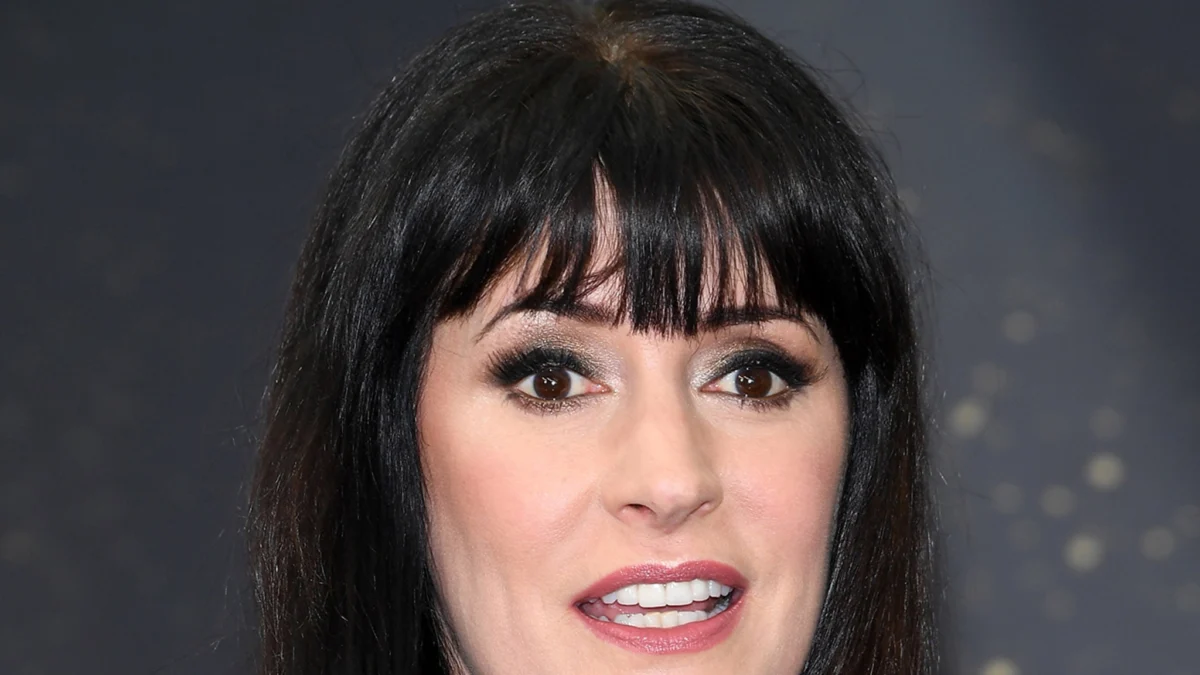
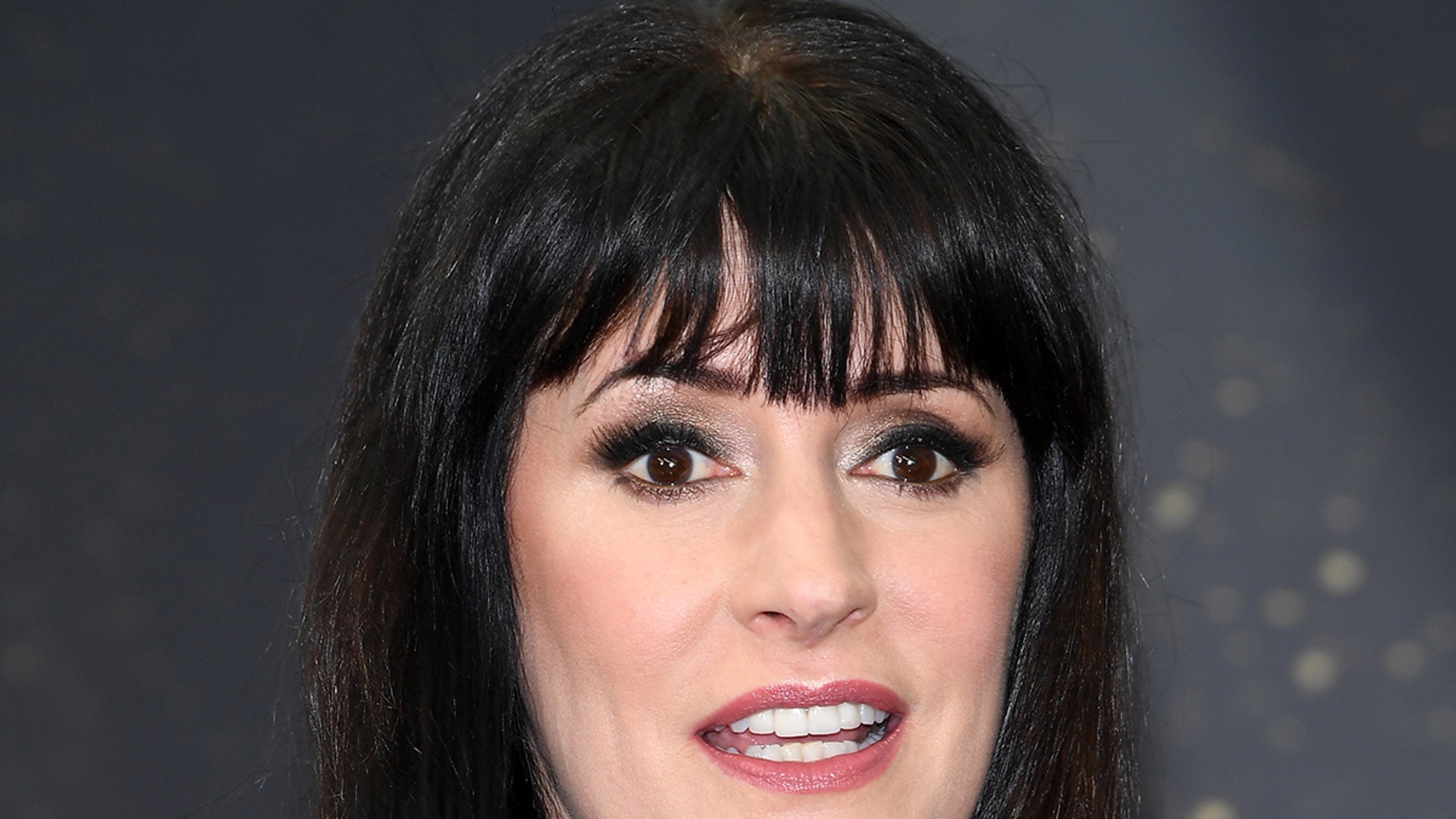
A public spat erupted online this past weekend involving veteran actress Paget Brewster, known for her long-standing role in the "Criminal Minds" franchise, and Shealyn Scott, a senior writer for the prominent entertainment news outlet Screenrant. The confrontation stemmed from Scott’s critical review of "Criminal Minds: Evolution," prompting a swift and sharply worded rebuke from Brewster on social media, which was subsequently followed by a public apology from the actress. This incident has reignited discussions within the entertainment industry regarding the complex relationship between creators, critics, and the burgeoning landscape of streaming television.
An Unforeseen Online Confrontation
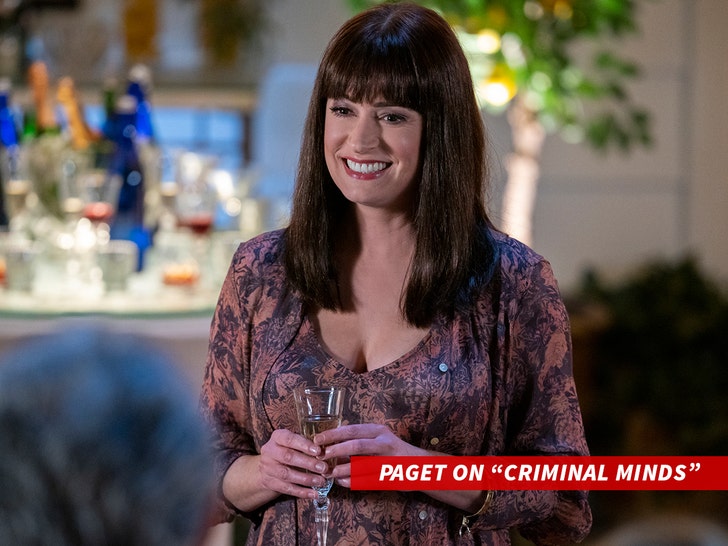
The incident began to unfold when Paget Brewster, who portrays Emily Prentiss in the "Criminal Minds" universe, took to the social media platform X (formerly Twitter) to express her strong disapproval of an article penned by Shealyn Scott for Screenrant. Scott’s review, titled "Paramount+’s Criminal Minds Format Change Finally Backfires," offered a critical perspective on the recent iteration of the beloved crime drama, which transitioned from a long-running network series on CBS to a streaming exclusive on Paramount+. Brewster’s initial reaction was notably severe, accusing Scott of potentially jeopardizing the livelihoods of hundreds of industry professionals and suggesting the critic pursue alternative career paths. This uncharacteristically harsh public statement from Brewster quickly garnered significant attention, setting the stage for a broader conversation about professional conduct in the digital age.
The Genesis of the Critique: "Criminal Minds: Evolution" and Streaming Shifts
Shealyn Scott’s article for Screenrant focused primarily on the structural changes implemented for "Criminal Minds: Evolution" on Paramount+. Her central critique revolved around the show’s shift from its traditional 20-plus episode seasons on network television to a more condensed 10-episode format for streaming. Scott argued that this format change, while common for streaming originals, ultimately "backfired" for "Criminal Minds," suggesting it negatively impacted the show’s narrative pacing and overall viewer experience. This assessment falls squarely within the purview of entertainment journalism, where critics evaluate content based on artistic merit, production quality, and audience reception, often comparing new iterations to previous successful formats or industry trends. Screenrant, as a leading online publication dedicated to film, television, and gaming news and reviews, regularly publishes such analyses to inform and engage its vast readership. The publication’s role is to provide informed opinions and critical perspectives, contributing to the discourse surrounding popular culture.
The transition of "Criminal Minds" from CBS to Paramount+ as "Criminal Minds: Evolution" in November 2022 marked a significant moment for the franchise. After a successful 15-season run on CBS, the show was revived for the streaming platform, reflecting a broader industry trend where established intellectual properties are leveraged to attract subscribers to streaming services. This shift often entails adjustments in episode count, budget allocation, and creative direction, leading to varying critical and audience reactions. Shorter seasons are frequently adopted by streaming platforms, ostensibly to facilitate binge-watching, allow for more focused storytelling, and manage production costs. However, as Scott’s review highlighted, this format does not always translate seamlessly, particularly for shows accustomed to longer, more expansive narrative arcs.
Brewster’s Fiery Retort and the "Bad Pics" Misconception
Paget Brewster’s initial response on X was direct and unreserved. She tweeted, "You’re young. You don’t know that bad pics and bad reviews can lead to 350 people losing their jobs. Sell vintage. Work at a shelter. Do something better than what you do now. Because right now you suck." This statement conveyed a deep sense of frustration and protectiveness over the show and its crew, suggesting a direct causal link between a critical review and potential job losses. While actors and creators often feel a strong emotional connection to their work and the teams behind it, the assertion that a single critical review could directly lead to 350 job losses is a significant claim that requires closer examination within the economic realities of television production. The decision to renew or cancel a series is typically based on a multitude of factors, including viewership numbers, subscriber acquisition rates for streaming platforms, production costs, critical reception across a broader spectrum, and strategic programming decisions by network or platform executives, rather than the isolated opinion of one reviewer.
Brewster’s tweet also referenced "bad pics" used by Screenrant in conjunction with the review. This particular complaint, however, appears to have been misdirected. Industry standard practice dictates that media outlets like Screenrant utilize approved promotional stills and official publicity images provided directly by the network or studio’s public relations department. These images are specifically disseminated for use in articles, reviews, and promotional materials related to the show. Therefore, if there were any perceived issues with the quality or selection of the images, the appropriate channel for concern would typically be the network’s PR team responsible for their distribution, not the individual writer or the publication using them in good faith. This detail underscores a potential misunderstanding of journalistic practices and the operational workflows within entertainment media.
The Swift Public Apology and its Rationale
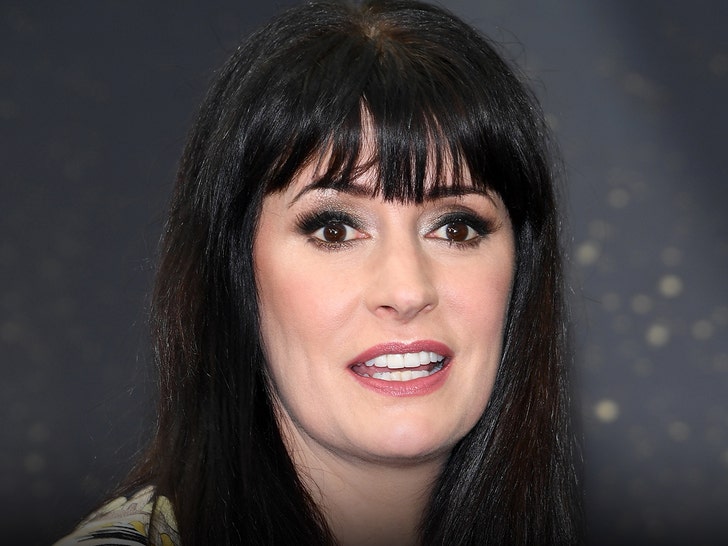
Less than 24 hours after her initial critique, Paget Brewster posted a public apology on X, indicating a swift realization of the impact of her words. On Sunday, she wrote, "Hi guys, I was mean to Shealyn Scott last night and I profoundly regret it. Shame on me for insulting a human being for doing their job. I’m very sorry, Shealyn. And I’m sorry to those who follow me that you saw me behave like that. Turns out, last night, I sucked." This apology was notable for its directness and self-awareness, with Brewster explicitly acknowledging her misstep and taking responsibility for her behavior.
The rapid turnaround from a scathing attack to a sincere apology highlights the intense scrutiny public figures face in the age of social media. In an environment where every tweet can go viral and be dissected instantly, managing one’s public image and addressing controversies promptly has become a crucial aspect of celebrity PR. A swift and unequivocal apology, especially when a mistake is clearly recognized, is often a strategic move to mitigate further damage to one’s reputation and to prevent the narrative from spiraling out of control. Brewster’s apology was praised by many for its humility and for acknowledging the professional integrity of Scott’s work. It also served as a moment for her to reconnect with her fanbase, many of whom might have been surprised or disappointed by her initial outburst.
Broader Industry Context: Actor-Critic Dynamics in the Digital Age
The interaction between Paget Brewster and Shealyn Scott serves as a microcosm of the enduring and often fraught relationship between artists and critics, now amplified by the instantaneous and often unfiltered nature of social media. Historically, critics have played a vital role in the arts, offering analytical perspectives, evaluating quality, and guiding public taste. For artists, who invest immense creative and emotional energy into their work, criticism can be deeply personal, sometimes perceived as an attack rather than an objective assessment.
In the pre-digital era, such exchanges were typically mediated through formal channels, such as letters to the editor or official statements, allowing for a degree of detachment and reflection. Today, platforms like X allow for immediate, unvarnished reactions from public figures, often blurring the lines between professional commentary and personal grievance. This immediacy can lead to regrettable outbursts, as seen in Brewster’s initial tweet. While social media offers unprecedented direct access for artists to engage with their audience and the media, it also comes with the significant responsibility of maintaining professional decorum, even when faced with critiques that sting. The incident underscores the ongoing challenge for public figures to navigate online interactions gracefully, balancing genuine emotional responses with the awareness of their platform and influence.
The Shifting Landscape of Television Production and Criticism
The core of Scott’s critique—the impact of shorter streaming seasons—points to fundamental changes in television production. The shift from traditional broadcast networks to streaming services has brought about new economic models and creative approaches. Network television historically relied on advertising revenue, necessitating longer seasons to provide ample commercial breaks and maintain consistent viewership over many months. Streaming platforms, conversely, operate on subscription models, often favoring shorter, more concentrated seasons designed for binge-watching and to maintain subscriber interest with a steady flow of new content.
These changes have significant implications for both creators and critics. For creators, shorter seasons can offer more creative freedom and tighter narrative arcs, but they can also mean less job security for episodic crew members and potentially less time for character development or expansive world-building, which might be critical for a long-running procedural like "Criminal Minds." For critics, the evaluation criteria must adapt to these new formats. A 10-episode season cannot be judged by the same metrics as a 22-episode season, and critics are tasked with assessing whether the chosen format effectively serves the show’s narrative ambitions and audience expectations. Brewster’s concern for "350 people losing their jobs," while perhaps an overstatement in this specific context, reflects a genuine anxiety within the industry about job security amidst evolving production models and the relentless pressure to perform in a highly competitive streaming market.
Implications for Professional Discourse
The exchange between Paget Brewster and Shealyn Scott offers valuable insights into the dynamics of professional discourse in the digital age. It highlights the importance of empathy and understanding between different roles within the entertainment ecosystem. Critics perform a vital function by holding productions accountable and providing informed perspectives, which can ultimately contribute to a healthier creative environment. Conversely, creators pour immense effort into their work, and their passion can lead to defensive reactions when that work is critiqued.
This incident, concluding with a public apology, serves as a reminder of the power of words and the responsibility that comes with a public platform. It reinforces the notion that even in moments of frustration, respectful engagement is paramount for fostering constructive dialogue. While the immediate tension between Brewster and Scott may have subsided with the apology, the broader questions about actor-critic relations, the impact of streaming on television production, and the etiquette of online interactions for public figures will continue to be debated within the ever-evolving landscape of entertainment media. The episode ultimately underscores the ongoing challenge of navigating professional disagreements in an era where every reaction is instantly public and permanently recorded.