


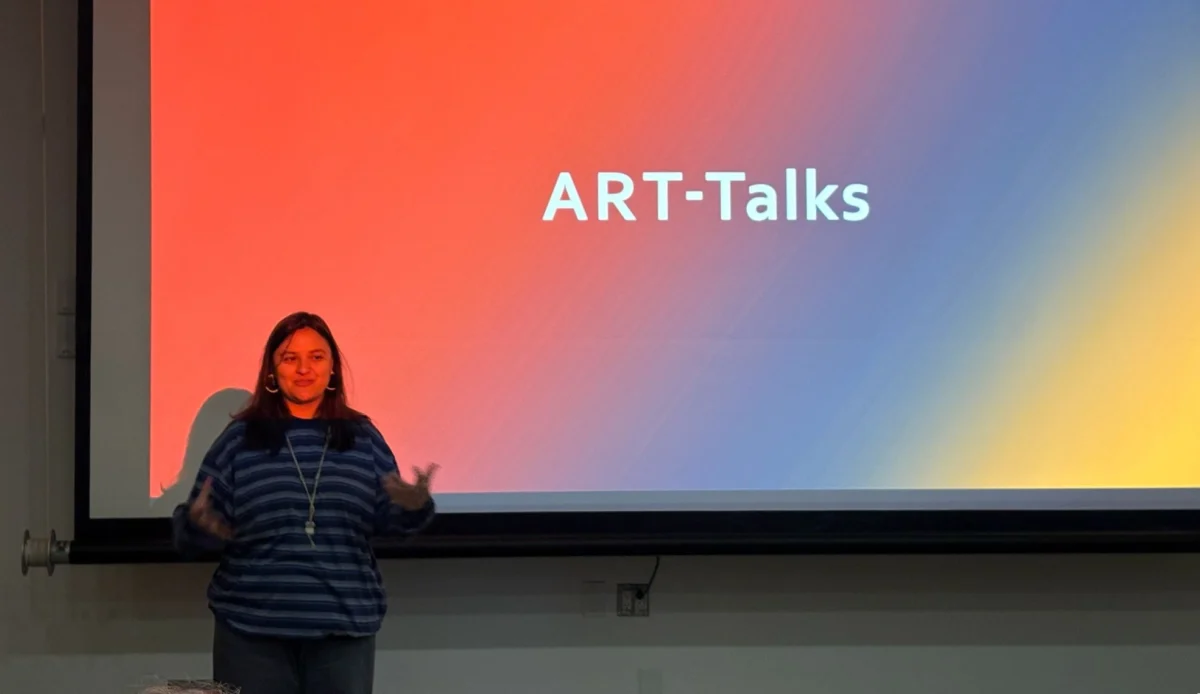
Claudia Tuyet Scheffel, a distinctive voice in contemporary filmmaking, is garnering international attention with the screening of her latest work, "Lonig & Havendel," at the Montreal Asian International Film Festival. Scheffel, whose creative output includes the 2020 film "Amputierte Arschbacken," has carved a niche for herself by exploring complex themes of identity, migration, and belonging through a uniquely personal lens. Born in East Germany to a Vietnamese contract worker mother and a German father, Scheffel’s upbringing in the historically rich Erz Mountains region has profoundly shaped her artistic vision, culminating in her studies at the prestigious University of Fine Arts Hamburg.
The Montreal Asian International Film Festival, a significant platform for showcasing Asian cinema and fostering cross-cultural dialogue, provides an apt setting for the international premiere of "Lonig & Havendel." The festival, which typically features a diverse selection of films ranging from established directors to emerging talents, aims to connect audiences with narratives that challenge perspectives and illuminate the richness of Asian and diaspora experiences. Scheffel’s presence at the festival offers a valuable opportunity to delve into the inspirations behind her film, her artistic process, and the broader societal implications of her storytelling.
Genesis of a Dual Narrative: From Graduation Project to Feature Film
The genesis of "Lonig & Havendel" can be traced back to Scheffel’s academic journey. The film originated as her graduation project at the University of Fine Arts Hamburg, a period often characterized by intense creative exploration and experimentation. Intriguingly, the initial spark for the project was not a narrative concept but the evocative title itself. Scheffel recounts an early personal experience with allergies to both honey and lavender. This seemingly mundane detail led to a playful manipulation of the words, resulting in the distinctive and memorable title, "Lonig & Havendel." This subtle alteration, she explains, was crucial in introducing the thematic core of duality that permeates the film.
The title’s transformation from the conventional "Honey and Lavender" to "Lonig & Havendel" was more than a linguistic tweak; it became a foundational metaphor for the film’s exploration of disparate yet interconnected worlds. The narrative, as Scheffel elaborates, constantly navigates between different realities, perspectives, and even dimensions of experience. This conceptual framework was meticulously developed throughout her bachelor’s and master’s studies. The academic environment at the University of Fine Arts Hamburg provided a crucial "safety net," enabling Scheffel to undertake the ambitious project of a feature-length film with a degree of freedom from the commercial pressures often faced by independent filmmakers. This supportive structure allowed for the necessary experimentation and iterative development that ultimately shaped "Lonig & Havendel" into its final form. The film’s journey from a conceptual title to a completed feature film underscores Scheffel’s dedication to her craft and her ability to translate personal inspiration into compelling cinematic narratives.
Weaving Personal History into Universal Themes: Migration and Identity in the Erz Mountains
"Lonig & Havendel" is deeply rooted in Scheffel’s personal history, drawing directly from her experiences growing up in the Erz Mountains. The region, with its industrial heritage and complex social fabric, serves as the backdrop for a story that is as much about individual journeys as it is about collective memory and identity. Scheffel’s own background as the daughter of a Vietnamese contract worker and an East German father is central to the film’s narrative. The presence of Vietnamese contract workers in East Germany is a significant, though often under-discussed, aspect of the region’s post-war history, reflecting a period of international labor exchange and its lasting impact on local communities.
Beyond autobiography, Scheffel consciously aimed to elevate the personal narrative to address broader social and political questions. The film’s characters embody diverse migration experiences, offering a nuanced exploration of what it means to navigate multiple cultural landscapes. Duc, for instance, represents a generation that has grown up in Germany, deeply connected to their homeland despite the outward migration of many peers. Truc Lam, on the other hand, embodies the ongoing search for belonging and integration among migrants still finding their footing. The film’s authenticity is further amplified by the inclusion of Scheffel’s own family members in pivotal roles. Her aunt portrays Duc’s mother, her mother lends her voice to Truc Lam’s mother during a phone conversation, and her father appears as a guide in a mine, lending a palpable sense of familial connection and lived experience to the cinematic world. This deliberate integration of real-life relationships injects a profound layer of verisimilitude, allowing the audience to connect with the characters on a deeply human level. The film thus serves as a testament to the power of personal stories to illuminate universal truths about belonging, heritage, and the complexities of navigating one’s place in the world.
The Unspeakable Experience: Bridging the Gap Between East and West German Perceptions
The profound difficulty in articulating certain life experiences is a recurring theme in "Lonig & Havendel," particularly highlighted in the poignant scene where Truc Lam struggles to describe her reality to her mother. This resonates with Scheffel’s observations about the media’s often simplistic portrayal of her native region, the Erz Mountains. Frequently reduced to narratives of right-wing politics and extremism, the media’s representation, Scheffel argues, fails to capture the intricate and deeply personal relationship individuals have with their homeland.
Scheffel’s own move to Hamburg for her studies exposed her to what she perceives as a limited understanding of Eastern Germany prevalent in the western parts of the country. The existence of persistent stereotypes fuels her desire to present a more multifaceted perspective, specifically from a migrant viewpoint within East Germany. She articulates a sentiment common to many who have experienced geographical or cultural displacement: a place can possess flaws and be subject to criticism, yet it can still feel like home. The sting of criticism, she suggests, is amplified when it comes from those with no personal connection to the place. This often leads to an inability to adequately convey the lived reality, as the experience itself becomes the only true interpreter. The film, therefore, acts as an invitation for viewers to engage with the region beyond pre-conceived notions, urging a deeper understanding that can only be truly grasped through direct experience or empathetic engagement with narratives like hers.
Cinematic Language: Visual Storytelling and the Art of Ambiguity
The visual language of "Lonig & Havendel" is a critical component of its narrative power. The cinematography, helmed by Yunus Koylu, is notably vibrant and imbued with a fairy-tale quality, a deliberate choice that complements the film’s exploration of magical realism. Scheffel and Koylu, who have a long-standing collaborative relationship dating back to their film school days, share a similar aesthetic sensibility, which facilitated a fluid and intuitive creative process.
Color plays a significant role, with specific hues assigned to characters to create emotional connections, even when they do not appear together on screen. This chromatic language adds a layer of symbolic depth, enhancing the film’s evocative atmosphere. The visual palette is also influenced by the "dark romance" genre, incorporating elements such as mysterious forests, reflective surfaces, enigmatic figures, and recurring motifs of mortality. These elements, already present in the screenplay, were meticulously translated into visual form by Scheffel and Koylu. Furthermore, the film’s unconventional 14:9 aspect ratio was chosen to evoke the framing of classical landscape paintings, contributing to the film’s timeless and painterly aesthetic. This deliberate choice in visual composition underscores Scheffel’s commitment to creating a film that is not only narratively compelling but also visually immersive and artistically significant.
Artistic Influences: Beyond the Screen
While cinematic influences are evident, Scheffel identifies literature as a more profound source of inspiration. She often characterizes "Lonig & Havendel" as an example of magical realism, where fantastical elements seamlessly integrate into an otherwise realistic world. The film’s thematic resonance has led many viewers to draw parallels with the works of Haruki Murakami and Studio Ghibli’s "Spirited Away," both known for their exploration of parallel worlds and enigmatic narratives.
Scheffel also expresses admiration for Yoko Tawada, a Japanese writer whose work, often penned in German, delves into the intricacies of language and identity. Her appreciation extends to Georgian literature and authors such as Hiroko Oyamada, author of "The Hole," and Elisa Shua Dusapin, particularly her novel "Winter in Sokcho." These writers, in Scheffel’s view, excel at crafting mysterious and captivating atmospheres without resorting to overt fantastical elements. This inclination towards literary depth and nuanced atmosphere is further reflected in Scheffel’s own creative output, as she revealed that she also authored a novel during her bachelor’s studies, demonstrating a consistent engagement with the written word as a primary artistic medium.
Symbolism and Subtext: The Multifaceted Wolf
The wolf emerges as a potent symbol within "Lonig & Havendel," often depicted as a protective entity. Scheffel’s fascination with this image stems from its multifaceted nature, encompassing both political and mythical dimensions. In the German context, discussions surrounding wolves frequently become symbolic proxies for broader debates on migration. The animal’s presence can evoke opposing sentiments: a desire for its protection versus a call for its removal. Scheffel skillfully leverages this societal tension, employing the wolf as a metaphor for the underlying social anxieties and complexities.
Beyond its political connotations, the wolf is a figure deeply embedded in folklore and fairy tales. While capable of inducing fear, it also possesses the capacity to act as a guide. Scheffel notes that earlier drafts of the screenplay featured the wolf leading Truc Lam at the film’s conclusion. However, practical considerations necessitated the removal of this specific scene, underscoring the iterative and adaptive nature of the filmmaking process. The wolf’s symbolic presence, therefore, serves as a potent reminder of the film’s layered meanings, inviting viewers to consider its implications on both a literal and metaphorical level.
Impact and Legacy: Fostering Connection Through Art
Ultimately, Scheffel hopes that "Lonig & Havendel" leaves audiences with a profound emotional and atmospheric resonance. She acknowledges the film’s divisive nature, noting that it elicits strong reactions, either deep appreciation or outright rejection. However, for those who connect with it, the film’s mood and imagery tend to linger long after the screening. While not explicitly designed to engineer political change, Scheffel believes the film can foster a more nuanced understanding of the Erz Mountains region and its diverse communities.
Following the film’s production, Scheffel and her team initiated a series of intercultural workshops within the filming locale. These workshops, encompassing sound design, graphic design, and even karaoke events, aimed to bridge cultural divides between German and Vietnamese participants. One particularly memorable moment, as recounted by Scheffel, was witnessing strangers singing German and Vietnamese songs side by side. This spirit of connection and shared experience, she hopes, is precisely what audiences will carry with them after experiencing "Lonig & Havendel." The film, therefore, stands not only as a work of art but as a catalyst for empathy, understanding, and the forging of new connections across cultural landscapes.