



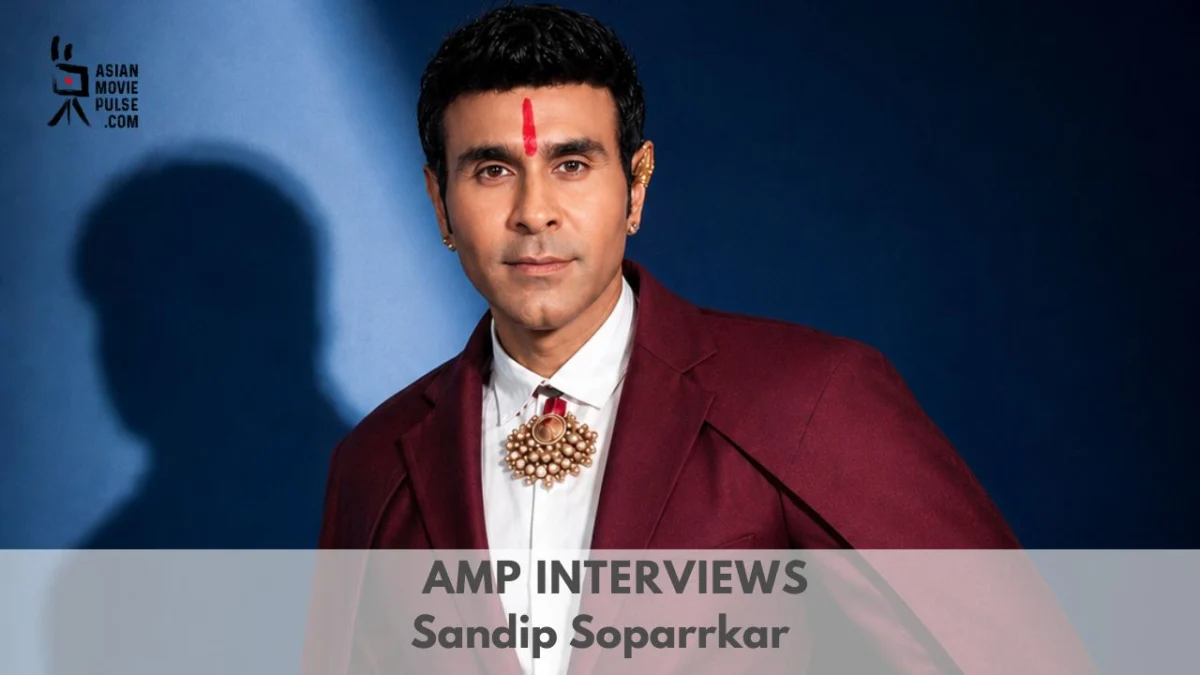
Acclaimed Bollywood choreographer Sandip Soparrkar, speaking from Bishkek, Kyrgyzstan, has offered a comprehensive perspective on the dynamic evolution of dance within Indian cinema. His insights, gleaned from decades of experience, delve into the transformative impact of digital filmmaking, the burgeoning influence of Over-The-Top (OTT) platforms, and the fundamental shifts in Bollywood’s iconic song and dance sequences over the years. Soparrkar’s discourse highlights a notable trend towards increased realism in Indian films, the pervasive integration of Western dance forms like salsa, jazz, hip hop, and contemporary styles, and the sophisticated fusion of these global influences with India’s rich tapestry of classical and folk traditions. The conversation, which took place on the sidelines of the Bishkek International Film Festival, also provided a platform for Soparrkar to articulate his meticulous creative process, from song selection to collaborative dynamics with directors and cinematographers, emphasizing the enduring primacy of music as the genesis of his choreographic endeavors. Further enriching the discussion were his reflections on significant past collaborations, including his work with eminent filmmakers Shyam Benegal and Aruna Raje, poignant memories from the film "Zubeidaa," and his professional admiration for Bollywood stalwarts Hrithik Roshan and Priyanka Chopra Jonas. Soparrkar also shed light on his contributions to notable films such as "Saath Khoon Maaf" and "Holiday," while simultaneously articulating his personal connection with Kyrgyzstan and the enduring, widespread appeal of Bollywood cinema within the Central Asian nation.
The Shifting Sands of Indian Cinema: From Reel to Digital Dominance
Soparrkar’s observations underscore a fundamental metamorphosis in the Indian film industry, a transition that has profoundly impacted choreographic practices. The advent of digital filmmaking has democratized production, enabling greater experimentation and a wider array of visual storytelling techniques. This shift from celluloid to digital has not only streamlined the shooting process but also allowed for more intricate camera work and editing, directly influencing how dance sequences are captured and presented. The enhanced flexibility offered by digital technology permits a more fluid and dynamic portrayal of movement, moving away from the more static and traditionally framed shots of the past.
The rise of OTT platforms represents another seismic change. With the proliferation of streaming services, content consumption patterns have altered dramatically. Audiences are now exposed to a global spectrum of cinematic styles and dance forms, fostering a greater appreciation for diversity and innovation. For choreographers like Soparrkar, this means a heightened expectation for originality and a willingness to incorporate contemporary influences. The intimate viewing experience of streaming also necessitates a nuanced approach to choreography, ensuring that every movement resonates with the narrative and character development on screen, even in large-scale musical numbers.
The Global Infusion: Blending Worlds in Bollywood Choreography
A significant theme in Soparrkar’s analysis is the increasing integration of Western dance styles into the Bollywood lexicon. Forms such as salsa, with its intricate partner work and vibrant energy; jazz, known for its expressive fluidity and rhythmic complexity; hip hop, with its athletic prowess and streetwise flair; and contemporary dance, emphasizing emotional expression and innovative movement, are no longer alien to the Indian film scene. Soparrkar himself has been a pioneer in this fusion, actively incorporating these styles into his work.
This embrace of global dance forms does not, however, signify a departure from India’s rich heritage. Instead, Soparrkar articulates a sophisticated synthesis, where traditional Indian classical and folk dances are seamlessly interwoven with these international styles. This creates a unique cinematic language that is both rooted in Indian cultural identity and universally appealing. For instance, the graceful hand gestures and intricate footwork of Kathak might be complemented by the sharp, percussive movements of hip hop, or the expressive storytelling of Bharatanatyam could be infused with the emotive power of contemporary dance. This cross-pollination results in dance sequences that are not only visually spectacular but also narratively rich and emotionally resonant.
This phenomenon is supported by the growing global recognition of Indian cinema. As Bollywood films reach wider international audiences, there is a reciprocal influence, with foreign viewers developing an appreciation for Indian dance forms, and Indian choreographers drawing inspiration from global trends. This cultural exchange enriches the artistic output, making Bollywood dance a truly global phenomenon.
The Choreographer’s Craft: Music, Collaboration, and Creative Genesis
Soparrkar’s explanation of his choreographic process offers a valuable insight into the meticulous planning and artistic collaboration that underpins cinematic dance. He emphasizes that music remains the immutable starting point of his creative journey. The melody, rhythm, and lyrical content of a song are the primary catalysts for his choreographic vision. This focus on the musical foundation ensures that the dance is intrinsically linked to the narrative and emotional arc of the film.
The selection of songs for choreography is a deliberate process, often involving discussions with the director and music composers. Soparrkar looks for songs that not only possess a strong musicality but also offer opportunities for thematic exploration and character expression through movement. His collaboration extends to cinematographers, where a shared understanding of visual storytelling is paramount. This symbiotic relationship ensures that the camera captures the dance in a way that amplifies its impact, using angles, framing, and movement to enhance the emotional and visual appeal of the sequence.
This collaborative approach is vital in translating a director’s vision into a tangible choreographic reality. Soparrkar’s ability to work effectively with diverse creative minds, including celebrated filmmakers like Shyam Benegal and Aruna Raje, speaks to his adaptability and deep understanding of cinematic storytelling. His experience with filmmakers known for their realistic and nuanced narratives, such as Benegal, often presents unique challenges and opportunities to imbue dance with deeper meaning.
A Legacy of Iconic Works and Enduring Admiration
Soparrkar’s career is marked by memorable contributions to Indian cinema. His recollections of "Zubeidaa," a period drama that delved into the complexities of identity and societal constraints, likely involved choreographing sequences that reflected the era and the protagonist’s emotional journey. His work on "Saath Khoon Maaf," a dark thriller, and "Holiday," an action-romance, demonstrate his versatility in adapting his choreographic style to suit different genres and narrative demands.
His admiration for Hrithik Roshan and Priyanka Chopra Jonas is particularly significant. Roshan is widely regarded as one of Bollywood’s most gifted dancers, whose technical prowess and expressive abilities have set a high benchmark. Chopra Jonas, known for her grace and versatility, has also delivered memorable dance performances throughout her career. Soparrkar’s acknowledgment of their talent underscores the importance of exceptional performers in bringing choreographic visions to life. These artists, through their dedication and skill, have been instrumental in elevating the art of dance in Indian cinema, making them ideal muses and collaborators for choreographers of Soparrkar’s caliber.
Bridging Cultures: Soparrkar’s Connection with Kyrgyzstan
The choice of Bishkek as the venue for this illuminating conversation is not incidental. Soparrkar’s connection with Kyrgyzstan, and his participation in the Bishkek International Film Festival, highlights the global reach and enduring appeal of Bollywood. The festival serves as a vital platform for cultural exchange, showcasing Indian cinema to a new audience and fostering international collaborations.
Soparrkar’s presence and insights at the festival underscore the universal language of dance and its power to transcend geographical and cultural boundaries. The continuing love for Bollywood in Kyrgyzstan, a sentiment echoed by many Central Asian nations, is a testament to the genre’s ability to connect with audiences on an emotional level through its vibrant storytelling, compelling narratives, and, of course, its iconic song and dance sequences. This enduring affection provides fertile ground for further artistic exchange and the exploration of new creative frontiers in choreography and filmmaking.
The implications of Soparrkar’s observations extend beyond the realm of entertainment. They reflect broader societal shifts, including the increasing globalization of culture, the impact of technological advancements on artistic mediums, and the evolving expectations of audiences worldwide. As Indian cinema continues its trajectory on the global stage, the role of choreographers like Sandip Soparrkar in shaping its aesthetic and narrative fabric remains indispensable, ensuring that the art of dance in Bollywood continues to innovate, inspire, and captivate for generations to come.