


The distinctive silhouette of a trench-coated hero, cloaked in shadows and grappling with inner demons, has officially swung onto Prime Video and MGM+ with the premiere of Spider-Noir. This eight-episode live-action drama, based on the Marvel comic Spider-Man Noir, diverges from the typical superhero narrative by centering on Ben Reilly, a weary, down-on-his-luck private investigator in the gritty landscape of 1930s New York. The series forces Reilly to confront a clandestine past as the city’s sole, and perhaps reluctant, superhero. Directed and executive produced by Harry Bradbeer, known for his work on Fleabag and Killing Eve, the initial episodes set a tone that is both familiar and refreshingly novel. Oren Uziel (The Lost City, 22 Jump Street) and Steve Lightfoot (Marvel’s The Punisher, Shantaram) helm the series as co-showrunners and executive producers, collaborating with the visionary team behind Spider-Man: Into the Spider-Verse: Phil Lord, Christopher Miller, and Amy Pascal. Lord and Miller, alongside Aditya Sood and Dan Shear, executive produce through their shingle Lord Miller, with Pascal also contributing as an executive producer via Pascal Pictures. The ambitious production is a product of Sony Pictures Television, delivered exclusively to MGM+ and Prime Video.

The genesis of Spider-Noir lies in a deliberate fusion of two seemingly disparate genres: classic film noir and the vibrant mythology of comic books. This ambitious undertaking was not an afterthought but a foundational concept that guided nearly every creative decision. Co-showrunner Oren Uziel articulated this core vision, stating, " Spider-Noir is a world at the intersection of two genres that have nothing and everything in common. The unexpected pairing of comic-book and noir is what gave this show its beating heart: What if Humphrey Bogart, as Rick, Sam Spade, or Philip Marlowe, just happened to be Spider-Man? From there, it became the driving force of almost every creative and aesthetic choice made during the production of the show." This philosophy permeated the entire production, from the casting of Nicolas Cage in the titular role to the intricate visual design and storytelling.
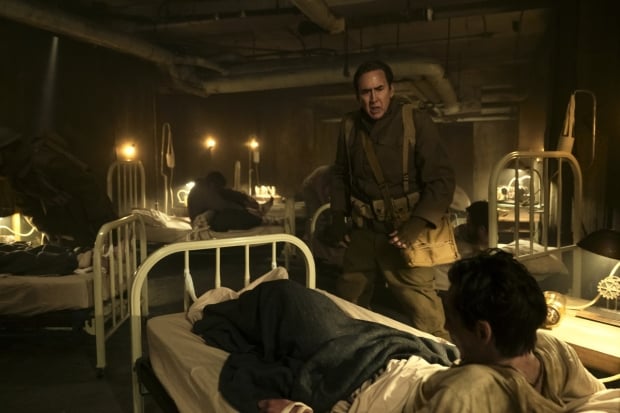
The series’ unique approach immediately captivated Hnedel Maximore, the production visual effects supervisor for Amazon Studios. Upon learning of the project’s greenlight, Maximore proactively sought involvement, recognizing the singular opportunity. “When I heard that this project was moving ahead, I immediately asked my VFX executives at Amazon to please consider me for it,” he told AWN. “I wake up one morning, and I see an NDA and scripts in my inbox. I read them and immediately started putting together a pitch deck for my interview with the showrunners because this project was so unique. Spider-Man is the crown jewel for Sony, and you don’t always get second chances with projects of this size. I wanted to put my best foot forward and make it clear how I saw the show. I started revisiting classic noir films from the show’s bible and also looking at more contemporary work like Perry Mason to understand how a modern neo-noir approach could translate to a superhero series.”
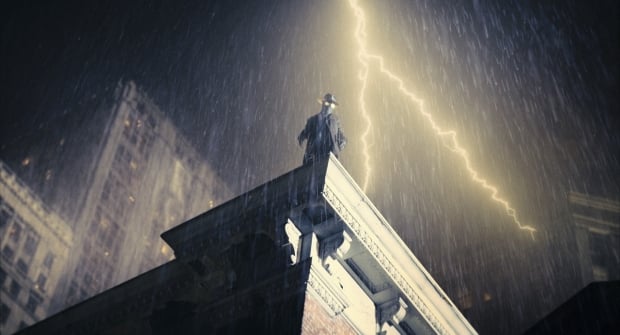
A Noir Foundation: Reimagining a Familiar Hero
The guiding principle for the production, as emphasized by Maximore, was to treat Spider-Noir as a detective story first and foremost, with the superhero abilities serving as an inherent, rather than defining, characteristic. "From the very beginning, our showrunner always said the quick tagline for this show is: Think Humphrey Bogart or Philip Marlowe," Maximore explained. "It’s a noir detective story with some spider abilities. But it’s a noir story first. His spider abilities just happen to be part of who he is. That approach and tone were always at the forefront." This commitment manifested in the visual language, with the production office, including the VFX department, heavily referencing iconic noir films such as The Third Man, Double Indemnity, and Casablanca.
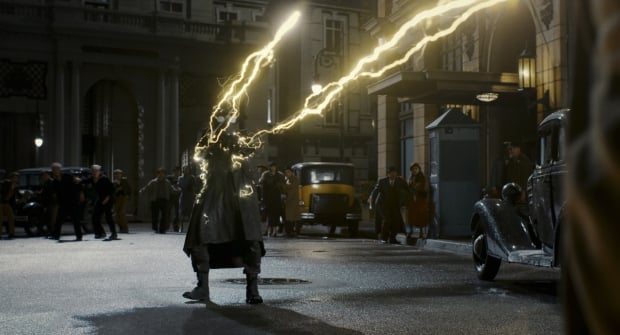
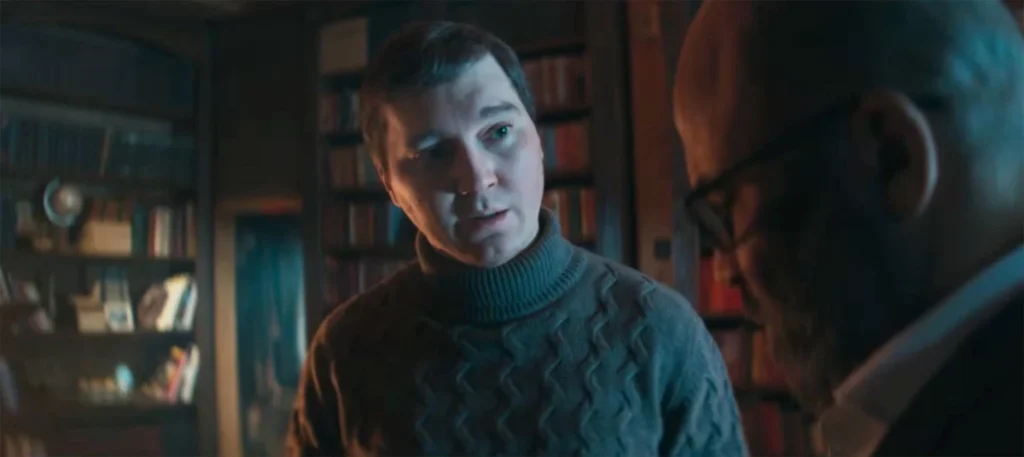
The series stars Nicolas Cage as the aging Ben Reilly, a role that eschews the typical youthful exuberance associated with Spider-Man. Cage is supported by a formidable cast including Lamorne Morris, Li Jun Li, Karen Rodriguez, Abraham Popoola, Jack Huston, and Brendan Gleeson, with notable guest appearances from Lukas Haas, Cameron Britton, and many others. This ensemble cast navigates a narrative that delves into the psychological weight of heroism, the toll of a life dedicated to combating crime, and the personal sacrifices made along the way.
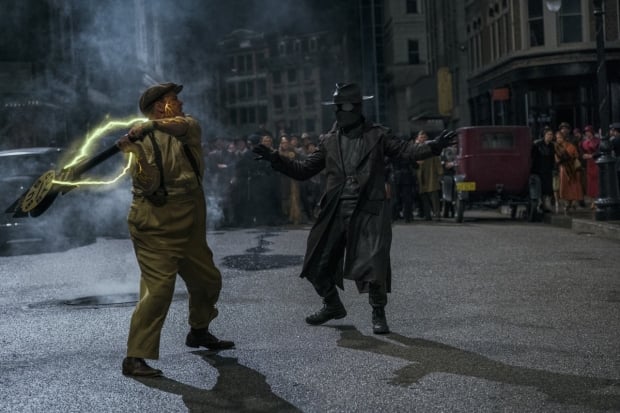
The Dual-Format Challenge: Black-and-White and Color
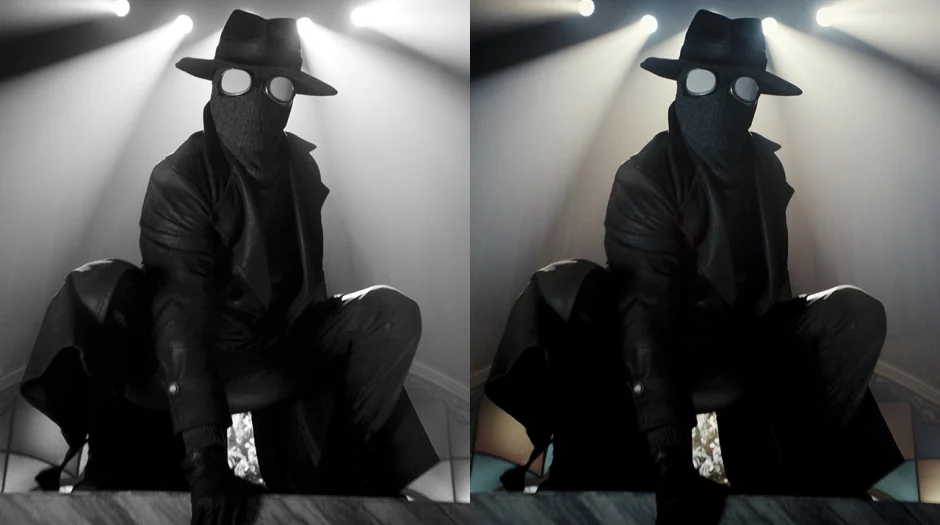
Perhaps the most groundbreaking aspect of Spider-Noir is its ambitious dual-format release, available simultaneously in both black-and-white and color versions. This was not a mere stylistic flourish but a deliberate creative choice conceived from the outset to offer distinct yet complementary viewing experiences. Oren Uziel elaborated on this complex decision-making process: "When faced with the question of color vs. black-and-white, that same core philosophy led us to the solution: What if instead of choosing black-and-white film or color, we could create a print of both? How would that affect our lighting? How would it affect production design? Costumes? By settling on our dual delivery intention early in the prep process, we were able to craft two bespoke formats for the series and open up a vividly creative world that we are excited to introduce to fans and newcomers alike. One, a black-and-white that embraced the chiaroscuro lighting of classic noir and the original comic, and the other, a color palette that combined the vibrancy of Technicolor and the boldness of the modern comic book world."
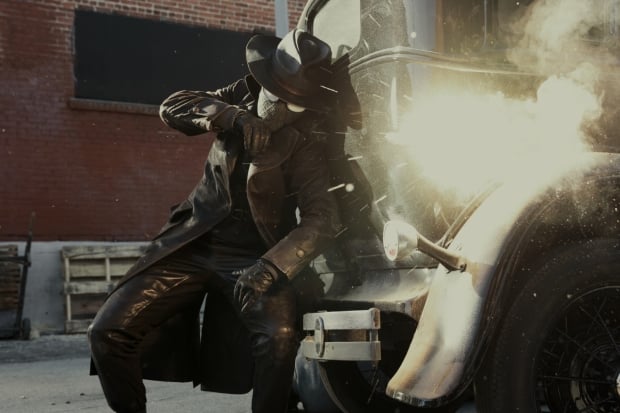
This concept, initially conceived as a deliberate artistic choice, evolved rapidly once production commenced. "It was always meant to be black-and-white," revealed Maximore. "When I started, I was told it would be black-and-white, which from a visual effects standpoint meant we would shoot in color but deliver in black-and-white. Within the first week of production, we were told we were officially doing a dual delivery. Nic Cage and the producers pushed the idea that we didn’t have to commit to one format. We could explore both, and the studio embraced it.” This pivotal shift underscored the collaborative spirit and willingness of the production to push creative boundaries.
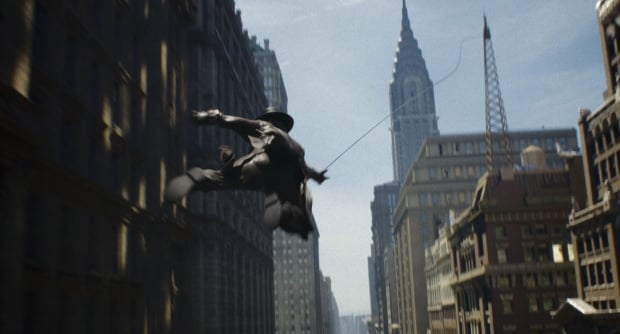
The decision to shoot in color and deliver both versions presented significant technical and artistic hurdles. The team explored the feasibility of shooting natively in monochrome, but the practical complexities for visual effects workflows ultimately steered them towards a color-based production. "We went through an exercise of exploring whether we should shoot in black-and-white,” Maximore stated. “We looked at colorization workflows and realized we were trying to reinvent the wheel. Shooting in black-and-white would create unnecessary complexity for visual effects, requiring more roto work and more difficult keying. Ultimately, we decided to shoot in color and deliver both black-and-white and color versions.”
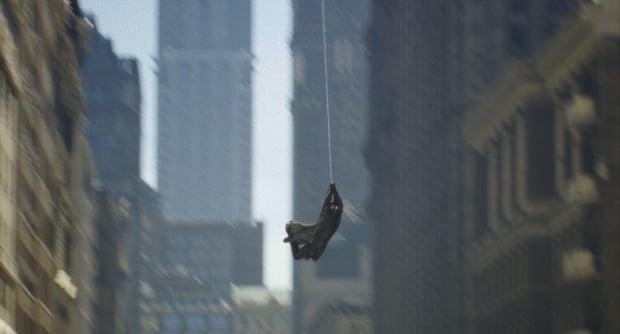
This crucial decision impacted every facet of the production, from cinematography and costume design to the intricate post-production pipelines. Editorial teams reportedly focused on the black-and-white presentation as their primary edit, while the extensive visual effects vendors were tasked with generating multiple iterations of each shot. "Our vendors delivered three versions of every shot: a raw version, a black-and-white version, and a color version," explained Brook Noska, the production visual effects producer. "We reviewed all three. We would examine the raw image first, then the color version, then the black-and-white version to ensure details held up in both. Ultimately, we delivered one final EXR to the colorist, who built separate black-and-white and color timelines from the same final visual effects shot." This meticulous process ensured that neither version felt like an afterthought, with each offering a distinct yet equally compelling visual narrative.
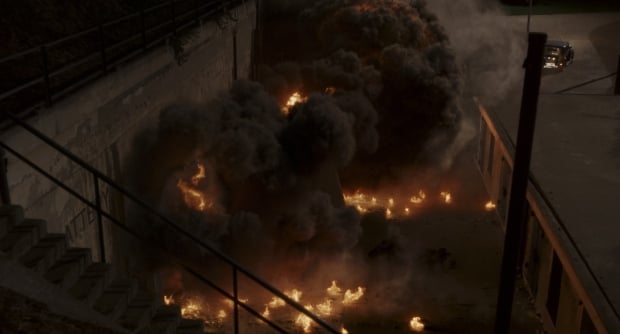
The extensive visual effects work encompassed approximately 3,250 shots across the eight episodes, with a significant portion dedicated to creating seamless, "invisible" effects. The team was responsible for digitally reconstructing 1930s New York City, transforming modern Los Angeles backlots and locations into a historically accurate and atmospheric period setting. This involved the creation of digital matte paintings and intricate 3D set extensions to replace contemporary cityscapes with period-accurate architecture, street details, and atmospheric elements.
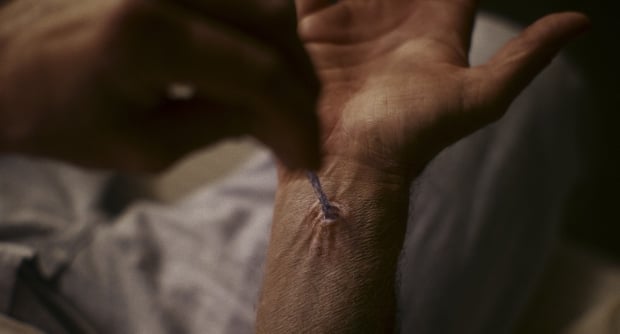
Crafting the Persona: An Aging Spider-Man
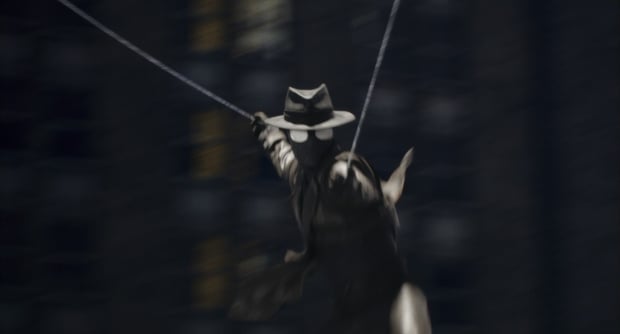
Beyond the environmental reconstruction, the visual effects team focused on imbuing Ben Reilly with a distinct characterization that reflected his advanced age and weary demeanor. "The most exciting part of the visual effects in this show is that it’s not a huge, in-your-face superhero spectacle," Noska commented. "Our visual effects support the story. Spider-Man doesn’t even want to be Spider-Man. A lot of our work was helping create 1930s New York, integrating noir aesthetics, and supporting every department’s vision."
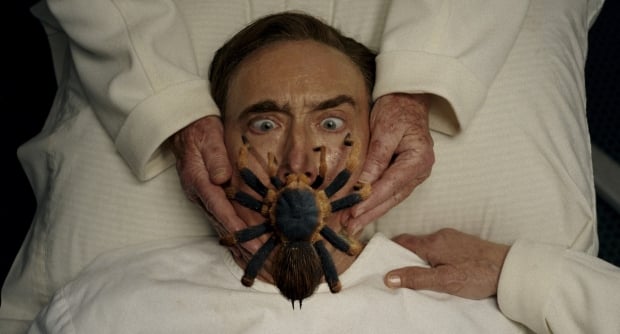
The development of Spider-Man’s web-slinging and overall movement was a key area where the narrative’s emphasis on an older hero came into play. "One of the biggest challenges was maintaining balance," said Maximore. "We had to preserve the noir tone while also supporting a middle-aged Spider-Man who doesn’t really want to do this anymore. Even his web design reflects that personality. We explored many concepts before settling on a combination of an orb-weaver web and a cobweb. We added stray strands and silver highlights, almost like gray hair, because as people age, they get gray hair, so we imagined an aging Spider-Man might have aging webs as well." This detail, seemingly minor, speaks volumes about the character’s world-weariness and the series’ commitment to its unique premise.

Nicolas Cage’s interpretation of Ben Reilly further amplified this grounded approach. Noska highlighted Cage’s understanding of the character’s nuances: "Working alongside Nicolas Cage was both an honor and a responsibility. How many people get to work alongside a powerhouse like Nic Cage? We wanted to make sure everyone understood exactly what we were doing and why. He completely understood the character. This isn’t a youthful superhero. He’s not Tom Holland. He’s not a gymnast by day. He’s a guy who enjoys an old-fashioned and a cigarette. Our job was to amplify that personality. We were able to use practical techniques and traditional filmmaking approaches wherever possible because they served the character and story.” This reliance on practical effects and traditional filmmaking methods, where appropriate, contributed to the series’ authentic noir feel.
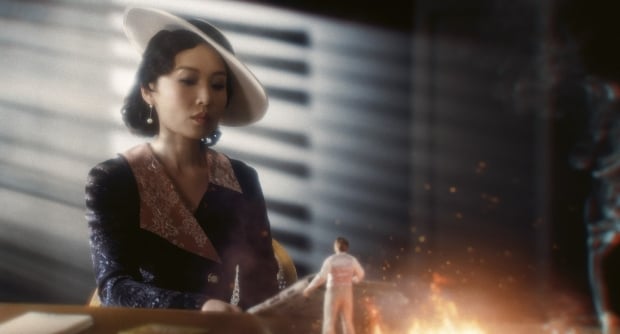
A Collaborative Endeavor: Pre-Production Testing and Atmosphere
The production’s commitment to the dual-format experience extended to extensive pre-production testing. Months before principal photography, the filmmakers meticulously evaluated how various elements would translate across both black-and-white and color presentations. This included scrutinizing costumes, makeup, set decoration, paint colors, and lighting. "Before we even started shooting, we were given time to experiment," Maximore recounted. "We shot a mini noir-inspired film on the Sony lot using wardrobe options, paint swatches, and production design elements. Every department head was invited to the color bay to see how their choices translated into both black-and-white and color presentations. Hair, makeup, costumes, the art department—everyone was able to adjust their decisions months before principal photography began." This proactive approach ensured a cohesive vision and prevented costly or logistically complex adjustments later in the production schedule.
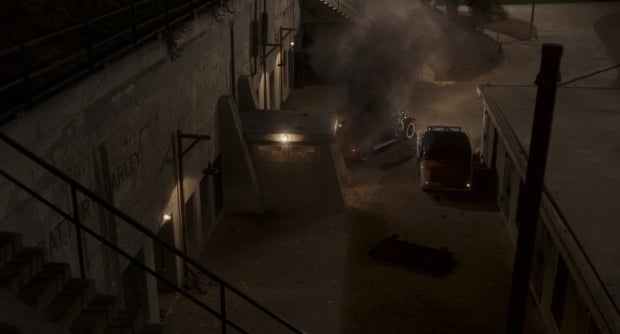
The creation of atmospheric elements, a hallmark of the noir genre, was achieved through a thoughtful integration of practical and digital techniques. The special effects department employed practical methods to generate smoke and haze on set, ensuring a consistent and controlled ambiance. Maximore noted, "A lot of the atmosphere was done practically. Our special effects department filled sets with practical atmosphere, and we were very careful that it remained consistent and controlled. When you’re looking at close-up performances, much of that atmosphere is real. In large city views, bridge sequences, or major visual effects shots, the atmosphere becomes a combination of practical elements and digital effects.” This balanced approach ensured that the atmosphere enhanced the mood without overpowering the performances or becoming overly reliant on digital manipulation.
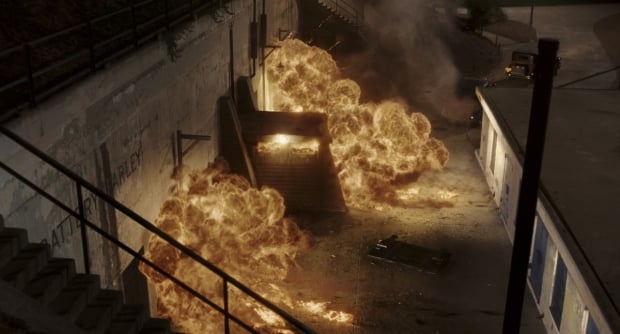
The success of Spider-Noir hinges on its ability to transcend the novelty of its dual-format release and deliver a compelling narrative. The extensive visual effects and meticulous attention to detail in recreating 1930s New York, coupled with the nuanced portrayal of an aging superhero, aim to immerse viewers in a world that is both familiar and refreshingly new. As Noska aptly summarized, "No one has really done a dual-delivery series like this before. That was certainly challenging, but it was also a gift. We approached every aspect of the project with the mindset that audiences should watch both versions because each offers a different experience while telling the same story.”
Oren Uziel echoed this sentiment, expressing confidence in the final product: "I truly believe the end result was worth the immense amount of labor that our entire crew poured into the experiment: two shows that are exactly the same, but offer viewers two unique journeys. We are excited for you to immerse yourself in a world that was so richly and lovingly realized by our amazing cast, led by Nicolas Cage." The series stands as a testament to innovative storytelling and a bold exploration of genre conventions, offering a unique proposition for both long-time fans of Spider-Man and aficionados of classic film noir.