

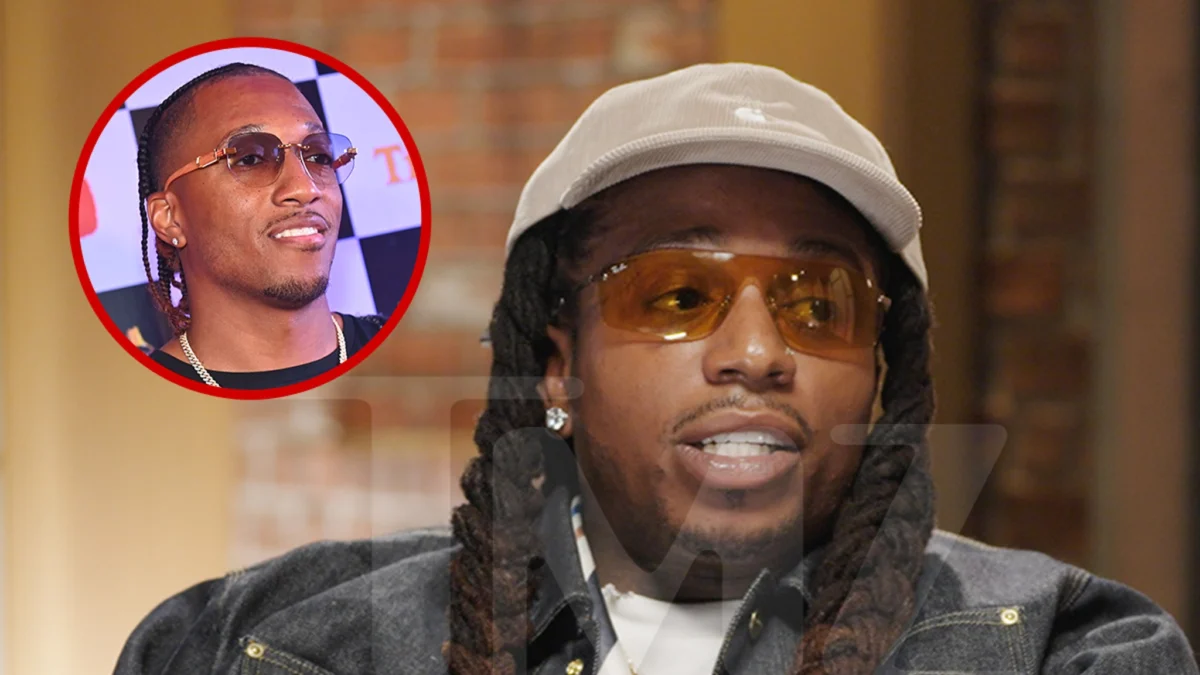
The usually composed R&B artist Jacquees has unleashed a potent verbal counter-attack against Grammy-winning Christian hip-hop artist Lecrae, directly addressing comments Lecrae made regarding Jacquees’ relationship with Deiondra Sanders, daughter of NFL legend Deion Sanders. The dispute, which began with Lecrae’s public expression of disappointment over Deiondra’s choice of partner, escalated significantly when Jacquees, caught during a promotional tour for his new single and forthcoming album "Mood 2," fired back, challenging Lecrae’s right to comment and questioning the spiritual artist’s approach. This incident highlights the often-fraught intersection of celebrity relationships, public opinion, and the varying expectations placed upon figures in different entertainment genres.
The Genesis of the Controversy: Lecrae’s "Wanted More" Comment
The spark for this public feud ignited during a recent podcast appearance by Deiondra Sanders, where she discussed her relationship with Jacquees. Lecrae, a guest on the same program, did not mince words when offering his perspective on the pairing. According to reports from the podcast, Lecrae conveyed a sense of disappointment, directly stating to Deiondra, "From the outside looking in… I wanted more for you." This sentiment, while perhaps intended as a paternal or well-meaning piece of advice from an elder statesman in the entertainment and faith communities, immediately drew scrutiny for its public nature and the implicit judgment it cast upon Jacquees.
Lecrae, known for his impactful career as a Christian rapper, author, and speaker, has cultivated an image as a purveyor of positive messages, spiritual guidance, and a champion of strong moral values. His music often delves into themes of redemption, personal growth, and responsible living, earning him a dedicated following that often looks to him for wisdom and mentorship. Given this public persona, his comments on Deiondra’s relationship carried a particular weight, interpreted by some as a moral assessment rather than mere casual observation. The immediate reaction from some corners of social media suggested a divide between those who supported Lecrae’s protective stance for Deiondra and those who viewed his comments as an unwarranted intrusion into a private relationship, especially one involving two consenting adults.
Jacquees’ Swift and Sharpened Retort
Jacquees, born Rodriquez Jacquees Broadnax, a prominent figure in contemporary R&B, did not allow Lecrae’s remarks to go unchallenged. In an exclusive interview conducted while promoting his highly anticipated album "Mood 2," Jacquees delivered a pointed rebuttal, expressing both surprise and indignation at Lecrae’s unsolicited advice. The R&B crooner articulated his belief that it is "weak for one man to speak negatively about another man he doesn’t even know." This foundational principle, Jacquees argued, speaks to a broader code of conduct, especially among men, where respect and direct communication are paramount. He emphasized that genuine interest in a woman should not necessitate tearing down another man, a sentiment that resonated with many observers who champion respectful discourse over public disparagement.
His critique extended beyond the general principle of respect, specifically targeting Lecrae’s status as a gospel artist. Jacquees asserted that he would "expect a different approach from someone in that position," implying that Lecrae’s spiritual vocation should ideally dictate a more measured, compassionate, and less judgmental public stance. This line of argument introduced a significant dimension to the debate, suggesting that public figures, particularly those associated with faith-based platforms, are held to a higher standard of conduct and communication. Jacquees concluded his remarks with a seemingly cordial, yet firm, "God bless him," while simultaneously making it unequivocally clear that he wished for his name to be excluded from Lecrae’s future public commentary. This juxtaposition of a blessing with a warning underscored the depth of his irritation, painting a picture of a celebrity who felt unjustly targeted and felt compelled to defend his character and relationship.
The Key Players: Profiles and Public Personas
Understanding the individuals at the heart of this controversy is crucial for grasping its nuances.
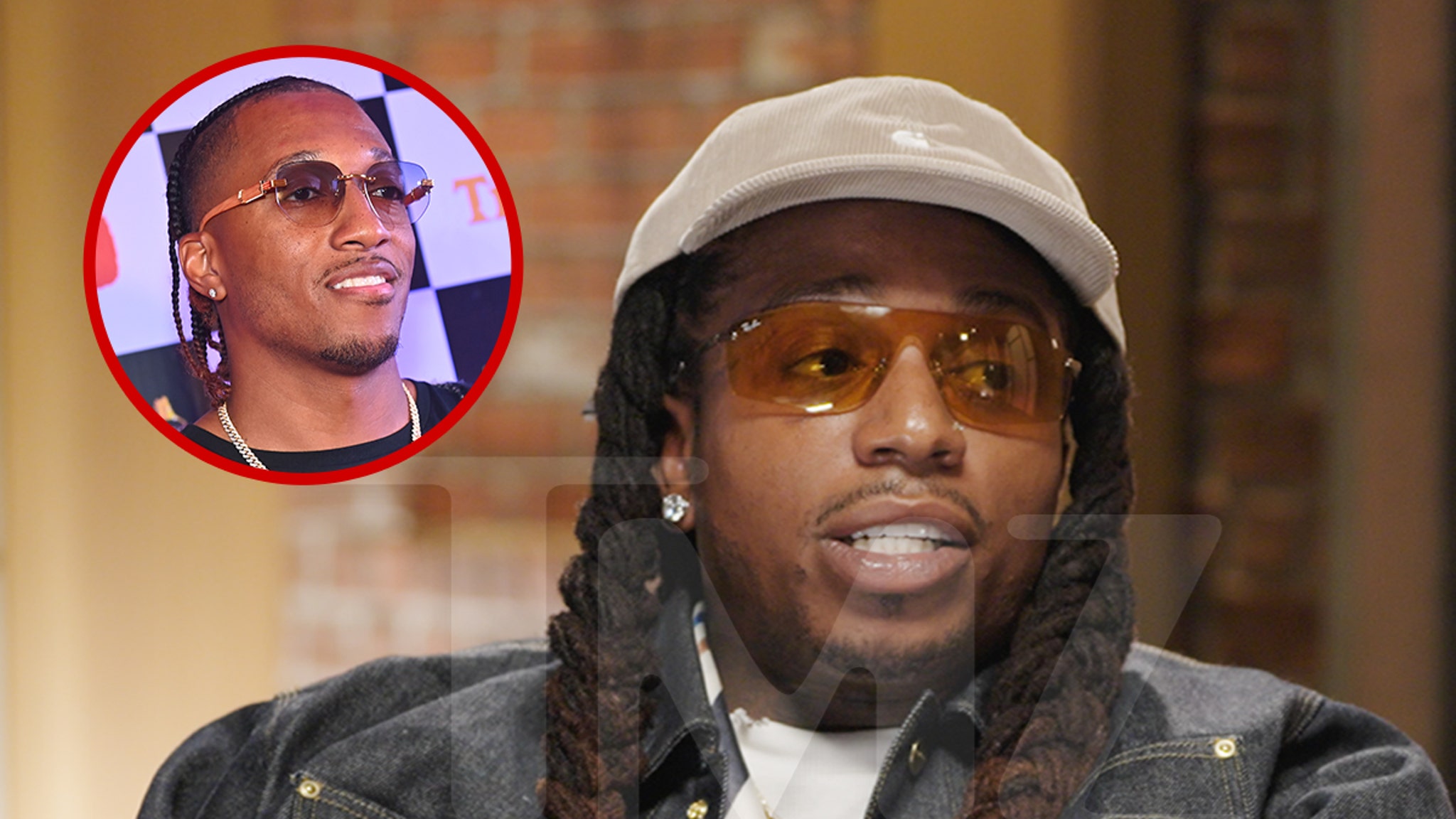
Jacquees: A 29-year-old R&B singer from Decatur, Georgia, Jacquees rose to prominence with hits like "B.E.D." and "At the Club." Known for his smooth vocals and confident demeanor, he has carved out a niche in the contemporary R&B scene, often embracing themes of romance, relationships, and sometimes, the complexities inherent within them. His public image is that of a self-assured artist, comfortable in his lane, and fiercely protective of his personal life and reputation. His forthcoming album "Mood 2" suggests a continued exploration of emotional landscapes, making the timing of this public spat particularly relevant as he seeks to connect with his audience on an intimate level.
Lecrae: Born Lecrae Moore, the 44-year-old artist is a two-time Grammy Award winner and a towering figure in Christian hip-hop. Beyond his musical accolades, Lecrae is an author, entrepreneur, and social activist. His work consistently seeks to bridge the gap between faith and mainstream culture, advocating for justice, personal responsibility, and spiritual growth. His public persona is deeply intertwined with his faith, leading many to view him as a moral compass or an elder statesman whose words carry significant weight within Christian and broader communities. This reputation, however, also places him under intense scrutiny when his actions or words appear to deviate from the perceived ideals of his calling.
Deiondra Sanders: The 32-year-old daughter of NFL Hall of Famer Deion Sanders, Deiondra has forged her own path as an entrepreneur, social media personality, and reality television participant. She has often been in the public eye due to her famous father and her own endeavors. Her relationship with Jacquees has been a subject of public interest for some time, marked by periods of reconciliation and public displays of affection. Deiondra’s narrative often includes themes of navigating a famous lineage while establishing her own identity and making her own choices, a context that makes Lecrae’s comments about "wanting more for her" particularly poignant, as they touch upon her agency and autonomy.
The Dynamics of "Coach Prime’s" Family and Public Relationships
The Sanders family, led by the charismatic Deion "Coach Prime" Sanders, operates largely in the public eye. Deion Sanders himself is known for his outspoken nature, his protective stance toward his children, and his strong opinions on life, relationships, and success. While Deion Sanders has not yet publicly weighed in on the Lecrae-Jacquees dispute, his past interactions and comments regarding his children’s relationships suggest a father who prioritizes their well-being and is not shy about expressing his thoughts. This family dynamic adds another layer to the public scrutiny surrounding Deiondra’s relationship choices, as the expectations of a high-profile family often intersect with individual desires and preferences.
Deiondra and Jacquees’ relationship has been an on-again, off-again affair, often chronicled through social media posts and public appearances. This history of public visibility means that their union, like many celebrity pairings, is subject to intense public scrutiny and commentary. Fans and critics alike often feel a sense of ownership or investment in the romantic lives of public figures, leading to unsolicited advice and judgments, whether from fellow celebrities or the broader public. This context is vital when analyzing Lecrae’s comments; while they were delivered privately to Deiondra during a podcast, their public broadcast made them an open invitation for broader discussion and reaction.
The Interplay of Faith, Music, and Public Scrutiny
Jacquees’ specific criticism of Lecrae as a "gospel singer" underscores a significant cultural and professional divide. In the entertainment industry, artists are often compartmentalized by genre, and with these categories come certain expectations. Gospel artists, by definition, are often seen as moral exemplars, their public lives expected to align with the values they espouse in their music. This expectation can create a unique burden, where personal opinions or casual remarks are amplified and scrutinized through a spiritual lens.
Conversely, R&B artists like Jacquees operate in a genre that, while often exploring profound emotions, does not typically carry the same explicit moral mandate. Relationships, their complexities, and even their imperfections are common lyrical themes. Jacquees’ retort suggests that Lecrae, by stepping into the realm of judgmental relationship advice, may have crossed a boundary, moving from a position of spiritual guidance to one of personal condemnation, which Jacquees deems inappropriate for someone of his calling. This incident reignites discussions about the roles and responsibilities of public figures, especially those who intertwine their careers with their faith. Is it appropriate for a gospel artist to publicly critique the romantic choices of another celebrity, even if done under the guise of concern? The varying answers to this question highlight the diverse perspectives on celebrity ethics and the boundaries of public commentary.
Social Media’s Amplifying Effect and Fan Reactions
In the age of digital media, celebrity disputes rarely remain contained. Lecrae’s comments, initially made on a podcast, and Jacquees’ subsequent reaction in an interview, were quickly disseminated across social media platforms. Twitter (now X), Instagram, and TikTok became immediate battlegrounds for public opinion, with fans and critics weighing in on both sides. Hashtags relating to the artists and Deiondra Sanders trended, showcasing the immediate and far-reaching impact of such celebrity disagreements.
Some fans rallied behind Lecrae, praising him for what they perceived as an honest, if blunt, expression of concern for Deiondra. They argued that his status as a faith leader allowed him the prerogative to offer spiritual and life advice, particularly when he felt someone was not living up to their potential. Others vehemently supported Jacquees, decrying Lecrae’s comments as hypocritical, judgmental, and out of line. They emphasized the importance of minding one’s own business and avoiding the public shaming of individuals, especially when personal relationships are involved. The sheer volume and intensity of these online reactions demonstrate how deeply invested the public becomes in the personal narratives of celebrities, often projecting their own values and beliefs onto the unfolding drama.
Broader Implications and Future Dynamics
The public exchange between Jacquees and Lecrae is more than just a celebrity spat; it is a microcosm of broader discussions surrounding personal autonomy, public accountability, and the role of unsolicited advice in modern society. It forces a re-evaluation of what constitutes appropriate behavior for public figures, particularly when their influence extends beyond their primary artistic domain.
For Lecrae, this incident could lead to a re-examination of his public commentary, particularly concerning the private lives of others. While his intentions may have been pure, the execution has clearly caused offense, prompting questions about the most effective and respectful ways to offer guidance, especially for a figure revered for his spiritual leadership. For Jacquees, his forceful response solidifies his image as an artist who will not tolerate public disrespect, a stance that could resonate with his fanbase. His promotion of "Mood 2" amidst this controversy also ensures heightened visibility for his upcoming work, though perhaps not in the manner he might have solely intended.
The lingering question remains whether this public dispute will lead to further dialogue or an entrenched silence. Jacquees’ explicit wish for Lecrae to cease mentioning his name suggests a desire for closure, but the nature of celebrity and social media often dictates that such narratives can resurface or evolve. Deiondra Sanders, at the center of the initial comments, also faces the ongoing challenge of navigating her relationships under constant public scrutiny, a burden that is only intensified when prominent figures publicly weigh in on her choices.
In conclusion, the highly publicized exchange between Jacquees and Lecrae serves as a compelling reminder of the complexities inherent in modern celebrity culture. It underscores the delicate balance between public persona and private life, the varied expectations placed upon artists of different genres, and the powerful, often instantaneous, impact of social media on public discourse. While Jacquees ended his statement with a "God bless him," the underlying message was clear: in the intricate world of celebrity, some lines, particularly those concerning personal relationships and moral judgments, are best left uncrossed, especially by those who preach a message of grace and understanding. The "amen" Lecrae might have hoped for from Jacquees was decidedly absent, replaced instead by a clear and resounding challenge.