



The Final Semester, a poignant film directed by Lee Ran-hee, is set to screen at the prestigious Montreal Asian International Film Festival, drawing attention to a narrative that diverges from the conventional East Asian societal blueprint of academic achievement and assured future success. While cinema often perpetuates the idealized trajectory of "good school, good grades, good college, good job, good family," Lee’s film delves into the compelling realities of an individual choosing an alternative, non-illicit route. Despite its festival screenings, the movie has largely remained an under-the-radar gem, offering a nuanced exploration of vocational training and its often-overlooked potential.
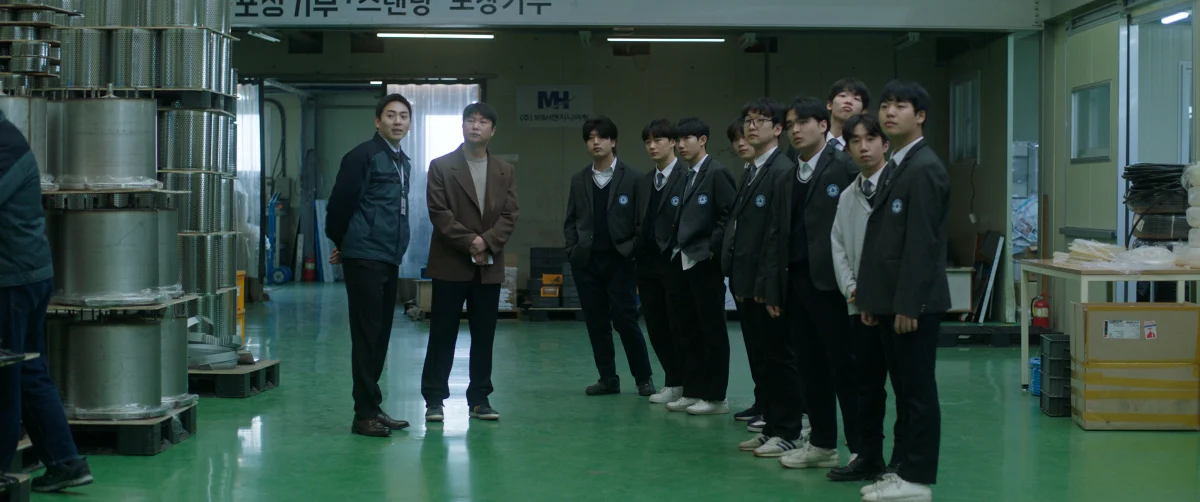
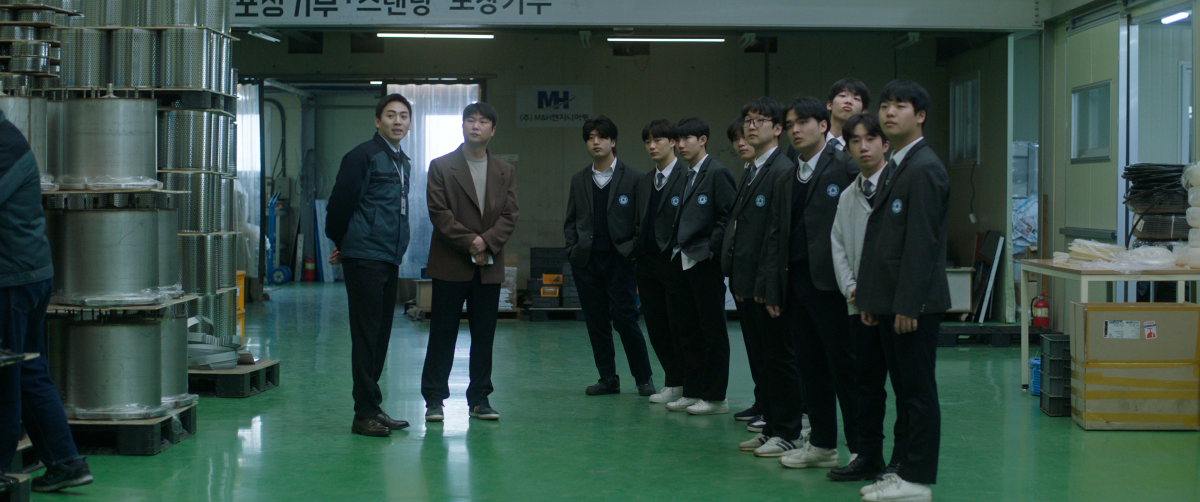
The film centers on Chang-woo, a nineteen-year-old senior at a vocational high school. In lieu of traditional classroom learning during his final semester, Chang-woo embarks on an industrial internship at a small subcontracting factory. His motivations are deeply rooted in a desire for his mother’s approval and a yearning to secure a stable future, whether through higher education or direct employment. Entering the factory environment, he is a mix of apprehension and hopeful expectation. The initial atmosphere is stark and unwelcoming, amplified by the stringent oversight of his supervisor. However, as Chang-woo immerses himself in the demanding work, he gradually discovers a sense of purpose, the intrinsic value of developing practical skills, and the formation of unexpected bonds with his fellow factory workers.
Navigating the Industrial Landscape: A Journey of Discovery and Disillusionment
Chang-woo’s internship becomes a profound learning experience, extending beyond the technical aspects of manufacturing. He gains insight into the intricacies of labor, the rigid structures of workplace hierarchy, and the complex tapestry of human relationships as observed among the older, more experienced workers. This immersion, however, also brings a growing awareness of the precariousness faced by non-contract employees. He witnesses colleagues departing the factory, often for reasons beyond their control, a stark reminder of the impermanence that can plague such positions. These observations profoundly impact Chang-woo, creating a sense of hesitation as he stands on the precipice of adulthood, a critical juncture where societal expectations often demand a clear, pre-defined path forward.
The film does not shy away from a critical portrayal of the corporate environment it depicts. Director Lee Ran-hee, through subtle yet impactful storytelling, suggests that fundamental issues exist within the company’s operational structure from its inception. The narrative illustrates a pervasive atmosphere of pressure, where actions that appear to be bullying cascade down the hierarchical ladder, creating a challenging and often physically dangerous workplace. This environment is far from ideal, and the story of Seong-min, initially presented as someone who has successfully navigated and thrived within this system, serves as a potent indicator of the underlying systemic challenges. His situation underscores the potential for exploitation and the fragility of success within such settings.
Emerging Opportunities and the Nuance of Perseverance
Despite the inherent difficulties and the often-unpleasant realities of the factory floor, "The Final Semester" charts a course where opportunities can indeed emerge, even within a seemingly unyielding system. As Chang-woo commits to persevering through his internship, he begins to identify a potential mentor who offers genuine guidance. He also discovers a specific sector within his work where his aptitude shines, fostering a growing determination not to succumb to the pressures to quit. This internal resilience is contrasted with the fates of some of his former colleagues, who, after leaving the factory, find themselves in less stable, often demanding roles such as delivery drivers or late-shift convenience store workers. This juxtaposition subtly introduces a message about the importance of perseverance, which in turn complicates the film’s ultimate commentary. It is possible that Director Lee intends to highlight the existence of alternative pathways, even if these routes do not align with conventional societal ideals of success. The strengthening friendships Chang-woo forms within the factory environment further enrich this message, suggesting that human connection and mutual support can be found in unexpected places.
While the narrative acknowledges the palpable sense of danger and the presence of figures who embody antagonistic roles within the company hierarchy, Lee refrains from sensationalizing the situation into a thriller. Instead, the film maintains a firm grounding in realism across all its narrative threads. Chang-woo’s interactions with his family—his mother and two younger brothers—serve as a crucial anchor to this reality. His assumption of a quasi-patriarchal role, despite his youth, underscores the weighty responsibilities he carries and further emphasizes the grounded nature of the story. This familial dynamic highlights the multifaceted pressures and expectations placed upon young individuals in Korean society, particularly those from working-class backgrounds.
Cinematic Craftsmanship: Visuals and Performances
The cinematography by Lee Ju-hwan plays a pivotal role in conveying the film’s dual nature: the imposing initial atmosphere of the factory and the more grounded, human reality that unfolds. His realistic approach extends to the various settings depicted throughout the movie. The use of slightly desaturated colors contributes to the overall authentic feel, presenting a visually competent and cohesive experience. Lee Yeon-jung’s editing facilitates a mid-tempo pace that effectively complements the narrative’s style, although there are moments of slight sluggishness in the film’s concluding acts.
The performances are a significant strength of "The Final Semester." Yoo Yi-ha delivers an exceptional portrayal of Chang-woo, masterfully conveying his character’s evolving emotions and psychological states with a laconic and measured approach. This understated yet powerful performance is characteristic of the majority of the acting ensemble. Kang Jin-a, as Chang-woo’s mother Hyeon-jeong, is equally convincing, embodying the struggles and unwavering love of a mother navigating financial hardship. Kang Hyun-woo’s performance as Manager Jo, who effectively serves as the story’s primary antagonist, is also noteworthy, lending a credible gravitas to the role.
Broader Societal Context and Implications
"The Final Semester" emerges as a highly realistic and competently crafted film, shedding light on an aspect of professional life in Korea that is rarely depicted with such authenticity in cinema. The film’s screening at the Montreal Asian International Film Festival provides a global platform for audiences to engage with these themes. The festival, now in its [insert year of festival, e.g., 2024] edition, has a long-standing tradition of showcasing diverse Asian cinematic voices and narratives that often challenge mainstream perceptions. This year’s program features a selection of films that explore themes of identity, social change, and the human condition in contemporary Asia, with "The Final Semester" fitting seamlessly into this thematic tapestry.
The societal pressure in East Asian countries, particularly South Korea, to follow a prescribed path to success has been well-documented. Data from organizations like Statistics Korea consistently show high parental aspirations for their children’s educational attainment, often translating into intense academic competition from a young age. The prevalence of private tutoring (hagwon) and the emphasis on elite universities are symptomatic of this cultural phenomenon. For instance, in 2023, the average household expenditure on private education in South Korea continued to be a significant portion of disposable income, reflecting the immense investment parents make in their children’s academic futures.
However, the narrative of "The Final Semester" offers a counterpoint to this dominant discourse. It highlights the existence and validity of vocational education and skilled trades as legitimate and potentially rewarding career paths. Historically, vocational training in South Korea has sometimes been perceived as a less desirable option compared to university education, a sentiment that the film implicitly addresses. The film’s focus on a subcontracting factory also touches upon the broader economic landscape, including the role of small and medium-sized enterprises (SMEs) in the national economy. These companies often face intense competition and operate with tighter margins, which can directly impact employee conditions and job security.
The implications of "The Final Semester" extend beyond a critique of corporate practices. It prompts reflection on how societies define success and the value placed on different forms of labor. By showcasing Chang-woo’s journey of finding purpose and skill in a non-traditional setting, the film challenges viewers to reconsider the singular definition of a "good life." The growing global discourse around the dignity of labor and the importance of skilled trades suggests that Lee Ran-hee’s film arrives at a pertinent moment. As economies evolve and the demand for specialized skills increases, narratives that celebrate vocational achievement can contribute to a more inclusive and balanced societal outlook.
While the film’s message may be somewhat nuanced and open to interpretation regarding the ultimate endorsement of the factory’s environment, its strength lies in its unflinching portrayal of a seldom-seen segment of Korean society. "The Final Semester" is a compelling testament to the director’s ability to craft a realistic and impactful story that resonates with universal themes of aspiration, resilience, and the search for belonging in a world often dictated by rigid expectations. The film’s inclusion in an international festival like Montreal’s underscores the universal appeal of stories that explore the human spirit’s capacity to navigate and find meaning in challenging circumstances, regardless of cultural or geographical boundaries.