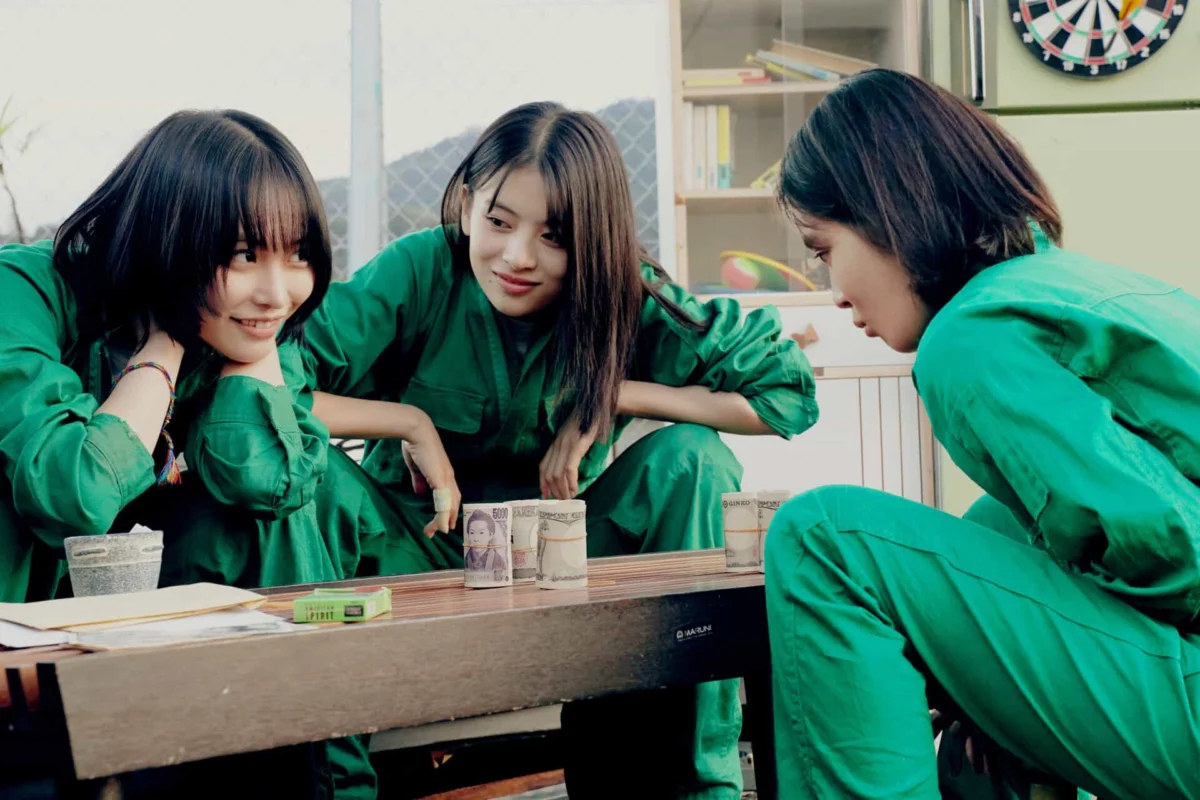
In a cinematic landscape often populated by predictable narratives, Takashi Koyama’s "All Greens" emerges as a daring and unconventional exploration of adolescent rebellion, deeply rooted in the specific socio-legal context of Japan’s stringent cannabis policies. Adapted from Do Namiki’s novel "Banji Kaicho: All Greens," the film bravely tackles themes of escapism, illicit enterprise, and the raw vulnerabilities of youth, carving out a unique niche within Japanese teen dramas by directly confronting the nation’s notoriously strict approach to marijuana production and use. The movie distinguishes itself by presenting a raw, often harsh portrayal of teenage disillusionment, filtered through an intentionally quirky directorial style and a surprisingly zany sense of humor that belies the gravity of its subject matter.
The narrative unfolds in a nondescript small town, focusing on the lives of three friends: Hidemi, Milk, and Mako. Trapped by their limited financial circumstances and the perceived bleakness of their daily existence, they yearn for an escape they cannot afford. This yearning takes a sharp, illegal turn when Hidemi discovers hemp seeds. The trio then embarks on a clandestine plan to establish an underground marijuana business, utilizing the seemingly innocuous setting of their school’s greenhouse. Their decision, made with full awareness of the significant legal repercussions and societal condemnation associated with such activities in Japan, underscores a profound desperation and a willingness to challenge established norms.
The Seeds of Rebellion: Character Backstories and Motivations
A cornerstone of "All Greens’" impact lies in its unflinching portrayal of teenage vulnerability, which serves as the bedrock for the characters’ motivations and subsequent actions. The personal histories of Hidemi, Milk, and Mako are intrinsically linked to their insecurities and rebellious impulses.
Hidemi, the de facto leader of the group, hails from a deeply dysfunctional household. Her defiance is amplified by a harrowing near-encounter with a predatory music artist, Nosferatu, who attempts to exploit her. This experience hardens her resolve and fuels her desire for agency, which she seeks to reclaim through the illicit venture.
Milk’s life is burdened by the challenges of caring for a mentally unstable mother. Compounding her emotional distress is the lingering trauma of a past accident at school, the details of which contribute to her fragile mental state and her search for solace or a means of control.
Mako faces relentless familial pressure to conform to traditional expectations. Her family insists she abandon her artistic aspirations, marry, and eventually take over the family farm, a future that stifles her spirit and her dream of becoming a professional manga artist. This constant societal and familial pushback against her personal ambitions creates a deep-seated resentment that makes her receptive to the group’s daring plan.
Passions and Friendships: Navigating Danger with Humanity
Despite the bleakness of their circumstances, the trio’s unwavering friendship and individual passions offer a crucial counterpoint, providing deeper insight into their complex characters. Hidemi channels her frustrations and creative energy into amateur rap performances, adopting the moniker "Neuromancer." Her lyrics often reflect the anger and disillusionment that permeate her life.
Milk finds an outlet in athleticism, showcasing her physical prowess, and harbors a profound love for cinema, which perhaps offers her a temporary escape from her harsh realities. Her passion for film might also inform her perspective on the unfolding events, lending a certain cinematic flair to their clandestine operations.
Mako’s artistic dreams are central to her identity. Her ambition to become a professional manga artist represents a deeply personal form of rebellion against the traditional path laid out for her. The supportive bond shared between these three friends is a palpable force throughout the film, proving to be a source of strength as they navigate the treacherous waters of their illegal enterprise.
Even in the face of Japan’s draconian drug laws and the deeply ingrained cultural stigma surrounding cannabis, the girls exhibit remarkable fearlessness and unwavering determination. Their venture is not solely driven by financial necessity or a desire for rebellion; there is an undeniable allure in the thrill of defying authority and flirting with danger. Crucially, however, this pursuit of risk never seems to compromise their fundamental humanity, a testament to their enduring bond and shared moral compass.
A Blend of Absurdity and Heart: The Film’s Comedic and Dramatic Texture
While "All Greens" is undeniably heartfelt, it is equally characterized by its sharp, often dark, sense of humor, seamlessly blending dry wit with moments of pure absurdity. The very premise of high school students orchestrating a marijuana operation within their school greenhouse is inherently humorous due to its sheer unconventionality. The film does not shy away from detailing the practical aspects of cannabis cultivation and preservation with a surprisingly matter-of-fact approach, adding another layer of dark comedy to the proceedings.
The group’s self-appointed name, "All Greens," derived from their frequent attire in green clothing, is endearingly humorous, while simultaneously and ironically evoking the color most synonymous with cannabis. The recruitment of additional members into their operation is also a source of comedic brilliance, often involving serendipitous encounters. This includes stumbling upon a gay couple using the greenhouse as a clandestine meeting spot, or Mako casually enlisting a fellow manga enthusiast who shares her passion. These interactions highlight the film’s ability to find humor in the unexpected and to portray a diverse range of characters drawn into the periphery of the central operation.
A Look at the Japanese Cannabis Landscape
Japan maintains some of the strictest drug laws in the world, with cannabis possession, cultivation, and trafficking carrying severe penalties. The Cannabis Control Act of 1948 criminalizes all forms of cannabis activity, and there is no distinction made between recreational and medicinal use, unlike in many Western nations. Public perception in Japan is largely against legalization, with strong government campaigns and public education efforts reinforcing the dangers associated with drug use.
As of recent years, discussions around potential decriminalization or medicinal use have been minimal, with the government firmly upholding the existing prohibition. Penalties can include imprisonment, substantial fines, and a permanent criminal record, which can significantly impact future employment and educational opportunities. This strict legal framework makes the actions of the protagonists in "All Greens" particularly audacious and fraught with peril, emphasizing the film’s exploration of youthful defiance against a formidable societal and legal apparatus. The film’s premise taps into this reality by showcasing the extreme measures some young people might consider when faced with limited options and a desire for autonomy, even if those measures are highly illegal and dangerous.
Performances and Cinematic Craftsmanship
The performances of Sara Minami as Hidemi, Natsuki Deguchi as Milk, and Mizuki Yoshida as Mako are exceptional. They embody their characters with a palpable authenticity, sharing a razor-sharp chemistry that is crucial to the film’s emotional resonance. Their interactions feel natural and lived-in, drawing the audience into their shared plight and their burgeoning rebellion.
The supporting cast also delivers strong performances, with Jinsei Hamura, Kodai Kurosaki, and Daichi Kaneko providing memorable turns. Yuko Ando, in particular, leaves a lasting impression as Milk’s mother. Despite limited screen time, her portrayal of a woman grappling with mental illness, yet maintaining a loving, albeit complex, bond with her daughter, is deeply moving and adds significant emotional weight to the narrative.
Ryo Saito’s cinematography is a standout element of "All Greens." The camerawork masterfully balances intimate focus on the characters’ emotional states with expansive compositions that effectively utilize the widescreen aspect ratio to showcase the film’s varied environments, from the claustrophobic school greenhouse to the broader, often bleak, urban and rural landscapes.
Complementing the visual storytelling is the stylized editing, which enhances the film’s kinetic tone and strategically underscores moments of comedic timing, amplifying the absurdity and the emotional impact. The hip-hop-influenced musical score by Zo Zhit (Dos Monos) further elevates the film, perfectly harmonizing with its contemporary urban setting and the rebellious spirit of its young protagonists. The soundtrack acts as a visceral element, amplifying the film’s energy and emotional undertones.
A Bold Departure from Convention
"All Greens" represents a refreshing and much-needed departure from the conventional coming-of-age narratives frequently seen in contemporary Japanese cinema. Its bold premise, which directly confronts the nation’s strict cannabis laws and societal attitudes, sets it apart. The film succeeds on multiple levels, functioning as both an entertaining absurdist comedy and a deeply moving, gritty drama. It offers a nuanced look at the pressures faced by young people in Japan, their desperate search for agency, and the lengths to which they might go when trapped by circumstance and societal constraints. The film’s success lies in its ability to weave together disparate elements – humor, drama, social commentary, and a raw portrayal of adolescent life – into a cohesive and thought-provoking cinematic experience that resonates long after the credits roll. It challenges viewers to consider the motivations behind rebellion and the complex interplay of personal hardship and societal structure.