
The Enduring Power of Fictional Loss: Why Character Deaths Resonate

The connection between viewers and their favorite fictional characters often transcends mere entertainment; these figures become surrogate friends, family members, or aspirational ideals. When a major character is abruptly removed, the impact can be profound, mirroring the grief experienced in real life. This emotional investment is precisely what makes character deaths such a potent narrative device. They are not merely plot points but seismic events that can redefine a series, alter its trajectory, and forever change the audience’s perception of the fictional world.

The reasons behind these creative decisions are multifaceted. Sometimes, an actor wishes to depart for new opportunities, necessitating a dramatic exit for their character. In other instances, the storytelling demands a sacrifice to raise stakes, introduce new conflicts, or underscore a show’s thematic intentions. Adherence to source material, such as novels or video games, often dictates character fates, leading to deaths that are anticipated by some but still impactful for a broader audience. Less frequently, but notably, behind-the-scenes complications, ranging from creative differences to actor conduct, can lead to a character’s premature demise. Whatever the catalyst, the resulting fatality often sparks a flurry of social media activity, critical analysis, and watercooler conversations, solidifying its place in television history.

Milestone Moments: A Chronology of Iconic Small-Screen Fatalities

Television history is littered with the ghosts of departed characters, each leaving a unique void and shaping the medium in distinct ways. From early network dramas to the gritty realism of prestige cable and streaming, the willingness to kill off central figures has evolved, consistently challenging audience expectations.

*1970s: The Unforeseen Tragedy – Lt. Colonel Henry Blake (MASH, 1975)*
One of the earliest and most impactful examples of a major character death defying audience expectations occurred in the final episode of MASH‘s third season. Lt. Colonel Henry Blake, the amiable, often bumbling commanding officer of the 4077th MASH unit, played by McLean Stevenson, was finally sent home after completing his tour of duty. Viewers, expecting a joyous farewell, were instead delivered a devastating blow when Radar O’Reilly announced, "His plane was shot down over the Sea of Japan. There were no survivors."
The death of Blake was revolutionary for its time, breaking television’s unwritten rule that main characters, especially beloved ones, were safe. It served to underscore the brutal, arbitrary nature of war, a core theme of the series, and left both the characters and the audience reeling. The cast members themselves were reportedly not informed until the table read, leading to genuine tears on set and an overwhelmingly emotional response from the 75 million viewers who tuned in. This moment cemented MASH*’s legacy as a show unafraid to confront the harsh realities of its subject matter, forever altering the landscape of TV drama.

1980s: The Ultimate Twist – Bobby Ewing (Dallas, 1986)
While technically a death that was famously (and controversially) reversed, the initial killing off of Bobby Ewing (Patrick Duffy) in the ninth season of Dallas in 1985 showcased the immense power of fan investment. Bobby, a central figure and moral compass of the oil-rich Ewing family, was hit by a car and died in a dramatic hospital scene. The decision was reportedly driven by Duffy’s desire to leave the show.
The ensuing season saw a significant drop in ratings and a vocal outcry from fans. In a move that became one of the most famous retcons in television history, Bobby was resurrected at the beginning of the tenth season, stepping out of a shower to reveal that the entire ninth season had been a dream experienced by his wife, Pamela Barnes Ewing. While mocked by critics, this storyline demonstrated the immense influence of audience attachment and the lengths networks would go to appease a devoted fanbase, setting a precedent for potential character resurrections, however implausible.

1990s: The Price of the Game – Maude Flanders (The Simpsons, 2000)
Even in animated sitcoms, character deaths can leave a mark. Maude Flanders, the devoutly religious, mild-mannered wife of Ned Flanders in The Simpsons, met an unexpected end in the season 11 episode "Alone Again, Natura-Diddily." She was killed by a volley of t-shirts fired from cannons at a racetrack, falling to her death from the stands.
The decision was reportedly due to voice actress Maggie Roswell’s salary dispute with Fox and her subsequent departure from the show. While The Simpsons is known for its irreverent humor, Maude’s death provided a surprisingly poignant storyline for Ned, exploring themes of grief and single parenthood, albeit with the show’s signature comedic twist. It highlighted how even secondary characters, when part of a beloved ensemble for years, could create emotional ripples when removed.

2000s: The Brutality of the Underworld – Adriana La Cerva (The Sopranos, 2004)
HBO’s The Sopranos redefined television drama with its complex characters and unflinching realism. The execution of Adriana La Cerva (Drea de Matteo) in the fifth season episode "Long Term Parking" remains one of the series’ most gut-wrenching moments. Adriana, the fiancée of Christopher Moltisanti, had been coerced into becoming an FBI informant. After confiding in Christopher, who ultimately chose his loyalty to the family over her safety, she was lured to a secluded spot, ostensibly to meet Christopher, only to be ambushed and shot dead by Silvio Dante.
Adriana’s death was a stark reminder of the uncompromising brutality of the mob world depicted in the series, proving that no character, regardless of their perceived innocence or proximity to the protagonists, was truly safe. It stripped away any lingering romantic notions about the Mafia lifestyle and underscored the moral decay of the central characters, leaving a lasting impact on viewers who had grown to sympathize with her tragic predicament. The episode garnered critical acclaim and a significant emotional response, trending on fan forums for weeks.

2010s: The Golden Age of "No One Is Safe"

The 2010s ushered in an era where major character deaths became almost a hallmark of prestige television, particularly with the rise of epic, high-stakes narratives.

Ned Stark (Game of Thrones, 2011) and The Red Wedding (2013)
HBO’s Game of Thrones quickly became synonymous with the "no one is safe" trope. The shocking beheading of protagonist Ned Stark (Sean Bean) at the end of the first season was a watershed moment. Viewers accustomed to heroes surviving until the finale were stunned by the unexpected execution, which immediately established the show’s brutal, unpredictable tone and its fidelity to George R.R. Martin’s source novels.
This precedent culminated in "The Rains of Castamere," colloquially known as "The Red Wedding," in season three. The massacre of Robb Stark, his pregnant wife Talisa, his mother Catelyn, and their bannermen at a wedding feast sent shockwaves across the globe. The episode trended worldwide for days, with countless reaction videos flooding YouTube, capturing the visceral grief and disbelief of viewers. It cemented Game of Thrones‘ reputation for narrative ruthlessness and raised the bar for how television could generate unprecedented watercooler discussion and social media engagement.

Derek Shepherd (Grey’s Anatomy, 2015)
After eleven seasons as the dashing "McDreamy" and one half of the show’s central romance with Meredith Grey, Dr. Derek Shepherd (Patrick Dempsey) was killed off in a two-part episode. After heroically saving victims of a car crash, Derek himself was involved in another accident and, due to medical negligence at an under-equipped hospital, suffered irreversible brain damage. Meredith made the agonizing decision to take him off life support.
Dempsey’s departure was reportedly due to a desire to pursue other projects and, speculatively, creative differences with showrunner Shonda Rhimes. The death was met with a massive outpouring of grief from the show’s devoted fanbase, with many threatening to stop watching. While the show experienced a dip in ratings, it ultimately continued, demonstrating the resilience of long-running procedural dramas even after losing a foundational character. The storyline forced Meredith to confront a new chapter of single motherhood and professional challenges, significantly reshaping the show’s narrative focus.

Glenn Rhee (The Walking Dead, 2016)
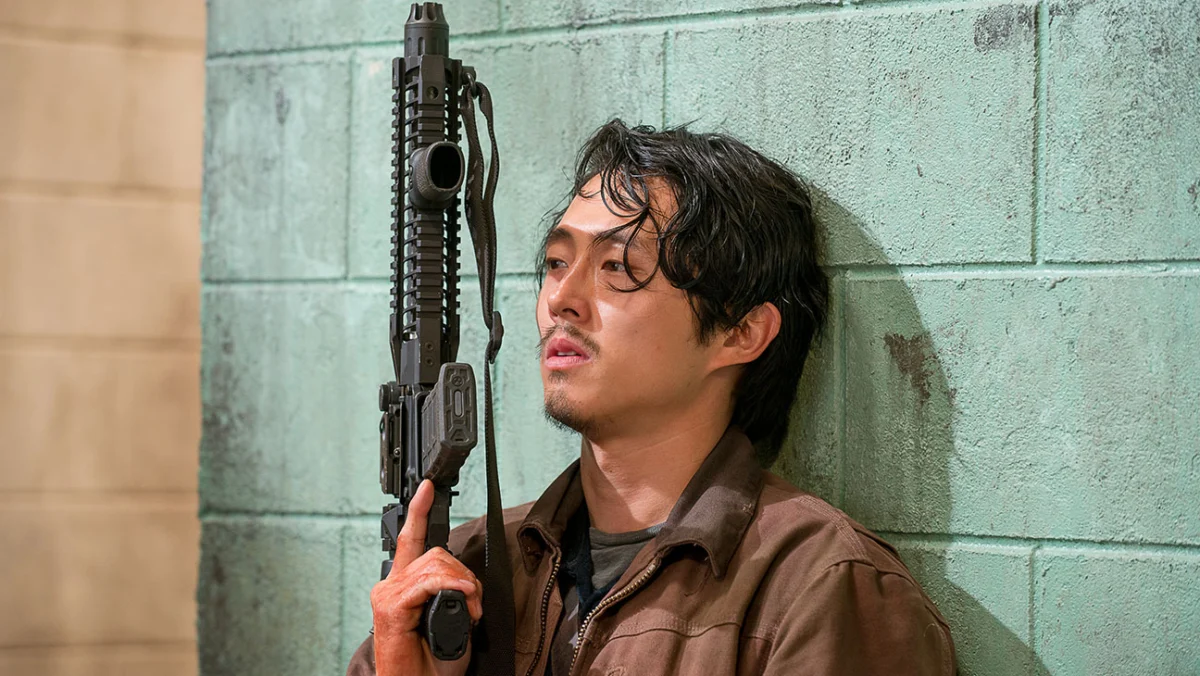
AMC’s The Walking Dead, known for its post-apocalyptic brutality, delivered one of its most controversial and widely discussed deaths in the season seven premiere. Glenn Rhee (Steven Yeun), a beloved, long-standing character and moral compass for the group, was brutally bludgeoned to death by the villain Negan (Jeffrey Dean Morgan) with his barbed-wire-wrapped baseball bat, Lucille. This faithfully adapted a notorious scene from the comic books.
The graphic nature of the death and its drawn-out depiction sparked significant debate among viewers and critics about gratuitous violence on television. While the episode garnered record-breaking viewership for the series, it also alienated some fans who found the scene too extreme. Glenn’s death served as a turning point for the show, establishing Negan as an unforgiving antagonist and plunging the core characters into a prolonged period of trauma and despair, fundamentally altering the group’s dynamic and the series’ tone.

2020s: The New Era of Impactful Exits

The current decade continues this trend, with streaming services and prestige dramas delivering character deaths that are both narratively bold and emotionally impactful.

Logan Roy (Succession, 2023)
HBO’s Succession, a masterclass in corporate intrigue and family dysfunction, shocked audiences in its final season with the sudden, unceremonious death of patriarch Logan Roy (Brian Cox). The media titan, a seemingly invincible force who had dominated his children’s lives and the narrative for four seasons, collapsed and died on a private jet en route to Sweden in the third episode of the final season, "Connor’s Wedding."
The unexpected timing and mundane circumstances of his death were lauded by critics as a brilliant subversion of typical "big death" tropes. There was no dramatic last stand or grand monologue; instead, the powerful man simply ceased to be, leaving his children to grapple with his immediate legacy and the immense power vacuum he created. Logan’s death fundamentally reshaped the final season, forcing the Roy siblings to confront their own ambitions, loyalties, and relationships without the gravitational pull of their father, leading to an even more intense and compelling conclusion.

Joel Miller (The Last of Us, 2025)
HBO’s adaptation of The Last of Us, a highly anticipated series known for its emotional depth and fidelity to its source material, delivered another gut-wrenching blow in its second season. Joel Miller (Pedro Pascal), the hardened survivor who had formed an unbreakable bond with Ellie (Bella Ramsey) in the first season, met a brutal end early in season two, mirroring the infamous events of the video game. His death, at the hands of Abby Anderson, was depicted with unflinching violence, showcasing the cyclical nature of revenge and the grim realities of their post-apocalyptic world.
Joel’s early demise in the season was highly divisive among fans, particularly those unfamiliar with the game’s narrative. However, it underscored the show’s commitment to adapting the challenging and often dark themes of the source material, setting a somber and morally complex tone for the season. The event served as a catalyst for Ellie’s subsequent journey of vengeance, further cementing the show’s reputation for bold storytelling and its willingness to inflict pain for narrative authenticity.

The Latest Shockwave: Euphoria (2026)
The recent death of a major character in Euphoria adds another entry to this illustrious, albeit tragic, list. While specific details surrounding the character’s identity and the circumstances of their death are still reverberating across social media platforms, the impact has been immediate and profound. Euphoria, known for its unflinching portrayal of adolescence, addiction, and complex relationships, often uses dramatic narrative turns to underscore its themes. This latest fatality is no exception, pushing the boundaries of its already intense narrative and forcing both its remaining characters and its audience to confront the harsh realities of consequence and loss within its vividly depicted world. The reaction across fan communities has been one of shock, grief, and intense speculation, reigniting debates about character development, the show’s trajectory, and the emotional toll television can take.

The Mechanics of Mortality: Behind the Creative Decisions

Understanding why characters die often reveals deeper insights into the creative process and the strategic choices made by showrunners and writers.

- Narrative Imperative: Sometimes, a character’s death is the only logical conclusion to their arc, or it’s necessary to propel the main plot forward. It can raise the stakes dramatically, force other characters to evolve, or introduce new antagonists.
- Actor Availability/Desire to Depart: Actors may choose to leave a show for various reasons, including pursuing other projects, seeking a change, or personal circumstances. When a star expresses a desire to exit, writers are often tasked with crafting a compelling and permanent send-off.
- Source Material Fidelity: In adaptations of books, comics, or video games, character deaths are often pre-ordained by the original author’s vision. Showrunners must then decide whether to adhere strictly to the source, knowing it might be unpopular, or deviate, risking alienation from core fans.
- Budgetary Constraints/Creative Differences: While less common for major, popular characters, financial considerations or irreconcilable creative differences between an actor and the production team can occasionally lead to a character’s exit.
- Subverting Expectations: In an era of sophisticated audiences, killing off a character who seems "safe" is a powerful way to surprise viewers and remind them that narrative conventions can be broken, fostering a sense of unpredictability and excitement.
Broader Implications and the Future of Fictional Loss

The trend of killing off major characters has had significant implications for the television industry. It has fostered a more daring and unpredictable storytelling environment, particularly in the prestige drama space, where creators are increasingly willing to take risks. This approach encourages deeper audience engagement, as viewers become more invested in speculating about character fates and analyzing every plot twist. Social media platforms amplify these discussions, turning major character deaths into global cultural events.

As television continues to evolve, embracing diverse genres and narrative structures across an ever-expanding landscape of streaming services, the strategic use of character death will undoubtedly remain a potent tool in the storyteller’s arsenal. It forces audiences to grapple with themes of loss, consequence, and the fragility of life, even in fictional realms. While often painful for viewers, these small-screen fatalities ultimately contribute to the richness and emotional depth of modern television, ensuring that the stories told leave a lasting impact far beyond the final credits. The latest Euphoria tragedy is merely the newest chapter in this ongoing, often heartbreaking, tradition.