
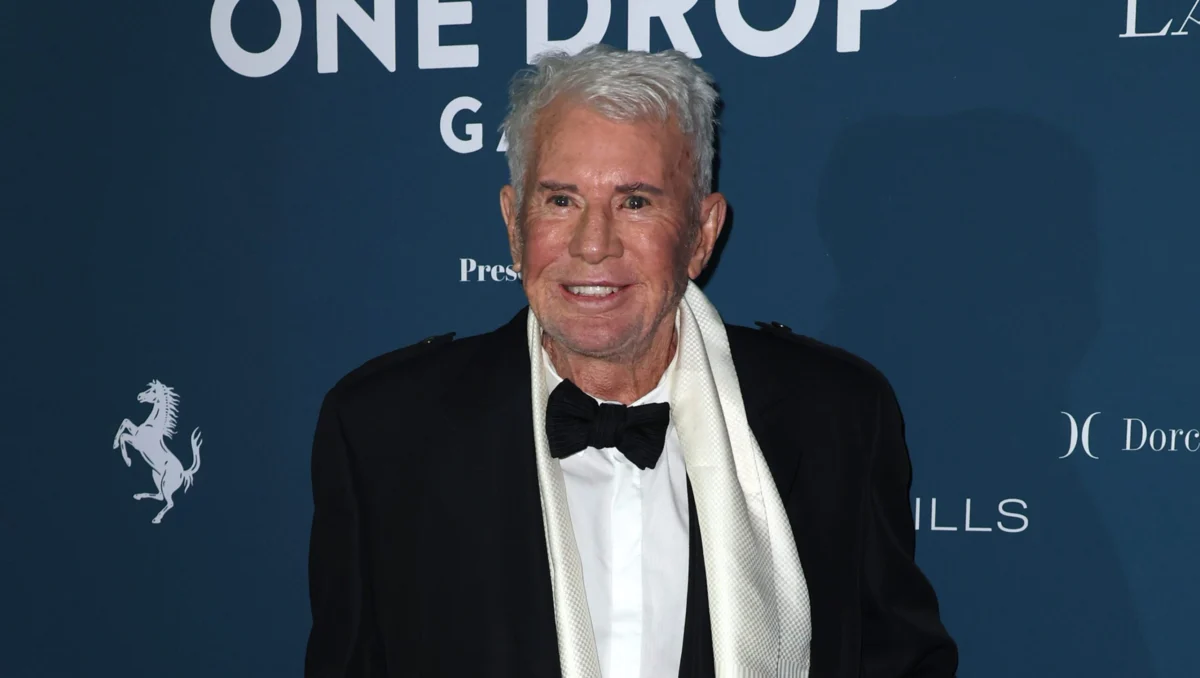
Gary L. Pudney, the esteemed entertainment executive whose visionary leadership profoundly influenced two decades of programming at ABC Television, passed away peacefully on Monday, surrounded by his loving family. He was 91 years old. Pudney’s extensive career left an indelible mark on the broadcasting industry, characterized by a prolific output of award-winning specials, high-profile live events, and groundbreaking made-for-television films that captivated millions of viewers and garnered critical acclaim. His professional life, marked by an unwavering commitment to excellence and innovation, extended far beyond network television into independent production and significant philanthropic endeavors, cementing his legacy as a multifaceted force in entertainment and humanitarianism.
A Storied Career at ABC Television: Shaping a Network’s Identity
Pudney’s tenure at ABC Television, spanning a pivotal period in American broadcasting, saw him ascend to the influential position of Senior Vice President of Specials, Talent, and Special Projects. In this capacity, he was not merely a producer but a chief architect of ABC’s programming identity, responsible for overseeing a vast array of content that often defined the network’s cultural impact. This role demanded a unique blend of creative foresight, meticulous logistical planning, and keen understanding of audience appeal, attributes Pudney consistently demonstrated. His responsibilities encompassed everything from securing top-tier talent to conceptualizing and executing large-scale productions, many of which became annual staples or landmark events in television history.
Under his astute supervision, ABC became synonymous with some of the most prestigious and widely watched events on television. Pudney played a pivotal role in producing and supervising the network’s coverage of the Academy Awards, an event that consistently commanded massive viewership and served as a global showcase for the film industry. During the decades he was involved, the Oscars were a cornerstone of network television, often drawing upwards of 40-50 million viewers, making the flawless execution of its live broadcast an annual, high-stakes endeavor. His expertise ensured the intricate machinery of this global spectacle operated seamlessly, from red carpet arrivals to the final acceptance speeches.
Beyond the cinematic accolades, Pudney was instrumental in the production of the American Music Awards and the Emmy Awards, two other tentpole events celebrating achievements in music and television, respectively. The American Music Awards, established in 1973 as an alternative to the Grammy Awards, carved out its own niche by featuring popular artists and often reflecting contemporary music trends through fan voting, aligning perfectly with ABC’s broader demographic appeal. Similarly, his oversight of the Emmy Awards underscored ABC’s commitment to recognizing excellence within its own medium, a crucial element for industry prestige. He also guided the American Comedy Awards, a unique platform dedicated to honoring comedic talent across film, television, and stage, further diversifying ABC’s awards show portfolio.
Monumental Live Events and Thematic Specials
Pudney’s vision extended beyond traditional awards ceremonies to encompass events of significant national and international scope. One of his most impactful contributions was the production of the International Special Olympics Opening Ceremonies. These events transcended entertainment, serving as powerful platforms for inclusion and human achievement. Overseeing such a complex live broadcast, often involving thousands of athletes, performers, and dignitaries from around the world, demanded extraordinary logistical precision and a deep understanding of how to convey the event’s profound emotional and humanitarian message to a global audience. His involvement underscored a commitment not just to commercial success but also to socially resonant programming.
Another celebratory milestone under his direction was ABC’s 50th Anniversary celebration at Radio City Music Hall. This grand event was a testament to the network’s enduring legacy and its contributions to American culture. Staging such a star-studded gala at an iconic venue like Radio City required orchestrating appearances from a pantheon of stars who had graced ABC’s airwaves over five decades, presenting a complex challenge that Pudney navigated with characteristic finesse, delivering a memorable tribute to the network’s rich history.
His portfolio of specials was equally diverse and impactful. He oversaw the production of Julie Andrews’ Sound of Christmas, a classic holiday special that capitalized on the enduring appeal of one of entertainment’s most beloved figures. Such seasonal programming was a beloved tradition for American families, and Pudney ensured these productions met the highest standards of quality and warmth. The "Royal Gala" honoring HRH Prince Charles and Princess Diana was another high-profile project, leveraging the global fascination with the British Royal Family and broadcasting a culturally significant event to millions of viewers across continents.
Pudney was also behind ambitious productions like Night of 100 Stars, a monumental variety show that brought together an unprecedented assembly of celebrities from stage, screen, and music. Staged at Radio City Music Hall, this gala was a dazzling display of talent and a logistical marvel, requiring the coordination of countless performers and intricate technical elements. He also supervised Rolling Stone magazine anniversary celebrations, blending the worlds of music journalism and television entertainment, further demonstrating his versatility in capturing diverse cultural touchstones.
Pioneering Made-for-Television Films and Miniseries
Beyond live events and specials, Gary Pudney was a significant force in the burgeoning field of made-for-television films and miniseries. During the 1970s and 1980s, TV movies began to attract major Hollywood talent, offering compelling narratives and often tackling social issues with a depth previously reserved for feature films. Pudney was deeply involved in the development and production of several critically acclaimed projects that elevated the medium.
Among these was Jane Fonda’s The Dollmaker (1984), a powerful drama that earned Fonda an Emmy Award for Outstanding Lead Actress in a Limited Series or a Special. The film, based on the novel by Harriette Arnow, explored themes of poverty, resilience, and the struggles of a rural Kentucky family during World War II. Its success underscored the potential of television to deliver high-quality, socially conscious storytelling with major cinematic stars. Pudney’s involvement in securing such talent and overseeing such a prestigious production was indicative of his influence and the network’s commitment to quality programming.
He also played a role in bringing literary classics to the small screen, such as Truman Capote’s A Christmas Memory (1966, though adapted for TV multiple times, Pudney’s involvement would be in subsequent ABC productions). These adaptations allowed wider audiences to experience beloved stories, often featuring renowned actors and meticulous period detail. Similarly, his work on Neil Simon’s Plaza Suite brought the wit and charm of Broadway to living rooms across America. These projects not only enriched ABC’s programming schedule but also helped solidify the reputation of made-for-television productions as a legitimate and respected form of cinematic art. The sheer volume and quality of projects under his leadership translated into tangible recognition: productions associated with Gary L. Pudney accumulated an astonishing over 50 Emmy Awards, a testament to his profound impact on the industry’s highest standards.
Post-ABC Endeavors and Enduring Legacy
Following his distinguished tenure at ABC Television, Gary L. Pudney continued to shape the entertainment landscape through his independent ventures. In 1988, he founded The Gary L. Pudney Company, an extension of his expertise as a producer and executive producer for both television and global live events. This independent production house allowed him to pursue a broader range of projects, leveraging his vast network of industry contacts and his unparalleled experience in managing complex, high-stakes productions. His company became a go-to entity for organizations seeking to create memorable and impactful events, from corporate galas to international spectacles, reflecting his lifelong dedication to the art of the "show."
Beyond his commercial endeavors, Pudney was a passionate advocate for the arts and a dedicated philanthropist. He served as an arts advisor to the Princess Grace Foundation-USA, an organization committed to identifying and assisting emerging talent in theater, dance, and film by awarding grants, scholarships, and fellowships. In this role, Pudney played a crucial part in preserving Princess Grace’s legacy as a patron of the arts, helping to nurture the next generation of artists and ensure that creative excellence continued to flourish. His involvement with the Foundation was a natural extension of his career, moving from shaping broadcast content to fostering the foundational talent that drives the entertainment world.
His philanthropic spirit was equally robust and far-reaching. Gary Pudney dedicated significant time and resources to raising millions of dollars for numerous charitable organizations, demonstrating a profound commitment to humanitarian causes. His efforts benefited a diverse array of vital institutions, including the American Foundation for AIDS Research (amfAR), at a time when the global AIDS crisis demanded urgent attention and funding. He also supported the International Red Cross, an organization at the forefront of global disaster relief and humanitarian aid, and the United Cerebral Palsy Foundation, which provides essential services and support to individuals with cerebral palsy. His continued involvement with the Special Olympics, long after his production role, further highlighted a consistent dedication to causes promoting inclusion and opportunity for individuals with intellectual disabilities. These contributions underscore a life lived with purpose beyond professional accolades, deeply invested in making a tangible difference in the lives of others.
A Consummate Showman and Trusted Mentor
The profound impact of Gary L. Pudney was eloquently summarized in a release following his passing: "Those who knew Gary Pudney remember not only a successful entertainment executive, but also a gracious host, trusted mentor, consummate showman, and passionate advocate for the arts. His legacy lives on through the productions he created, the careers he helped launch, and the friendships he maintained throughout the entertainment world." This tribute encapsulates the multifaceted nature of his character and influence.
As a "gracious host," Pudney cultivated an environment of warmth and professionalism, making those around him feel valued and respected. This personal touch was undoubtedly instrumental in fostering the strong relationships that are crucial in the collaborative world of entertainment. His role as a "trusted mentor" speaks to his generosity in sharing his vast experience and insights, guiding countless individuals in their careers and helping to shape future leaders in the industry. Many who worked alongside him undoubtedly credit him with invaluable guidance and opportunities.
His designation as a "consummate showman" perfectly captures his innate ability to understand and execute the theatricality and spectacle required for major live events and television productions. It reflects a deep understanding of audience engagement and the magic of performance. Finally, his identity as a "passive advocate for the arts" ties together his advisory role with the Princess Grace Foundation and his broader philanthropic efforts, demonstrating a holistic commitment to the creative spirit and its power to enrich lives.
Gary L. Pudney’s legacy is not merely etched in the annals of television history through the numerous Emmys and iconic productions he oversaw, but also in the lives he touched, the careers he fostered, and the millions he helped raise for critical causes. He was a titan of the entertainment industry, a benevolent force, and an individual whose impact reverberated far beyond the glowing screen. His passing marks the end of an era for many, but his influence will continue to be felt through the enduring quality of the programs he created and the principles of excellence and compassion he championed throughout his remarkable life. He leaves behind a legacy of innovation, dedication, and profound generosity that will continue to inspire for generations to come.