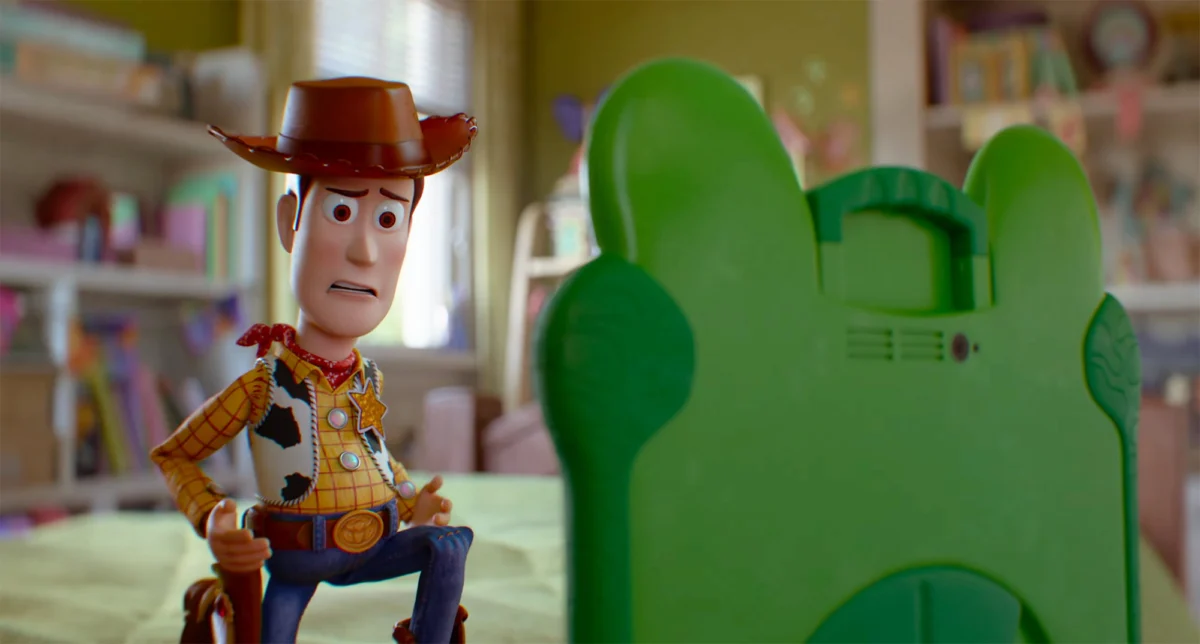
Disney and Pixar have officially released the final trailer for Toy Story 5, igniting widespread anticipation for the latest installment in the beloved animated franchise. Scheduled for a global theatrical release on June 19, 2026, this film marks a significant milestone, arriving 31 years after the original Toy Story redefined animated storytelling in 1995. This highly anticipated sequel promises to delve into a contemporary and highly relevant societal issue: the pervasive influence of technology on childhood play. The narrative pivots around the beloved ensemble of Woody, Buzz Lightyear, and Jessie, who find their fundamental purpose challenged by the advent of ubiquitous electronic devices, personified by the formidable new villain, Lilypad, a high-tech, frog-shaped smart tablet.
A Franchise Evolution: Three Decades of Storytelling
The Toy Story franchise has consistently pushed the boundaries of animation, emotional storytelling, and technological innovation since its inception. The original 1995 film, a groundbreaking achievement as the first feature-length film entirely computer-animated, introduced audiences to a vibrant world where toys come to life when humans are not present. It explored themes of friendship, obsolescence, and the enduring power of play, resonating deeply with audiences worldwide and cementing Pixar’s reputation as a visionary animation studio.
Following the immense success of the first film, Toy Story 2 (1999) expanded the narrative, introducing Jessie and further exploring Woody’s existential crisis regarding his purpose. Toy Story 3 (2010) delivered a poignant exploration of growing up and letting go, widely acclaimed for its emotional depth and narrative sophistication. Toy Story 4 (2019) continued this exploration, focusing on Woody’s journey of finding new purpose beyond his primary child, Bonnie, and introducing the endearing character of Forky. Each sequel not only achieved critical acclaim but also demonstrated remarkable commercial success, solidifying the franchise as a cultural phenomenon and a cornerstone of Disney’s animated legacy.
Toy Story 5, arriving seven years after its predecessor, is positioned to tackle perhaps the most contemporary challenge faced by traditional toys. The premise – "Bonnie doesn’t want to play with toys anymore. She needs me!" – starkly highlights the central conflict, reflecting a real-world shift in children’s recreational habits. The decision to confront "the elephant in the room – technology" directly speaks to a broader cultural conversation about screen time, digital immersion, and the perceived decline of imaginative, hands-on play. This thematic pivot ensures the franchise remains relevant, addressing a generational concern while staying true to its core identity of exploring the lives and purposes of toys.
Thematic Core: Toys vs. Technology

At the heart of Toy Story 5 lies a compelling narrative conflict that pits the enduring charm of traditional playthings against the captivating allure of modern electronics. The introduction of Lilypad, a high-tech, frog-shaped smart tablet voiced by the acclaimed Greta Lee, symbolizes this contemporary challenge. Lilypad is not merely a device; it is presented as a sentient antagonist, actively competing for children’s attention and diminishing the role of traditional toys. This plot device is a direct reflection of societal trends, where smartphones, tablets, and gaming consoles have become ubiquitous in children’s lives, often at the expense of physical toys and outdoor activities.
The film’s premise suggests a high-stakes battle for the very essence of childhood. Woody, Buzz, Jessie, and their companions must not only contend with the appeal of these new digital devices but also strive to remind children, particularly Bonnie, of the unique joys and developmental benefits associated with tangible play. This thematic depth allows Toy Story 5 to function not just as an entertaining animated feature, but also as a subtle commentary on evolving parenting paradigms and the future of childhood itself. The question "Will they convince kids to go back to old toys?" encapsulates the film’s central dilemma, promising a poignant and perhaps challenging exploration of the relationship between children and their playthings in the digital age.
Furthermore, the character of Smarty Pants, a toilet training tech toy voiced by Conan O’Brien, adds another layer to this technological intrusion. Smarty Pants represents the integration of technology into even the most basic aspects of child development, underscoring how deeply embedded electronics have become. This juxtaposition of old and new, traditional and digital, is expected to provide both humor and thoughtful reflection, a hallmark of Pixar’s storytelling.
A Legacy of Voices: The Enduring Cast
The consistency of its stellar voice cast has been a critical factor in the Toy Story franchise’s sustained appeal, and Toy Story 5 proudly continues this tradition. Tom Hanks returns as the ever-loyal cowboy Woody, a character whose moral compass and unwavering devotion have anchored the series for decades. Hanks’s ability to convey deep emotion and resilience through Woody’s voice has made the character one of the most beloved in cinematic history. Tim Allen reprises his role as the courageous space ranger Buzz Lightyear, whose journey from deluded action figure to steadfast friend has provided much of the franchise’s humor and heart. Allen’s distinctive delivery brings a unique blend of bravado and vulnerability to Buzz.
Joan Cusack saddles up once more as Jessie, the rootin’ tootin’ cowgirl whose energetic spirit and backstory of abandonment have resonated with many. Her return ensures that the vibrant, adventurous spirit of the toy group remains intact. From Toy Story 4, Tony Hale also returns as Forky, the spork-turned-toy who grapples with his identity and purpose, adding a layer of existential humor and innocence to the ensemble. Bonnie, the current owner of the toys, also returns, providing the human anchor for the toys’ adventures and struggles.
The new additions to the voice cast are equally noteworthy. Greta Lee, known for her captivating performances in films like Past Lives, lends her voice to Lilypad, the sophisticated, frog-shaped smart tablet antagonist. Lee’s involvement suggests a nuanced portrayal of the villain, potentially imbuing Lilypad with an intelligence and charm that makes her all the more formidable. Conan O’Brien, a celebrated late-night host and comedian, joins the cast as Smarty Pants, a toilet training tech toy. O’Brien’s comedic timing and distinctive voice are expected to add a unique, perhaps even satirical, dimension to the technological elements of the story. The blending of these veteran talents with fresh voices promises to deliver both familiarity and innovation, ensuring the emotional and comedic integrity of the series.

The Helm of Innovation: Andrew Stanton’s Vision
Toy Story 5 sees Andrew Stanton stepping into the director’s chair for a Toy Story film for the first time, a significant development given his extensive and celebrated history with Pixar. Stanton is a foundational figure at the animation studio, having contributed to the development of numerous iconic films. His directorial credits include critically acclaimed masterpieces such as A Bug’s Life (co-director), Finding Nemo, Wall-E, and Finding Dory. His work is characterized by strong narrative arcs, profound emotional depth, and often, a keen observation of societal dynamics or environmental themes, as seen in Wall-E.
While this marks his first solo directorial venture within the Toy Story series, Stanton’s long-standing involvement with Pixar, including his work as a writer on the original Toy Story and its sequels, positions him uniquely to shepherd this new chapter. His deep understanding of the franchise’s characters, themes, and narrative conventions, combined with his proven track record of creating compelling and emotionally resonant stories, bodes well for Toy Story 5. Co-directing alongside Stanton is Kenna Harris, known for her work on Ciao Alberto, indicating a collaborative approach to the film’s creative direction. Lindsey Collins, a seasoned Pixar producer whose credits include Turning Red, Wall-E, and Finding Dory, oversees the production, ensuring the film adheres to Pixar’s high standards of quality and storytelling. Stanton is also credited with writing the screenplay, further consolidating his creative vision for the film. This experienced leadership team is tasked with balancing the beloved elements of the Toy Story universe with fresh perspectives required to address its timely subject matter.
Franchise Financial Fortitude and Critical Acclaim
The Toy Story franchise has consistently been a commercial powerhouse for Disney and Pixar. The cumulative global box office gross for the first four films exceeds $3 billion, making it one of the highest-grossing animated series of all time. Each installment has not only performed exceptionally well financially but has also garnered widespread critical acclaim, with all films maintaining high ratings on aggregators like Rotten Tomatoes, consistently lauded for their innovative animation, intelligent storytelling, and emotional resonance. Toy Story 3 and Toy Story 4 notably earned Academy Awards for Best Animated Feature, a testament to their cinematic excellence.
This track record places Toy Story 5 under considerable scrutiny, both from a commercial and artistic standpoint. Industry analysts anticipate a strong opening for the film, leveraging the immense brand recognition and multigenerational appeal of the franchise. However, maintaining the series’ critical pedigree while introducing a new, potentially divisive theme like technology will be a key challenge. Pixar, an animation studio renowned for its originality and willingness to explore complex themes, has recently faced some headwinds with films like Lightyear and the initial box office performance of Elemental. Therefore, Toy Story 5 is not just another sequel; it is a tentpole release that could reaffirm Pixar’s standing as a dominant force in family entertainment and demonstrate its ability to evolve its storytelling in response to contemporary societal shifts. The film’s success will be closely watched as an indicator of the studio’s future creative and commercial trajectory.
Anticipated Reactions and Broader Implications

While specific official statements from the cast and crew regarding the final trailer are yet to be widely disseminated, one can infer their perspectives based on past engagements and the overarching themes of the Toy Story universe. Andrew Stanton, as director, would likely emphasize the team’s commitment to honoring the franchise’s legacy while bravely exploring new, relevant territory. He might speak to the challenge and excitement of portraying a modern conflict – the struggle against digital distraction – through the eyes of classic toys, aiming for a story that is both entertaining and thought-provoking. Producers like Lindsey Collins would undoubtedly highlight the meticulous animation process, the dedication to character development, and the collaborative spirit that underpins Pixar’s creative output.
Veteran voice actors Tom Hanks and Tim Allen have consistently expressed their deep emotional connection to their characters and the profound impact Toy Story has had on audiences. They would likely articulate their enthusiasm for returning to roles that have become synonymous with their careers, perhaps commenting on how Toy Story 5 offers a fresh, timely narrative that resonates with today’s families. Greta Lee and Conan O’Brien, as newcomers, would probably share their excitement about joining such an iconic franchise and the unique challenge of voicing characters that embody the film’s central conflict.
The broader implications of Toy Story 5 extend beyond the cinematic experience. The film has the potential to reignite conversations among parents, educators, and children about the balance between screen time and traditional play. By presenting the conflict through the beloved Toy Story lens, it could offer a gentle yet powerful commentary on the importance of imaginative, hands-on interaction in child development. Culturally, the film might serve as a mirror, reflecting society’s ongoing grapple with technological saturation and its effects on human connection and simple joys. Economically, a successful Toy Story 5 would undoubtedly lead to a new wave of merchandising, reigniting interest in physical toys and potentially creating a nostalgic surge for classic playthings. It could also influence future animation projects, encouraging other studios to tackle socially relevant themes through the medium of family entertainment.
Conclusion
The release of the final trailer for Toy Story 5 signals the imminent arrival of a film poised to be a significant cultural event. With its compelling premise of classic toys battling modern technology, a stellar returning and new voice cast, and the experienced guidance of Andrew Stanton, the film is set to offer both nostalgic comfort and fresh, timely commentary. As audiences prepare for its June 19, 2026, debut, the anticipation is palpable, not just for another chapter in a beloved story, but for a film that promises to reflect and perhaps even influence our evolving understanding of childhood, play, and the digital age. The stage is set for Woody, Buzz, and the gang to embark on their most contemporary adventure yet, reminding us all of the enduring magic of play in a world increasingly dominated by screens.