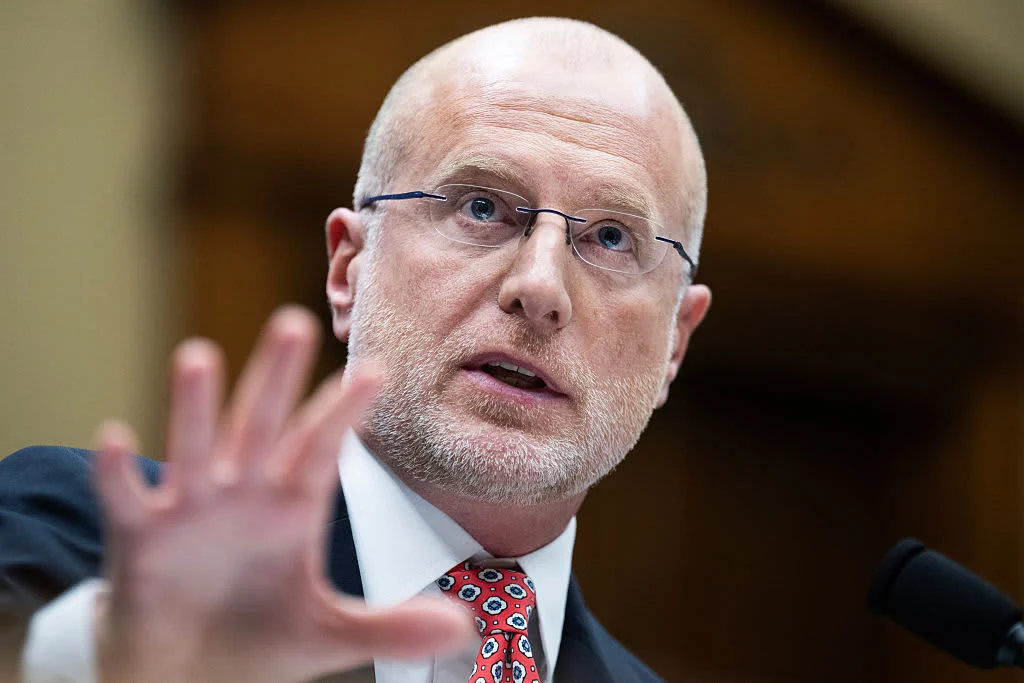
Federal Communications Commission Chairman Brendan Carr has signaled a favorable regulatory outlook for the proposed acquisition of Warner Bros. Discovery by Paramount, characterizing the transaction as a more straightforward and less competitively problematic deal than the previous bid submitted by Netflix. Speaking from the Mobile World Congress in Barcelona, Spain, Carr indicated that the Paramount-Skydance proposal faces a significantly smoother path toward federal approval, suggesting that the merger could be greenlit with relative speed.
The endorsement from the nation’s top communications regulator comes at a pivotal moment for the media industry, which has been reeling from rapid consolidation and shifting consumer habits. Carr’s comments underscore a growing sentiment within regulatory circles that a merger between two traditional media titans—Paramount and Warner Bros. Discovery (WBD)—poses fewer existential threats to the digital ecosystem than a takeover by a dominant streaming platform like Netflix. According to Carr, the Netflix proposal, which was recently discarded by the WBD board, raised profound "competition concerns" that would have likely resulted in a protracted and difficult legal battle with federal authorities.
A Comparison of Competing Offers
The battle for control over Warner Bros. Discovery’s vast portfolio, which includes HBO, CNN, and the historic Warner Bros. film studio, reached a climax last week when Paramount-Skydance submitted a revised offer. The new bid values WBD at $31 per share, a notable increase from its previous $30 per share valuation. This improved offer was ultimately deemed "superior" by the Warner Bros. Discovery board of directors, effectively ending months of speculation regarding a potential deal with Netflix.
Netflix’s proposal had centered on acquiring WBD’s premium studio assets and its streaming infrastructure for $27.75 per share. However, as the Paramount bid gained momentum and financial backing, Netflix executives withdrew their interest, stating that the acquisition was "no longer financially attractive" in the face of the higher valuation offered by the Paramount-Skydance consortium.
Carr noted that the Netflix deal would have faced an uphill climb at the FCC and the Department of Justice. "There’s a lot of concerns when Netflix was the potential buyer there," Carr told CNBC. "That particular combination raised a lot of competition concerns. The Paramount deal is a lot cleaner and does not raise at all the same types of concerns. I think there are some real consumer benefits that can emerge from it."
Chronology of the Media Megadeal
The path to this potential merger has been marked by significant financial maneuvering and shifts in the political landscape. To understand the current state of the deal, one must look at the sequence of events over the past year:
- Late 2024: Paramount Global successfully completes its merger with Skydance Media, creating a consolidated entity with significant production capabilities and a refreshed balance sheet.
- December 2025: Speculation intensifies regarding Warner Bros. Discovery’s future as the company seeks to manage its heavy debt load. Netflix emerges as a surprise suitor, aiming to bolster its content library with HBO and Warner Bros. IP.
- January 2026: President Donald Trump offers conflicting signals regarding media consolidation, initially calling a potential Netflix-WBD deal a "problem" before clarifying that the Department of Justice would handle the review independently.
- February 19, 2026: Famed director James Cameron and other industry stalwarts send a scathing letter to antitrust lawmakers, warning that a Netflix acquisition of WBD would lead to the "destruction of the theatrical experience" and a reduction in original film production.
- February 26, 2026: Paramount-Skydance submits its revised $31 per share offer. The WBD board officially designates this as the superior bid.
- March 2, 2026: Paramount executives outline their post-merger strategy, including the unification of Paramount+ and HBO Max and a commitment to theatrical releases.
Financial Stakes and Structural Differences
One of the primary reasons the Paramount bid is viewed as "cleaner" by regulators is its scope. Unlike the Netflix offer, which sought to cherry-pick WBD’s streaming and studio assets, Paramount’s bid encompasses the entirety of the company. This includes WBD’s extensive network of "linear" or pay-TV channels, such as CNN, TBS, TNT, and Discovery.
By absorbing the whole company, Paramount avoids the "strip-mining" concerns that often plague deals where only high-growth assets are acquired, leaving the legacy business to wither. To demonstrate its commitment, Paramount has already paid the $2.8 billion breakup fee that Warner Bros. Discovery owed to Netflix following the termination of their negotiations. Furthermore, Paramount has agreed to a $7 billion breakup fee of its own, signaling high confidence that the deal will pass regulatory muster.

The deal is backed by approximately $24 billion in financing, a portion of which is sourced from Gulf state sovereign wealth funds. While this introduces a layer of scrutiny from the Committee on Foreign Investment in the United States (CFIUS), analysts suggest that the strategic importance of the merger to the domestic media industry may outweigh concerns over the origin of the capital.
Regulatory and Political Friction
Despite Chairman Carr’s optimistic outlook, the merger is not without its detractors. The prospect of horizontal consolidation—where two direct competitors in the same industry merge—has drawn the ire of progressive lawmakers. Senator Elizabeth Warren (D-Mass.) has been a vocal critic, labeling the Paramount-WBD merger an "antitrust disaster" that threatens to result in higher subscription prices and fewer choices for American households.
The primary concern for critics lies in the concentration of intellectual property. A combined Paramount-WBD would own a staggering percentage of Hollywood’s most iconic franchises, from Star Trek and Mission: Impossible to DC Comics and Game of Thrones.
Paren Knadjian, a partner at advisory firm EisnerAmper, noted that the regulatory process might still require significant concessions. "The biggest thing we’re going to focus on is the concentration of intellectual property under one roof," Knadjian said. "What power does that give this new entity in terms of the ability to charge more? The regulatory pressure and the political pressure will certainly delay the deal and make it more complicated."
However, analysts from Raymond James argue that the political standing of the Paramount-Skydance leadership is currently stronger than that of Netflix, particularly within the current administration. They suggest that while the deal involves complex assets like news and sports, it is ultimately "more palatable" than allowing a tech-first streaming giant to absorb a century-old film studio.
Implications for the Future of Entertainment
If the merger proceeds as expected, the landscape of American media will be fundamentally altered. Paramount has already signaled its intent to merge Paramount+ with HBO Max into a single, unified streaming platform. This "super-service" would aim to compete directly with Disney+ and Netflix, offering a combination of prestige dramas, live sports, and breaking news.
On the theatrical front, Paramount has committed to releasing at least 30 films annually. This move is seen as a direct response to the "smaller film slate" fears that permeated the industry during the Netflix negotiations. By maintaining a robust theatrical presence, the new entity hopes to preserve the traditional Hollywood ecosystem while simultaneously building a dominant digital footprint.
Chairman Carr’s belief that the FCC will play a "minimal role" suggests that the primary hurdle will be the Department of Justice’s antitrust division. If the DOJ follows Carr’s logic—that the deal is a "cleaner" alternative to the disruption a Netflix takeover would have caused—the media world could see the birth of its newest titan by the end of the year.
As the industry moves toward this massive consolidation, the focus now shifts to the specifics of the transition. With billions of dollars in breakup fees on the line and the future of some of the world’s most recognizable media brands hanging in the balance, the Paramount-WBD merger represents the most significant test of media antitrust policy in the modern era. For now, the "cleaner" path identified by Chairman Carr provides a roadmap for a deal that aims to stabilize a volatile industry through the creation of a massive, multifaceted entertainment powerhouse.