


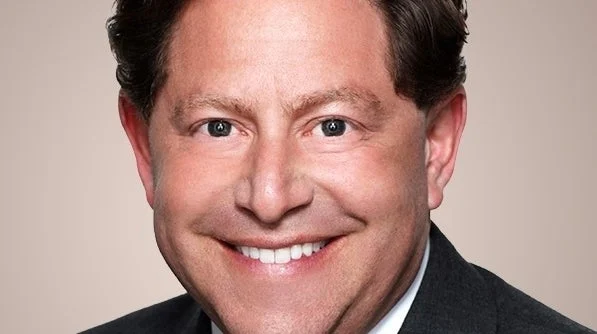
The former chief executive officer of Activision Blizzard, Bobby Kotick, has leveled significant allegations against the Swedish pension fund Sjunde AP-Fonden (AP7), claiming that its legal challenge against Microsoft’s $68.7 billion acquisition of the gaming giant was a calculated move designed to benefit a competitor. In a series of legal filings submitted to the Delaware Court of Chancery, Kotick and his legal team asserted that the lawsuit was not a genuine effort to protect shareholder interests, but rather a strategic maneuver intended to pave the way for the Sweden-based Embracer Group to expand its influence within the California gaming market. This claim introduces a complex new layer to the protracted legal battles that surrounded one of the largest tech acquisitions in history, suggesting that international corporate rivalries may have played a silent role in the litigation process.
The legal response, which surfaced via reports from Game File, details Kotick’s belief that the lawsuit filed by AP7 in late 2022 was orchestrated to weaken Activision Blizzard’s standing. According to the court documents, Kotick argues that the litigation sought to disrupt Activision’s ability to recruit top-tier talent and engage in its own merger and acquisition (M&A) activities—strategies that the company had historically utilized to maintain its dominance. By creating a prolonged period of legal uncertainty and reputational damage, the lawsuit allegedly aimed to create a vacuum in the California market that the Embracer Group could subsequently fill.
The Origins of the AP7 Lawsuit and Allegations of a Rushed Sale
The lawsuit initiated by AP7, a major Swedish national pension fund with significant investments in global equities, centered on the timing and motivation behind the Microsoft-Activision Blizzard merger. AP7 alleged that the $95-per-share cash deal was "rushed through" by the Activision Blizzard board of directors. The core of the pension fund’s argument was that the sale served as a "fire sale" designed to protect Bobby Kotick from the fallout of several investigations into workplace misconduct.
In 2021 and 2022, Activision Blizzard faced intense scrutiny following a lawsuit from the California Department of Fair Employment and Housing (now the Civil Rights Department), which alleged a pervasive "frat boy" culture, systemic gender discrimination, and sexual harassment within the company. AP7 contended that the merger with Microsoft was a strategic exit for Kotick, allowing him to bypass personal accountability and secure a massive payout while the company’s valuation was arguably depressed by the ongoing scandals. The pension fund argued that the board failed in its fiduciary duty to seek the highest possible value for shareholders, prioritizing instead a quick resolution to the CEO’s mounting legal and public relations problems.
Kotick’s recent court response directly disputes this narrative. He maintains that the negotiations with Microsoft were conducted with the company’s long-term health in mind and were not a defensive reaction to personal legal threats. By reframing the AP7 lawsuit as a tool for a competitor, Kotick’s defense seeks to undermine the credibility of the plaintiffs and cast the litigation as a form of corporate sabotage rather than a shareholder rights movement.
The Role of Embracer Group and Corporate Rivalry
The mention of Embracer Group in Kotick’s legal filings highlights the aggressive expansionist phase the Swedish conglomerate was undergoing during the period of the Microsoft-Activision merger. Embracer Group, led by CEO Lars Wingefors, had spent billions of dollars acquiring dozens of studios and intellectual properties, including the acquisition of Crystal Dynamics, Eidos-Montréal, and the rights to The Lord of the Rings.
Kotick’s legal team suggested that Embracer Group may have acted as a "potential secret collaborator" on the AP7 suit. The logic presented to the court was that by hampering Activision’s operational capabilities in California—a global hub for game development—Embracer could more easily poach elite developers and acquire smaller California-based studios that might otherwise have been targets for Activision Blizzard.
Embracer Group has categorically denied these allegations. In a statement provided to Game File, the company dismissed the notion that it required the assistance of a pension fund to compete. The company characterized Kotick’s claims as a deflection, asserting that their growth strategy was independent of Activision’s legal troubles. Despite the denial, the accusation underscores the high-stakes environment of the gaming industry, where the struggle for talent and market share often spills over into the courtroom.
A Chronology of Conflict: 2021 to 2023
To understand the weight of Kotick’s allegations, one must examine the timeline of events that led to the closing of the Microsoft deal.
- July 2021: The California Department of Fair Employment and Housing files a lawsuit against Activision Blizzard after a two-year investigation, alleging widespread harassment and discrimination. This triggers a massive internal crisis, employee walkouts, and the resignation of several high-level executives.
- November 2021: A damaging report by the Wall Street Journal alleges that Bobby Kotick was aware of various incidents of sexual misconduct for years and failed to report them to the board. This leads to a petition signed by over 1,300 employees calling for Kotick’s resignation.
- January 2022: Microsoft announces its intent to acquire Activision Blizzard for $68.7 billion. The deal is structured as an all-cash transaction at $95 per share.
- November 2022: AP7 files its lawsuit in the Delaware Court of Chancery, alleging the merger was a "sham" designed to protect Kotick and that the board breached its fiduciary duties.
- 2023: The merger faces intense regulatory scrutiny from the U.S. Federal Trade Commission (FTC), the European Commission, and the UK’s Competition and Markets Authority (CMA).
- October 2023: After winning a key legal battle against the FTC and restructuring the deal to satisfy the CMA, Microsoft officially closes the acquisition of Activision Blizzard.
- December 2023: Bobby Kotick officially steps down as CEO of Activision Blizzard. During the same month, his legal team files the response alleging the AP7-Embracer connection.
Supporting Data and Financial Context
The financial implications of the Microsoft acquisition were staggering. The $95-per-share offer represented a roughly 45% premium over Activision’s stock price at the time of the announcement. However, critics like AP7 argued that before the 2021 scandals, Activision’s stock had reached highs of over $100 per share, suggesting that the "misconduct discount" allowed Microsoft to acquire the company at a lower price than its true potential value.
Furthermore, Activision Blizzard’s performance during the transition period remained robust in terms of revenue, driven by the Call of Duty franchise and Diablo IV. In its final quarterly report as an independent company, Activision Blizzard reported better-than-expected earnings, which Kotick’s supporters point to as evidence that the company was not in a state of "fire sale" desperation, but rather a valuable asset that Microsoft was eager to integrate.
On the other side of the ledger, Embracer Group’s rapid expansion eventually hit a significant roadblock. In mid-2023, the company announced a massive restructuring program, including studio closures and layoffs, following the collapse of a reported $2 billion deal with a Saudi-backed group. This context makes Kotick’s claims of Embracer seeking a competitive edge through litigation particularly notable, as it suggests a period of intense, perhaps over-leveraged, competition for industry dominance.
Official Responses and Defensive Posture
Bobby Kotick has a history of aggressive defense against legal challenges. He previously described the various government agency lawsuits regarding workplace culture as "fake lawsuits," claiming they were orchestrated by labor unions—specifically the Communications Workers of America (CWA)—to drive membership and influence. He similarly dismissed employee petitions for his removal as fraudulent, though he never provided substantial evidence to back the "fake" designation of the signatures.
In the Delaware proceedings, Kotick’s lawyers have maintained that the CEO’s actions were always aligned with the best interests of the corporation. They argue that the Microsoft deal provided the most certain and lucrative path forward for shareholders amidst a volatile regulatory and social climate.
The Delaware Court of Chancery, known for its expertise in corporate law, continues to oversee the remnants of these shareholder disputes. While the merger is complete, the resolution of these lawsuits will set important precedents regarding the "fiduciary duty of disclosure" and the responsibilities of a board when a CEO is under personal investigation during a major transaction.
Broader Impact and Industry Implications
The allegations involving AP7 and Embracer Group highlight the increasing globalization of corporate litigation in the tech sector. When a Swedish pension fund sues an American company in a Delaware court over a deal involving a multinational corporation like Microsoft, the intersections of international finance and local labor markets become clear.
For the gaming industry, the fallout of these legal battles continues to influence corporate governance. Companies are now under greater pressure to demonstrate transparent misconduct reporting and to ensure that M&A activity is shielded from the personal legal liabilities of executives. The "frat boy" culture allegations at Activision Blizzard served as a catalyst for a broader "Me Too" movement within the gaming world, leading to similar investigations at Ubisoft, Riot Games, and other major developers.
Furthermore, the claim that litigation can be used as a tool for "talent poaching" and market destabilization may lead to more rigorous scrutiny of the motivations behind shareholder lawsuits. If courts begin to find evidence of "secret collaboration" between plaintiffs and competitors, it could change the landscape of how corporate mergers are challenged and defended.
As the industry moves forward, the legacy of Bobby Kotick’s tenure at Activision Blizzard remains a subject of intense debate. While he successfully navigated the company through decades of growth and ultimately secured a historic exit, the shadow of the workplace culture scandals and the subsequent legal skirmishes—including the accusations against AP7 and Embracer—will likely define the historical narrative of his final years at the helm. For now, the Delaware court remains the final arbiter of whether these claims of corporate conspiracy hold weight or if they are simply the final defensive volleys of a controversial executive.