The final week of May 2024 has seen a diverse array of engagement across the gaming landscape, ranging from deep-dives into high-fidelity AAA expansions to the persistent allure of legacy MMOs on portable hardware. As the industry moves toward the summer showcase season, player behavior continues to reflect a blend of social cooperative play, solo immersion in dark fantasy, and the increasing necessity of "bite-sized" gaming for the traveling professional. This report analyzes the current state of several major titles, including Blizzard’s latest updates to the Diablo IV universe, the resurgence of Old School RuneScape in mobile contexts, and the community-driven development of Subnautica 2.
Artistic Fidelity and Physiological Realism in Diablo IV: Vessel of Hatred
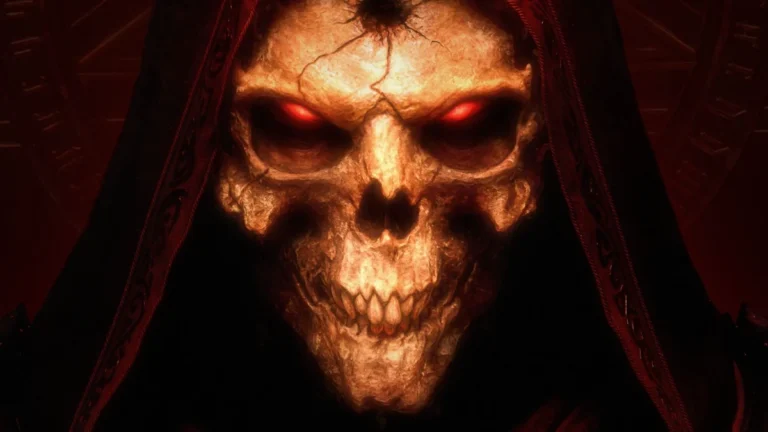
Blizzard Entertainment has long been recognized for its cinematic prowess, a reputation further solidified by the recent promotional cycles for the Diablo IV expansion, Vessel of Hatred. Beyond the high-budget CGI trailers, players have noted a significant level of detail in the game’s internal character engine. A focal point of recent community discussion has been the anatomical realism applied to the various character classes, which serves as a primary driver for immersion in the dark world of Sanctuary.
The design philosophy behind Diablo IV’s character creation deviates from the stylized proportions of its predecessor, Diablo III, opting instead for a grounded, grit-focused aesthetic. The musculature of the Barbarian class, for instance, is modeled with a focus on functional mass—reflecting a body type capable of wielding massive two-handed maces and enduring the physical toll of front-line combat. In contrast, the Necromancer class features a lithe, almost emaciated frame, which aligns with the lore-heavy theme of death and spiritual attrition.
Industry analysts suggest that this level of detail is not merely cosmetic but is a calculated move to increase "player-character bonding." When a character’s physical appearance reflects their mechanical role, players report higher levels of satisfaction with the role-playing experience. Blizzard’s art team reportedly conducted extensive research into human anatomy and various athletic builds to ensure that as characters move, strike, and cast spells, their muscle groups react with a high degree of fidelity to real-world physics. This commitment to visual storytelling ensures that even before a player engages in the "Lord of Hatred" narrative, the world feels inhabited by believable entities.
The Portability Revolution: Legacy MMOs and Public Gaming Habits
As global travel returns to pre-pandemic levels, the intersection of gaming and mobility has become a critical area of market growth. The experience of the modern "working-age adult" gamer is increasingly defined by hardware flexibility. Titles with "lax hardware requirements," such as Old School RuneScape (OSRS), have seen a sustained presence on mobile devices and low-spec laptops. Developed by Jagex, OSRS remains a staple of the genre due to its point-and-click interface, which translates seamlessly to touchscreens, and its server infrastructure that allows for meaningful progress even during brief intervals, such as airport delays.

The recent observation of gaming habits in transit hubs like LAX (Los Angeles International Airport) reveals a shifting demographic. No longer confined to a specific age group, "on-the-go" gaming now spans a wide spectrum:
- High-Level Strategy in Transit: Business professionals have been observed engaging with indie hits like Balatro, a poker-themed roguelike that has dominated the handheld market in 2024 due to its addictive loop and minimal hardware demands.
- Social Mobile Giants: Monopoly Go continues to capture the "casual" older demographic, leveraging social mechanics and recognizable branding to maintain a top position in app store charts.
- Niche Interests: The presence of Warhammer 40,000 mobile titles in baggage claim areas highlights the success of Games Workshop’s licensing strategy, which has successfully transitioned a tabletop hobby into a ubiquitous digital presence.
This trend underscores a broader industry shift: the "prestige" of a game is no longer tied solely to its graphical output, but rather its accessibility. For the traveling gamer, the ability to train "Agility" in RuneScape or manage a digital empire from a boarding gate is more valuable than the raw power of a home-bound desktop rig.
Subnautica 2 and the Evolution of the Survival-Crafting Genre
The survival-crafting genre remains one of the most resilient segments of the PC gaming market, with Subnautica 2 currently serving as a primary case study for the Early Access model. Developed by Unknown Worlds Entertainment, the sequel moves players from the familiar waters of 4546B to the alien environments of Planet Proteus. While the game is currently in an early developmental stage with limited content, the introduction of cooperative multiplayer has fundamentally altered the community dynamic.
In the original Subnautica, the sense of isolation was a core pillar of the horror-survival experience. Subnautica 2, however, embraces the "social survival" trend. Players are now utilizing "Tadpole Divers"—small, maneuverable submersibles—to explore bioluminescent trenches in teams. This shift has led to new gameplay emergent behaviors, such as coordinated base building and collective defense strategies against the game’s signature "Leviathan" class predators.
The Early Access phase is proving vital for Unknown Worlds to balance the game’s difficulty. Data from early sessions suggests that the presence of multiple players can embolden users to take risks that would be avoided in a solo setting, often leading to "Total Party Kills" when encountering high-level threats. The developer’s iterative approach, utilizing player feedback to refine communication tools and base-building mechanics, exemplifies the modern "live-service" approach to game development where the community acts as an extended quality assurance team.
Market Implications and Chronology of Recent Updates
The gaming landscape in late May 2024 is defined by several key milestones that have influenced these player experiences:

- May 14-20: Significant patches were rolled out for Diablo IV to prepare the infrastructure for the Lord of Hatred content, focusing on class balance and endgame loot tables.
- May 21: Jagex reported a spike in mobile logins for Old School RuneScape, coinciding with the start of the summer travel season in the Northern Hemisphere.
- May 22: Unknown Worlds released a community update for Subnautica 2, addressing stability issues in multiplayer lobbies and teasing new biomes for the Proteus map.
The broader implication of these trends is a "fragmented immersion" model. Players are no longer dedicated to a single platform or a single style of play. Instead, they oscillate between the high-intensity, visually demanding sessions of Diablo IV on a PS5 and the low-intensity, "nosy" public gaming of mobile titles.
Broader Impact on the Gaming Community
The social aspect of gaming has also evolved beyond the screen. As noted by observers in public spaces, gaming has become a "visible" hobby. Seeing a fellow traveler play a niche title like a Warhammer 40k mobile game or a deck-builder like Balatro creates a sense of unspoken community. This visibility reduces the stigma formerly associated with adult gaming and reinforces the medium’s status as a primary form of entertainment, comparable to reading a book or watching a film during transit.
Furthermore, the "together thing"—the act of waiting for a partner or friend to be "in the mood" to play a specific title—highlights the emotional weight of cooperative gaming. For many, games like Diablo IV or Subnautica 2 are not just software, but shared social spaces. When one player is unable to participate, it creates a "spiky bed" of anticipation and restraint for the other, illustrating how deeply integrated these digital experiences have become in modern interpersonal relationships.
As we move into June, the industry expects a surge of announcements that will likely further bridge the gap between high-end console gaming and the ultra-portable mobile market. For now, the players remain "hooked" on a blend of anatomical artistry, nostalgic grinding, and the terrifying depths of alien oceans.