




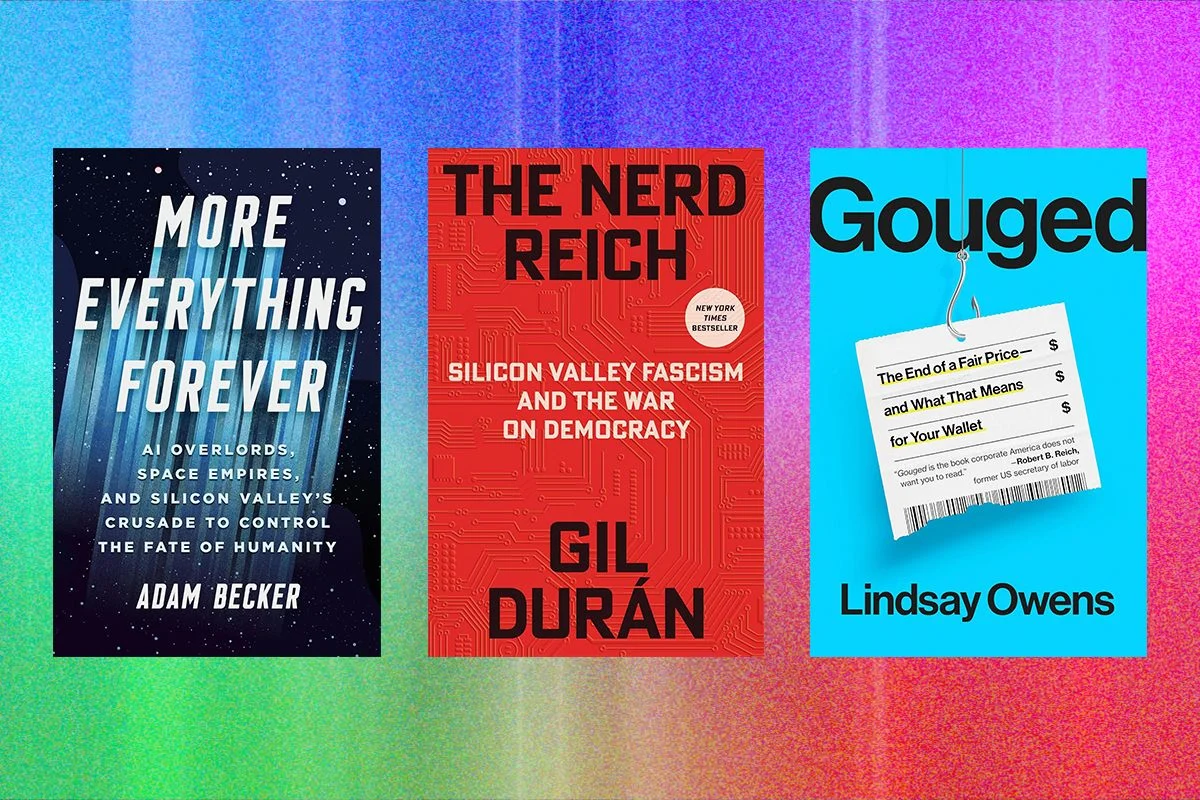
The profound, far-reaching influence of Big Tech on modern civilization is nearly impossible to overstate, having fundamentally altered how society communicates, conducts commerce, and processes information. Understanding the trajectory of this digital revolution requires examining the origins, triumphs, and controversies of the dominant enterprises and visionary characters that engineered the gadgets, platforms, and algorithms defining contemporary life. For enthusiasts, scholars, and casual readers alike, literature offering an unvarnished look into the inner workings of the technology sector provides essential context. Whether detailing the grueling hardware races of the early computer age or the modern geopolitical battles over microscopic semiconductors, these volumes deliver intricate narratives filled with ambition, innovation, and human drama.

The Evolution of the Digital Age and Corporate Empires
The chronicle of modern technology is rooted in relentless innovation, fierce corporate rivalries, and the sheer willpower of unconventional leaders. Over the past several decades, the global economy has transitioned from an industrial paradigm to one anchored in information technology, artificial intelligence, and ubiquitous connectivity. This monumental shift did not happen overnight; it was forged through decades of trial, error, and high-stakes engineering.
Books exploring these themes serve as historical artifacts and cautionary tales alike. They illuminate how small startups operating out of suburban garages evolved into multinational conglomerates wielding economic and political power that rivals sovereign states. By dissecting the decisions made by key industry architects, readers gain insight into the systemic forces shaping the digital ecosystem. As the technology sector continues to expand into sensitive domains like biotechnology, quantum computing, and generative artificial intelligence, understanding its historical roots becomes paramount for policymakers, investors, and everyday consumers navigating an increasingly automated world.

Semiconductors and the Infrastructure of Modern Intelligence
At the heart of today’s technological prowess lies the microchip—a microscopic piece of silicon that dictates the operational capacity of everything from household appliances to supercomputers running complex artificial intelligence models. The strategic importance of these components cannot be understated, transforming them into geopolitical focal points for superpowers.
Among the standout recent additions to the literary landscape is The Thinking Machine: Jensen Huang, Nvidia, and the World’s Most Coveted Microchip by Stephen Witt. This comprehensive work explores the meteoric rise of Nvidia under the leadership of Jensen Huang, tracing the company’s transformation from a niche graphics card manufacturer into the indispensable backbone of the artificial intelligence boom. Witt’s narrative contextualizes the immense engineering hurdles, economic gambles, and global supply chain dynamics that positioned Nvidia at the epicenter of the modern tech economy. Industry analysts frequently point to the semiconductor sector as the ultimate bottleneck and accelerator of technological progress, making such examinations crucial for understanding future market trends and geopolitical friction points.

Pioneering Paces: The Early Days of Computing
Before smartphones and cloud computing dominated daily existence, the foundation of the digital revolution was laid by eccentric engineers, visionary programmers, and desperate corporate underdogs willing to risk everything on unproven architectures.
A quintessential chronicle of this era is The Soul of a New Machine by Tracy Kidder. Originally published in 1981, this Pulitzer Prize-winning book provides a timeless, granular look at the intense, grueling process of developing a new computer at Data General during the late 1970s. Kidder embeds himself with the engineering team—affectionately and exhaustively known as "Dataers"—as they work through crushing deadlines, technical roadblocks, and corporate politics. The book remains a masterclass in organizational psychology and technological history, illustrating the human cost and intellectual exhilaration of pushing the boundaries of what machinery could achieve. It serves as a stark reminder that behind every monumental technological leap are exhausted, brilliant individuals laboring in windowless rooms.

Profiles in Ambition: Biographies of Iconoclasts
The personality-driven nature of the technology sector means that individual leaders frequently become synonymous with the products they create. Their management styles, philosophies, and flaws inevitably become embedded in the corporate cultures of the companies they helm.
Walter Isaacson’s Steve Jobs stands as the definitive biographical exploration of Apple’s enigmatic co-founder. Based on more than forty interviews with Jobs conducted over two years, as well as interviews with more than a hundred family members, friends, adversaries, competitors, and colleagues, Isaacson delivers an unsparing and deeply revealing portrait. The book does not shy away from Jobs’s intense perfectionism, volatile temperament, and famously difficult interpersonal style, while simultaneously celebrating his unmatched aesthetic vision and relentless drive for innovation. Through this narrative, readers observe how a single individual’s obsession with design and user experience reshaped multiple industries, including personal computing, animated movies, music, phones, tablet computing, and digital publishing.

Navigating the Mirror Worlds of Digital Culture
As technology permeates deeper into human consciousness, its psychological and societal side effects demand rigorous critique. The modern tech landscape is no longer just about hardware and software; it encompasses information ecosystems, surveillance capitalism, and the psychological impacts of hyper-connectivity.
Naomi Klein’s Doppelganger: A Trip Into the Mirror World tackles the disorienting nature of contemporary digital discourse, conspiracy theories, and the political polarization amplified by algorithmic social media platforms. Klein uses her own experiences of being frequently confused with a prominent public intellectual holding opposing views to embark on a wider exploration of shadow selves, digital reflections, and the alternate realities constructed online. By analyzing how internet culture distorts reality and fractures public consensus, the book provides vital reading for those attempting to comprehend the socio-political ramifications of the digital age.

Chronology of Major Tech Literary Milestones
To fully appreciate the scope of tech literature, it is helpful to examine the historical timeline of the industry alongside the seminal books that documented its evolution:
- 1940s–1950s (The Theoretical Foundation): The birth of computing theory, highlighted by the work of Alan Turing and the development of early vacuum-tube computers like ENIAC.
- 1970s–1980s (The Personal Computer Revolution): The founding of Apple, Microsoft, and the intense hardware races documented in works like The Soul of a New Machine.
- 1990s–2000s (The Dot-Com Boom and Web Expansion): The commercialization of the internet, the rise of e-commerce, and the eventual market correction, capturing the transition from desktop computing to networked connectivity.
- 2010s (The Mobile and Social Media Era): The dominance of smartphones, app ecosystems, and algorithm-driven social media platforms that fundamentally altered human social interaction.
- 2020s (The Artificial Intelligence and Geopolitical Era): The current landscape defined by generative AI breakthroughs, semiconductor supply chain dependencies, and heightened regulatory scrutiny over data privacy and monopolistic practices.
Economic and Sociopolitical Implications
The proliferation of critical and analytical literature concerning the technology sector reflects a broader cultural shift. For decades, the narrative surrounding Silicon Valley and major tech hubs was overwhelmingly celebratory, focusing on utopian ideals of connectivity, empowerment, and democratized access to information. However, as the economic power of these entities has concentrated, public and scholarly discourse has pivoted toward rigorous examination.

Recent literary additions—including explorations of corporate expansion in foreign markets, antitrust challenges, labor practices within the gig economy, and the environmental toll of data centers—demonstrate a maturation of tech journalism and non-fiction. Readers are increasingly demanding transparency regarding how algorithms influence democratic elections, how automated labor impacts employment structures, and how proprietary software locks consumers into closed ecosystems.
Industry analysts note that this critical literature acts as an informal regulatory mechanism, educating consumers, inspiring legislative inquiries, and encouraging ethical considerations among developers and executives alike. As artificial intelligence and quantum computing push society toward uncharted territory, the lessons preserved in these books will serve as essential guideposts. Whether seeking inspiration from the tenacity of early engineers, analyzing the strategic genius of modern semiconductor tycoons, or confronting the darker societal impacts of hyper-connectivity, the modern canon of tech literature offers indispensable insights into the forces dictating the future of human civilization.