



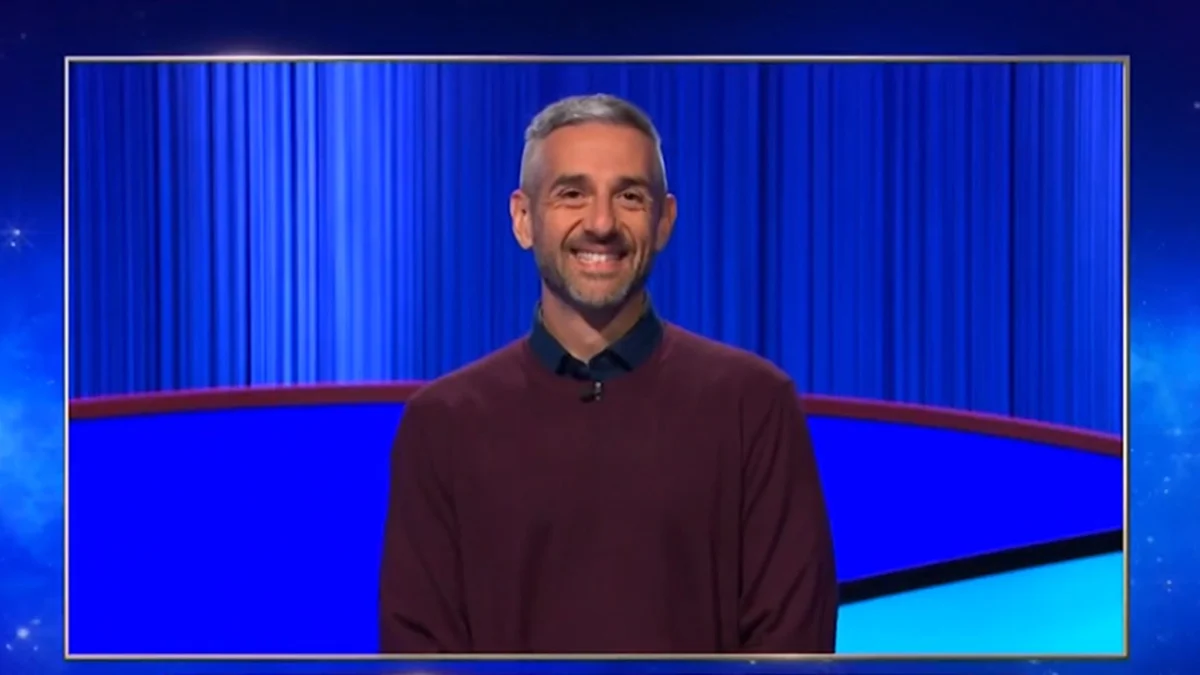
In a notable convergence of entertainment media and intellectual competition, Derek Kaufman, a prominent legal analyst regularly featured on "TMZ on TV" and "TMZ Live," captivated audiences nationwide with his appearance as a contestant on the esteemed quiz show "Jeopardy!" on April 30, 2026. The announcement sent ripples of excitement and anticipation through the corridors of TMZ, where Kaufman’s colleagues, including fellow legal commentator Jason Beckerman, eagerly awaited his performance, ready with both support and good-natured ribbing. This crossover event highlights the increasingly diverse paths media personalities take and underscores the enduring appeal of "Jeopardy!" as a cultural touchstone capable of drawing talent from varied professional backgrounds.
A Crossover Event for Television
Kaufman’s participation on "Jeopardy!" represents a fascinating intersection of two distinct, yet equally influential, segments of the television landscape. On one hand, "Jeopardy!" stands as a pillar of intellectual rigor and general knowledge, a show that has, for decades, celebrated erudition and quick thinking. On the other, TMZ has carved out a unique niche in the entertainment news industry, known for its fast-paced, often irreverent, and always news-breaking coverage of celebrity culture and its legal entanglements. The presence of a TMZ personality on such a hallowed academic stage creates a compelling narrative, bridging perceived gaps between popular culture commentary and high-stakes trivia.
The Enduring Legacy of Jeopardy!
"Jeopardy!" first premiered in 1964, created by Merv Griffin, and has since evolved into one of the most iconic and longest-running game shows in television history. Its unique answer-and-question format, where clues are presented as answers and contestants must phrase their responses in the form of a question, has captivated generations of viewers. The show’s commitment to intellectual integrity, coupled with its engaging format, has earned it numerous accolades, including multiple Daytime Emmy Awards. Over its storied run, "Jeopardy!" has become synonymous with general knowledge, quick recall, and competitive intellect, fostering a community of dedicated fans and aspiring contestants worldwide. The show’s ability to consistently attract millions of viewers daily, even in an increasingly fragmented media landscape, speaks volumes about its cultural resonance. It remains a benchmark for mental agility, drawing contestants from all walks of life—from academics and engineers to artists and, now, legal analysts from the entertainment news sphere. The late, beloved host Alex Trebek, who helmed the show for 37 seasons until his passing in 2020, solidified its status as a daily ritual for countless American households, his calm demeanor and sharp wit becoming integral to the show’s identity.
TMZ’s Unique Media Footprint
Conversely, TMZ, launched in 2005, rapidly ascended to prominence by pioneering a direct, often aggressive, approach to celebrity journalism. Co-founded by Harvey Levin, a former lawyer himself, the outlet distinguished itself through its relentless pursuit of breaking news, often obtaining exclusive footage and legal documents related to high-profile individuals. TMZ on TV and TMZ Live extend this journalistic ethos to broadcast platforms, offering daily analyses of celebrity news, legal proceedings, and public interest stories. Legal analysts like Derek Kaufman and Jason Beckerman play a crucial role in these programs, providing informed commentary on the intricate legal dimensions of celebrity scandals and broader societal issues. Their ability to dissect complex legal jargon and present it in an accessible, engaging manner is central to TMZ’s appeal. The platform’s success lies in its immediacy and its knack for delivering raw, unfiltered content, often blurring the lines between traditional news reporting and entertainment commentary. This distinct style has made TMZ a powerful, if sometimes controversial, force in media, shaping public discourse around celebrity culture and its associated legal battles.
The Rigorous Path to the Podium
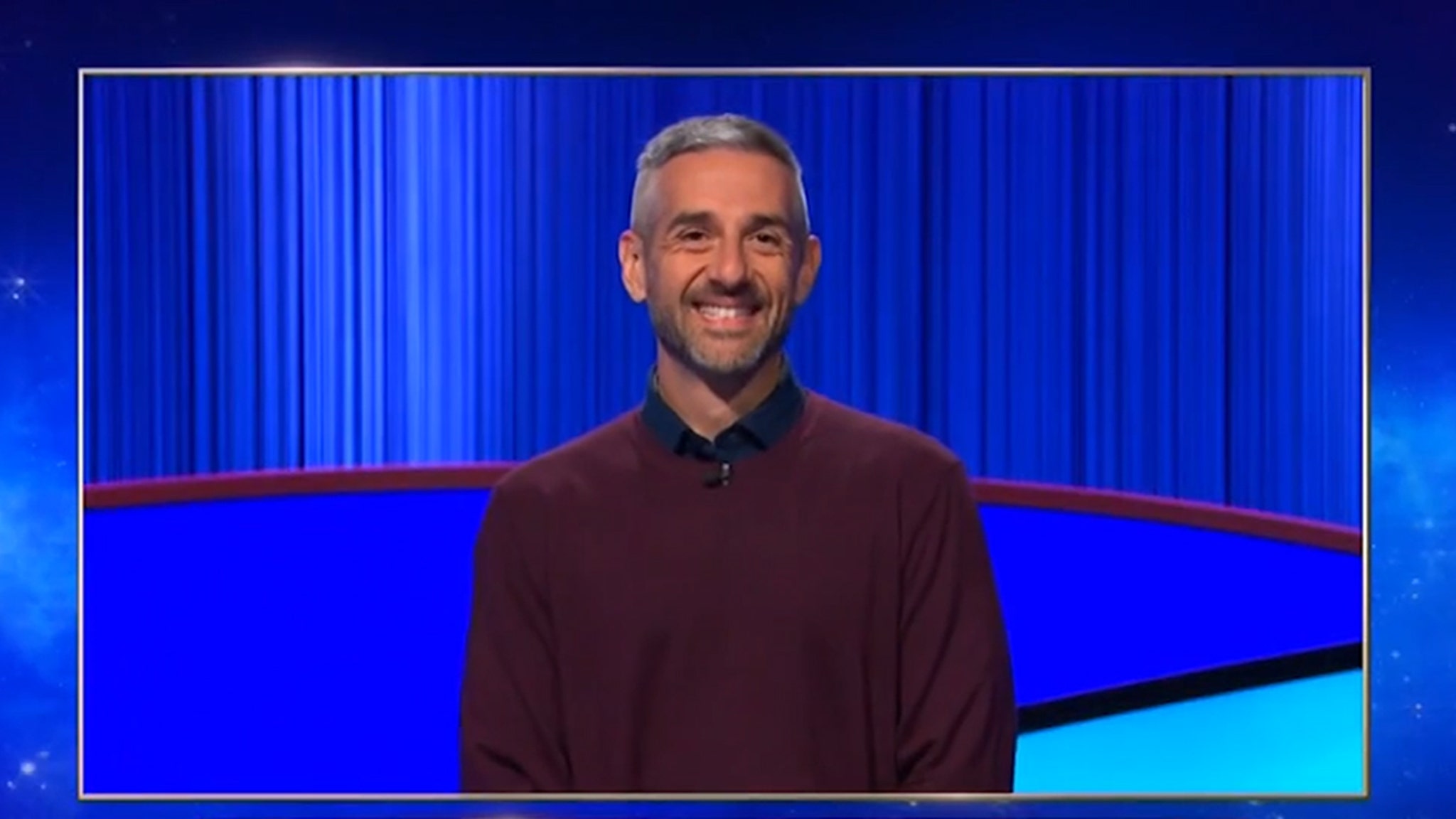
Kaufman’s journey to the "Jeopardy!" stage was not a matter of celebrity invitation but rather a testament to his own intellectual prowess and persistence through the show’s notoriously rigorous selection process. It is a path trodden by thousands annually, yet completed by only a select few.
From Legal Briefs to Buzzers: Kaufman’s Journey
The "Jeopardy!" contestant application process is renowned for its multi-stage difficulty, designed to identify individuals possessing not only a vast reservoir of knowledge but also the cognitive agility required for the fast-paced game. It typically begins with an online qualifying test, a challenging gauntlet of 50 questions covering a broad spectrum of categories, which must be completed within a tight time limit. Those who pass this initial hurdle are invited to in-person auditions, which involve a second written test, mock game play, and a personality interview. During these auditions, producers assess not only knowledge but also stage presence, quick thinking under pressure, and the ability to engage with the host and other contestants.
Derek Kaufman, known for his incisive legal commentary on TMZ, successfully navigated these demanding stages. His commitment to the process underscores a deep-seated personal interest in the quiz show, a passion he shares with his colleague, Jason Beckerman. The two lawyers reportedly maintain a friendly, ongoing competition within the TMZ offices, often testing each other’s knowledge with Final Jeopardy questions, a ritual that speaks to their shared admiration for the show’s intellectual challenge. This internal rivalry likely served as a significant motivator for Kaufman to pursue his aspiration of competing on the national stage. His success in passing the tests and auditions speaks to a disciplined mind, accustomed to synthesizing information rapidly and articulating responses clearly—skills undoubtedly honed in his legal profession and his role as a television analyst.
The Allure of Intellectual Combat
For many, "Jeopardy!" represents the pinnacle of intellectual competition. The game demands not only encyclopedic knowledge across dozens of categories, from history and literature to science and pop culture, but also strategic thinking, particularly in identifying Daily Doubles and wagering effectively in Final Jeopardy. Furthermore, the physical act of "buzzing in" at precisely the right moment—after the clue has been read but before opponents—is a skill unto itself, requiring acute timing and reflexes. The intense pressure of the studio environment, with cameras rolling and millions watching, adds another layer of challenge. Contestants often prepare for months, if not years, studying almanacs, encyclopedias, and previous "Jeopardy!" episodes to broaden their knowledge base and refine their game strategy. Kaufman’s decision to immerse himself in this demanding environment speaks to a genuine love for learning and a desire to test his mettle against the best. His appearance serves as an inspiration to countless viewers who harbor similar dreams, demonstrating that dedication and intellectual curiosity can indeed lead one to the iconic "Jeopardy!" stage.
Anticipation and Office Camaraderie
The news of Derek Kaufman’s "Jeopardy!" debut sparked a wave of enthusiastic anticipation within the TMZ offices. Far from being a mere professional engagement, it became a shared event, viewed through the lens of camaraderie and good-natured rivalry.
Colleagues Eagerly Await Performance
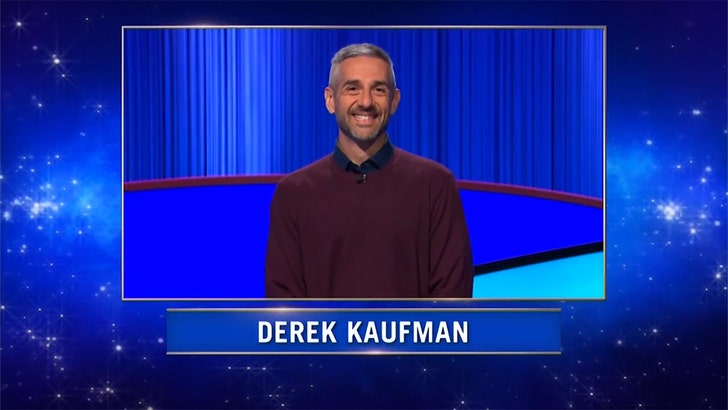
The internal dynamic at TMZ, characterized by a blend of professional intensity and personal rapport, ensured that Kaufman’s "Jeopardy!" appearance would be met with a unique mix of support and playful scrutiny. The original article playfully noted that "everyone in the office is looking forward to ribbing him about his performance," a clear indication of the close-knit yet competitive atmosphere. This sentiment is a common fixture in workplaces where colleagues share a genuine bond, transforming significant personal achievements into collective experiences. For Kaufman, this meant not only the pressure of performing on national television but also the added anticipation of facing the critical, albeit affectionate, judgment of his peers. Such office banter, particularly around a high-profile event like a "Jeopardy!" appearance, serves to humanize the often-serious world of legal commentary and media production, reminding audiences that even prominent TV personalities share relatable office dynamics. The collective viewing parties or discussions that likely followed the broadcast would have provided a lively forum for dissecting every clue, every buzzer timing, and every wager, undoubtedly fueling weeks of internal jokes and shared memories.
The Significance of a "Daily Double" Moment
The article’s opening, framed in the style of a "Jeopardy!" clue—"Daily Double… this lawyer appears on ‘TMZ on TV’ and ‘TMZ Live’ and is now competing on ‘Jeopardy!’… Who is Derek Kaufman!!!"—is more than just a clever stylistic choice. It cleverly encapsulates the excitement surrounding his appearance and pays homage to the show’s iconic elements. A "Daily Double" in "Jeopardy!" is a pivotal moment, offering a contestant the opportunity to wager any amount of their current score, potentially doubling their winnings or losing a significant sum. It represents a high-stakes decision, a moment of courage and conviction. By likening Kaufman’s journey to a "Daily Double," the article subtly suggests the significance of this step for him—a bold move into a different arena, carrying both potential rewards and the risk of public scrutiny. This metaphorical framing elevates his appearance beyond a mere television segment, positioning it as a momentous personal and professional gamble. It underscores the courage it takes for any individual, especially one with a public profile, to step into a new competitive environment where their knowledge and quick thinking are put to the ultimate test before a national audience.
Broader Implications for Media Personalities
Derek Kaufman’s "Jeopardy!" appearance carries implications beyond the immediate entertainment value, touching upon the evolving landscape of media personalities and the strategic cross-pollination of different television genres.
Elevating Public Profiles Through Quiz Shows
In an era where personal branding and multi-faceted public personas are increasingly valuable, an appearance on a show like "Jeopardy!" can significantly elevate a media personality’s profile. For Kaufman, this opportunity allowed him to showcase an entirely different dimension of his intellect—one that extends beyond legal analysis to a broad spectrum of general knowledge. This diversification of public image can broaden an individual’s appeal, potentially attracting new audiences who might not typically engage with TMZ’s content. It humanizes the professional persona, presenting Kaufman not just as a lawyer analyzing celebrity legal woes, but as an intellectually curious individual with a passion for learning. This cross-pollination can also benefit the originating platform, TMZ, by demonstrating the depth and varied talents of its on-air team, subtly reinforcing the credibility and intellectual capacity present within its ranks. For "Jeopardy!", such appearances can inject fresh energy and attract viewers from other television demographics, demonstrating the show’s universal appeal across different segments of the media industry. This synergy highlights a growing trend where traditional boundaries between news, entertainment, and intellectual competition are becoming increasingly fluid.
The Future of Jeopardy! Hosting and the Levin Conjecture
The article’s playful concluding remark, "No word if Harvey Levin is next… but, if you ask us, he should be on the short list for guest host!!!" adds another layer of intrigue and timely commentary. Following the passing of Alex Trebek, "Jeopardy!" embarked on an extended period of guest hosts, an experiment that saw a rotation of celebrities, journalists, and former champions take the podium. This ongoing search for a permanent successor has been a topic of considerable public interest and debate.

Harvey Levin, as the co-creator and executive producer of TMZ, is a seasoned media veteran with extensive experience in front of the camera. Known for his sharp wit, quick thinking, and ability to command attention, he possesses many qualities that could be seen as assets for a "Jeopardy!" host. His legal background, much like Kaufman’s, would bring a certain gravitas, while his entertainment industry insights could offer a unique perspective. The suggestion, while framed humorously, taps into the very real discussions about who possesses the unique blend of intelligence, charm, and authority required to steward one of television’s most beloved institutions. While the permanent host role has seen several iterations, the idea of a personality like Levin, rooted in the fast-paced world of celebrity news, transitioning to the calmer, intellectual gravitas of "Jeopardy!" hosting presents a fascinating, albeit speculative, scenario for the show’s future evolution and its continued search for a host who can resonate with a diverse viewership. This commentary underscores the show’s profound impact on popular culture, where even casual mentions of potential hosts spark widespread discussion.
Conclusion: A New Chapter in Media Crossovers
Derek Kaufman’s appearance on "Jeopardy!" on April 30, 2026, transcends a simple game show segment; it represents a compelling narrative of personal aspiration, professional versatility, and the evolving dynamics of modern media. It showcased a familiar face from the world of entertainment news in an entirely new light, demonstrating that intellectual curiosity and competitive spirit know no professional boundaries. His journey from the TMZ studio to the "Jeopardy!" podium exemplifies the increasing fluidity between different television genres and the growing appreciation for multifaceted media personalities. As colleagues at TMZ eagerly dissected his performance and the broader media landscape continued its perennial discussions about the future of iconic shows like "Jeopardy!", Kaufman’s moment served as a testament to the power of knowledge, the thrill of competition, and the unexpected places where talent can shine brightest. It marks a small yet significant chapter in the ongoing story of how media figures engage with and enrich the broader cultural conversation, proving that whether dissecting legal precedents or answering clues, sharp minds will always find a way to buzz in.