


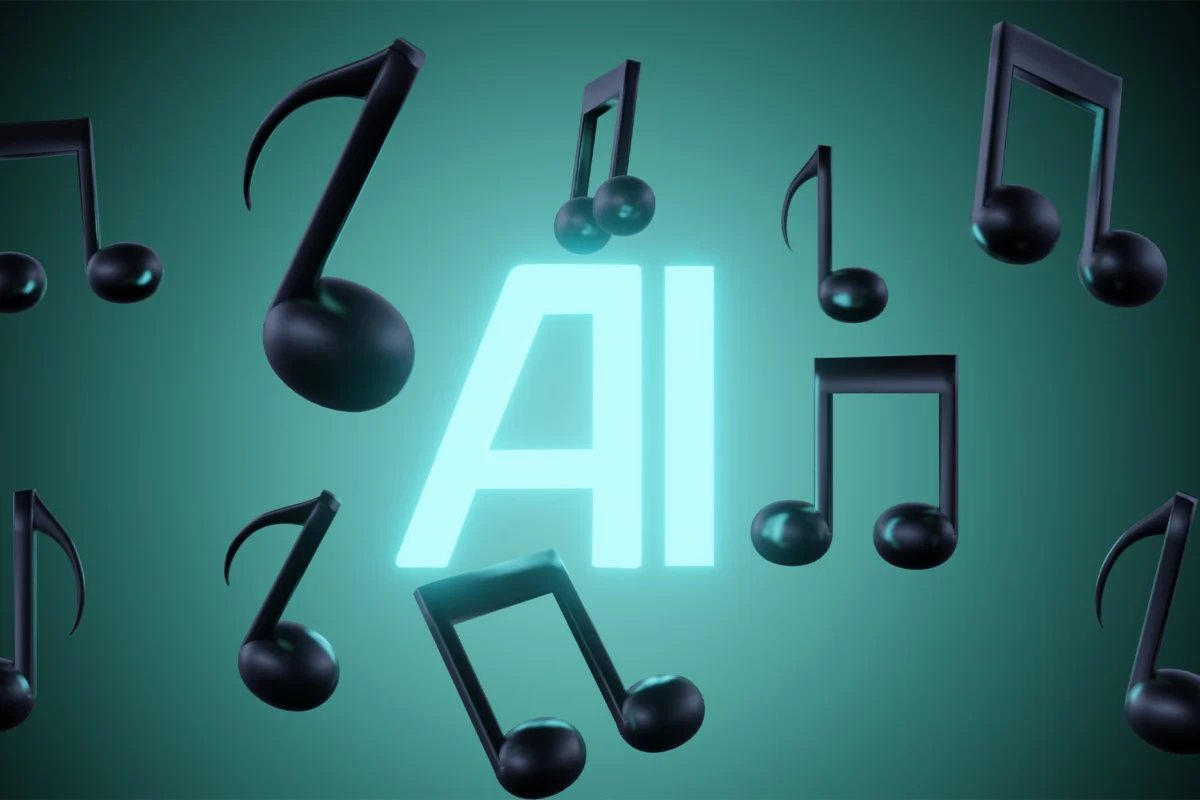
A significant shift in consumer sentiment towards music produced with generative artificial intelligence is underway in the United States, with a new study by Luminate revealing a marked decline in listener interest across all age demographics. This downward trend, observed between May 2025 and November 2025, suggests a growing skepticism or disinterest in AI-generated music, even as the technology rapidly advances and gains traction within the music industry.
Generative AI Music Faces Mounting Consumer Hesitation
The Luminate study, which surveyed U.S. listeners on their willingness to engage with music created using generative AI, paints a clear picture of diminishing enthusiasm. While the initial survey in May 2025 already indicated a net negative interest in such music, this sentiment deepened considerably by November 2025. The data indicates that a substantial portion of the U.S. population harbors reservations about the prospect of listening to music that has been artificially generated.

The most pronounced decline in interest was observed among younger generations, specifically Gen Alpha and Gen Z. Their net interest in AI-assisted music plummeted from a pre-existing -6% in May 2025 to a more negative -16% by November of the same year. This suggests that while these demographics are often perceived as early adopters of new technologies, they are not necessarily embracing AI-generated music with open arms.
Conversely, Millennials demonstrated the highest degree of openness to listening to AI-assisted music among the surveyed age groups. However, even their interest, while comparatively higher, did not shield them from the overall negative trend. At the other end of the spectrum, Baby Boomers constituted the group least likely to express positive feelings towards AI-assisted music, reinforcing a more traditionalist approach to musical consumption.
A Timeline of Shifting Perceptions
The period between May and November 2025 was a pivotal time for the intersection of AI and music. It coincided with major music companies, including Warner Music Group, Universal Music Group, Merlin, and Kobalt, engaging in critical discussions and ultimately forging licensing deals with prominent AI music firms such as Suno, Udio, and ElevenLabs. These agreements aimed to establish frameworks for the ethical and commercial use of AI in music creation, signaling a growing industry acceptance and integration of the technology.

However, the Luminate findings suggest that this industry-level progress has not necessarily translated into widespread consumer acceptance. The study further delved into the nuances of consumer attitudes, revealing that while negative sentiments prevail across various applications of AI in music – from generating instrumentals and lyrics to creating entirely new works – a notable segment of respondents, approximately one-third, expressed ambivalence. This neutral stance suggests a potential for future shifts in opinion, contingent on the evolution of AI technology and its presentation to the public.
Consumer Comfort with AI in Music Creation
Luminate’s research also provided a breakdown of consumer comfort levels with different aspects of AI integration in music creation. While specific quantitative data points for each category were not fully detailed in the provided excerpt, the overarching trend indicated a general inclination towards negative sentiment. This could be attributed to concerns about authenticity, the potential displacement of human artists, and the perceived lack of emotional depth in AI-generated content.
The Rise and Fall of AI-Assisted Artists
The study also tracked the listenership patterns of artists who leverage AI in their music creation process, citing examples such as Xania Monet, Breaking Rust, and Cain Walker. Luminate observed a notable spike in streaming consumption for certain AI-assisted projects around September 2025, coinciding with the release of Suno’s v5 model. This particular iteration of Suno’s technology was noted for its improvements in song composition, audio quality, and vocal synthesis, which likely contributed to the surge in interest.

However, the Luminate data consistently points to a pattern of rapid decline in listenership following these initial spikes. This suggests that while AI-generated music can capture fleeting attention, it struggles to foster long-term fan engagement. The controversial nature of some AI-assisted artist projects, which often garner significant media attention, may initially drive curiosity and listening, but this interest appears to be ephemeral.
A prime example of this phenomenon is the AI project Xania Monet, spearheaded by Telisha “Nikki” Jones. Monet’s music achieved notable chart success, appearing on Billboard’s Adult R&B Airplay and Hot Gospel Songs charts. Luminate data indicates that Monet’s music commanded over 7 million total weekly streams in September 2025. However, by March 2026, this figure had fallen to below 3 million weekly streams, illustrating a dramatic and swift loss of audience traction. This pattern suggests that the initial novelty and controversy surrounding AI artists may not be sufficient to cultivate a dedicated and enduring fanbase.
Implications for the Future of Music
The ongoing negotiations and establishment of AI licensing deals between major music labels and AI music firms are poised to significantly influence consumer sentiment and comfort levels with AI in music production. As these agreements mature and the technology continues to evolve, particularly in its ability to mimic human artistry more convincingly, the landscape of consumer perception may shift.

However, based on the current findings from the Luminate study, the demonstrated lack of sustained interest in AI-assisted songs presents a substantial challenge to the concept of building genuine fandom around this emerging category of music. The data implies that while AI can be a tool for creation and innovation, its ability to connect with listeners on an emotional and lasting level remains a significant hurdle.
The study’s findings underscore the complex relationship between technological advancement and audience reception. As the music industry grapples with the integration of generative AI, understanding and addressing consumer concerns about authenticity, artistic integrity, and the human element in music will be paramount to its long-term success and acceptance. The trajectory of AI in music will likely be shaped not only by technological capabilities but also by the industry’s ability to navigate these evolving consumer preferences.