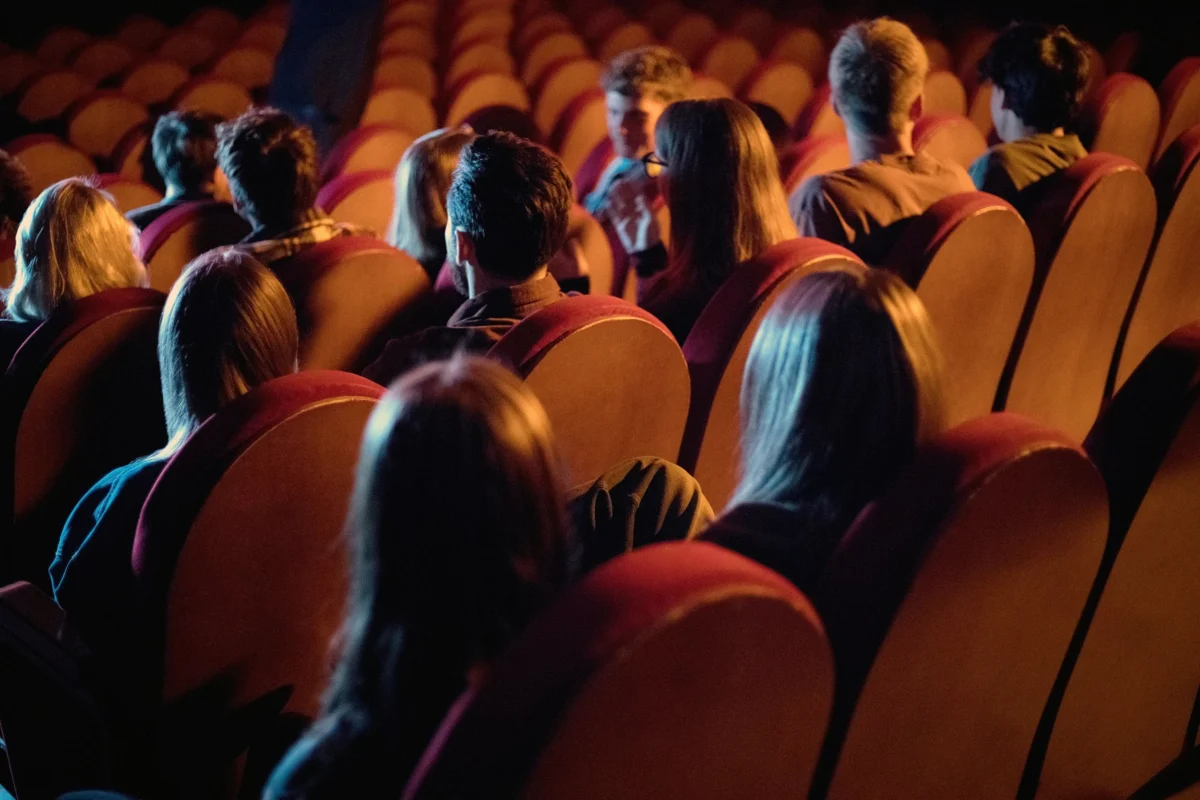
In an era defined by the rapid-fire delivery of short-form content and a documented decline in collective focus, a recent cinematic event in Manhattan has challenged prevailing assumptions regarding the modern attention span. Film at Lincoln Center recently hosted a sold-out screening of Sátántangó, the 1994 epic directed by Hungarian filmmaker Béla Tarr. The film, which runs for seven hours and twenty-nine minutes (439 minutes), served as the centerpiece of the "Farewell to Béla Tarr" program, a retrospective organized following the director’s passing in January at the age of 70. Despite its daunting length, the event drew more than 250 attendees, signaling a growing counter-cultural interest in "slow cinema" and the preservation of sustained, meditative attention.
The Marathon at Lincoln Center: A Chronology of the Event
The screening of Sátántangó is a rare occurrence in the world of film exhibition, often regarded as a "holy rite" for cinephiles due to its logistical demands and aesthetic rigor. The Manhattan screening followed a strictly timed schedule to accommodate the film’s three-part structure.
The day began in the early afternoon, with the audience settling into the theater for a journey that would span nearly half a day. The film is divided into 12 distinct chapters, mirroring the structure of a tango—six steps forward and six steps back. To make the 439-minute runtime manageable, the theater provided two short intermissions, which allowed viewers to briefly disconnect from the film’s immersive, rain-soaked world.
For the attendees, the experience was as much a physical challenge as an intellectual one. The runtime of Sátántangó is equivalent to approximately 15 episodes of a standard 30-minute sitcom or a transatlantic flight from New York to Paris. However, unlike a flight or a domestic television binge, the theater environment demanded a "shared discipline." Programmers noted that the absence of mobile devices and the lack of social chatter created a communal atmosphere of focus that is increasingly difficult to replicate in the digital age.
The Aesthetic of Endurance: Understanding Béla Tarr’s Vision
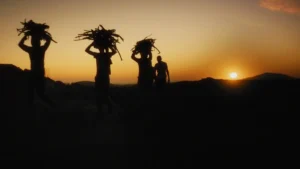
Sátántangó is based on the 1985 novel by László Krasznahorkai and depicts the collapse of a failed farming collective in rural Hungary. The film is famous for its "miserabilist" tone, captured in stark black-and-white cinematography and characterized by an unrelenting sense of decay.
The film’s length is not merely a matter of plot density but of aesthetic philosophy. It is a foundational text of "slow cinema," a subgenre that prioritizes duration, atmosphere, and the passage of time over traditional narrative pacing. While a typical Hollywood blockbuster features thousands of individual shots with an average duration of two to three seconds, Sátántangó consists of only 171 shots. This results in an average shot length of approximately 2.5 minutes, with some sequences stretching far longer.
One notable sequence follows a country doctor in a state of physical and mental decline, painstakingly moving brandy between vessels while his labored breathing dominates the soundtrack. Another, more controversial sequence, follows a young girl for nearly 20 minutes as she interacts with a cat in a display of displaced trauma. These scenes are designed to force the viewer into a state of "contemplation and patience," according to Lexi Turner, a professor of slow cinema at Marymount Manhattan College. Turner notes that by refusing to cut away, Tarr accords a certain "dignity" to mundane or painful experiences, insisting that they are worthy of the viewer’s undivided consideration.
Supporting Data: The Context of the Attention Crisis
The popularity of such a long-form event comes at a time when sociologists and neurologists are raising alarms about the "attention-span crisis." Recent data and legal actions highlight the extent to which digital consumption has altered human focus:
- Social Media and Litigation: Several major school districts and parent groups have initiated lawsuits against social media giants, alleging that platforms are designed to be "addictive by design." These lawsuits argue that short-form video scrolls (such as TikTok and Instagram Reels) have diminished the ability of younger generations to engage with long-form tasks.
- Academic Observations: Film professors at major universities have reported a shift in student behavior post-pandemic. Observations suggest that many students now struggle to sit through standard 90-minute feature films without checking their devices, a phenomenon attributed to the "dopamine loops" created by digital notifications.
- Industry Adjustments: Streaming platforms like Netflix have reportedly begun mandating that certain productions include frequent plot recaps or repetitive dialogue to cater to "second-screen" viewers—those who watch television while simultaneously browsing their phones.
- The "Brain Rot" Phenomenon: A subculture of memes has emerged among Gen Z and Alpha, celebrating "brain rot"—a state of mental exhaustion caused by over-consumption of fragmented, nonsensical digital content.
In this context, the decision to spend 7.5 hours in a dark room watching a slow-moving Hungarian drama is viewed by some as a radical act of cognitive resistance.
Responses from Programmers and Attendees
Tyler Wilson, a programmer for Film at Lincoln Center, observed that the "muscle of sustained attention" has been weakened by modern technology. However, he sees the brisk ticket sales for Sátántangó as a sign of a burgeoning "attention-preservation" movement. "People do have attention," Wilson stated. "They just don’t have many places where they can use it." The Manhattan screening sold out so quickly that the organization added two additional engagements to meet demand.
Audience members echoed this sentiment, describing the film as "experiential" rather than merely observational. Justin Benz, a 31-year-old attendee, described the "trance-like" state that the film induces. "There are moments of silence where you just have to sit there, and quote-unquote ‘nothing happens,’" Benz said. He noted that the film forces the eye to scan the screen like a painting, noticing minute details—such as raindrops on a jacket or the texture of mud—that would be lost in a faster-paced production.
Despite the film’s reputation for being bleak, the audience reaction was not entirely somber. Observers noted scattered chuckles throughout the theater as viewers began to align with the film’s "mordant, cosmic pessimism." The communal aspect of the screening—hearing the collective shifting of seats or the occasional rustle of a snack—served to heighten the sense of a shared journey.
Broader Impact and the Rise of "Deep Engagement"
The success of the Béla Tarr retrospective may indicate a broader shift in cultural consumption. Wilson and other cultural analysts suggest that as short-form content becomes the default, there is a growing market for "formally radical" and "long-form" experiences. This is evidenced by several emerging trends:
- The Resurgence of Long Books: While overall reading rates have seen fluctuations, there is a noted trend in "deep reading" communities, where readers intentionally tackle massive tomes as a way to reclaim focus.
- "Rawdogging" as a Trend: A viral social media trend known as "rawdogging"—where individuals endure long flights or commutes without any form of digital entertainment—points to a burgeoning desire to test the limits of one’s own boredom and internal reflection.
- Sanctity of the Cinema: The theatrical environment is increasingly being marketed as one of the few remaining "sacred spaces" for attention, where the social contract forbids the use of smartphones.
Analysis of Implications
The enduring relevance of Sátántangó suggests that the "attention-span crisis" may not be an irreversible decline in human capability, but rather a symptom of an environment that lacks "attention-rich" opportunities. When provided with a challenging, high-quality work of art and a dedicated space for viewing, modern audiences—particularly younger demographics—appear willing to engage in deep focus.
However, the logistical difficulty of screening such films remains a barrier. Sátántangó is rarely shown due to the cost of theater rental for a single screening and the physical toll on projection equipment and staff. Its status as a "merit badge" for cinephiles ensures a niche audience, but its broader implication is a reminder of what is lost in an "algorithmic" culture: the ability to experience time as a slow, unfolding process rather than a series of instantaneous shocks.
As Béla Tarr once remarked, his films are not about stories, but about "the logic of life" and the "atmosphere of the world." The recent interest in his work confirms that even in a world of eight-second clips, there is a profound, perhaps even desperate, hunger for the seven-hour truth. By the time the final credits rolled at Lincoln Center, the audience emerged into the Manhattan evening not just as viewers of a movie, but as survivors of a psychological marathon, having reclaimed a day of their lives from the digital stream.