

The global animation landscape has increasingly embraced rich cultural tapestries, and DreamWorks Animation’s latest feature film, Forgotten Island, stands as a landmark achievement in this movement. Currently playing in theaters worldwide, the animated feature is a deeply personal project written and directed by Joel Crawford and Januel Mercado, both acclaimed veterans of the industry whose previous credits include the critically acclaimed Puss in Boots: The Last Wish. Distributed by Universal Pictures, Forgotten Island transports audiences into a vibrant, nostalgic, and emotional narrative deeply rooted in 1990s Manila and Philippine folklore. Beyond its striking visual palette—brought to life with animation from the Philippines-based Snipple Animation Studios—the film has garnered significant attention for its unprecedented integration of authentic Filipino musical traditions, most notably the historic Las Piñas Bamboo Organ.
Narrative Framework and Premise
Forgotten Island follows the journey of Jo, voiced by H.E.R., and Raissa, voiced by Liza Soberano, who have been inseparable best friends since grade school in 1990s Manila. The narrative begins on the eve of a major life transition: Raissa is preparing to move abroad to attend the California Institute of Technology (Caltech), marking a bittersweet turning point for the two young women. Seeking one last night of shared memories together, their evening takes an unexpected turn when a mysterious portal drops them onto Nakalimutan—colloquially known as Nakali—the legendary island of the Aswang from family folklore.

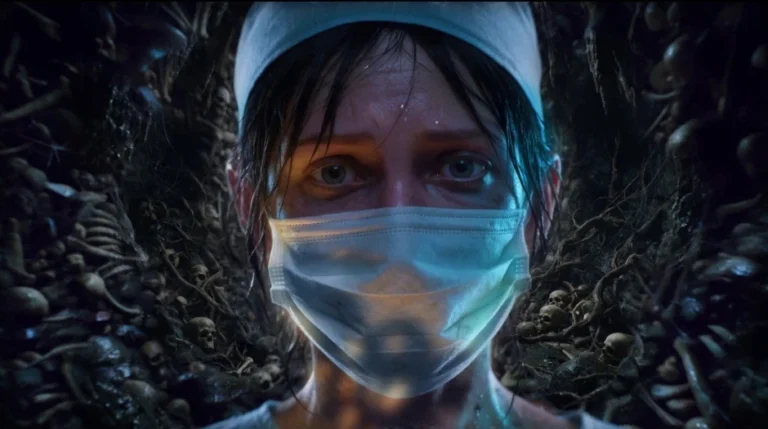
Waking up with complete amnesia regarding how they arrived, the duo must retrace their steps while navigating a fantastical landscape alongside an eccentric group of companions. These include Raww, a weredog voiced by Dave Franco; Bungi Tiyanak, a demon baby voiced by Manny Jacinto; and Prince Mermahn, voiced by Kevin McCann. To return home, the characters must evade the formidable Dreaded Manananggal, voiced by Lea Salonga. However, they soon discover the steep toll of their journey: to escape, they must surrender the memories of their entire friendship to a demon named Batiba, voiced by Jenny Slate.
For directors Crawford and Mercado, the narrative stakes extend far beyond traditional physical perils. Rather than focusing on conventional tropes of life, death, or global destruction, the core conflict centers on the preservation of identity, the fear of forgetting one’s origins, and the irreplaceable value of human connection. This thematic focus mirrors the personal backgrounds of the creative team, particularly Mercado’s heritage as a Filipino native and Crawford’s familial ties to the Philippines through his wife.
The Cultural Significance and Musical Integration of the Las Piñas Bamboo Organ
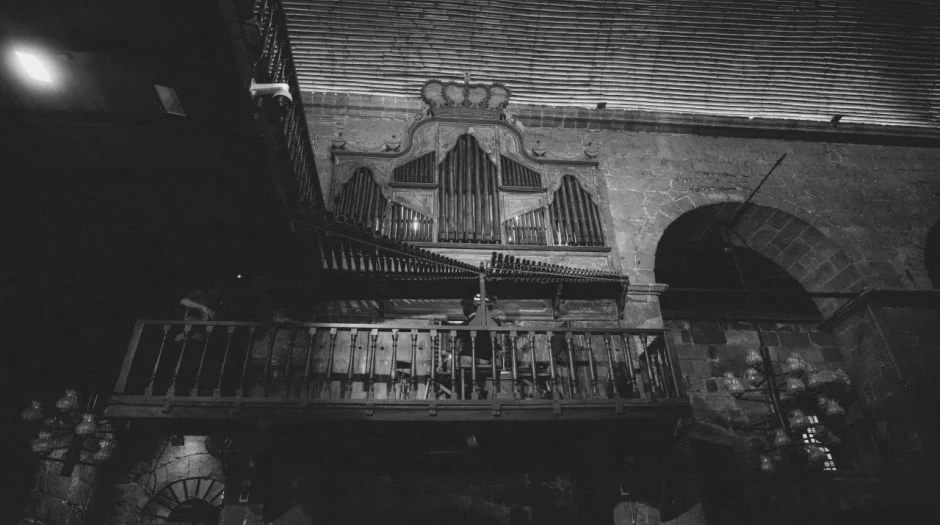
Central to the emotional resonance of Forgotten Island is its groundbreaking musical score, composed by Nathan Matthew David. In crafting the soundscape for the film, David sought instruments that could authentically reflect the themes of memory, nostalgia, and cultural specificity. His search led him to one of the world’s most unique musical artifacts: the Bamboo Organ housed within the St. Joseph Parish Church in Las Piñas, Philippines.

Constructed by Father Diego Cera, the town’s first resident parish priest and the architect of the stone church, the organ took six years to build and was completed in 1824. The instrument boasts 1,031 pipes, of which 902 are crafted from bamboo. Recognized as the only operational organ of its kind globally, it was officially declared a National Cultural Treasure of the Philippines in 2003. When David traveled to Manila to study traditional music for the film, encountering the pipe organ in person proved to be a transformative experience for the production.
Conceptually, incorporating the instrument presented logistical and artistic hurdles. The directors and composer questioned whether integrating such a fragile and historically significant instrument into a Hollywood animated feature film score was feasible. Ultimately, it proved to be an ideal thematic match for Batiba, a tree-dwelling character deeply rooted in memory and emotional fragility.
The bamboo organ functions as a bridge within the score, seamlessly connecting modern orchestral arrangements with ancient indigenous instruments. David spent extensive time working with indigenous communities, including the Tboli tribe, studying traditional chants and ancient instruments such as the kulintang. Because the church housing the organ features a bamboo ceiling that naturally amplifies and diffuses sound in a manner impossible to replicate digitally, the resulting audio carries a distinct acoustic signature. The instrument’s inclusion not only elevates the film’s dramatic peaks—such as a sequence where Raissa navigates a surreal memory-scape to save Jo’s memories—but has also sparked immense pride within the Las Piñas community and the global Filipino diaspora.

Collaborative Soundtracks and Authentic Linguistic Representation
In addition to the instrumental score, Forgotten Island features a prominent slate of contemporary Filipino musical talent. A major highlight of the soundtrack is the original song "A Parallel World," created in collaboration with the internationally renowned Filipino girl group BINI and composer Nathan Matthew David.
The integration of BINI brought an authentic layer of linguistic and cultural representation to the project. Initially planned as an entirely English-language track, the song was adapted to incorporate Tagalog after the creative team witnessed the natural harmony and sisterhood of the group members during recording sessions in the studio. This bilingual approach set a precedent for the rest of the soundtrack, which features contributions from prominent Filipino artists such as SB19, Sophia Laforteza, Carlo Angelo, and Ruby Ibarra.
The collaboration occurred just as BINI was achieving international milestones, including a historic performance at the Coachella Valley Music and Arts Festival. For David, working with the group and other local artists underscored the importance of face-to-face collaboration over remote production. By stepping away from digital conveniences—including a self-imposed hiatus from social media during the composition process—David aimed to absorb the rhythm of genuine human connection that defines the film’s narrative.

Production Chronology, Industry Reception, and Broader Implications
The journey of Forgotten Island from concept to international release spans years of meticulous research, field study, and artistic development. The foundation of the project was laid during research trips to the Philippines, where the American and Filipino creative teams immersed themselves in local communities, family networks, and cultural traditions. This immersion introduced the filmmakers to the concept of kapwa, a Filipino philosophy emphasizing shared identity and treating others as family.
The film’s promotional and festival rollout has been marked by critical acclaim and high-profile industry recognition. In the summer, Forgotten Island received a five-minute standing ovation at the prestigious Annecy International Animation Film Festival in France, signaling strong early support from the global animation community. Momentum continued into the fall when co-director Joel Crawford was honored with the Creative Impact in Animation Award from Variety during the Savannah College of Art and Design’s SCAD AnimationFest.
Further expanding its cultural footprint, DreamWorks Animation partnered with the self-care mobile application Finch for an immersive narrative takeover last month. The digital collaboration featured the film’s lead characters within the application’s ecosystem, designed to reinforce the central theme of valuing personal memories and mental well-being.

Industry analysts note that the commercial and critical reception of Forgotten Island reflects a broader shift within mainstream Hollywood animation toward hyper-specific cultural storytelling. By prioritizing regional authenticity—ranging from the architecture of 1990s Manila to the acoustic properties of a 19th-century bamboo church organ—the production has established a new benchmark for cross-cultural collaboration in family entertainment. As the film continues its theatrical run, its legacy is already being measured by its resonance within the communities it depicts and its inspiration of a new generation of filmmakers seeking to translate personal heritage into universal cinematic art.