
Asian cinema has long been a fertile ground for narratives that delve into the deepest wells of human emotion, consistently delivering stories that resonate with profound sadness, loss, and the enduring spirit of resilience. Filmmakers across Japan, South Korea, China, Hong Kong, India, the Philippines, Thailand, and beyond have masterfully explored the complexities of the human condition, weaving tales of intimate family dramas, tragic romances, harrowing war epics, and sharp social commentaries. These cinematic achievements are not merely melancholic; they offer deeply affecting reflections on life, love, trauma, and the unwavering strength found in the face of adversity, often leaving an indelible mark on audiences long after the final frame.
This curated selection of 40 films represents a diverse range of styles and approaches, from contemplative arthouse pieces to gripping melodramas, all united by their potent emotional impact. Presented here is an exploration of these powerful works, offering a glimpse into their thematic depth, historical context, and lasting significance.
A Legacy of Profound Storytelling
The landscape of Asian cinema is rich with narratives that grapple with universal human experiences. From the meticulous social realism of Japanese filmmakers to the raw, often cathartic, emotionality of South Korean dramas, and the sweeping historical sagas of Chinese and Indian cinema, there is a consistent thread of storytelling that prioritizes emotional truth. These films frequently draw inspiration from real-life events, cultural histories, and the subtle nuances of interpersonal relationships, resulting in cinematic experiences that are both deeply personal and universally relatable.
The ability of these films to evoke strong emotional responses stems from several key factors:
- Cultural Resonance: Many of these narratives are deeply rooted in specific cultural contexts, exploring themes of family obligation, societal pressures, historical trauma, and spiritual beliefs that resonate profoundly within their respective cultures and offer unique insights to international audiences.
- Artistic Sensitivity: Directors often employ sophisticated cinematic techniques, including nuanced performances, evocative cinematography, and poignant musical scores, to amplify the emotional weight of their stories without resorting to overt manipulation.
- Exploration of Universal Themes: Despite their specific cultural settings, the core themes of love, loss, grief, sacrifice, and the search for meaning are undeniably universal, allowing these films to connect with viewers across geographical and cultural divides.
A Selection of Emotionally Resonant Films
The following films have been recognized for their power to move audiences, often eliciting tears, introspection, and a deeper understanding of the human psyche.
1. Abang Adik (Jin Ong, 2023, Malaysia)
Jin Ong’s Abang Adik defies easy categorization, beginning as a slice-of-life drama set in the impoverished slums of Kuala Lumpur. The film evolves, subverting expectations by incorporating elements of noir and thriller, all underscored by a palpable sense of melodrama. It focuses on the symbiotic relationship between two brothers struggling for identity in a metropolis where humanity often struggles at the fringes. As the narrative unfolds, the characters’ inner strengths and emotional depth become increasingly apparent, drawing viewers into their poignant journey.
2. A City of Sadness (Hou Hsiao-hsien, 1989, Taiwan)
Hou Hsiao-hsien’s A City of Sadness is a landmark film that masterfully depicts the White Terror period in Taiwan. Rather than focusing on overt acts of violence, the film subtly portrays the oppressive atmosphere through hushed conversations about politics and the aftermath of repression. Antagonists are often rendered as disembodied voices or glimpsed figures, emphasizing the pervasive fear and uncertainty that gripped the nation. This approach creates a powerful sense of historical weight and personal tragedy, making the audience complicit in the characters’ quiet suffering.

3. All About Lily Chou-Chou (Shunji Iwai, 2001, Japan)
Shunji Iwai’s All About Lily Chou-Chou is a haunting and powerful exploration of youth, cruelty, and sorrow in contemporary Japanese society. The film offers an unflinching look at flawed social structures and the harsh realities faced by adolescents. Through its brilliant acting, striking cinematography, and an exceptional soundtrack, the film forces audiences to confront difficult truths about alienation and the search for identity in a world that often feels indifferent.
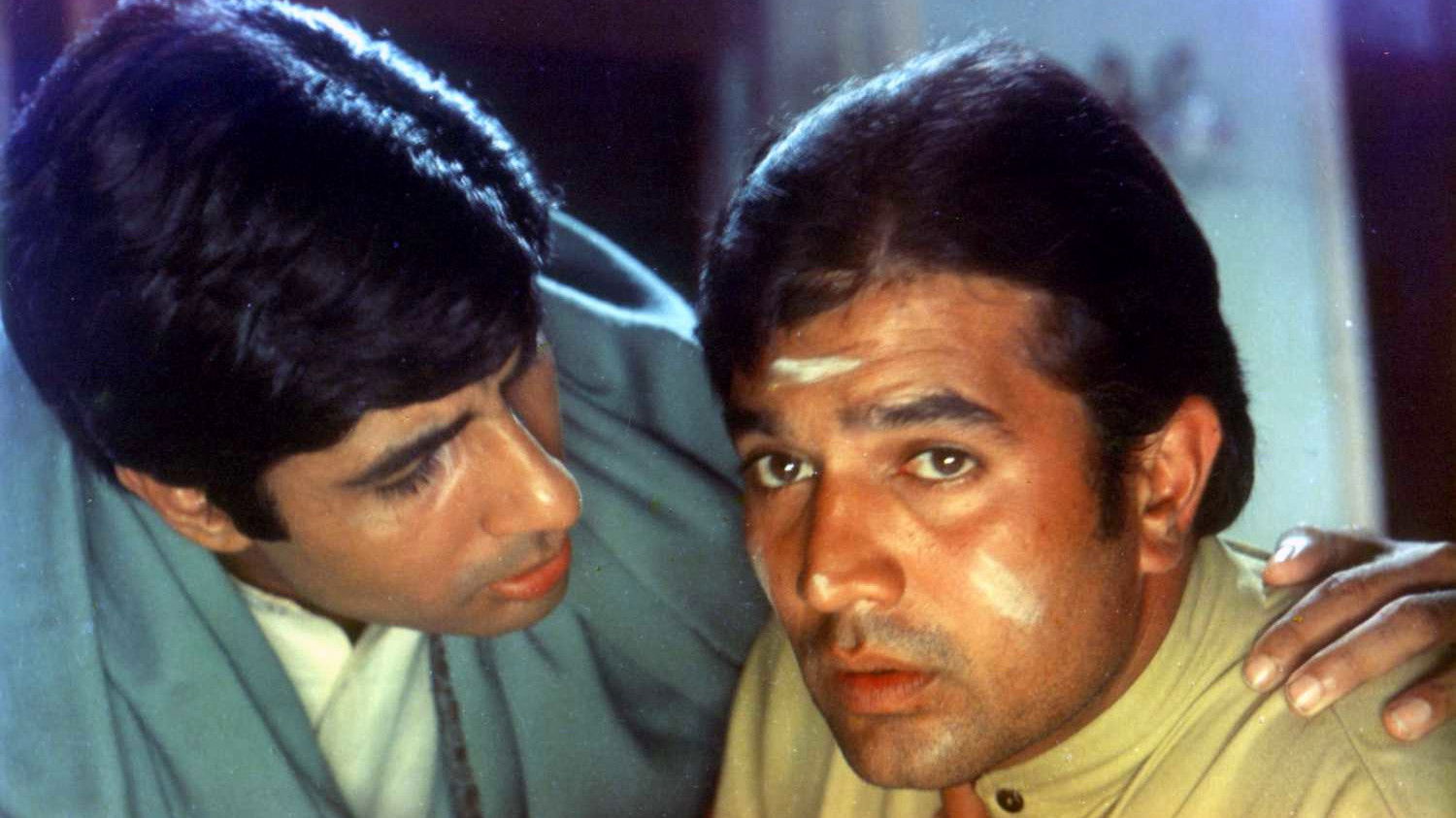
4. Anand (Hrishikesh Mukherjee, 1971, India)
Hrishikesh Mukherjee’s Anand is a beloved Hindi-language classic that masterfully balances life-affirming themes with inevitable tragedy. Narrated largely in flashback, the film centers on the relationship between a nihilistic oncologist, Dr. Bhaskar, and his effervescent patient, Anand, who faces a terminal illness with remarkable positivity. Anand’s charm and zest for life profoundly impact Dr. Bhaskar and those around him. The film’s enduring appeal lies in its superb performances and its poignant exploration of life’s fleeting nature.
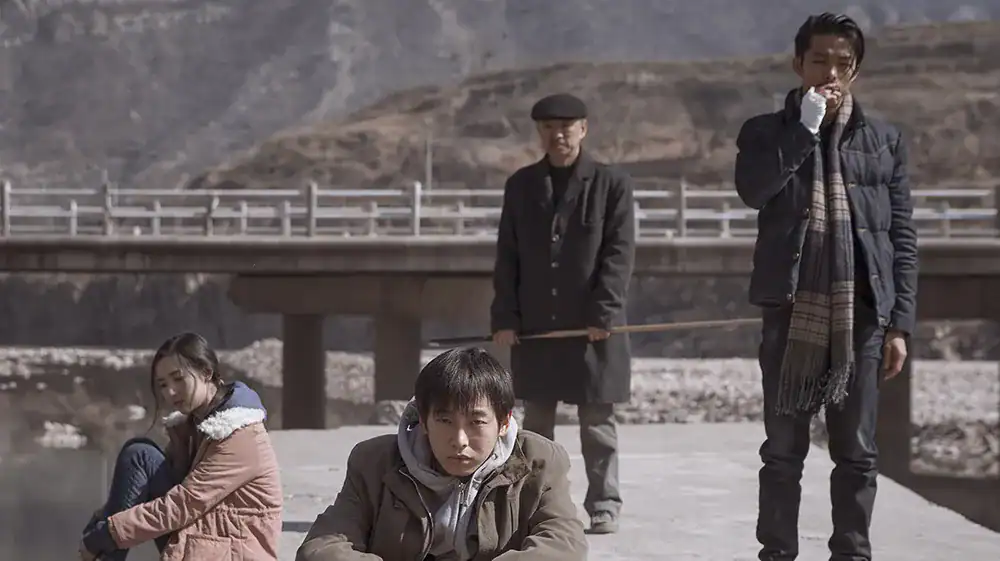
5. An Elephant Sitting Still (Hu Bo, 2018, China)
Hu Bo’s directorial debut and sole feature film, An Elephant Sitting Still, presents a bleak yet compelling vision of a world perceived as a "wasteland." The film’s characters grapple with existential despair and the overwhelming sense of disgust with their surroundings. Despite its somber tone, the film is an extraordinary and uncomfortable cinematic experience, demanding attention through its raw honesty and emotional intensity.
6. A Fighter’s Blues (Daniel Lee, 2000, Hong Kong)
In A Fighter’s Blues, Andy Lau portrays a kickboxer haunted by a past incident where he killed an opponent in a fit of rage. Upon his release from prison, he seeks peace, but his past inevitably catches up, forcing him into one final, tragic confrontation. The film’s power lies in its depiction of a man seeking atonement, allowing himself to be beaten to death as a means of expiating his guilt. This narrative arc positions it as a deeply affecting tearjerker.
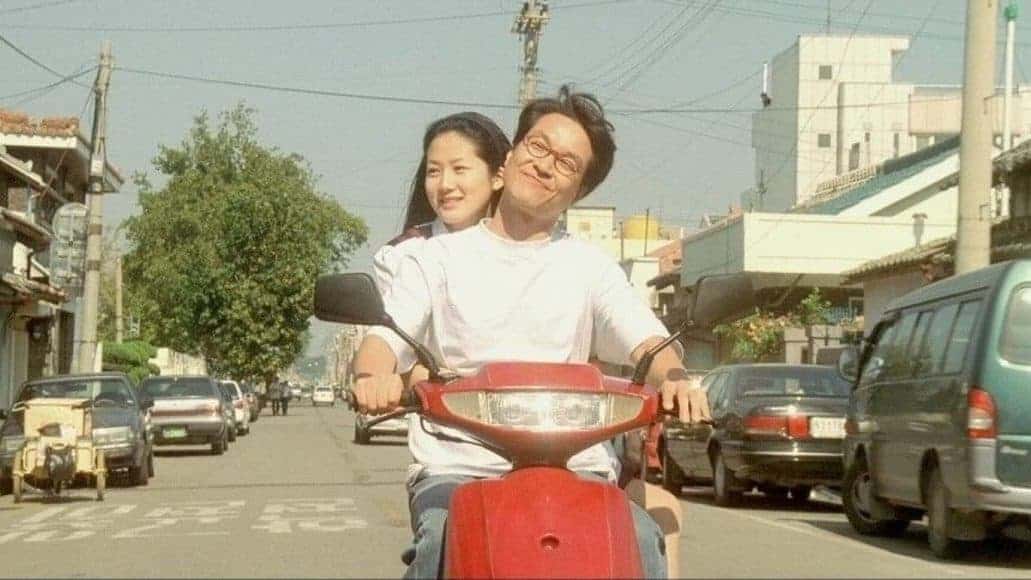
7. A Moment of Romance (Benny Chan, 1990, Hong Kong)
A Moment of Romance transcends its genre conventions to deliver a powerful romantic tragedy. While featuring familiar tropes such as a rebellious youth, a motorbike, and a star-crossed romance between individuals from different social strata, the film elevates these elements through exceptional writing, direction, and performances. It stands as a prime example of commercial filmmaking merging with artistic integrity, resulting in a timeless classic that resonates deeply.
8. A Moment to Remember (John H. Lee, 2004, South Korea)
A Moment to Remember is a deeply sad, tender, and emotional South Korean film that is truly unforgettable. The film’s synopsis is best discovered organically, allowing the emotional journey to unfold with maximum impact. It is widely regarded as one of the finest films within its genre and among the best Asian films of its decade, offering a poignant exploration of love and memory.

9. Birthday (Lee Jong-un, 2019, South Korea)
Lee Jong-un’s Birthday addresses the long and arduous process of dealing with tragedy. The film focuses on the healing that comes from remembering and talking about loss, particularly in the aftermath of the Sewol ferry incident, though it avoids direct commentary on the event itself. The narrative builds slowly, focusing on rebuilding trust between family members and revealing deeper emotional wounds beneath a surface of silence and discomfort.
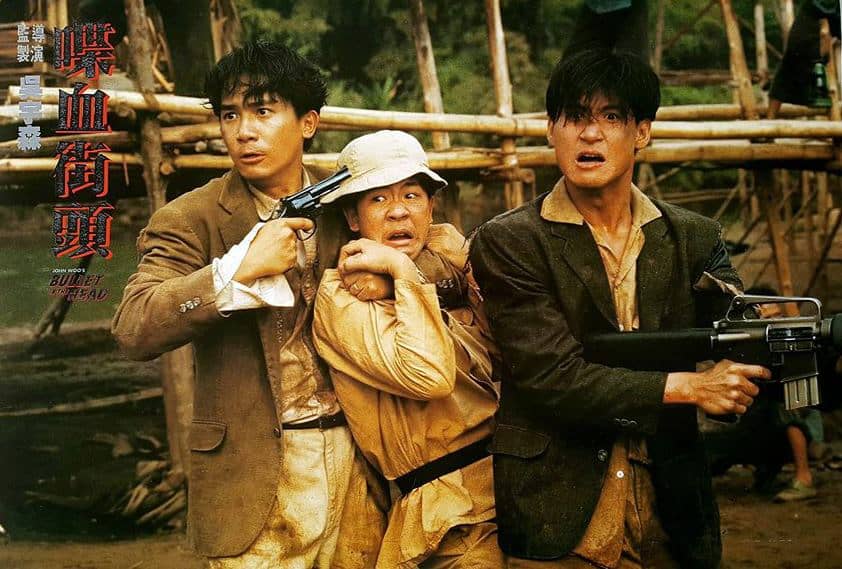
10. Bullet in the Head (John Woo, 1990, Hong Kong)
John Woo’s Bullet in the Head stands apart from his more action-oriented films, offering a profound human drama set against the backdrop of a brutal war. While not as fast-paced as A Better Tomorrow or as spectacular as Hard Boiled, its primary strength lies in its exploration of brotherhood and loyalty tested by harrowing conflict. The film reinvents Woo’s signature "bromance" formula, transforming it into an epic war narrative akin to Francis Ford Coppola’s Apocalypse Now.

11. Cemetery of Splendour (Apichatpong Weerasethakul, 2015, Thailand)
Apichatpong Weerasethakul’s Cemetery of Splendour is a visually stunning and meditative film that invites viewers to surrender to its gentle power. The film’s strength lies in its ability to evoke inner memories, feelings, and emotions through its subtle imagery and the musicality of the Thai language. It offers a unique and profound cinematic experience that lingers long after viewing.
12. Christmas in August (Hur Jin-ho, 1998, South Korea)
Director Hur Jin-ho drew inspiration for Christmas in August from a smiling portrait of the late Korean folk singer Kim Kwang-seok, prompting reflections on mortality. The film delicately explores themes of love and impending loss, capturing a poignant and melancholic atmosphere that has made it a beloved classic in South Korean cinema.

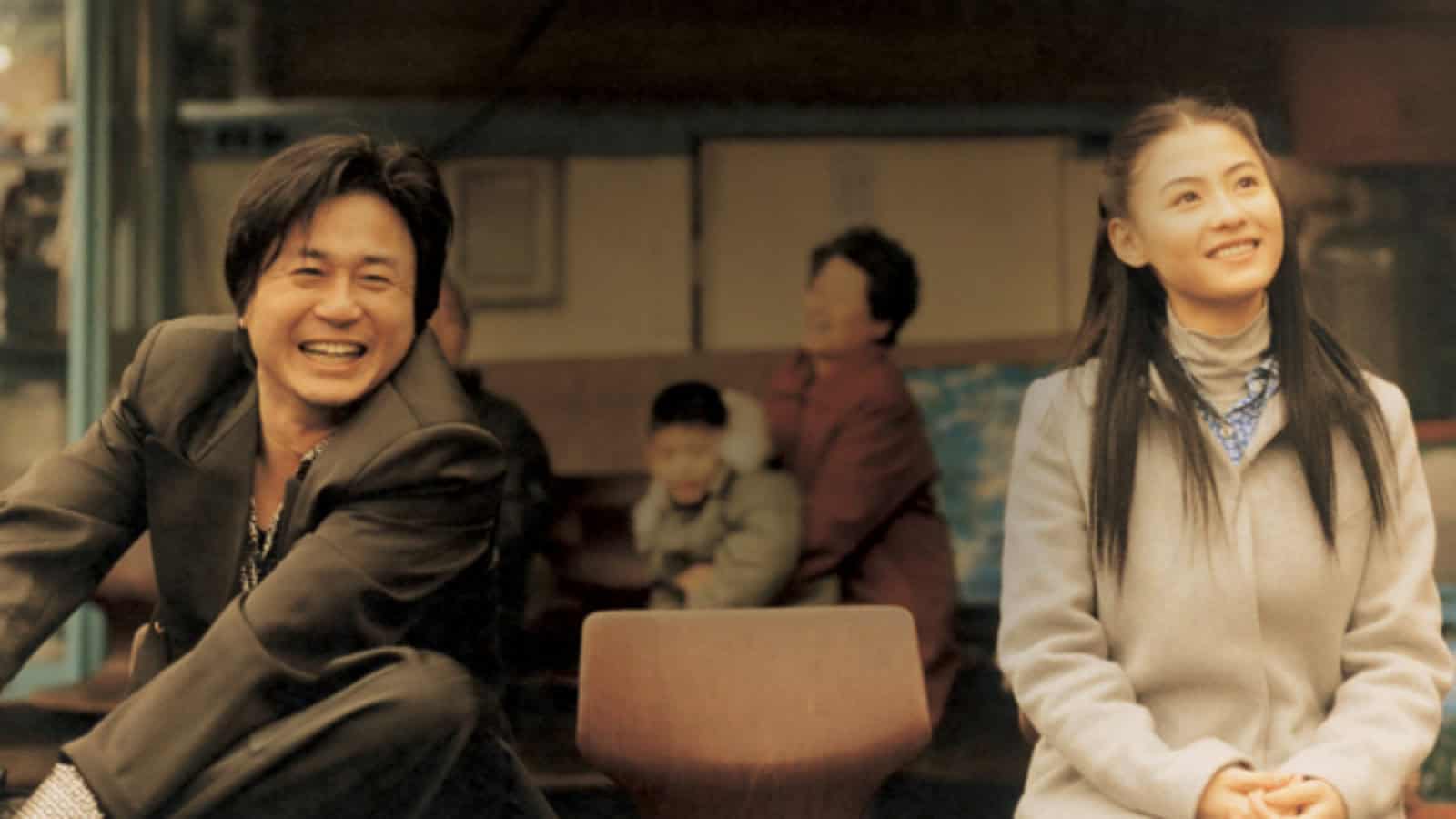
13. Failan (Song Hae-sung, 2001, South Korea)
Failan is an exceptional and technically adept film that has become a significant title in both the careers of its lead actors and the early Korean New Wave. The film offers a unique story and structure, solidifying its place as one of South Korea’s finest romantic melodramas, celebrated for its compelling narrative and emotional depth.
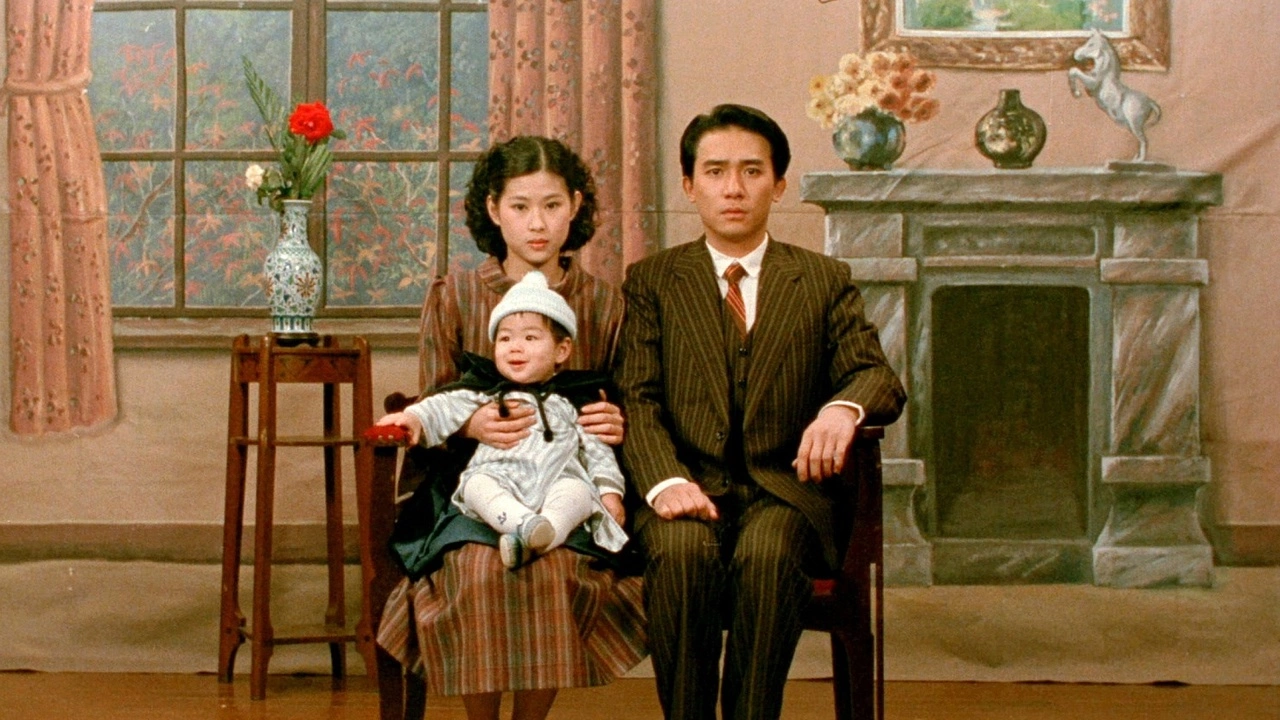
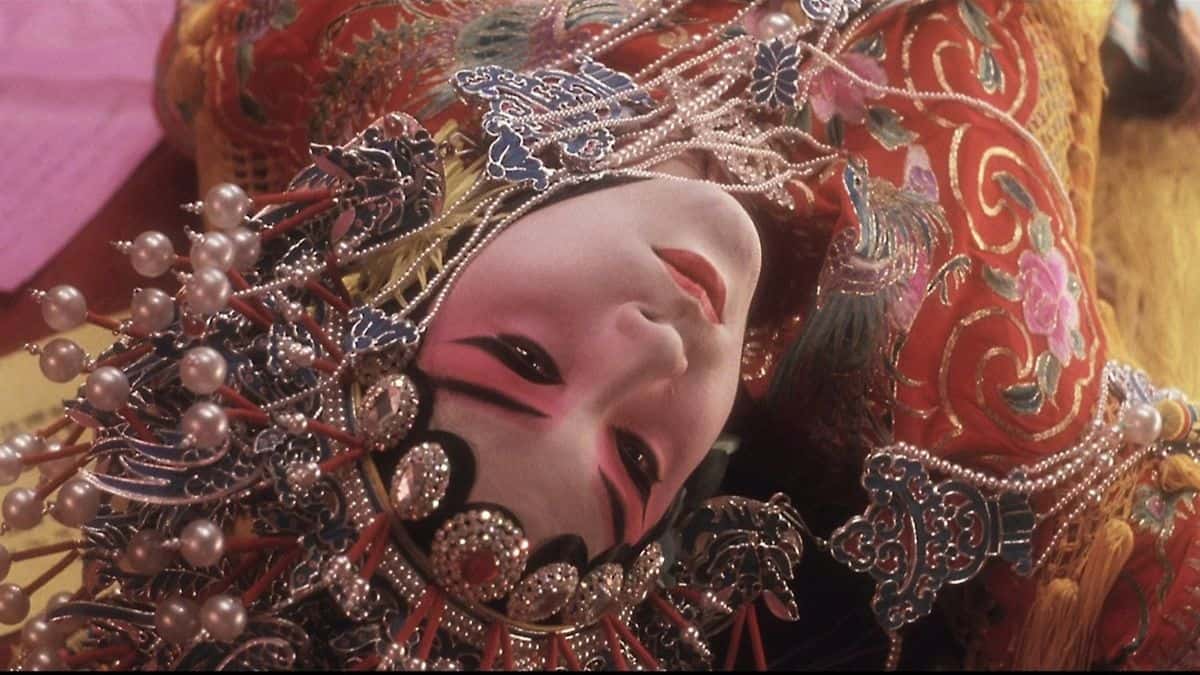
14. Farewell My Concubine (Chen Kaige, 1993, China)
Chen Kaige’s Farewell My Concubine is an epic drama spanning decades of Chinese history, set against the backdrop of the Beijing Opera. The film chronicles the complex, tumultuous relationship between two performers, Douzi and Shitou, whose lives become inextricably intertwined with jealousy, unrequited love, and the sweeping changes in China. Leslie Cheung’s performance is central to the film’s unforgettable emotional impact.

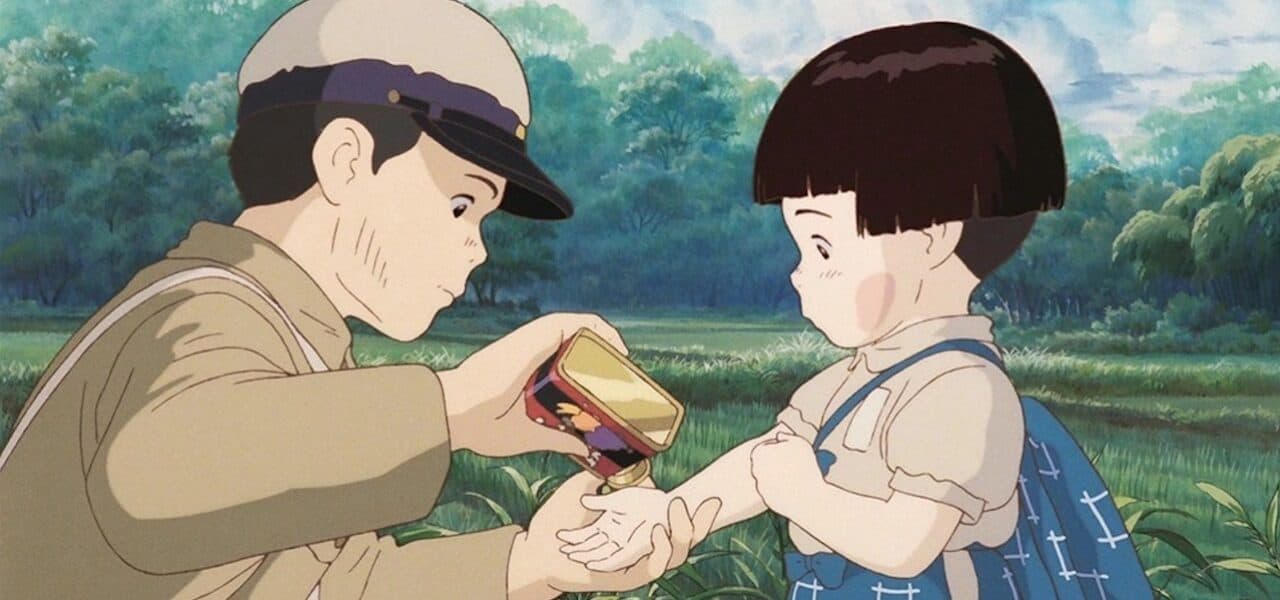
15. Grave of the Fireflies (Isao Takahata, 1988, Japan)
Isao Takahata’s Grave of the Fireflies is a devastating anti-war film that tells the story of two siblings struggling to survive in Japan during the final months of World War II. The animated feature is renowned for its emotional core, its unflinching portrayal of loss and trauma, and its powerful, enduring message against the futility of war.
16. Happy End (Jung Ji-woo, 1999, South Korea)
The title Happy End is deeply ironic, as Jung Ji-woo’s film offers a stark portrayal of marital discord and infidelity. The story centers on a married couple where the wife is the sole breadwinner and engages in an affair, while the husband, aware of the situation, endures it for the sake of their daughter. Despite the title, the film’s trajectory is undeniably towards heartbreak, making it a powerful, albeit painful, exploration of relationships.
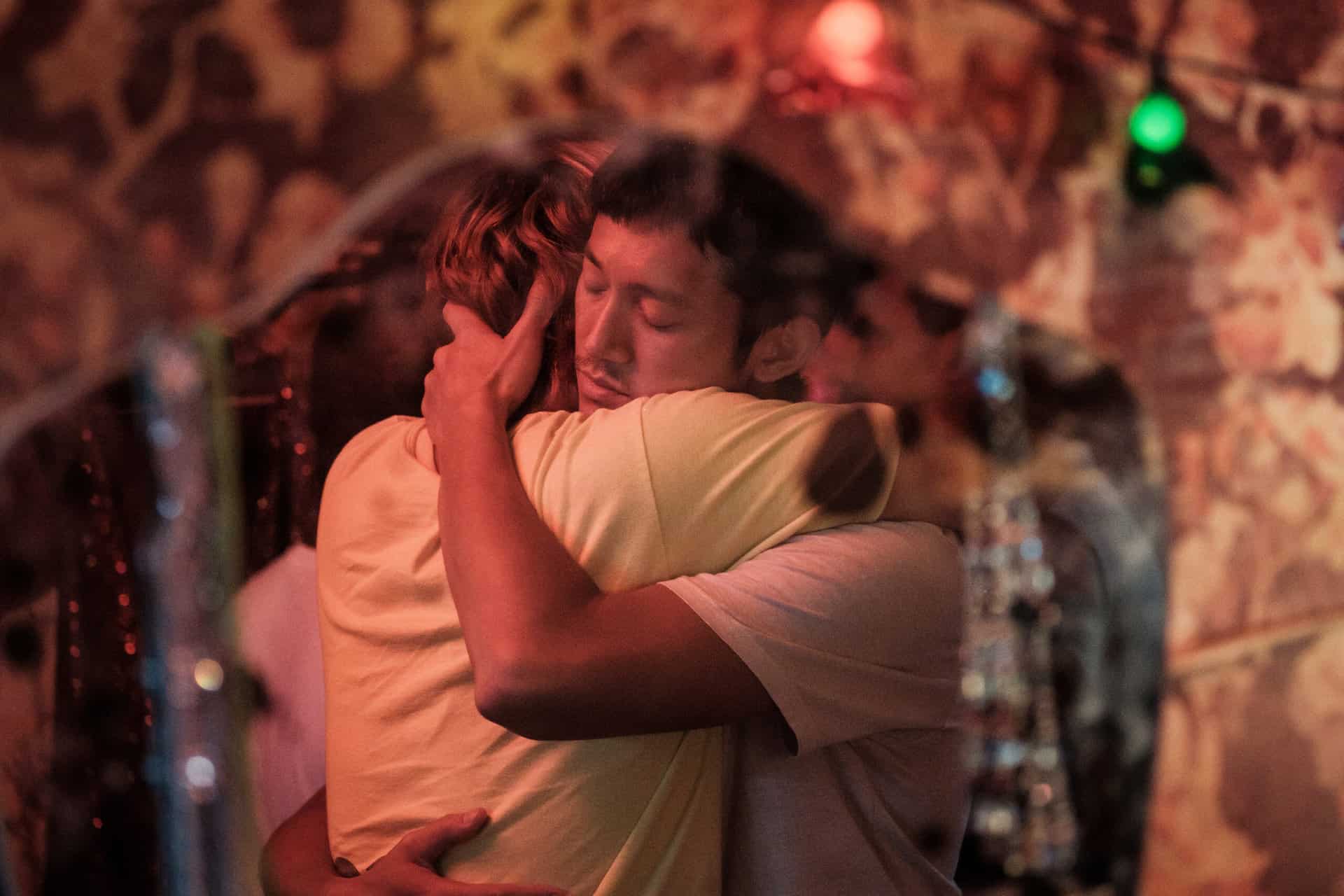
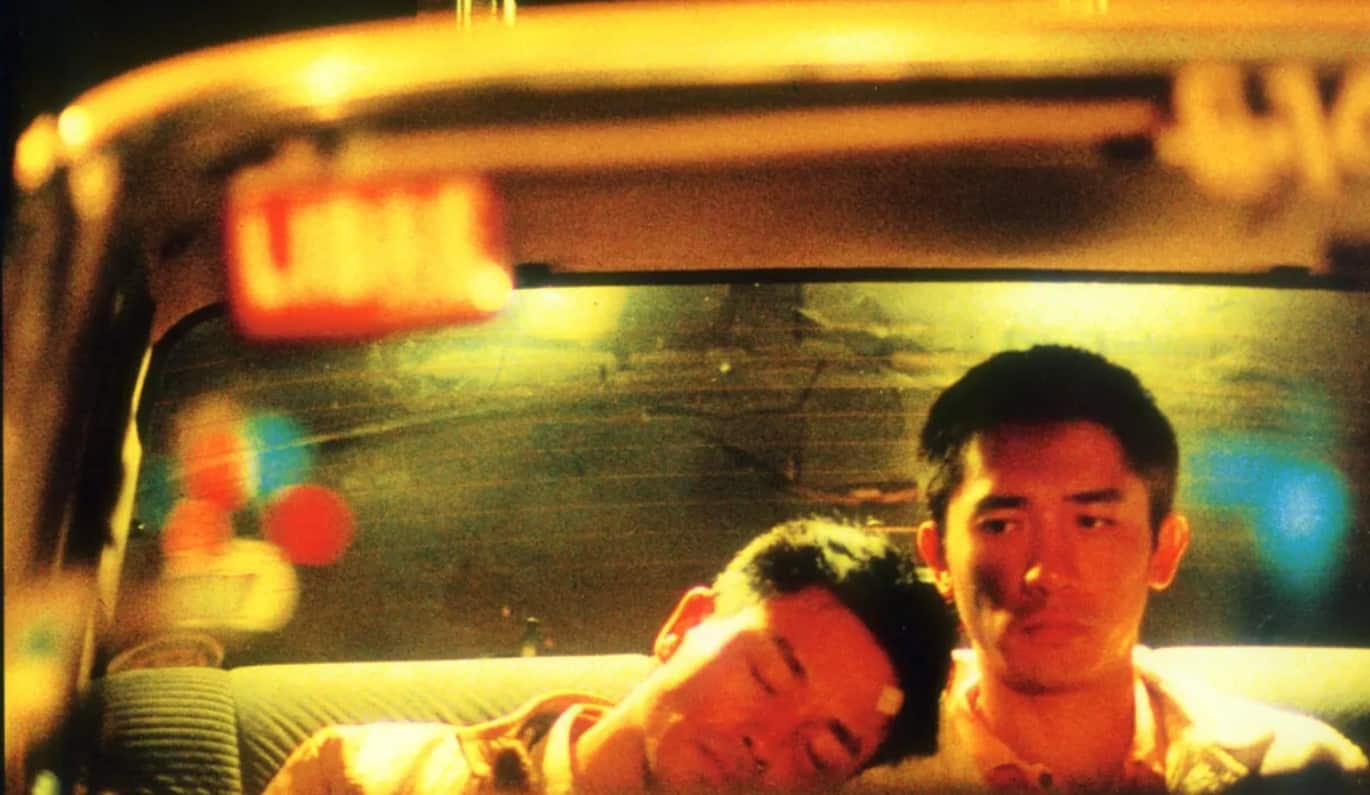
17. Happy Together (Wong Kar-wai, 1997, Hong Kong)
Wong Kar-wai’s Happy Together, which earned him the Best Director award at Cannes, masterfully captures a mood of longing and emotional turmoil. The film explores the complexities of a relationship between two gay men from Hong Kong living in Argentina. While the journey is fraught with difficulty and internal struggle, the film ultimately suggests that a form of resolution, perhaps a "happy ending," can be found through enduring emotional challenges.
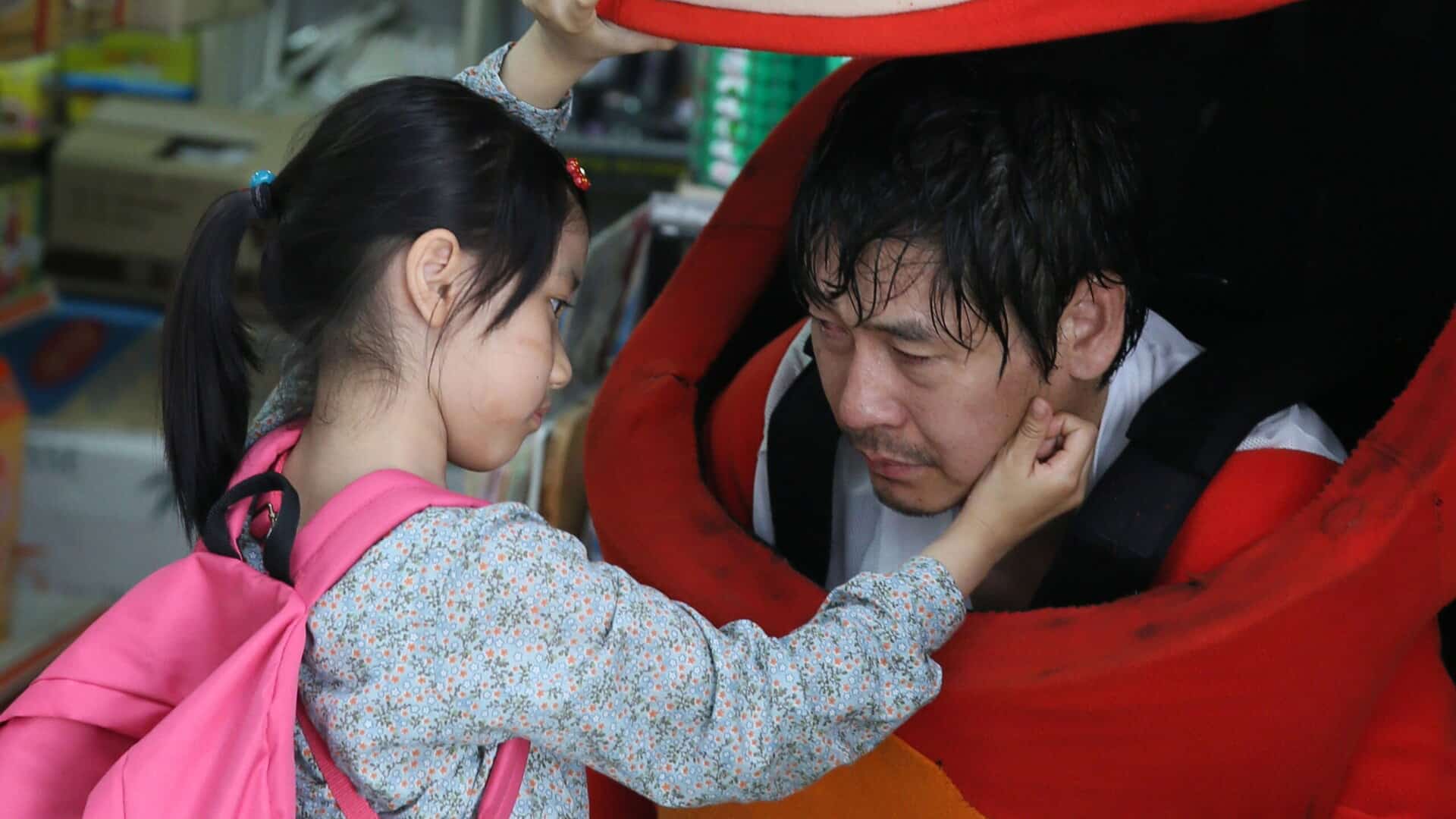
18. Hope (Lee Joon-ik, 2013, South Korea)
Based on a tragic true story, Lee Joon-ik’s Hope is a powerful and heartbreaking film that depicts the aftermath of a young girl’s sexual assault. The film does not shy away from the brutal realities of the attack but focuses on the profound physical, emotional, and psychological toll it takes on the victim and her family. The performances, particularly from the young lead Lee Re, are remarkable, anchoring the film’s devastating emotional core.

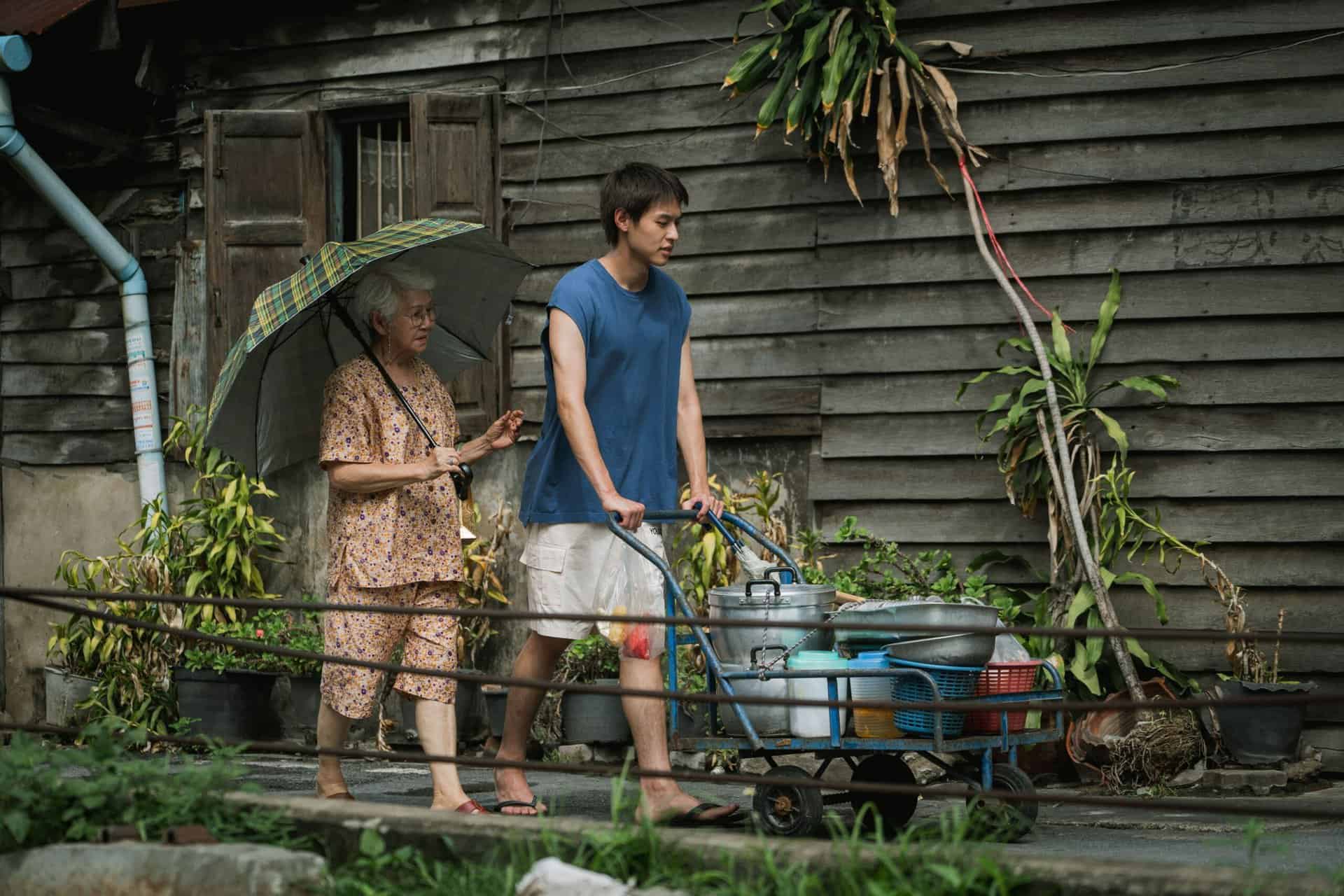
19. How to Make Millions Before Grandma Dies (Pat Boonnitipat, 2024, Thailand)
How to Make Millions Before Grandma Dies offers a realistic and engaging family drama that tackles significant issues facing families worldwide. The film provides an entertaining yet emotionally resonant look at intergenerational relationships and the complexities of life and death, resonating with audiences through its relatable themes.
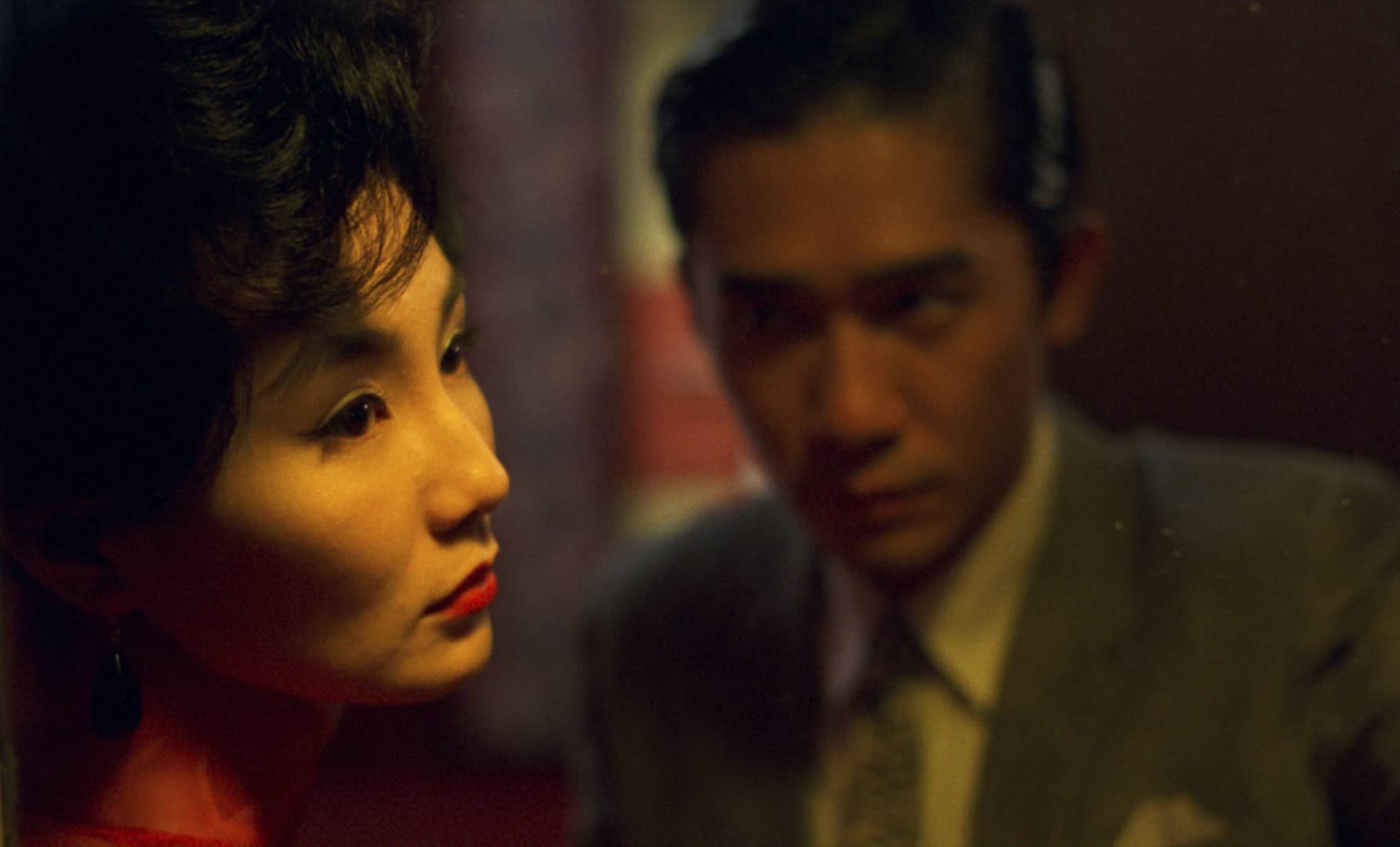
20. In the Mood for Love (Wong Kar-wai, 2000, Hong Kong)
Wong Kar-wai’s In the Mood for Love is a visually exquisite film that delves into themes of unspoken love, urban isolation, and the allure of secrecy. Set in 1960s Hong Kong, the film captures a mood of longing and restrained passion between two neighbors who discover their spouses are having an affair. Its stunning cinematography and evocative atmosphere make it a masterclass in understated emotional storytelling.
21. Intolerance (Keisuke Yoshida, 2020, Japan)
Keisuke Yoshida’s Intolerance is a compelling film driven by strong performances and an intriguing concept. However, the film’s tendency to over-explain certain narrative elements can make it feel protracted, particularly in its final act. Despite this, it remains a thought-provoking exploration of its themes.
22. Maborosi (Hirokazu Kore-eda, 1995, Japan)
Hirokazu Kore-eda’s Maborosi is a masterfully crafted film that immerses viewers in its characters’ contemplation of life. With a superb screenplay, outstanding performances, and beautiful cinematography, the film invites audiences to engage in the same profound reflections as its characters, creating a deeply affecting cinematic experience.
23. Mahanadhi (Santhana Bharathi, 1994, India)
Mahanadhi, starring Kamal Haasan, is a powerful Indian drama about a widower who moves to the city seeking a better life, only to be ensnared by corruption and crime. The film unflinchingly depicts the devastating impact of these forces on his family, making a strong moral and social statement through the characters’ profound suffering. Its melancholic poetry makes its message all the more impactful.
24. Manila in the Claws of Light (Lino Brocka, 1975, Philippines)
Considered a masterpiece of Filipino cinema, Manila in the Claws of Light is a stark and realistic portrayal of life in 1970s Manila. Lino Brocka’s film presents the harsh realities of the city without sacrificing its aesthetic beauty or entertainment value, making it a powerful and enduring work that consistently ranks among the world’s greatest films.
25. Masaan (Neeraj Ghaywan, 2015, India)
Neeraj Ghaywan’s Masaan is a poetic exploration of loss—both of loved ones and of innocence—in a society stratified by class, caste, and hypocritical moral codes. The film gives voice to marginalized individuals, fostering empathy for their struggles. While not ending in despair, it guides its characters through profound hardship to self-discovery, offering a glimmer of hope.
26. Metro Manila (Sean Ellis, 2013, Philippines/UK)
Sean Ellis’s Metro Manila offers a unique perspective on the bustling and often chaotic city of Manila. The film masterfully blends wonder and dread, capturing the intense atmosphere of the city and its inhabitants through a Western lens, creating a sense of both fascination and unease.

27. Microhabitat (Jeon Go-woon, 2017, South Korea)
Microhabitat is a delightful independent film that offers a subtle yet profound message. Its deft execution, combining entertainment with reflection, and the brilliant performances of its cast make it a must-watch. The film is celebrated for its thoughtful approach to contemporary issues.
28. Next Sohee (July Jung, 2022, South Korea)
July Jung’s Next Sohee is a visceral and accomplished sophomore feature that tackles serious societal issues. The film brings attention to critical problems, aiming to prevent future tragedies like the one depicted. It is a powerful and necessary work that highlights the director’s commitment to social commentary.
29. Nobody Knows (Hirokazu Kore-eda, 2004, Japan)
Hirokazu Kore-eda’s Nobody Knows is a poignant family and social drama that explores themes of conformity, tradition, and the challenges faced by families. The film offers an emotional journey for its viewers while also providing insightful commentary on societal structures and the resilience of the human spirit.
30. Ode to My Father (Yoon Je-kyoon, 2014, South Korea)
Beginning with the Hungnam Evacuation during the Korean War, Ode to My Father is a sweeping, decade-spanning family saga. The film pays tribute to a generation that endured immense suffering and sacrifice, the weight of which continues to resonate in contemporary South Korean consciousness. It is a profound and moving historical drama.
31. A Litre of Tears (Ryuichi Inomata, 2005, Japan)
Based on the real-life diary of Aya Kito, A Litre of Tears chronicles her courageous battle with spinocerebellar degeneration, a rare and incurable illness. Despite the devastating prognosis, Aya’s unwavering spirit and her diary entries serve as the foundation for this deeply moving film. It highlights her determination to live a full life and the unwavering support of her friends and family.
32. Peppermint Candy (Lee Chang-dong, 1999, South Korea)
Peppermint Candy, featuring a brilliant lead performance by Sol Kyung-gu and a cleverly constructed script, is a standout work by director Lee Chang-dong. The film is a powerful exploration of trauma and its lasting effects, making it a significant entry in South Korean cinema that deserves wider recognition.
33. Raise the Red Lantern (Zhang Yimou, 1991, China)
Zhang Yimou’s Raise the Red Lantern is a visually stunning and thematically rich film that exposes the oppressive nature of corrupt authority and tradition. Set in feudal China, it depicts the struggles of women trapped in a patriarchal hierarchy, whose desires for status and power lead to tragic consequences. Gong Li’s performance is central to the film’s powerful portrayal of subjugation and resilience.
34. Rouge (Stanley Kwan, 1987, Hong Kong)
Rouge is widely considered one of Hong Kong’s finest films, a triumph of style, drama, and emotional depth. The film, starring Anita Mui and Leslie Cheung, tells the story of a tragic love affair between a courtesan and a wealthy man in 1930s Hong Kong. Its unique narrative structure and haunting atmosphere make it a must-watch for cinema enthusiasts.
35. Sadma (Balu Mahendra, 1983, India)
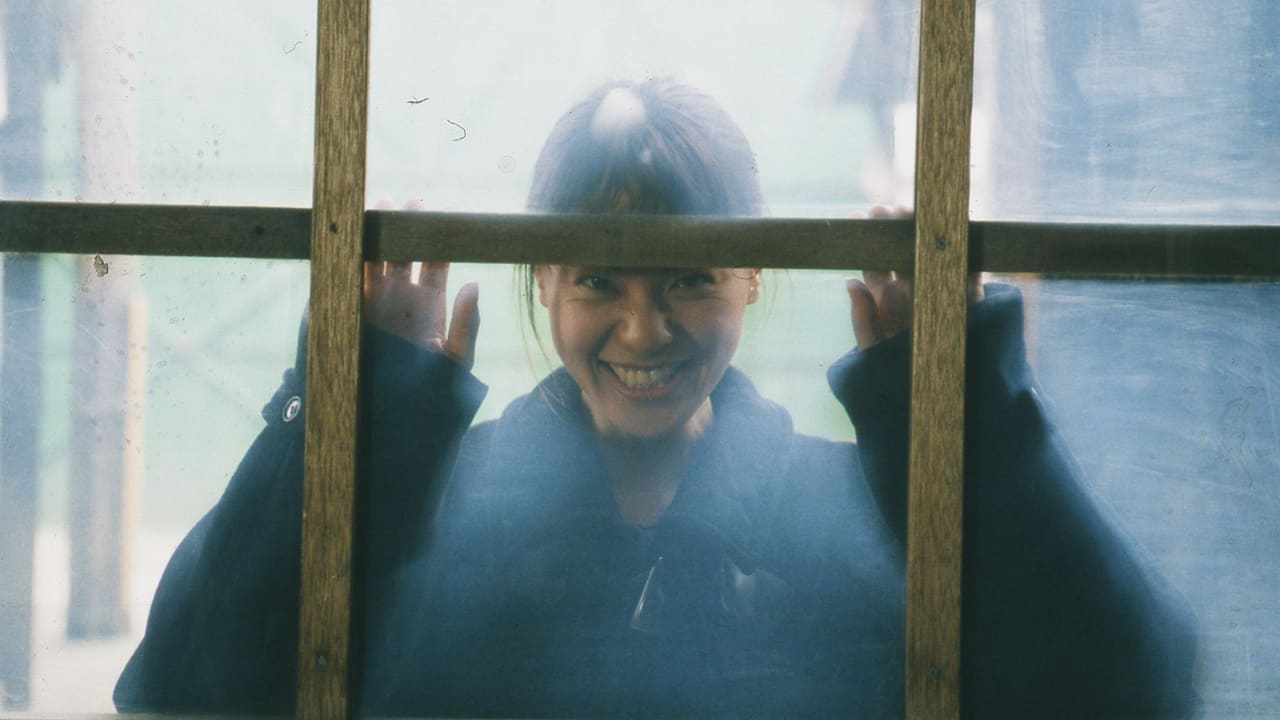
Sadma is a deeply affecting Indian film about a young woman who suffers from retrograde amnesia after a car accident, regressing to a childlike state. A school teacher rescues her and falls in love with her, leading to a poignant and ultimately heartbreaking story. The film is celebrated for its career-defining performances by Kamal Haasan and Sridevi and its timeless musical score.
36. Secret Sunshine (Lee Chang-dong, 2007, South Korea)
Lee Chang-dong’s Secret Sunshine confronts tragedy with a uniquely human and often peculiar approach. The film explores the profound grief and spiritual crisis of a woman who loses her husband and son. Despite its unconventional narrative, it offers a deeply resonant portrayal of human suffering and the search for solace.

37. Silenced (Hwang Dong-hyuk, 2011, South Korea)
Based on a harrowing real-life incident, Silenced depicts the sexual abuse of deaf and speech-impaired children by their teachers at a special needs school in South Korea. The film’s unflinching portrayal of the events, combined with the perpetrators’ impunity, makes it both infuriating and profoundly sad. Crucially, the film’s success led to legislative changes in South Korea, demonstrating cinema’s power as a catalyst for social change.
38. Sympathy for Mr. Vengeance (Park Chan-wook, 2002, South Korea)
Park Chan-wook’s Sympathy for Mr. Vengeance is a dark and brutal melodrama that transcends its genre through its unflinching exploration of revenge. The film’s narrative spiral into tragedy highlights the destructive nature of vengeance and its devastating consequences on individuals and their relationships.
39. Taegukgi: The Brotherhood of War (Kang Je-gyu, 2004, South Korea)
Taegukgi: The Brotherhood of War is an epic Korean War film that focuses on two brothers caught in the conflict. The elder brother, determined to protect his younger sibling, volunteers for increasingly dangerous missions, leading to dramatic and tragic consequences. The film is a powerful portrayal of sacrifice and the brutal realities of war.
40. Thy Womb (Brillante Ma Mendoza, 2012, Philippines)
Brillante Ma Mendoza’s Thy Womb is a significant work that showcases his signature blend of realism, melodrama, and violence. The film offers a poignant and artful exploration of its themes, solidifying its place as one of Mendoza’s most notable achievements in his acclaimed filmography.