


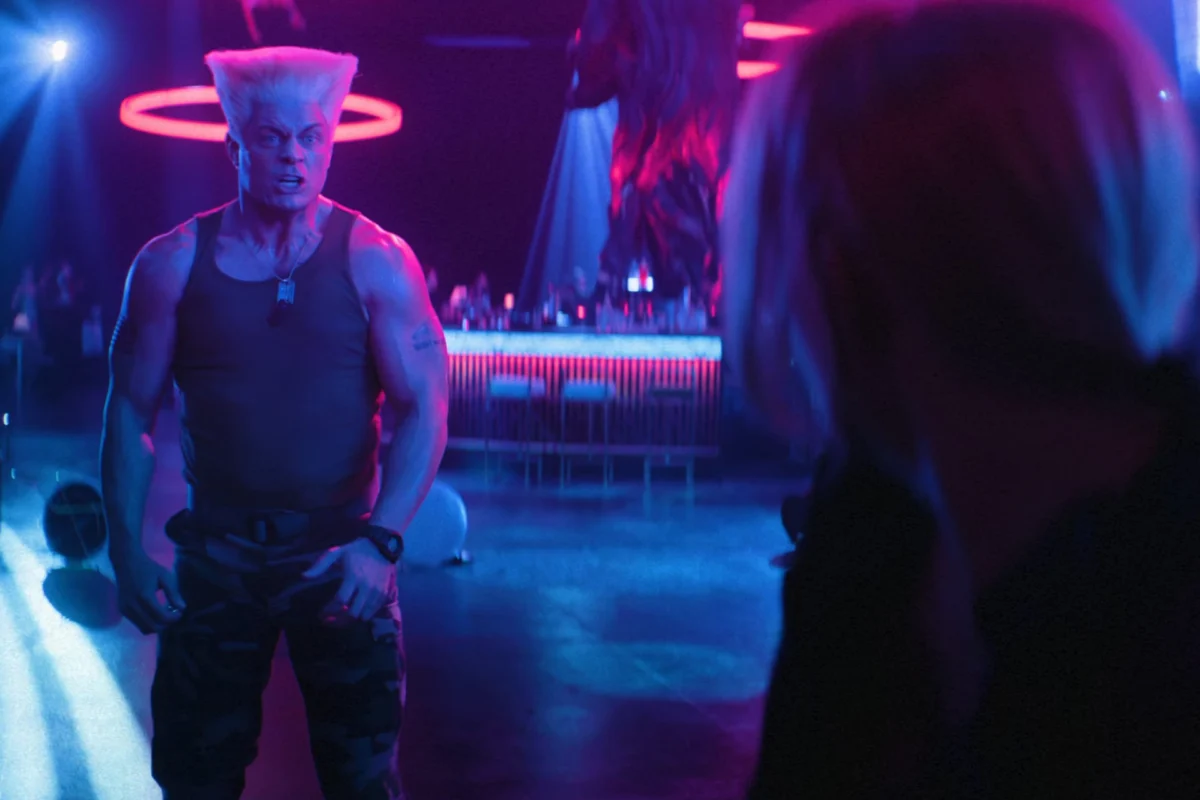
The legendary martial arts saga, Street Fighter, explodes onto the silver screen this fall, transporting audiences back to the gritty, neon-drenched world of 1993. Directed by the visionary Kitao Sakurai, this cinematic adaptation promises to reignite the passion of long-time fans and captivate new generations with its visceral action, compelling narrative, and iconic characters. The film centers on the estranged martial arts prodigies Ryu (Andrew Koji) and Ken Masters (Noah Centineo), whose paths, once intertwined by shared training and camaraderie, have diverged into separate struggles. Their uneasy peace is shattered when the enigmatic and formidable Chun-Li (Callina Liang) orchestrates their re-entry into the brutal and prestigious World Warrior Tournament. This is no mere exhibition; it is a gauntlet of raw combat, where destiny is forged in the crucible of physical prowess and where the line between competitor and target blurs.
However, beneath the dazzling displays of Hadoukens and lightning-fast roundhouse kicks, a sinister conspiracy brews. This clandestine plot forces Ryu and Ken, not only to confront formidable opponents from across the globe but also to face each other, a confrontation fraught with the emotional baggage of their shared past and unresolved conflicts. The stakes are immeasurably high, as the very fabric of their lives, and potentially the world of martial arts itself, hangs in the balance. Failure to overcome both their external adversaries and their internal demons will result in an irreversible and catastrophic outcome: GAME OVER.
The Genesis of a Cinematic Reboot: Bringing the Arcade Icon to Life
The decision to bring Street Fighter back to the big screen in a live-action format has been met with considerable anticipation, particularly given the franchise’s storied history. Originating as a groundbreaking arcade game in 1987, Street Fighter rapidly evolved into a global phenomenon. Its innovative two-button attack system, coupled with memorable characters and signature special moves, revolutionized the fighting game genre. The 1991 release of Street Fighter II is widely considered a watershed moment in gaming history, selling millions of arcade cabinets worldwide and cementing its status as a cultural touchstone. This immense popularity naturally led to previous attempts at film adaptations, including the 1994 live-action film starring Jean-Claude Van Damme, which garnered mixed reviews, and an animated film that found a dedicated following.
The current iteration, helmed by Kitao Sakurai, represents a deliberate effort to recalibrate the franchise for a modern audience while remaining faithful to its core essence. Sakurai, known for his distinctive visual style and penchant for blending intense action with character-driven narratives, appears poised to deliver a Street Fighter experience that is both exhilarating and emotionally resonant. The film’s setting in 1993 is a deliberate choice, evoking the golden age of arcade gaming and the initial explosion of Street Fighter’s popularity. This temporal setting allows for a nostalgic immersion into a world that predates the ubiquitous presence of online multiplayer, focusing instead on the raw, physical confrontation that defined the original games.
Casting the Icons: Embodiment of Legendary Fighters
The casting of Ryu, Ken, and Chun-Li has been a focal point of discussion among fans. Andrew Koji, who previously garnered acclaim for his role in Warrior, steps into the gi of Ryu. Koji’s background in martial arts and his proven ability to portray complex characters suggest a nuanced interpretation of the stoic warrior. Noah Centineo, known for his charisma and leading roles in romantic comedies, takes on the mantle of Ken Masters. This casting choice signals a potential exploration of Ken’s more flamboyant and perhaps less disciplined persona, contrasting sharply with Ryu’s introspective nature. Callina Liang, a relative newcomer, is tasked with embodying the iconic Chun-Li, a character celebrated for her strength, intelligence, and unwavering sense of justice. The success of these performances will be critical in translating the distinct personalities and fighting styles of these beloved characters to the screen.
The World Warrior Tournament: A Crucible of Combat and Conspiracy
The World Warrior Tournament serves as the central narrative engine of the film. This fictional global competition has been a staple of the Street Fighter lore, bringing together the world’s most skilled martial artists to battle for supremacy. Historically, the tournament has been a platform for showcasing diverse fighting styles, from the powerful Hadouken of Ryu and Ken to the lightning-fast kicks of Chun-Li, and the unique abilities of a vast array of other fighters.
In the context of the film, the tournament is framed not merely as a sporting event but as a carefully orchestrated spectacle with a darker undercurrent. The "brutal clash of fists, fate, and fury" described in promotional materials suggests a tournament that prioritizes raw aggression and survival over honor and sportsmanship. The introduction of a "deadly conspiracy" behind the event implies that the matches are manipulated, and the competitors may be pawns in a larger, more sinister game. This narrative device allows for the exploration of themes beyond simple martial arts prowess, delving into betrayal, manipulation, and the struggle for control within the world of elite combat.
Unraveling the Conspiracy: Stakes Beyond Victory
The conspiracy element adds a significant layer of intrigue to the Street Fighter narrative. The implication that Ryu and Ken are forced to "face off against each other" suggests a scenario where their loyalties are tested, and their individual journeys are deliberately set on a collision course. This dramatic tension is amplified by the mention of "demons of their past," hinting at unresolved personal conflicts or past traumas that will resurface under the pressure of the tournament.
The film’s climax, where failure means "GAME OVER," underscores the life-or-death stakes involved. This phrase, directly referencing the iconic arcade game’s end-of-round message, serves as a meta-commentary on the franchise’s origins and adds a potent sense of finality to the unfolding events. The conspiracy’s ultimate goal remains undisclosed, but its existence suggests that the World Warrior Tournament is a front for something far more dangerous, potentially involving global domination, illicit power, or the exploitation of the fighters themselves.
Directorial Vision and Cinematic Execution
Kitao Sakurai’s involvement as director is a key indicator of the film’s intended tone and style. His previous work, such as Bad Trip, demonstrates a knack for balancing dark humor with moments of unexpected emotional depth and visual flair. For Street Fighter, this suggests an approach that will likely embrace the inherent theatricality of the source material while grounding the narrative in believable character motivations. The promise of bringing "Hadoukens, roundhouses, and all your favorite characters" to the big screen indicates a commitment to delivering the quintessential Street Fighter experience, complete with the signature special moves and beloved roster that have captivated fans for decades.
The success of this cinematic endeavor hinges on its ability to translate the fast-paced, visually dynamic combat of the video games into a compelling on-screen spectacle. Choreography, visual effects, and editing will play crucial roles in rendering the iconic attacks and defensive maneuvers of the Street Fighter universe in a way that is both authentic and thrilling for audiences. The film’s release date, October 16, positions it for a prime autumn debut, aiming to capture both the gaming community’s fervent anticipation and the broader movie-going audience.
The Broader Impact: Revitalizing a Legacy Franchise
The release of Street Fighter is more than just another blockbuster; it represents a significant moment for a legacy franchise that has left an indelible mark on popular culture. The success of this film could pave the way for further expansions of the Street Fighter universe on screen, potentially exploring the backstories of other iconic characters or delving deeper into the intricate lore that has been developed over decades of games, comics, and other media.
The film’s ability to resonate with both existing fans and newcomers will be a critical determinant of its commercial and critical reception. By blending nostalgic elements with a fresh narrative and modern filmmaking techniques, Street Fighter has the potential to reintroduce the franchise to a new generation, solidifying its place as a pop culture powerhouse for years to come. The intricate dance between nostalgia and innovation will be keenly watched as audiences prepare to once again enter the world of Street Fighter and witness the ultimate battle for supremacy. The echoes of the arcade, the roar of the crowd, and the devastating impact of a well-timed special move are all poised to make a triumphant return to the cinematic arena.