



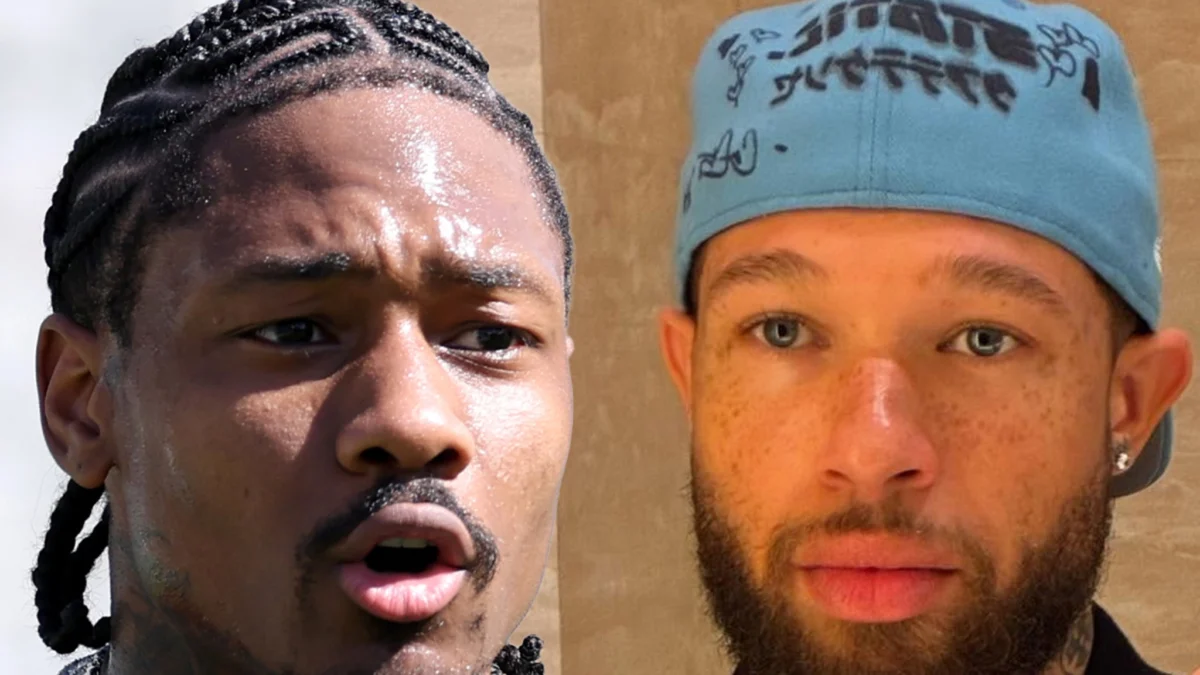
A significant development has emerged in the ongoing legal battle between NFL star Stefon Diggs and social media personality Christopher Blake Griffith, with Griffith filing a motion to compel discovery, demanding that Diggs disclose financial information relevant to his defamation lawsuit. The motion, filed on April 21, 2026, and obtained through legal channels, intensifies the already complex litigation, asserting that Diggs is "stonewalling" the discovery process and cannot "sue and hide" while claiming financial and reputational damages.
The Heart of the Discovery Dispute
At the core of Griffith’s recent legal maneuver is the principle that if Stefon Diggs claims his reputation and financial standing have been damaged by Griffith’s sexual assault allegations, he must provide tangible evidence to support those claims. Griffith’s legal team is pushing the court to compel Diggs to produce comprehensive financial records and other relevant documentation that would substantiate any alleged harm. This request comes as part of the standard discovery phase in civil litigation, where both parties exchange information pertinent to the case. The assertion by Griffith’s lawyer, that Diggs "does not get to sue and hide," highlights a common legal strategy where a plaintiff seeking damages is expected to demonstrate the extent of those damages. Without such disclosure, Griffith’s defense argues, it becomes impossible to adequately assess the validity and scope of Diggs’ defamation claims.
A Chronology of Contentious Claims
The legal saga began well before the current motion. Christopher Blake Griffith, a social media personality, publicly leveled serious accusations against Stefon Diggs. These allegations, which surfaced prior to November 2025, included claims that Diggs drugged and sexually assaulted him, and later conspired to have him killed. These grave accusations quickly gained traction across various social media platforms, drawing significant public attention due given Diggs’ high profile as an NFL wide receiver. The public nature and severity of these claims immediately placed Diggs under intense scrutiny, impacting his public image and professional standing. The timeline of these events is critical to understanding the current legal landscape:
- Prior to November 2025: Christopher Blake Griffith publicly accuses Stefon Diggs of sexual assault, drugging, and conspiracy to kill. These allegations primarily circulate on social media, drawing widespread attention.
- November 2025: Stefon Diggs files a defamation lawsuit against Christopher Blake Griffith. In his complaint, Diggs alleges that Griffith intentionally and knowingly fabricated these claims for "online clout" and to maliciously harm Diggs’ reputation.
- Late 2025 – Early 2026: The legal proceedings enter the discovery phase, where both parties exchange information. This period is typically marked by requests for documents, interrogatories, and depositions.
- April 21, 2026: Christopher Blake Griffith’s legal team files a motion to compel, seeking to force Stefon Diggs to produce financial information to support his defamation claims. Griffith alleges Diggs has been "resisting the discovery process."
This chronology illustrates a rapid escalation from public accusation to formal litigation, with the current motion marking a pivotal point in the information-gathering stage.
Stefon Diggs’ Defamation Counter-Suit
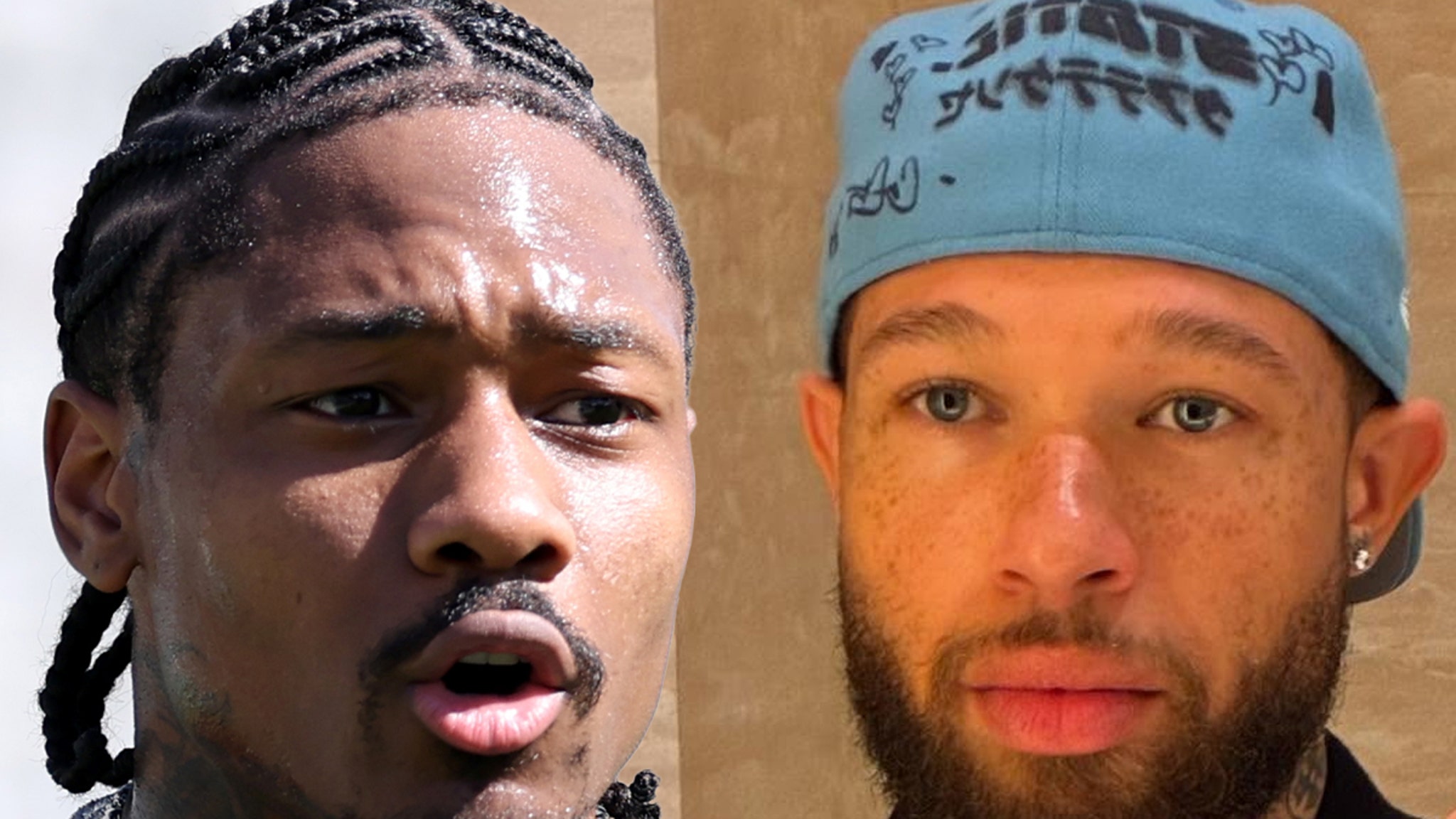
In November 2025, Stefon Diggs initiated his defamation lawsuit against Christopher Blake Griffith, vehemently denying the sexual assault, drugging, and conspiracy allegations. Diggs’ legal complaint asserted that Griffith’s statements were false, malicious, and made with the express intent to damage his character and career for personal gain, specifically "online clout." As a public figure, Diggs would typically need to prove "actual malice" – that Griffith made the statements with knowledge of their falsity or with reckless disregard for the truth – a higher legal standard than for private individuals.
The lawsuit underscores the significant impact such allegations can have on a professional athlete. Beyond the immediate damage to reputation, false claims can jeopardize lucrative endorsement deals, future contract negotiations, and overall career trajectory. NFL players, particularly those of Diggs’ caliber, often have substantial income streams tied to their public image, including sponsorships with major brands, media appearances, and merchandise sales. Any perceived stain on their character can lead to significant financial losses. Diggs’ suit, therefore, seeks not only to clear his name but also to recover damages for the alleged financial and emotional distress caused by Griffith’s public accusations. The request for financial disclosure from Griffith’s legal team is directly aimed at scrutinizing these claimed damages.
Christopher Blake Griffith’s Stance and Legal Strategy
Christopher Blake Griffith’s motion to compel is a direct challenge to Diggs’ prosecution of his defamation claim. Griffith’s legal team argues that Diggs filed the lawsuit with the intent to "silence him" and is now actively attempting to "obstruct any discovery that would test his claims." This perspective frames Diggs’ resistance to discovery as an attempt to control the narrative and avoid a thorough examination of the facts surrounding his alleged damages. The phrase "can’t have it both ways" encapsulates Griffith’s argument: Diggs cannot simultaneously claim significant financial and reputational harm due to defamation while withholding the very evidence that would prove such harm.
From Griffith’s standpoint, obtaining Diggs’ financial records is crucial for several reasons. Firstly, it allows Griffith’s legal team to verify the extent of any alleged financial losses. For example, if Diggs claims to have lost endorsement deals, Griffith’s team would seek to examine contracts, communications with sponsors, and financial statements to ascertain if such losses genuinely occurred and were directly attributable to Griffith’s statements. Secondly, it could provide insight into Diggs’ overall financial health, potentially demonstrating that any alleged losses were not as catastrophic as claimed or that other factors contributed to them. This strategic move aims to level the playing field in discovery, ensuring that both parties are transparent in their claims and defenses.
The Role of Discovery in Civil Litigation
Discovery is a critical phase in civil litigation, designed to prevent trial by ambush and ensure that both sides have access to the information needed to prepare their cases. It involves various mechanisms, including interrogatories (written questions), requests for production of documents, and depositions (oral testimonies under oath). The goal is to uncover facts, identify witnesses, and clarify legal arguments before a trial commences.

In a defamation case where a plaintiff like Stefon Diggs is seeking monetary damages, the discovery process is particularly vital for examining the extent of the alleged harm. If Diggs claims millions in lost endorsements or reduced earning potential, his financial records, including tax returns, endorsement contracts, agent agreements, and marketing materials, become highly relevant. These documents can either support or refute his claims of financial injury. When one party believes the other is withholding crucial information, a "motion to compel" is filed. This motion asks the court to intervene and order the non-compliant party to produce the requested documents or information. The judge then reviews the arguments from both sides and decides whether the information sought is relevant and necessary for the litigation. A successful motion to compel can significantly alter the trajectory of a case, potentially forcing a party to reveal information they had intended to keep private.
Potential Ramifications for Both Parties
The outcome of Griffith’s motion to compel carries significant ramifications for both Stefon Diggs and Christopher Blake Griffith.
For Stefon Diggs, a court order compelling him to disclose extensive financial information could be a double-edged sword. While it might be necessary to prove his damages, it would also open his personal and professional finances to intense scrutiny, which many high-profile individuals prefer to avoid. This disclosure could include details about his NFL contract, endorsement deals, investments, and other income streams, potentially revealing sensitive information to the public and his competitors. Should he continue to resist an order, he could face sanctions from the court, including fines or adverse inferences drawn against him, which could weaken his defamation claim. Conversely, if the motion is denied, Diggs could maintain a degree of privacy regarding his finances, but it might also make it harder for him to definitively prove the monetary extent of his alleged damages without some form of alternative evidence.
For Christopher Blake Griffith, the success of this motion is paramount to his defense. Access to Diggs’ financial information would empower his legal team to thoroughly challenge the veracity and scale of Diggs’ damage claims. It could allow them to argue that any financial downturns were not solely due to Griffith’s allegations but perhaps due to other factors, market conditions, or contract negotiations. If the motion is granted, it could significantly strengthen Griffith’s position in the lawsuit, potentially leading to a more favorable settlement or a stronger defense at trial. If denied, Griffith would have to find alternative ways to challenge Diggs’ damage claims, which could be more challenging without direct financial evidence. The resolution of this motion will undoubtedly shape the subsequent stages of the legal proceedings, influencing discovery strategies and potentially the very arguments presented at trial.
Broader Implications for Public Figures and Social Media
This high-profile case between Stefon Diggs and Christopher Blake Griffith underscores several broader societal and legal implications, particularly concerning public figures, social media, and the law of defamation. In the age of digital communication, allegations can spread globally in an instant, often without initial verification. Social media platforms provide an unprecedented megaphone for individuals to make claims, which, when involving celebrities or athletes, can have immediate and far-reaching consequences.
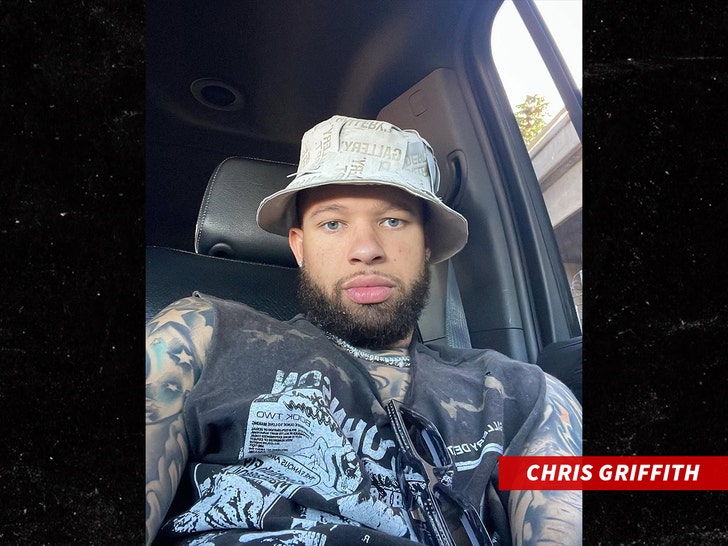
The case highlights the increasing frequency of defamation lawsuits filed by public figures in response to online accusations. While social media offers a platform for free speech, it also creates fertile ground for potentially false and damaging statements. For public figures, whose livelihoods are often intrinsically linked to their public image, the decision to sue for defamation is often a strategic one aimed at protecting their brand, deterring future false accusations, and seeking redress for tangible harm.
Moreover, the dispute sheds light on the complexities of proving damages in defamation cases for individuals with substantial and multifaceted incomes. Unlike a typical business, an athlete’s income is often a blend of salary, performance bonuses, and endorsements, all of which can be sensitive to public perception. Quantifying the exact financial impact of an alleged defamatory statement in such a scenario is a sophisticated legal challenge, making financial discovery a crucial battleground. This case serves as a poignant reminder of the delicate balance between free speech, the right to one’s reputation, and the accountability of those who disseminate information online.
The Road Ahead in the Legal Battle
The legal battle between Stefon Diggs and Christopher Blake Griffith is far from over. The court’s decision on Griffith’s motion to compel will set a critical precedent for the discovery phase. If the motion is granted, Diggs will be legally obligated to provide the requested financial documentation, which could then be used by Griffith’s defense to scrutinize the extent of the alleged damages. This could lead to further depositions where Diggs and potentially his financial advisors or agents are questioned under oath about these records.
Conversely, if the motion is denied, Griffith’s legal team would need to reassess their strategy for challenging Diggs’ claims of financial harm, possibly relying on expert testimony or indirect evidence. Regardless of the outcome of this specific motion, the underlying defamation lawsuit will continue to move through the judicial system. This process could involve additional motions, further discovery, settlement discussions, and potentially a full trial, which could span months or even years. The stakes remain exceptionally high for both parties, as the resolution will not only determine financial liabilities but also significantly impact their public reputations and future endeavors. The ongoing legal proceedings will undoubtedly be closely watched as they navigate the intricate intersection of celebrity, social media, and the justice system.