Rodeo FX, a globally recognized visual effects and animation studio, has announced the appointment of Paul Salvini as its new Chief Technology Officer (CTO). This strategic hire signals Rodeo FX’s intensified commitment to advancing its technological capabilities, with a particular focus on artificial intelligence (AI), the development of scalable production pipelines, and the implementation of next-generation production technologies. Salvini, a seasoned executive with a distinguished career at industry giants like SideFX and DNEG, brings a wealth of experience in shaping pivotal software and driving technological innovation within the visual effects (VFX) sector. His arrival marks a significant moment for Rodeo FX as the company navigates the rapidly evolving landscape of digital content creation.
A Deep Dive into Paul Salvini’s Impressive Background
Paul Salvini’s name is synonymous with transformative technological leadership in the VFX industry. His tenure at SideFX, the creators of the industry-standard 3D animation and visual effects software Houdini, was particularly impactful. As CTO, Salvini played a crucial role in the software’s development and widespread adoption, contributing significantly to its evolution into a cornerstone of modern visual effects production. Houdini’s procedural workflow and powerful simulation capabilities have empowered countless artists and studios to achieve groundbreaking visual feats. This deep understanding of artistic workflows and technological underpinnings makes Salvini a uniquely qualified leader for a studio like Rodeo FX.
Before his pivotal role at SideFX, Salvini also contributed to the academic and entrepreneurial ecosystem. He served as an educator, teaching engineering and computer science at the University of Toronto. This academic background likely instilled in him a strong foundation in theoretical computer science and a passion for fostering innovation. Concurrently, he engaged with technology entrepreneurs, supporting the growth of Canadian startups. This early exposure to the startup world would have honed his understanding of agile development, rapid iteration, and the challenges of bringing new technologies to market.
Following over 15 years at SideFX, Salvini transitioned to Christie Digital, where he served as CTO, gaining further experience in high-performance display and projection technologies. He then took on leadership roles at the Accelerator Centre and as Associate Vice President of Research at the University of Waterloo. In these capacities, he was instrumental in expanding the incubator’s reach and influence, solidifying its reputation as a globally recognized business accelerator. This period likely broadened his perspective on fostering innovation ecosystems and translating research into tangible business applications.
His return to the VFX industry as CTO at DNEG further solidified his reputation. At DNEG, he spearheaded critical technology initiatives, including early investments in artificial intelligence, the exploration of real-time technologies for faster iteration and rendering, and significant pipeline modernization efforts. These efforts were strategically aimed at enhancing production efficiency and ensuring long-term scalability, crucial for a studio of DNEG’s stature. Salvini’s experience at DNEG, a studio renowned for its work on major blockbuster films, provided him with firsthand insight into the demands of large-scale, high-stakes productions.

Rodeo FX’s Strategic Vision and the Role of Technology
The appointment of Paul Salvini underscores Rodeo FX’s ambitious growth strategy and its recognition of technology as a primary driver of future success. The company’s explicit focus on "next-generation tools, scalable pipelines, and research and development initiatives focused on evolving visual effects production workflows" aligns perfectly with Salvini’s expertise and track record.
Sébastien Moreau, President & Founder of Rodeo FX, emphasized the synergy between Salvini’s philosophy and the studio’s core values. "Paul is a rare leader who understands the deep connection between technology, business, and creativity," Moreau stated. "His philosophy—placing technology in service of artists—aligns closely with Rodeo FX’s DNA, making this a natural and strategic addition to the leadership team." This statement highlights Rodeo FX’s commitment to an artist-centric approach, where technology is viewed as an enabler of creative expression rather than a replacement for it. This philosophy is often a key differentiator in attracting and retaining top creative talent.
The visual effects industry is currently undergoing a profound transformation, driven by several key trends:
- Artificial Intelligence (AI) and Machine Learning (ML): AI is increasingly being integrated into various stages of the VFX pipeline, from asset generation and animation to rendering optimization and even script analysis. Studios are exploring AI for tasks like intelligent character rigging, procedural environment generation, and advanced denoising techniques. Salvini’s prior experience with AI investments at DNEG positions him to lead Rodeo FX in leveraging these powerful new tools.
- Real-Time Technologies: The rise of game engines like Unreal Engine and Unity has opened new avenues for real-time rendering and virtual production. This allows for faster iteration, on-set previs, and even direct rendering of final shots, significantly compressing production schedules and enhancing creative collaboration.
- Cloud Computing and Scalable Pipelines: The increasing complexity of VFX projects necessitates robust and scalable infrastructure. Cloud computing offers unparalleled flexibility and power, enabling studios to scale their resources up or down as needed, manage massive datasets, and facilitate remote collaboration among global teams. Developing efficient and adaptable pipelines is paramount to harnessing these capabilities.
- Proceduralism and Generative Design: Building upon the legacy of Houdini, studios are increasingly embracing procedural workflows that allow for the creation of complex and dynamic assets and environments through algorithms and rules. This not only enhances efficiency but also allows for greater artistic control and exploration.
Rodeo FX’s investment in these areas, under Salvini’s leadership, is a proactive response to these industry shifts. By focusing on AI and scalable pipelines, the studio aims to enhance its creative output, improve efficiency, and remain at the forefront of technological innovation.
A Chronology of Key Milestones and Transitions
Paul Salvini’s career trajectory demonstrates a consistent pattern of technological leadership and innovation, often at the intersection of academia, entrepreneurship, and industry application.
- Early Career & Academia: Salvini’s early work involved teaching engineering and computer science at the University of Toronto, providing a strong academic foundation. He also engaged with Canadian technology startups, gaining early exposure to the entrepreneurial landscape.
- Houdini’s Evolution at SideFX (circa early 2000s – mid-2010s): As CTO of SideFX, Salvini was instrumental in the significant development and widespread adoption of Houdini, a pivotal period for the software’s growth and influence in the VFX industry.
- Christie Digital (mid-2010s): Transitioned to CTO at Christie Digital, applying his technological expertise to the digital display and projection sector.
- University of Waterloo and Accelerator Centre (mid-2010s – late 2010s): Served as CEO of the Accelerator Centre and Associate Vice President of Research at the University of Waterloo, focusing on fostering innovation and supporting startups.
- DNEG’s Technological Advancement (late 2010s – early 2020s): As CTO at DNEG, he led key technology initiatives, including early AI adoption and pipeline modernization, preparing the studio for future production demands.
- Rodeo FX (Present): Appointed CTO of Rodeo FX, tasked with driving the company’s technological future, particularly in AI and next-generation production technologies.
This chronology reveals a leader who has consistently sought out opportunities to innovate and shape the technological landscape, often moving between different sectors but always returning to his core expertise in technology and its application in creative industries.

Supporting Data and Industry Context
The visual effects industry is a multi-billion dollar global enterprise, with projections indicating continued growth driven by demand for high-quality content across film, television, streaming, and gaming. According to recent industry reports, the global VFX market size was valued at approximately USD 16.4 billion in 2022 and is expected to grow at a compound annual growth rate (CAGR) of over 9% from 2023 to 2030. This sustained growth underscores the importance of technological advancement and operational efficiency for studios to remain competitive.
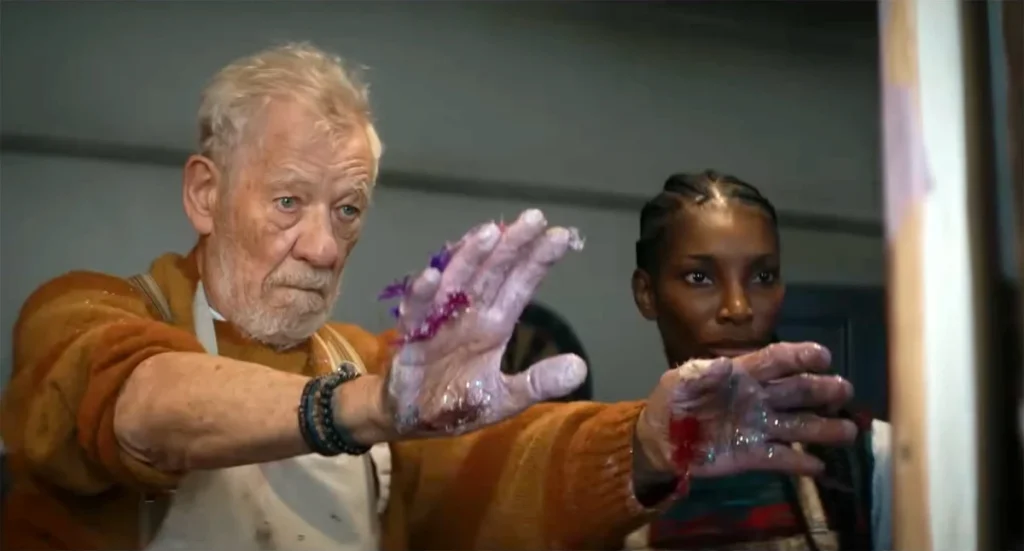
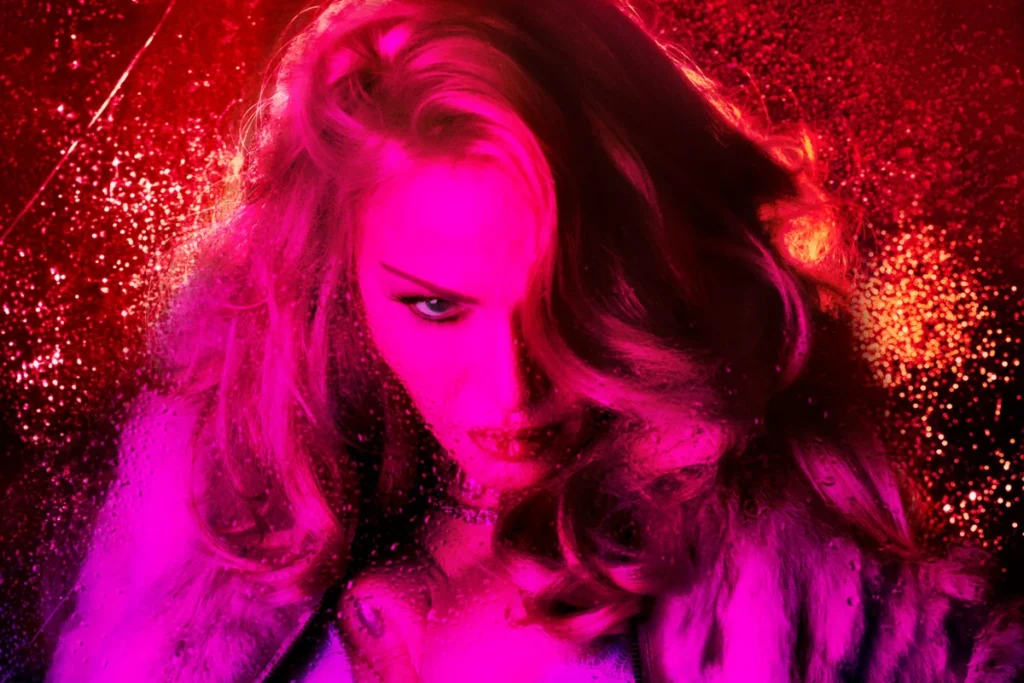
Rodeo FX’s recent achievements, including a VES Award for its work on IT: Welcome to Derry and ongoing projects such as The Rings of Power and Masters of the Universe, highlight its current standing and creative output. These high-profile projects demand cutting-edge visual fidelity and efficient production methodologies. The integration of advanced technologies and optimized pipelines is crucial for delivering such ambitious visual spectacles within tight deadlines and budgets.
Furthermore, the acquisition of Mikros Animation by Rodeo FX in 2025 and the subsequent integration of its pipeline, overseen by the outgoing CTO Martin Walker, signifies Rodeo FX’s strategic expansion and ambition to offer a broader range of services. Martin Walker, who joined in 2024, has been instrumental in implementing significant technology upgrades during his tenure. His retirement in May marks the end of a chapter, with Salvini stepping in to build upon the foundational work laid by Walker and to steer the company’s technological evolution into new frontiers.
Broader Impact and Implications
Paul Salvini’s appointment as CTO at Rodeo FX has several significant implications for the studio and the broader VFX industry:
- Enhanced Innovation Capacity: Salvini’s proven track record in driving technological innovation, particularly in AI and real-time technologies, is expected to accelerate Rodeo FX’s R&D efforts. This could lead to the development of proprietary tools and workflows that offer a competitive edge.
- Improved Production Efficiency and Scalability: By focusing on scalable pipelines and next-generation technologies, Rodeo FX aims to enhance its ability to handle larger, more complex projects and to adapt quickly to changing client demands. This is crucial in an industry where production schedules are often demanding and project scopes can vary significantly.
- Attracting and Retaining Talent: A commitment to cutting-edge technology and an artist-centric philosophy can be a significant draw for top creative and technical talent. Salvini’s leadership is likely to reinforce Rodeo FX’s reputation as a forward-thinking studio that invests in its people and its tools.
- Shaping the Future of VFX Workflows: As a prominent figure with deep roots in software development and industry leadership, Salvini’s strategic decisions at Rodeo FX could influence the adoption of new technologies and methodologies across the VFX landscape. His emphasis on technology serving the artist is a philosophy that, if widely embraced, could lead to more fulfilling and productive work environments for creatives.
The VFX industry’s reliance on technological advancement is undeniable. Studios that effectively integrate emerging technologies like AI, machine learning, and real-time rendering are poised to lead the market. Rodeo FX’s strategic decision to bring in a leader of Paul Salvini’s caliber signals a clear intent to be at the vanguard of this technological evolution, ensuring its continued success and contribution to the world of visual storytelling. His academic rigor, combined with his extensive practical experience in developing and implementing complex technological solutions, positions him to guide Rodeo FX through the exciting, yet challenging, future of visual effects production.