


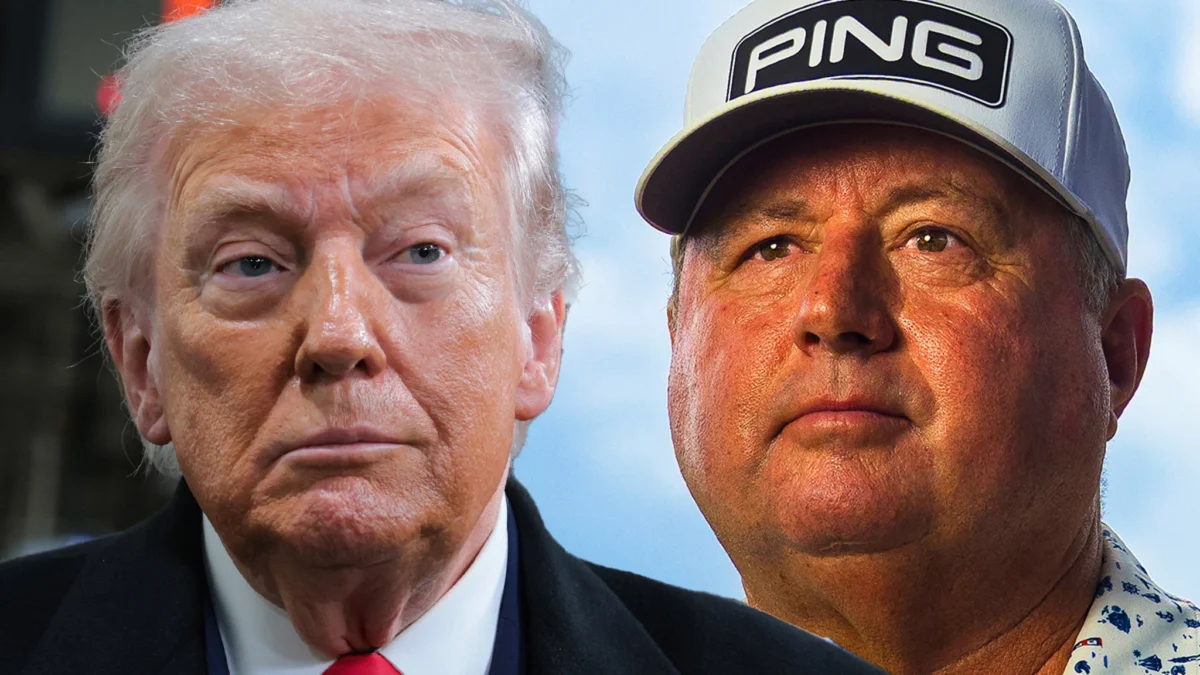
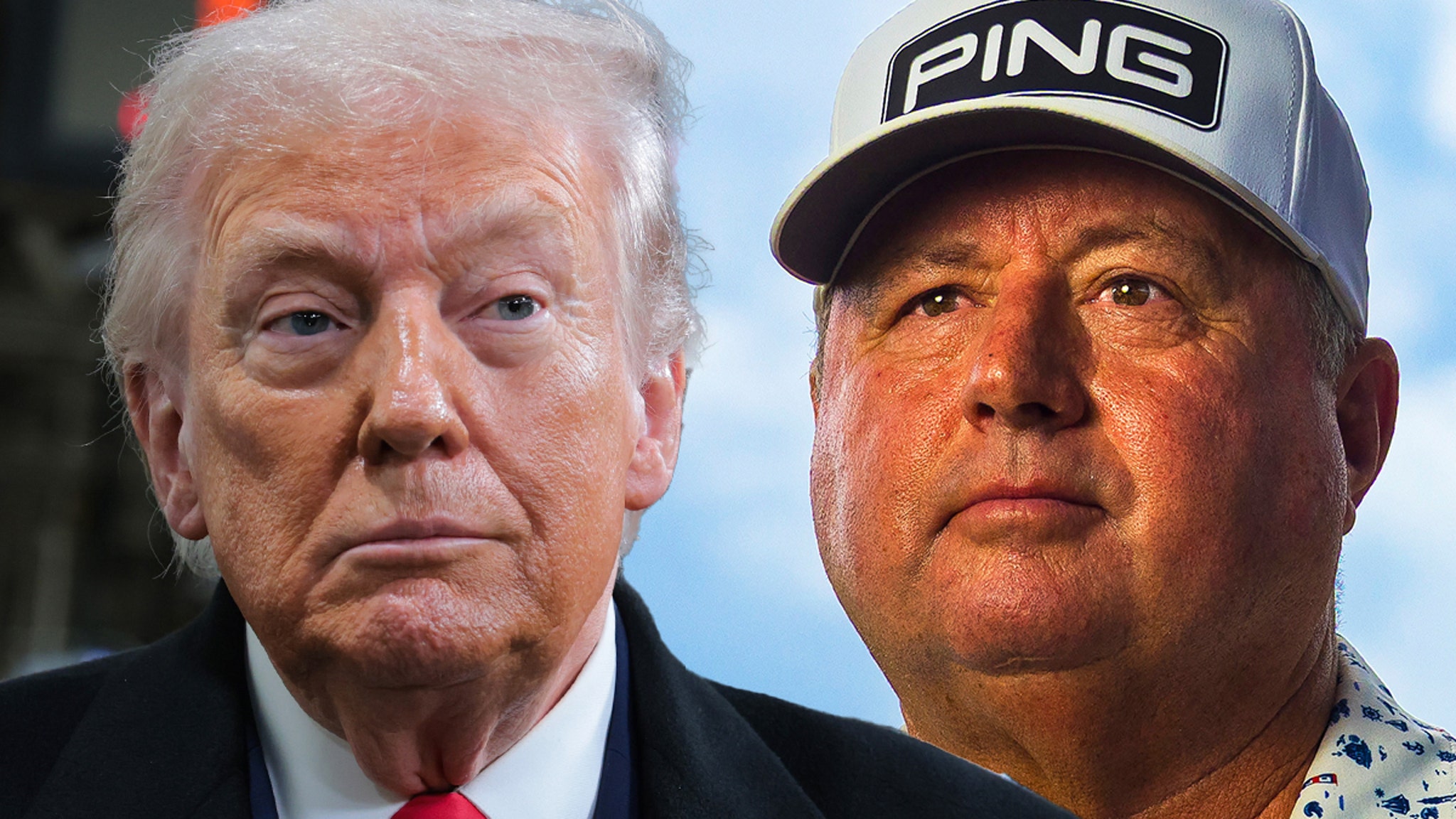
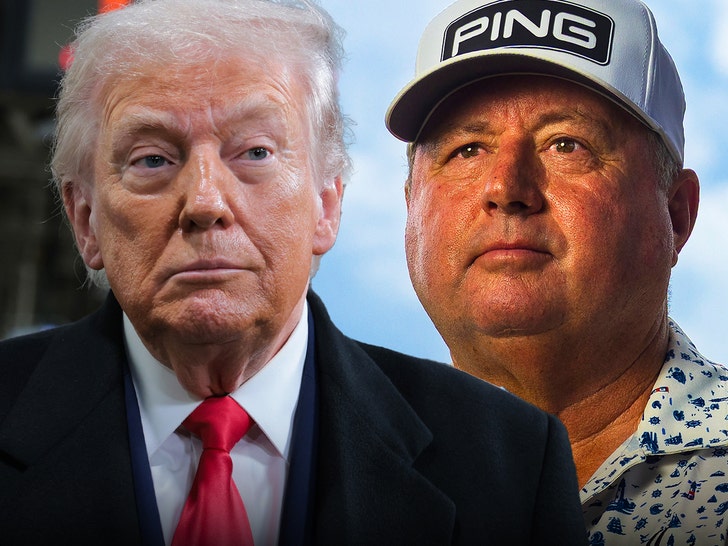
In a notable exercise of executive clemency, President Donald Trump has officially granted a full pardon to Eric Larson, a professional PGA Tour golf caddy whose decades-old criminal record prevented him from traveling internationally for high-profile tournaments. The intervention clears the way for Larson to accompany PGA golfer Harris English to upcoming international competitions, most notably the British Open and the Scottish Open, after strict travel restrictions barred him from entering the United Kingdom last year.
The executive action highlights the intersection of the American justice system, presidential pardon powers, and the logistical realities of international professional sports. While presidential pardons are traditionally reserved for individuals facing imminent incarceration, high-profile federal sentences, or sweeping criminal justice reform initiatives, this rare instance emphasizes how past convictions continue to impact individuals long after they have fully served their sentences and integrated back into society.
The Historical Background and Criminal Record of Eric Larson
Eric Larson’s journey to the fairways of the PGA Tour is as unconventional as it is challenging. Three decades ago, Larson found himself entangled in a federal drug-dealing case that ultimately resulted in a harsh sentence. He spent 11 years behind bars, paying his debt to society and fulfilling all terms and conditions mandated by the federal judicial system.
Upon his release, Larson worked to rebuild his life, eventually finding a stable and respected career in professional golf as a caddy. Over the years, he earned a reputation as a dedicated, knowledgeable, and uplifting presence on the links, eventually securing a partnership with PGA golfer Harris English. Working at the highest levels of professional sports, Larson demonstrated professional reliability and became an integral part of English’s team.
However, despite decades of rehabilitation and lawful conduct, Larson’s distant past remained an insurmountable obstacle when it came to international travel. Under the strict immigration and border control laws of the United Kingdom, individuals with historical felony convictions—particularly those involving controlled substances—frequently face border denials. Consequently, when the PGA Tour traveled across the Atlantic for major championships, Larson was grounded.
The Cost of International Restrictions
The consequences of Larson’s travel restrictions were not merely logistical; they carried significant financial implications. During the previous year’s British Open, Harris English put on a stellar performance, securing a second-place finish at the prestigious major tournament. His impressive showing earned him a massive runner-up payout of approximately $1.8 million.
In professional golf, caddies typically operate on a performance-based commission structure, standardly taking home roughly 7 percent of their player’s tournament earnings. Because Larson was denied U.K. entry due to his decades-old record and could not work the event, he missed out on a potential payday of more than $120,000. More importantly, he was forced to watch from afar as his golfer competed in one of the sport’s most historic events without his trusted advisor on the bag.
Reactions from the Tour and the Golf Community
The announcement of the presidential pardon brought immense relief and joy to Harris English and the broader golf community. Speaking to reporters following the news, English expressed profound gratitude for the administration’s intervention.
"I’m just so pumped for Eric that he can have his rights back… and travel to be by my side and work for me specifically at the Scottish Open and the British Open," English shared in a statement to the press. Highlighting Larson’s personal transformation and positive demeanor, English added, "He knows what it’s like to have your freedom taken away. He just brings so much joy."
Colleagues and fellow players on the PGA Tour have similarly noted Larson’s resilience. Within the tight-knit community of PGA caddies—where travel logistics, course management, and psychological support are vital to a player’s success—Larson’s story is viewed as a testament to the challenges faced by formerly incarcerated individuals seeking to re-enter the global workforce.
Understanding Presidential Pardon Authority
The United States Constitution grants the president broad authority under Article II, Section 2, Clause 1, which states that the president "shall have Power to grant Reprieves and Pardons for Offences against the United States, except in Cases of Impeachment." This power is plenary, meaning it is largely unchecked by Congress or the judiciary when applied to federal crimes.
Historically, presidents have utilized this authority through two primary pathways: the formal Department of Justice Office of the Pardon Attorney process, and direct executive grants. While thousands of individuals petition the DOJ annually for clemency, direct presidential pardons frequently bypass traditional administrative backlogs, often drawing attention to specific, compelling personal narratives.
In Larson’s case, the pardon effectively wipes away the federal conviction, restoring his civil rights and, crucially, removing the official barrier that classified him as inadmissible under foreign border security protocols. While a U.S. presidential pardon does not automatically obligate a foreign nation like the United Kingdom to grant entry, it provides the essential legal foundation required to petition foreign authorities for visa waivers or travel clearance.
Broader Implications for Criminal Justice and Travel
The decision to pardon a golf caddy for a decades-old, non-violent drug offense touches upon several ongoing debates within American politics and international law.
First, it sheds light on the collateral consequences of criminal records. Even after individuals serve their sentences, complete probation, and maintain decades of clean records, historical convictions can permanently impede employment opportunities, housing applications, and international mobility. Advocacy groups have long argued that these enduring restrictions undermine the foundational goals of rehabilitation and re-entry.
Second, the case underscores the complexities of international travel for Americans with criminal histories. Many nations, including Canada, the United Kingdom, Japan, and Australia, enforce stringent entry protocols that automatically flag individuals with past criminal convictions. For professional athletes, entertainers, executives, and support staff whose livelihoods depend on global mobility, a decades-old mistake can present a continuous professional handicap.
Looking Ahead to Upcoming International Tournaments
With the presidential pardon now officially executed, Eric Larson’s professional outlook has transformed dramatically. He is cleared to resume his duties traveling alongside Harris English across the globe. As the PGA Tour prepares its international schedule for the upcoming season, all eyes will be on the links in Scotland and England, where Larson will finally be able to step onto foreign turf, bag in hand, to support his player on golf’s biggest stages.
The resolution of Larson’s travel eligibility serves as a unique intersection of high-level politics and professional athletics, securing a definitive victory for a rehabilitated citizen striving to excel at the highest level of his profession.