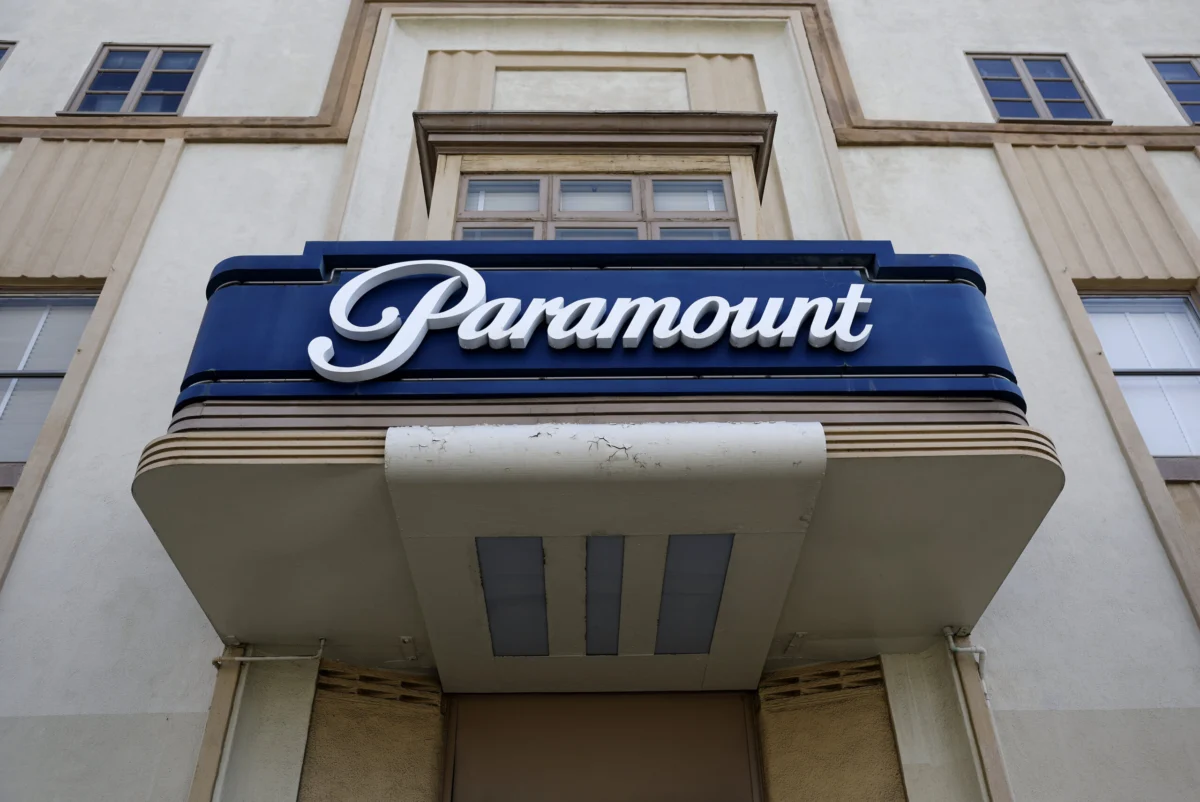
The landscape of the American media industry underwent a seismic shift this week as Paramount Skydance emerged as the definitive victor in the high-stakes pursuit of Warner Bros. Discovery (WBD). This development follows a period of intense corporate maneuvering that saw the world’s leading streaming giant, Netflix, formally withdraw its bid, clearing a path for Paramount to consolidate its position as a titan of both traditional and digital media. On Thursday, the Board of Directors at Warner Bros. Discovery officially designated Paramount’s revised $31-per-share offer as "superior" to all competing bids, including the $27.75-per-share proposal previously submitted by Netflix. The decision marks the culmination of a months-long saga that began with a hostile takeover attempt and ended with a complex financial arrangement involving billions in breakup fees and significant political undertones.
The journey to this merger began in late 2025, when Paramount launched a surprise hostile bid to acquire Warner Bros. Discovery, a move that initially met with resistance and sparked a bidding war with Netflix. While Netflix had initially gained the upper hand by offering a deal focused on WBD’s premium studio and streaming assets, Paramount’s persistence and willingness to absorb the entirety of the WBD portfolio—including its struggling but still cash-flow-heavy linear television networks—eventually swayed the board. The revised $31-per-share offer represented a significant premium over earlier valuations and was accompanied by a robust $7 billion breakup fee, a clear signal of Paramount’s confidence in its ability to navigate the complex regulatory environment.
The Financial Mechanics of the Acquisition
The financial details of the Paramount-WBD deal highlight the aggressive nature of the consolidation. Paramount’s final offer of $31 per share was an incremental but decisive increase from its previous $30-per-share bid. More importantly, the deal structure addressed the immediate financial liabilities of Warner Bros. Discovery. According to a regulatory filing released on Friday, Paramount has already facilitated the payment of a $2.8 billion breakup fee that WBD owed to Netflix as a result of terminating their previous preliminary agreement.
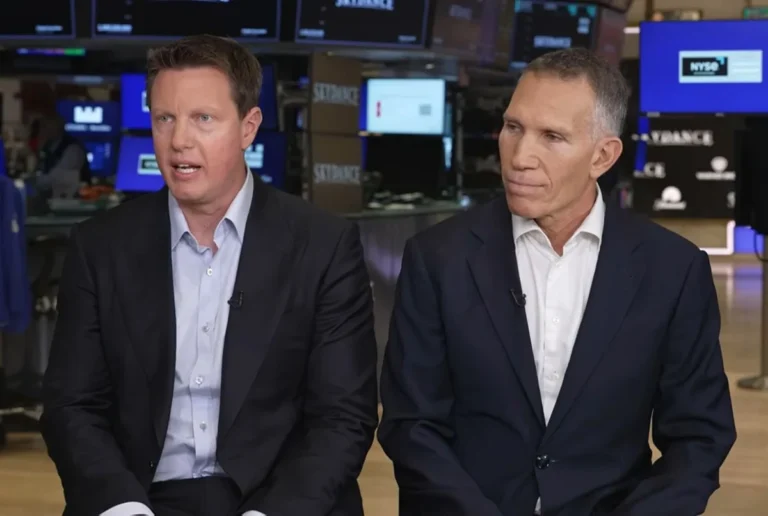
For Netflix, the decision to walk away was rooted in fiscal discipline. Co-CEOs Ted Sarandos and Greg Peters stated that matching Paramount’s raised offer was "no longer financially attractive." Industry analysts noted that while Netflix was eager to acquire WBD’s vast content library—which includes the DC Universe, the Wizarding World of Harry Potter, and HBO’s prestige dramas—it was less interested in taking on the debt and operational complexities associated with WBD’s cable networks like CNN, TBS, and TNT. Paramount, by contrast, views these assets as critical components of a diversified media strategy that spans broadcast, cable, and streaming.
A New Era of Horizontal Consolidation
The merger of Paramount and Warner Bros. Discovery creates a media behemoth with an unprecedented concentration of intellectual property and distribution channels. By combining Paramount+, which recently reported 78.9 million subscribers, with HBO Max, which boasted 131.6 million subscribers at the end of 2025, the new entity will control a streaming platform with over 210 million global subscribers. This scale places the combined company in direct competition with Disney+ and Netflix, potentially altering the competitive dynamics of the "streaming wars."
However, the deal is not merely about streaming. Experts describe the merger as a "horizontal consolidation" that brings together major players in news, sports, and scripted entertainment. The union of CBS News and CNN under a single corporate umbrella is perhaps the most scrutinized aspect of the deal. Critics argue that such a concentration of news media could limit the diversity of journalistic voices and grant the parent company undue influence over public discourse. Similarly, the combination of sports broadcasting rights—ranging from the NFL and March Madness to the NBA—will give the new entity significant leverage in negotiations with advertisers and cable providers.
The Regulatory Landscape and Political Dimensions
The path to regulatory approval is expected to be arduous, though many analysts believe Paramount has a smoother road than Netflix would have faced. The Department of Justice (DOJ) and the Federal Trade Commission (FTC) have historically viewed mergers between direct competitors in the streaming space with skepticism. When Netflix was the primary suitor, concerns centered on the creation of a streaming monopoly that could lead to higher subscription prices for consumers.
With Paramount as the buyer, the focus shifts toward the concentration of traditional media assets. Despite these challenges, Paramount executives have argued that their deal is more "palatable" because it preserves the integrated model of a traditional media studio. Furthermore, the political landscape appears to favor the Paramount-Skydance bid. David Ellison, CEO of Skydance and the architect of the deal, is the son of Oracle co-founder Larry Ellison, who maintains a well-documented relationship with President Donald Trump.

Adding to the political complexity is the involvement of Jared Kushner, the President’s son-in-law, who is reportedly backing the deal according to SEC filings. This perceived political alignment has led some industry observers to speculate that the current administration may be more inclined to approve the merger than a deal involving Netflix, which has faced criticism from conservative circles in the past. Joseph Kalmenovitz, an assistant professor of finance at the University of Rochester’s Simon Business School, noted that Ellison’s timing appears strategic, coinciding with a shift toward a more deal-friendly regulatory environment in Washington.
Opposition and Oversight
Despite the optimistic outlook from some financial analysts, the merger faces stiff opposition from high-profile political figures and state-level regulators. Senator Elizabeth Warren (D-Mass.) has been a vocal critic, labeling the deal an "antitrust disaster" that threatens to reduce choices and increase costs for American families. Warren’s concerns reflect a broader anxiety among progressives regarding the "bigness" of modern corporations and the potential for market manipulation.
At the state level, California Attorney General Rob Bonta has warned that the merger is "not a done deal." The California Department of Justice has launched an investigation into the potential impacts of the consolidation on the state’s massive entertainment economy. Bonta emphasized that his office would be "vigorous" in its review, focusing on how the merger might affect job security for creative professionals and the overall health of the Hollywood ecosystem.
Another point of contention is the deal’s funding sources. Paramount has acknowledged that its bid is supported by sovereign wealth funds from Saudi Arabia, Abu Dhabi, and Qatar. While the company has stated that these entities will forgo governance rights and board representation, the involvement of foreign state-funded capital in a major American news and media company has raised eyebrows on Capitol Hill. Regulators are expected to closely examine whether these investments pose any national security risks or could lead to foreign influence over American media content.
Analyst Perspectives and Market Reaction
Wall Street has reacted with cautious optimism to the news. Analysts from Raymond James suggested that while the Paramount-WBD tie-up is not a "cakewalk," it represents a more logical outcome for the industry than a Netflix acquisition. The firm noted that the regulatory hurdles for Paramount are "meaningfully easier" to clear because the merger does not consolidate the streaming market to the same degree that a Netflix-WBD deal would have.
Morningstar analysts echoed this sentiment, suggesting that Netflix likely balked at the "brutal regulatory review" that would have accompanied its bid. By withdrawing, Netflix avoids overpaying for assets it did not fully desire, while Paramount secures the intellectual property—such as "Star Trek," "Mission Impossible," and "Harry Potter"—necessary to sustain its long-term growth. The $7 billion breakup fee remains a significant risk, but one that Paramount appears willing to take to achieve its goal of becoming the dominant force in global entertainment.
Implications for the Future of Media
The ultimate success of the Paramount-WBD merger will depend on the concessions the companies are willing to make to satisfy regulators. Possible requirements could include the divestiture of certain cable networks or guarantees regarding the independence of their respective news divisions. Paren Knadjian, a partner at EisnerAmper, suggested that the concentration of intellectual property under one roof would be a primary focus for the DOJ. "What power does that give this new entity in terms of the ability to charge more?" he asked, highlighting the central question that will define the regulatory debate.
As the two companies move toward a formal closing, the media industry remains in a state of flux. The consolidation of Paramount and Warner Bros. Discovery represents a bet-the-company move for David Ellison and his backers. If successful, it will create a media giant with the scale to rival any global competitor. If blocked, it could trigger a period of fragmentation and further financial instability for some of the most iconic names in Hollywood history. For now, the industry watches as the legal and political machinery in Washington and California begins to grind, determining the fate of a deal that could redefine entertainment for the next generation.