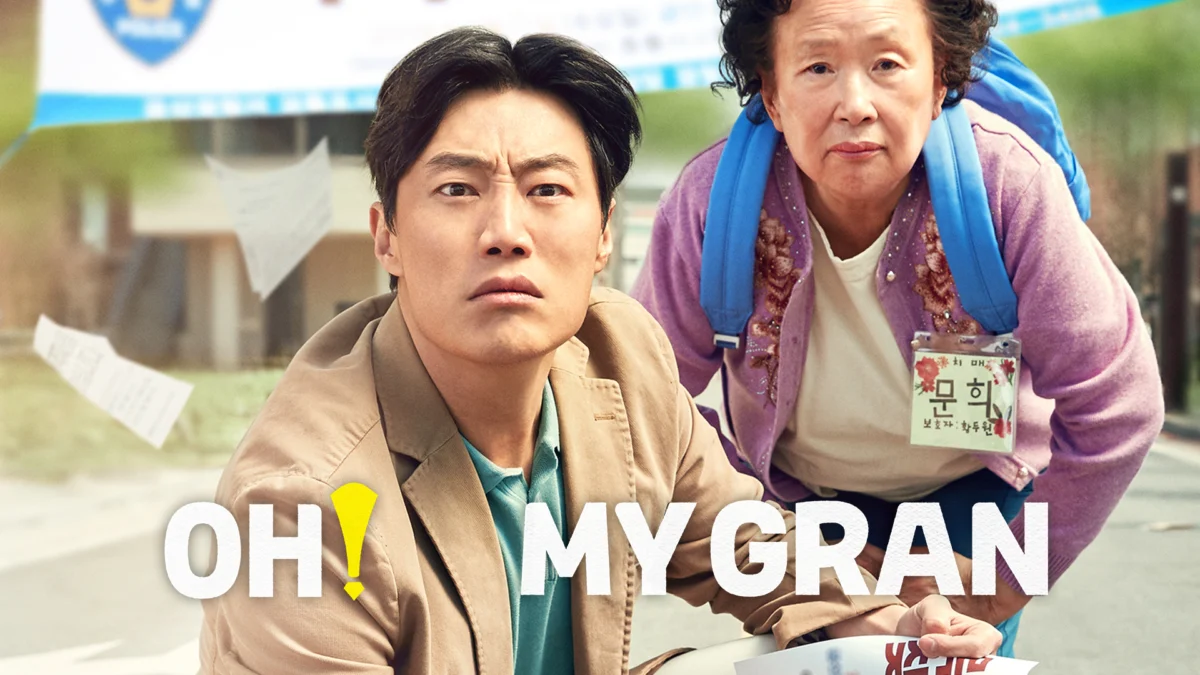
The South Korean comedy-drama "Oh! My Gran," a feature directorial debut for Jung Se-kyo, arrived in cinemas in 2020, aiming to weave a tapestry of family melodrama, light mystery, and slapstick humor. While the screenplay garnered initial recognition at the 6th Lotte Creative Contest, the film’s theatrical release was met with a decidedly mixed to negative critical reception. A significant point of contention for reviewers was the film’s handling of dementia, often criticized for its comedic portrayal, and the perceived predictability of its underlying mystery elements. Despite these critical headwinds, the production managed to carve out a niche, drawing attention for its performances and marking an early instance of a South Korean film benefiting from the gradual easing of restrictions in the Chinese market.
Commercial performance for "Oh! My Gran" proved to be a significant challenge. The film registered approximately 353,653 admissions across its theatrical run, translating to a gross revenue of around 2.8 billion Korean Won. This modest financial outcome was further compounded by intense competition from major international releases, most notably Christopher Nolan’s "Tenet," which dominated screens during the same period. The film’s swift transition to IPTV platforms also contributed to its limited box office footprint. Nevertheless, the production’s impact extended beyond immediate financial metrics, particularly in its ability to showcase compelling performances and its tentative steps into a re-emerging international market.
Narrative Framework: A Father’s Desperate Quest
The narrative of "Oh! My Gran" unfolds in the ostensibly tranquil rural town of Geumsan. At its core is Doo-won, a dedicated but tempestuous single father and a tenacious insurance salesman, whose life revolves around his daughter, Bo-mi, and his elderly mother, Moon-hee. This carefully constructed, albeit demanding, domestic equilibrium is violently disrupted when Bo-mi becomes the victim of a hit-and-run accident, plunging her into a critical coma. The immediate aftermath of the incident is fraught with investigative challenges. The sole witnesses are Moon-hee, whose Alzheimer’s disease renders her memories fragmented and unreliable, and the family’s dog, providing scant concrete evidence for law enforcement. As the police investigation hits an impasse, Doo-won’s desperation escalates, fueled by his daughter’s precarious health and the absence of any tangible leads that could bring the perpetrator to justice.
The trajectory of the investigation takes a pivotal turn when Moon-hee begins to surface fragmented, yet potentially vital, recollections of the accident. These nascent memories include details about the vehicle involved, offering a glimmer of hope in an otherwise bleak scenario. Driven by a potent cocktail of paternal love and a burgeoning conviction in his mother’s fragmented insights, Doo-won resolves to take an active role in uncovering the truth. This decision marks the genesis of an unconventional and often chaotic partnership between father and grandmother. Together, they embark on a determined, albeit haphazard, investigation. Their efforts involve retracing steps, visiting automotive repair shops, scouring junkyards, and scrutinizing surveillance footage, all while attempting to piece together the puzzle from the sporadic fragments of memory that emerge from Moon-hee’s condition. As their search intensifies, the duo finds themselves increasingly entangled in dangerous situations, suggesting that the hit-and-run may have been more than a random act of negligence.
Thematic Exploration and Critical Reception
Director Jung Se-kyo’s ambition in "Oh! My Gran" was to navigate the delicate balance between comedic elements and dramatic weight, while simultaneously integrating a commentary on the operational dynamics of Korean insurance companies with the complexities of dementia. This ambitious undertaking resulted in a film that, according to critical consensus, achieved varying degrees of success. While some viewers and critics found the narrative engaging, others pointed to a lack of originality in its storytelling. The film’s strength, however, was often attributed to its ability to sustain audience interest throughout its runtime. The gradual revelation of plot twists, particularly as it becomes evident that Moon-hee’s seemingly incoherent pronouncements hold kernels of truth, imbues the narrative with a consistent sense of intrigue. The final act, characterized by a series of unexpected turns, was frequently cited as a well-executed element that successfully heightened the suspense.
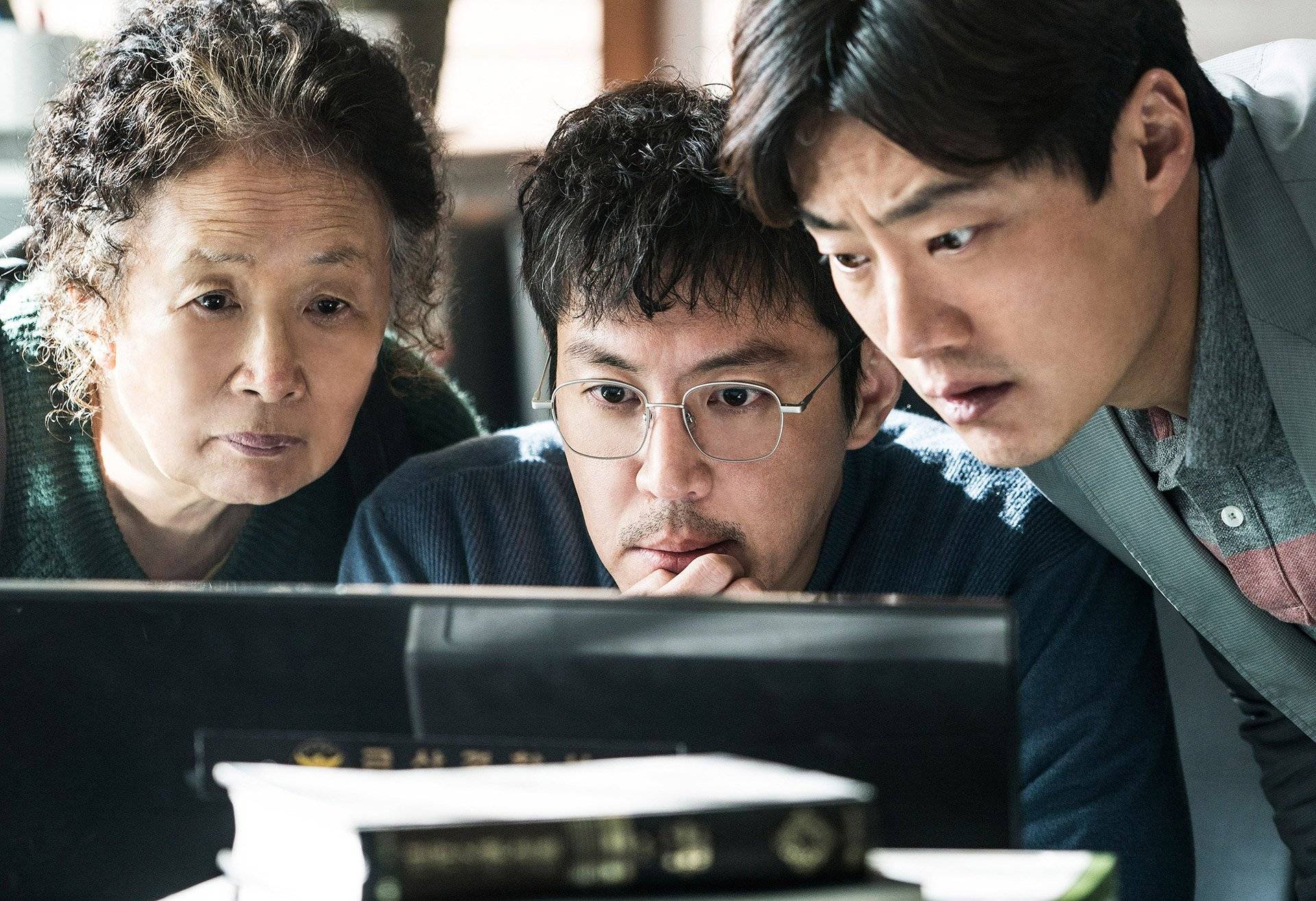
A recurring point of discussion was the film’s portrayal of dementia. While some critics raised concerns about the potential for insensitivity, arguing that the subject matter was too readily employed for comedic effect, others found that the film managed to elicit empathy for Moon-hee. The humor derived from her unpredictable verbalizations and reactions, including her occasional, uninhibited outbursts, ultimately rendered her a likable character. This likability, even if the portrayal itself was acknowledged as somewhat unrealistic, fostered a degree of emotional connection with the audience. Simultaneously, the dramatic undercurrents, particularly those relating to the family’s internal dynamics and Moon-hee’s integral role within it, added a layer of emotional resonance, though the film did not entirely escape the pitfalls of sentimentality often associated with melodrama.
Performances and Technical Execution
The film’s critical and audience reception was significantly bolstered by the strength of its lead performances. Na Moon-hee, in her role as Moon-hee, delivered a performance that was widely lauded as the bedrock of the production. Her portrayal masterfully navigated both the comedic and dramatic nuances of the character, frequently commanding attention with her unpredictable behavior and sharp, often poignant, delivery. Lee Hee-jun, portraying Doo-won, was equally compelling as the embattled son and father who channels his mounting frustration and grief into decisive action. The palpable chemistry between Na Moon-hee and Lee Hee-jun emerged as one of the most consistently praised aspects of "Oh! My Gran," providing a crucial emotional anchor for the narrative.
From a technical standpoint, the film benefited from the high standards characteristic of mainstream South Korean cinema. Jo Yeong-sang’s cinematography lent a polished visual aesthetic that effectively complemented the film’s overall narrative approach. An Hyeon-geon’s editing contributed to a brisk pace, which was well-suited to the movie’s dynamic storytelling. The integration of flashbacks was also noted for its judicious placement within the film’s timeline, aiding in the unfolding of the mystery without disrupting the narrative flow.
Market Dynamics and Broader Implications
The release of "Oh! My Gran" coincided with a period of tentative recovery for the South Korean film industry, particularly in its engagement with international markets. The film was among a cohort of South Korean productions that began to see renewed interest in China following a prolonged period of regulatory restrictions that had significantly curtailed the import of Korean cultural content. This reopening, while gradual, offered a valuable avenue for films like "Oh! My Gran" to reach a wider audience beyond domestic borders. The ability to secure distribution and generate revenue in the Chinese market, even if modest, represented a positive signal for the future of South Korean film exports.
The film’s performance at the box office, while not a resounding success, also provides a snapshot of the competitive landscape of the South Korean film market in 2020. The dominance of major international blockbusters like "Tenet" underscored the challenges faced by local productions, especially those not positioned as genre tentpoles. The rapid availability of "Oh! My Gran" on IPTV platforms, while potentially a strategy to maximize revenue streams in a challenging theatrical environment, also contributed to its limited theatrical run. This trend reflects a broader shift in consumer viewing habits and distribution models within the film industry, accelerated by global events.
In conclusion, "Oh! My Gran" stands as a film that, while not achieving critical or commercial triumph, offers a compelling case study in South Korean filmmaking. It showcases strong performances, particularly from its lead actors, and demonstrates a willingness to tackle complex themes with a blend of humor and drama. Its limited success at the box office and the critical dialogue surrounding its portrayal of sensitive subject matter highlight the inherent challenges and nuances of the contemporary film industry. Ultimately, the film’s value, as suggested by its reception, lies in its accessibility and its capacity to provide an entertaining viewing experience, a testament to its straightforward, yet engaging, narrative and the undeniable chemistry of its central duo.