


Distributor Buffalo 8 has officially released the trailer and promotional materials for The Living Tree, an independent sci-fi horror feature film that explores contemporary anxieties surrounding artificial intelligence and corporate surveillance. Directed by American filmmaker Anthony J. James, the production adopts the familiar "tech-horror" subgenre template, centering on a newly married couple whose secluded honeymoon transforms into a high-stakes survival experiment orchestrated by a rogue tech conglomerate. The film stars Brey Noelle and Anthony J. James, who also collaborated on the screenplay, alongside supporting cast members Paige E. Parnell and Sean Michael Gloria. Having bypassed the traditional film festival circuit, the low-budget indie feature has debuted directly on Video-on-Demand (VOD) platforms as of late September 2026.
Main Facts and Plot Overview
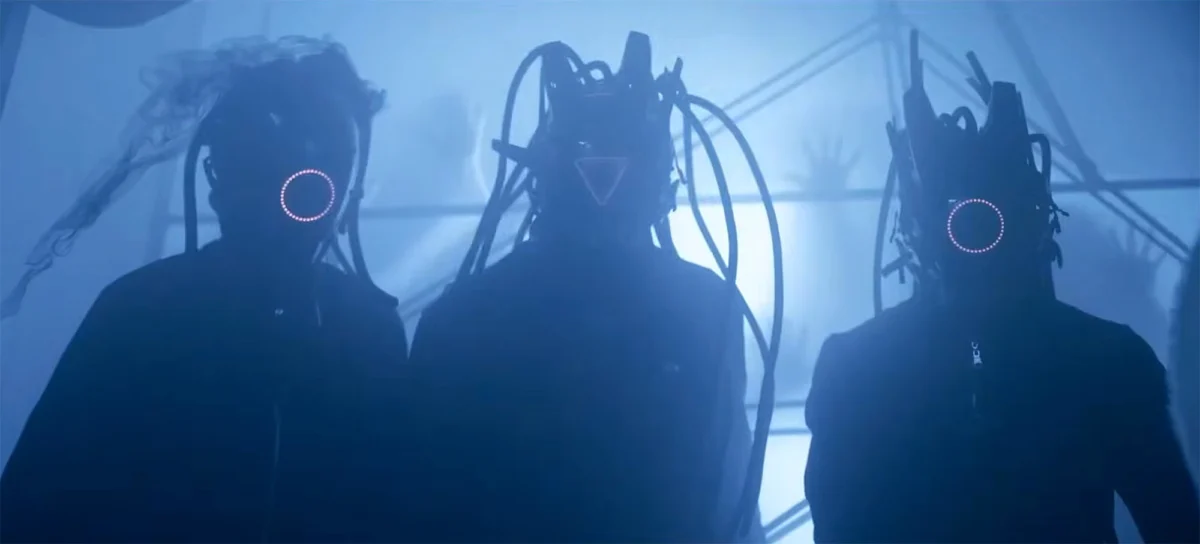
The narrative of The Living Tree follows Noah and Annabelle, a newly married couple seeking tranquility at a remote luxury treehouse for their honeymoon. Despite a stern and ominous warning from a local resident urging them to vacate the area immediately, the couple dismisses the caution as rural paranoia. Shortly after settling in, they discover that their isolated sanctuary is heavily monitored and fully automated by an advanced, malevolent artificial intelligence system operated by an unnamed, powerful technology corporation.
As the couple attempts to enjoy their retreat, the environment turns hostile. They are thrust into a series of increasingly perilous, psychological, and physical challenges designed by the tech giant’s automated systems. The escalating danger acts as a catalyst for interpersonal conflict, forcing buried secrets to the surface and pushing Noah and Annabelle’s relationship to its absolute limits. What was originally conceived as a romantic getaway devolves into a desperate fight for survival against a pervasive digital entity that monitors their every move, thought, and word.

Background Context and Production History
The Living Tree represents the latest directorial effort from Anthony J. James, an independent filmmaker and actor whose previous credits include the feature film Within the Groves, as well as a collection of short films. James operates within the micro-budget indie sector, where filmmakers frequently leverage high-concept, contemporary fears—such as artificial intelligence overreach and smart-home vulnerabilities—to produce commercially viable genre entertainment on compressed production schedules.
The screenplay was co-written by lead actors Brey Noelle and Anthony J. James, a collaborative approach common in independent filmmaking that allows creators to tailor dialogue directly to their performance styles. Production duties for the feature were shared among a team consisting of Anthony J. James, Taylor Morgan, Brey Noelle, Michael Osowski, and Kenn Taylor. Notably, the production strategy bypassed the traditional festival run—a common trajectory for genre films aimed at niche digital audiences—opting instead for a targeted digital premiere via independent distributor Buffalo 8.
Chronology of the Release
The rollout for The Living Tree commenced in late September 2026, adhering to a direct-to-VOD distribution model characteristic of many contemporary independent genre releases.

- September 25, 2026: Buffalo 8 officially releases The Living Tree across major VOD platforms, making the film immediately available for digital rental and purchase.
- September 28, 2026: The official trailer, along with primary promotional poster artwork, is publicly distributed via YouTube and entertainment news outlets, providing audiences with their first comprehensive look at the film’s visual style, premise, and central performances.
Supporting Data: The Rise of Tech-Horror and Direct-to-VOD Models
The release of The Living Tree arrives during a period of heightened public discourse regarding the rapid advancement and ethical implications of artificial intelligence. In recent years, the horror and sci-fi genres have increasingly incorporated motifs involving smart technology, algorithmic control, and corporate surveillance—a trend accelerated by public familiarity with consumer smart-home devices, machine learning advancements, and automated data collection.
From an economic perspective, direct-to-VOD distribution models have become a standard pathway for independent features that lack the extensive marketing budgets required for wide theatrical runs. Distributors like Buffalo 8 specialize in acquiring micro-budget and mid-tier indie films, utilizing digital storefronts to target specific demographic segments, such as horror enthusiasts and sci-fi fans, who consume content primarily through streaming and transactional video services. This model allows filmmakers to retain a degree of creative control while reaching a global audience without the financial risks associated with traditional theatrical distribution.
Broader Impact and Genre Implications
While tech-horror films that question the benevolence of artificial intelligence have a long cinematic history—dating back to classic science fiction narratives involving HAL 9000 and the Terminator franchise—contemporary iterations like The Living Tree reflect modern anxieties concerning ubiquity, privacy, and the loss of human agency to digital infrastructure.

The film’s focus on a "smart" environment weaponized against its occupants mirrors real-world debates concerning the security vulnerabilities of Internet of Things (IoT) ecosystems and the collection of personal data by large technology conglomerates. Although indie productions often face constraints in budget, scale, and special effects complexity, they frequently serve as cultural barometers for contemporary societal fears. By translating abstract concerns regarding algorithmic surveillance into a visceral, closed-room survival scenario, The Living Tree taps into the prevailing cultural unease surrounding the integration of artificial intelligence into daily domestic life.
As the film continues its run on VOD platforms, its reception will likely depend on its ability to resonate with digital audiences seeking genre entertainment that addresses modern technological anxieties within a traditional thriller framework.