


The Unforeseen Assault on a Curated Oasis
Published on April 12, 2026, the initial reports detailed the dramatic turn of events at the high-profile gathering. What was designed as a sanctuary of bespoke experiences, mindful activities, and celebrity-approved indulgence quickly devolved into a maelstrom of flying debris and swirling dust. Attendees, accustomed to the pristine and controlled environments championed by the Poosh brand, found themselves grappling with an unscripted and decidedly un-zen encounter with the elements.
Camp Poosh, an extension of Kourtney Kardashian Barker’s lifestyle brand, is renowned for its elevated approach to wellness and its commitment to offering exclusive, aesthetically pleasing experiences. Previous iterations of Poosh-sponsored events have consistently emphasized tranquility, meticulous design, and an array of health-conscious offerings, from organic culinary delights to guided meditation sessions and bespoke beauty treatments. The Coachella retreat was conceptualized as an "adult summer camp," providing a serene escape for VIPs amidst the high-energy, often chaotic atmosphere of the music festival itself. Guests, many of whom pay premium prices for such exclusive access, expect an unparalleled level of comfort, service, and environmental control.
The visual evidence, predominantly a viral TikTok video circulating widely across social media platforms, vividly depicts the storm’s destructive impact. Massive gusts of wind tore through the elaborate tent structures, sending lightweight décor elements — from cushions and throws to branded signage and delicate centerpieces — spiraling into the air. Tables were overturned, seating arrangements scattered, and the carefully arranged aesthetic of the retreat was obliterated in minutes, transforming the picturesque setting into a genuine "dust bowl."
Chronology of the Calamity
The Coachella Valley, located in the Sonoran Desert, is no stranger to strong winds and dust storms, particularly during the spring months when thermal low-pressure systems can generate significant atmospheric instability. While local meteorological services typically issue advisories for high winds, the sudden intensity and localized impact on Camp Poosh appear to have caught organizers and attendees off guard.
Reports indicate that the sandstorm intensified rapidly on the afternoon of April 12, coinciding with peak festival activity. Prior to the storm’s arrival, conditions at Camp Poosh were described as ideal, with guests enjoying the curated amenities under clear desert skies. The shift in weather was abrupt, with clear skies quickly giving way to gusting winds and a thick, reddish-brown haze characteristic of a desert haboob.
As the storm hit, panic reportedly ensued among some guests. While the exact duration of the most severe winds is still being assessed, the viral footage suggests a period of intense buffeting that lasted several minutes, long enough to cause substantial structural damage and disarray. Emergency protocols, if any were immediately evident, appeared overwhelmed by the speed and ferocity of the natural event. Post-storm, the immediate aftermath revealed a scene of scattered debris, collapsed or damaged tents, and a thick layer of fine desert sand coating every surface, erasing any trace of the pre-storm luxury.
Supporting Data and Context: The Price of Desert Glamour
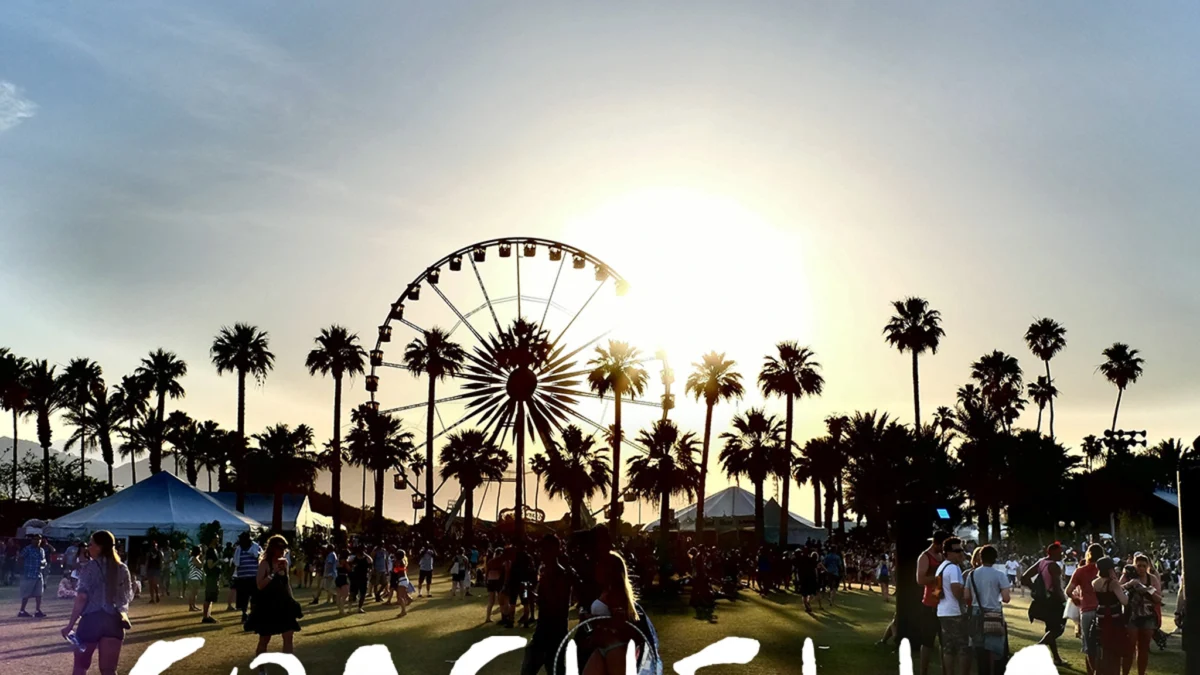
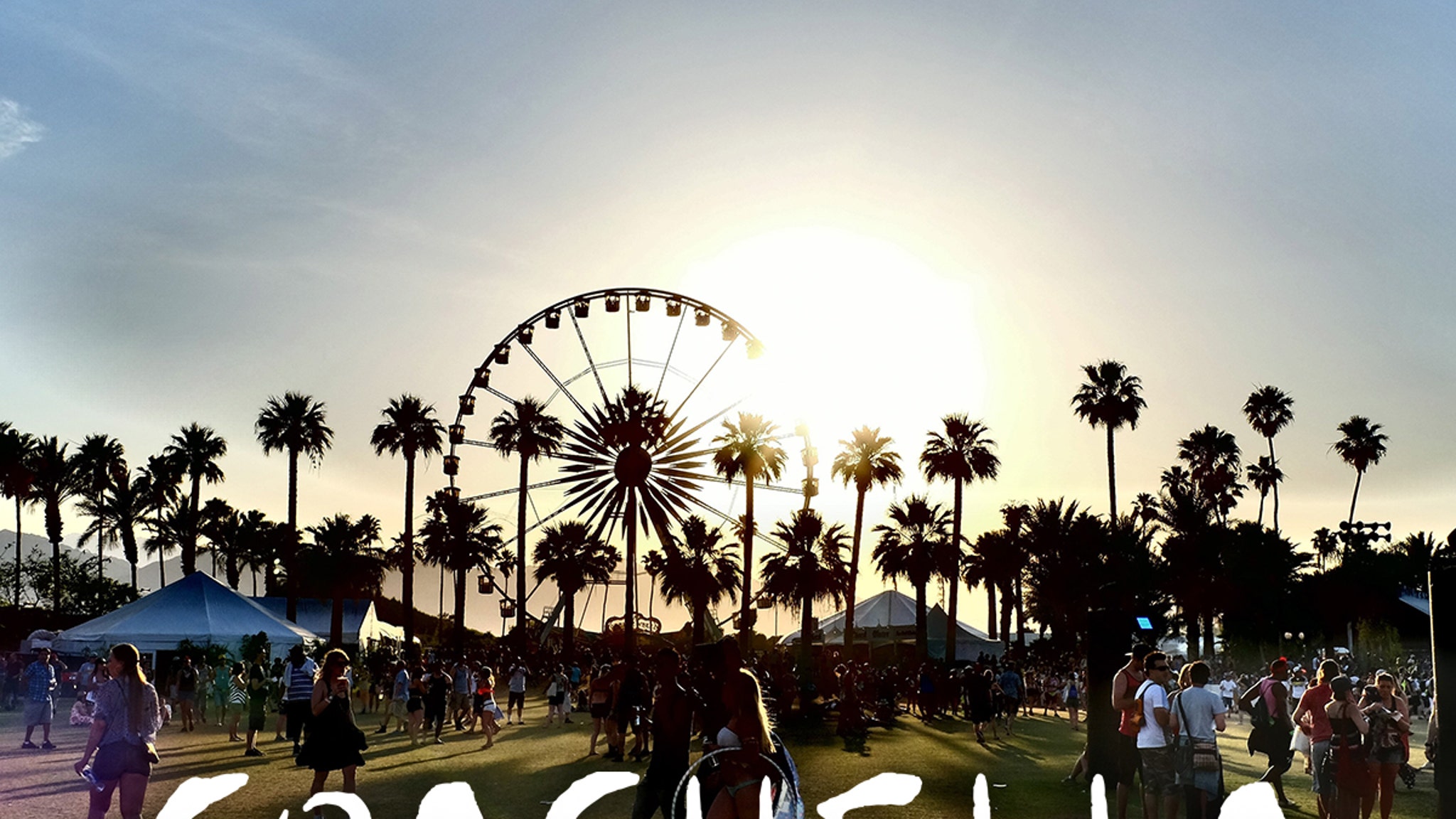
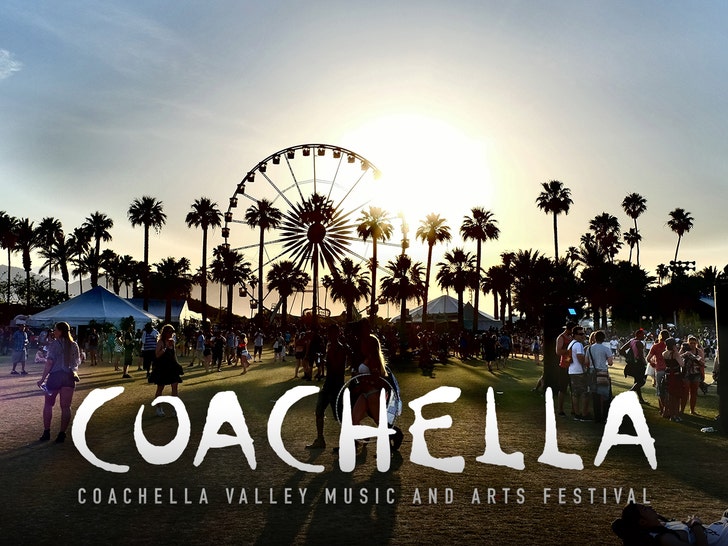
Coachella, officially the Coachella Valley Music and Arts Festival, attracts hundreds of thousands of attendees annually, making it one of the largest and most profitable music festivals globally. The festival is a significant economic driver for the region, generating hundreds of millions of dollars through ticket sales, accommodations, food and beverage, and ancillary events. The rise of celebrity-hosted and brand-sponsored parties and retreats, such as Camp Poosh, has become an integral part of the "Coachella experience," offering exclusive access and heightened luxury for those willing to pay a premium.
Entry to Camp Poosh, while not publicly priced, is understood to be part of an exclusive tier of access, often bundled with VIP festival passes or extended by invitation to high-profile guests, influencers, and brand partners. Such experiences can easily run into the thousands or even tens of thousands of dollars per person for the weekend, factoring in accommodation, bespoke services, and exclusive programming. The allure lies in the promise of an elevated, hassle-free festival experience, far removed from the general admission crowds and discomforts.
The incident at Camp Poosh underscores the logistical challenges inherent in staging high-end events in remote, natural environments. While temporary structures like tents and gazebos are common at festivals, their resilience against extreme weather, particularly high winds and sand, is a critical design consideration. The "glamping" trend, which Camp Poosh embodies, often prioritizes aesthetics and comfort, sometimes at the expense of robust engineering capable of withstanding severe meteorological events.
Official Responses and Inferred Statements
As of the latest reports, there has been no immediate official statement from Kourtney Kardashian Barker or the Poosh brand regarding the incident. However, industry observers anticipate a response that will likely emphasize guest safety and the unpredictable nature of the weather. A typical statement from event organizers in such circumstances would likely include:
- Acknowledgement of the incident: Confirming that the sandstorm impacted the retreat.
- Prioritization of safety: Stressing that the well-being of guests and staff was the paramount concern.
- Assessment of damage: Indicating that a full evaluation of structural integrity and property damage is underway.
- Commitment to rectification: Assuring guests that efforts are being made to restore facilities or provide alternative arrangements where possible.
- Emphasis on unforeseen circumstances: Framing the event as an "act of God" or an "unforeseen natural phenomenon" to mitigate potential liability or reputational damage.
Similarly, the broader Coachella festival organizers, Goldenvoice, would likely reiterate their general safety protocols, which include monitoring weather conditions and having emergency response teams on standby. While individual private events like Camp Poosh are often responsible for their own site-specific safety measures, the overall festival infrastructure is designed to manage large-scale crowd safety and respond to emergencies across the expansive grounds.
One reported detail — that "one girl reportedly had a table fall on her!" — raises immediate concerns about potential injuries. While the severity of this reported incident is currently unknown, any physical harm to an attendee could lead to investigations, insurance claims, and further scrutiny of safety measures. Ensuring the structural integrity of temporary installations, especially in windy conditions, is a fundamental responsibility of event organizers.
Broader Impact and Implications
The disruption at Camp Poosh carries several significant implications, extending beyond the immediate physical damage:
-
Reputational Impact: For a brand like Poosh, built on an image of curated perfection, wellness, and luxury, an incident of this nature can be challenging. The viral spread of images depicting chaos rather than calm could temporarily tarnish the brand’s meticulous image. The "unforeseen" aspect might be a valid defense, but the contrast between expectation and reality remains stark.
-
Financial Losses: The cost of the damage to tents, décor, and specialized equipment will be substantial. Additionally, potential refunds or compensation to disappointed guests, coupled with increased insurance premiums, could lead to significant financial outlays for the organizers. The sophisticated infrastructure required for such a high-end experience is not inexpensive to replace or repair.

-
Logistical Reassessment: The incident will undoubtedly prompt a review of safety protocols, structural integrity standards for temporary installations, and emergency response plans for future outdoor events hosted by Poosh or similar luxury brands. This might include investing in more robust, wind-resistant structures, implementing earlier and more stringent evacuation procedures, and enhancing real-time weather monitoring capabilities.
-
The "Experience Economy" Challenge: This event serves as a cautionary tale for the burgeoning "experience economy," where consumers pay for unique, often Instagrammable moments. While brands strive to create perfect environments, the inherent unpredictability of natural elements remains a persistent challenge, especially when events are situated in ecologically sensitive or climatically variable regions like deserts. It highlights the need for transparency with guests about potential risks and robust contingency planning.
-
Social Media Scrutiny: The rapid dissemination of the incident via platforms like TikTok underscores the power of social media to instantly amplify both successes and failures of high-profile events. The immediate, unfiltered nature of user-generated content bypasses traditional media gatekeepers, making crisis communication particularly challenging for affected brands.
Weathering the Storm: Future Considerations for Desert Events
The Indio Valley’s unique desert climate presents recurring challenges for large-scale outdoor events. Dust storms, known locally as "haboobs," are a regular feature of the region’s weather, particularly during the transitional spring and fall seasons. These phenomena are characterized by strong winds carrying vast quantities of sand and dust, often reducing visibility to near zero and posing risks to both infrastructure and health.
Event organizers operating in such environments must integrate advanced meteorological forecasting, robust structural engineering, and comprehensive emergency management into their planning from the outset. This includes:
- Enhanced Weather Monitoring: Utilizing localized weather stations and real-time radar data to predict sudden changes.
- Structural Reinforcement: Designing tents and temporary structures with materials and anchoring systems capable of withstanding high wind loads.
- Clear Evacuation Plans: Establishing well-communicated protocols for guest and staff safety, including designated shelters or safe zones.
- Contingency Facilities: Having alternative, more robust indoor spaces or backup plans for severe weather scenarios.
- Guest Communication: Informing attendees about potential weather risks and recommended safety actions proactively.
The sandstorm at Camp Poosh, while an unfortunate turn for Kourtney Kardashian Barker’s wellness venture, offers valuable lessons for the entire event industry, particularly those specializing in luxury outdoor experiences. In an era where brand image and guest satisfaction are paramount, the ability to anticipate, mitigate, and respond effectively to natural challenges is as crucial as the aesthetic appeal and exclusivity of the event itself. The desert, it seems, has a way of reminding even the most influential purveyors of luxury that some forces remain beyond human control. The full assessment of the incident’s fallout and its long-term implications for Poosh and similar ventures will undoubtedly unfold in the coming weeks.