
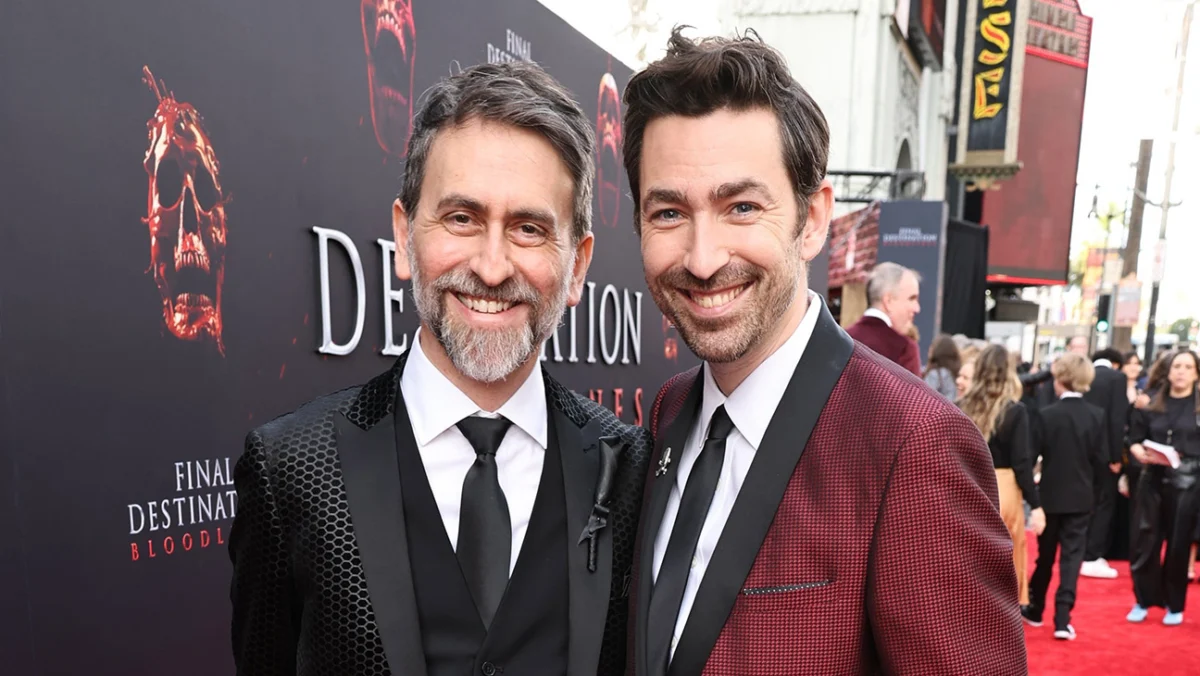
The trajectory of filmmaking partners Zach Lipovsky and Adam B. Stein represents one of the most compelling success stories in contemporary independent cinema. Once categorized as up-and-coming directors within the niche realms of genre film, the duo has effectively transitioned into a powerhouse creative team with a substantial footprint at major studios, including a high-profile first-look deal at Sony Pictures. This evolution, fueled by the staggering success of their 2018 dark sci-fi thriller Freaks and the recent box-office dominance of the latest Final Destination installment, marks a significant shift in how studios identify and cultivate directorial talent in the horror and thriller sectors.
A Foundation Built in Vancouver
The narrative of Lipovsky’s career is inextricably linked to the Vancouver film community. Long before the global box-office receipts for their projects reached the hundreds of millions, Lipovsky was an aspiring filmmaker consuming the craft through the lens of the Vancouver International Film Festival (VIFF). As a teenager, Lipovsky utilized a "super pass" to immerse himself in global cinema, attending press screenings and observing the industry’s mechanics from the ground level.
"I remember seeing filmmakers up on the stage, presenting their films and wishing one day that would be me," Lipovsky noted. This early exposure served as a foundational education, providing a crash course in narrative structure and audience engagement. It is a full-circle moment, then, that Lipovsky and Stein are returning to the Rio Theatre and the historic Park Theatre—a venue Lipovsky recently helped save from closure—to screen their highly anticipated sequel, Freaks 2.
The Chronology of a Creative Partnership
The professional synergy between Lipovsky and Stein began nearly two decades ago under the high-pressure environment of the Fox reality competition series On the Lot, produced by industry titans Steven Spielberg and Mark Burnett. While the pair did not emerge as winners of the series, the experience served as a crucible for their collaborative process. Following their exit from the competition, they navigated the arduous reality of independent filmmaking, where the gap between conceptualization and realization is often vast.
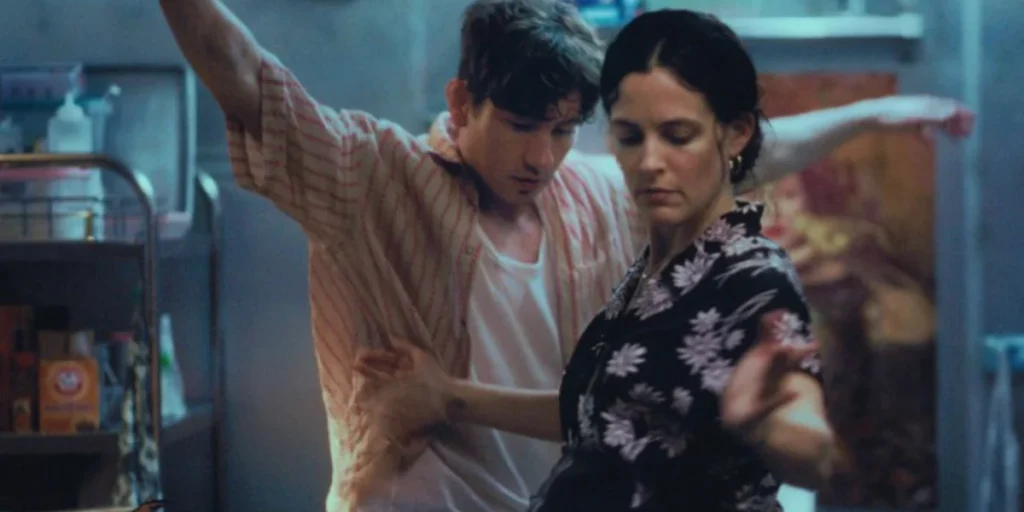
The turning point arrived in 2018 with the release of Freaks. The film, which explored the claustrophobic and terrifying reality of a young girl kept in isolation by her paranoid father, became a viral and financial phenomenon. With a worldwide gross exceeding $375 million, the film defied industry expectations for a mid-budget, high-concept genre piece. Its success proved that audiences were not only receptive to original, non-franchise intellectual property but were actively seeking it out.
Following the success of Freaks, the duo’s career accelerated rapidly. Their subsequent contribution to the supernatural horror genre, Final Destination: Bloodlines, reinforced their status as bankable directors. Grossing over $285 million globally, the film cemented their ability to handle established franchise expectations while maintaining a distinct directorial voice.
Current Projects and Industry Standing
Today, the team operates from the Sony Pictures lot in Culver City, managing a robust slate of projects that span multiple genres and scales. Their current portfolio includes:
- Freaks 2 (Paramount Pictures): A continuation of the 2018 narrative, shifting focus from a child’s isolation to an adolescent’s struggle for connection in a hostile, dystopian world.
- Long Lost: An adaptation of a short story currently in development for Amblin and Universal.
- Gremlins 3: Serving as writers for the highly anticipated sequel, working alongside producer Chris Columbus.
- Venom (Animated) and Metal Gear Solid: Projects currently in active development for Sony, signaling their versatility in adapting established gaming and comic book properties.
This transition from independent obscurity to the center of the studio system is a testament to the "auteur-driven" shift in horror. Industry analysts have pointed to the success of films like Backrooms and Obsession as evidence that original, author-driven horror is currently the most reliable draw for theatrical audiences.
The Evolution of the Genre Landscape
Lipovsky suggests that horror remains a unique bastion for original storytelling. "Horror is one of the few genres where it’s normal for audiences to show up in theaters for original movies," he observes. This trend has not gone unnoticed by major studios, which have historically been risk-averse regarding non-IP content. By demonstrating that they can deliver both massive financial returns and critical acclaim, Lipovsky and Stein have positioned themselves as intermediaries between the creative freedom of independent cinema and the vast resources of the studio system.
The business implications of their success are profound. Studios are increasingly looking for directors who can manage the "middle-budget" space—films that are too large to be ignored but lack the billion-dollar price tag of traditional superhero blockbusters. By leveraging their early success into a consistent stream of hits, Lipovsky and Stein have built a "whole building of people" dedicated to their vision, a surreal reality for two filmmakers who spent years in the "hustle" phase of the industry.
Personal Resonance and the Park Theatre Initiative
The return to Vancouver is not merely professional but deeply personal. Lipovsky’s mother, who once set aside her own directorial ambitions to work in the television industry during the 1980s—a time when the director’s chair was far less accessible to women—will be present at the screenings. Her influence and support remain central to his perspective on the industry’s evolution.
Furthermore, the preservation of the Park Theatre serves as a physical manifestation of their commitment to the craft. By joining forces with industry peers such as Osgood Perkins, Mike Flanagan, Sean Baker, and Finn Wolfhard to save the historic art deco venue, Lipovsky has demonstrated a commitment to the communal experience of cinema. These screenings are intended to be more than promotional events; they are community gatherings that honor the locations that shaped their creative development.
Analytical Outlook: The Future of the Duo
The trajectory of Lipovsky and Stein serves as a case study in the modern "career ladder" for directors. They have successfully navigated the transition from digital-era scrappiness to high-level studio production. As they look toward the release of Freaks 2 and the development of their upcoming slate, the industry will be watching to see if they can maintain their unique voice while working within the constraints—and the immense opportunities—of major studio franchises.
Their ability to balance the technical demands of the Final Destination franchise with the intimate, character-driven narrative of the Freaks sequel positions them as a rare breed of director capable of balancing high-octane spectacle with grounded emotional stakes. As they continue to build their tenure at Sony, their work remains a bellwether for the health of original genre filmmaking in a market increasingly dominated by established IP.
For Lipovsky, the experience remains a process of constant recalibration. Having spent two decades in an industry where project cancellation is more common than production, the current reality of their success is something he continues to view with a mixture of professional pride and grounded disbelief. As he noted, "Over 20 years of making movies, you get very used to things not happening… so when things start to click into place, your brain has a very hard time trying to accept that it’s actually real."
With the premiere of their latest project and a full slate of high-profile assignments on the horizon, the reality for Lipovsky and Stein is no longer a matter of aspiration, but of sustained industry influence.