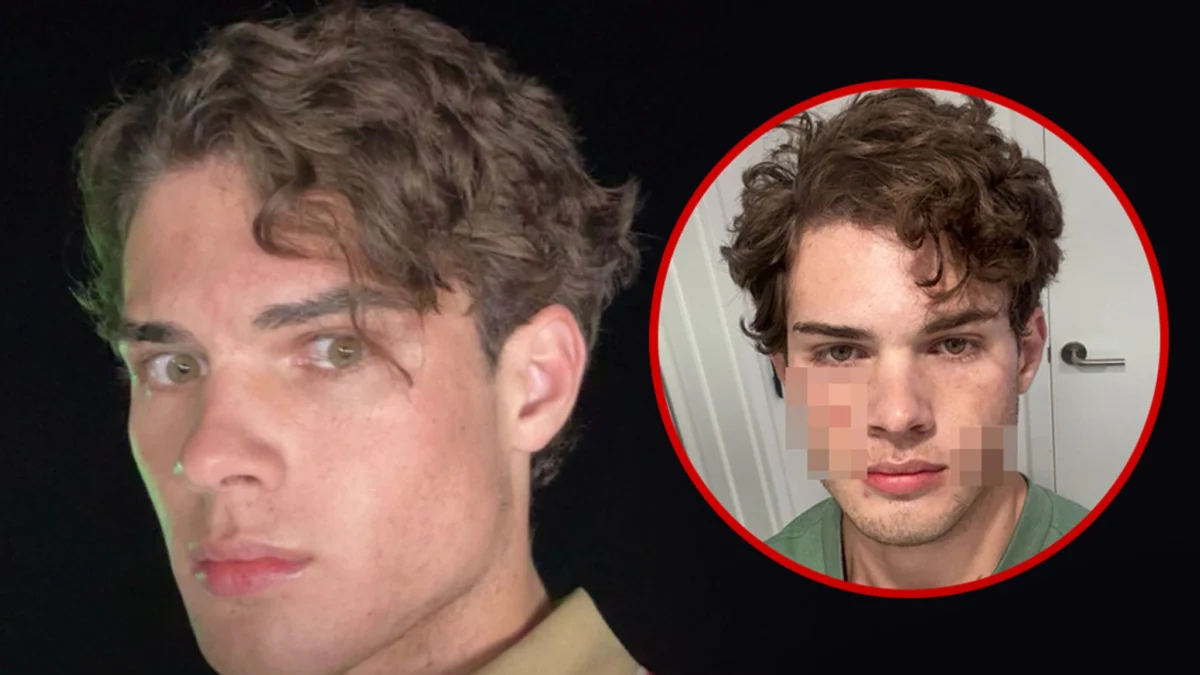
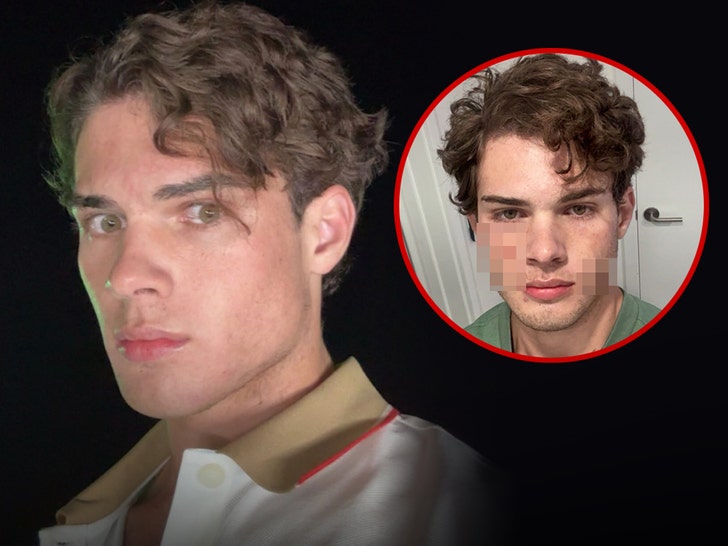
Prominent online personality Clavicular has returned home following a harrowing medical emergency Tuesday night, which saw him rushed to the hospital for a suspected overdose. The influencer, known for his "looksmaxxing" content, candidly shared details of the ordeal with his followers, revealing he was placed on a life support mask and attributing his substance use to a desire to feel "neurotypical." The incident, which unfolded during a live stream, has ignited conversations about the intense pressures of online fame, mental health, and substance abuse within the digital creator community.
A Frightening Turn of Events on Livestream
The alarming sequence of events began on Tuesday night when Clavicular was engaged in a live stream with friends. Viewers and his companions quickly grew concerned as his speech became increasingly sluggish and his movements noticeably impaired. What started as a casual interaction swiftly deteriorated into a medical crisis, raising red flags for those witnessing it in real-time. According to reports, Clavicular himself admitted to being "shot" when asked by his friends about his state, a clear indication of his compromised condition.
The gravity of the situation prompted immediate action from his friends, who were present during the live broadcast. As Clavicular’s responsiveness waned, they made the critical decision to abruptly terminate the stream, prioritizing his safety over public viewership. One of the individuals present, fellow influencer Androgenic, later provided a crucial account of the chaotic moments that followed. "I hadn’t seen him in this state before and he went from speaking to being fairly unresponsive in mere seconds," Androgenic recounted. He emphasized the speed with which the situation escalated: "Within a minute we all realised the situation, turned the stream off, picked him up and rushed him to the hospital." This swift and decisive intervention by his friends is widely credited with potentially saving Clavicular’s life, underscoring the vital role a supportive community can play in such emergencies. Their quick thinking and readiness to act bypassed any hesitation, moving directly to secure professional medical help.
Upon arrival at the emergency department, medical personnel would have initiated protocols for a suspected overdose, focusing on stabilizing his vital signs and identifying the substances involved. The rapid decline in his condition, as described by Androgenic, suggests a potent or rapidly acting substance, necessitating immediate and intensive medical care.
Clavicular’s Candid Revelation: "Life Support Mask" and "Neurotypical" Quest
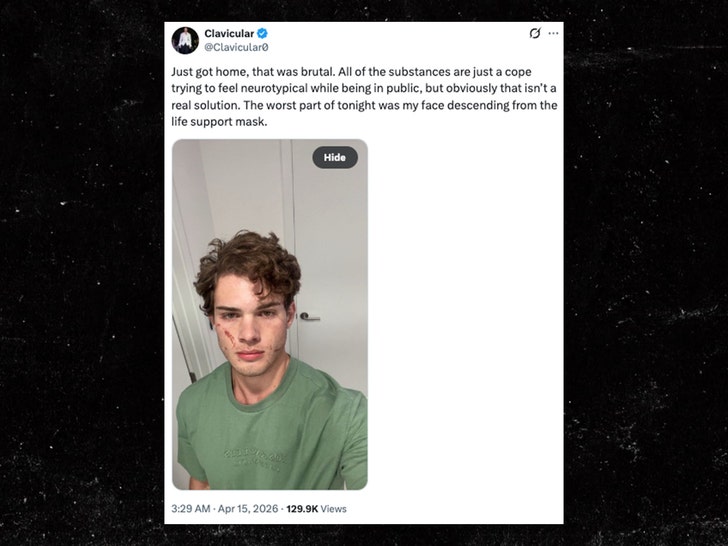
Early Wednesday morning, less than 24 hours after the terrifying incident, Clavicular took to his X (formerly Twitter) account to update his concerned fanbase. He posted a selfie that visibly showed red markings on his face, a direct consequence of the medical equipment he had endured. In a raw and vulnerable admission, he detailed the severity of his condition during hospitalization, stating, "Just got home, that was brutal. All of the substances are just a cope trying to feel neurotypical while being in public, but obviously that isn’t a real solution. The worst part of tonight was my face descending from the life support mask."
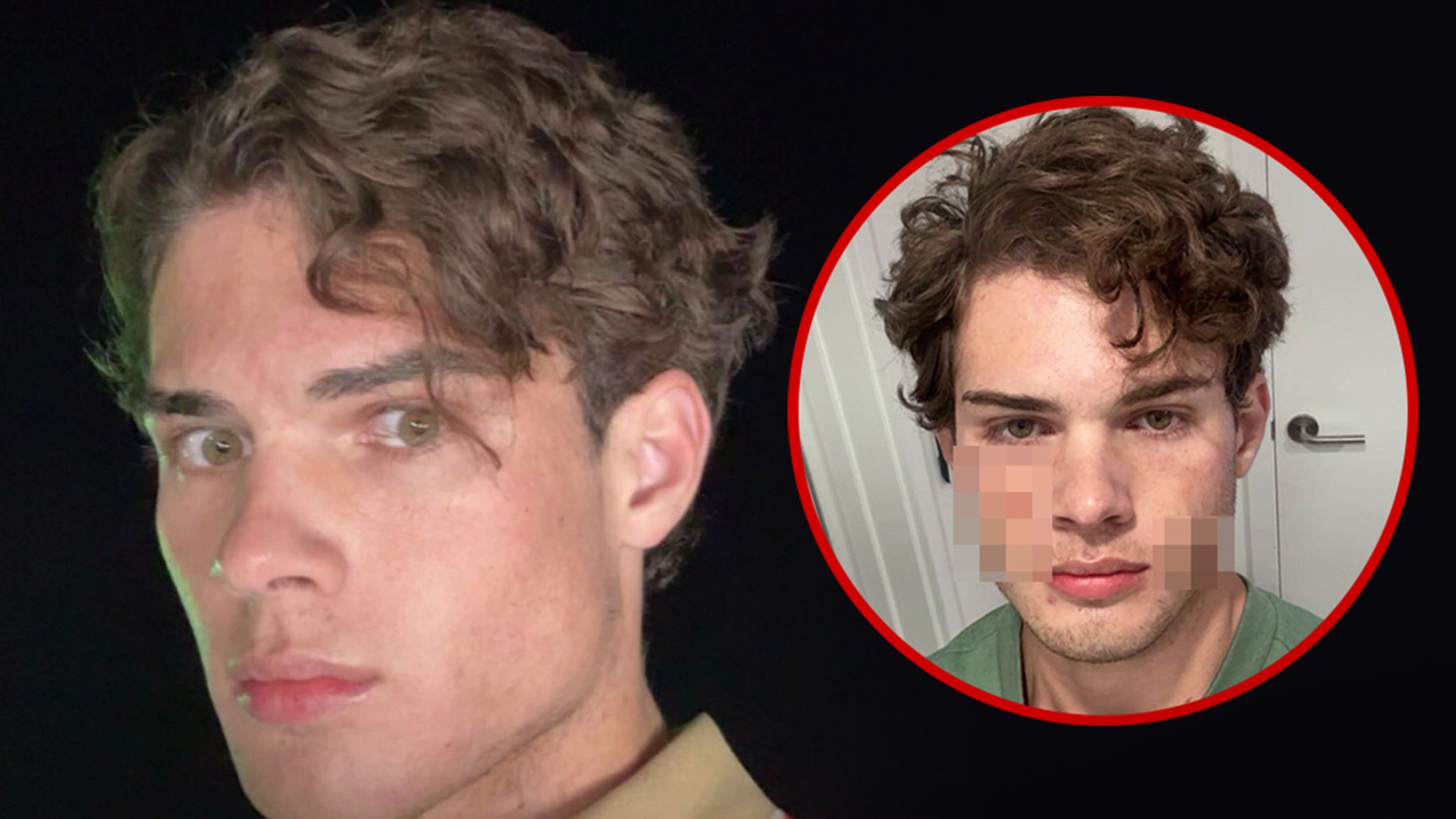
His reference to a "life support mask" indicates that his respiratory function was severely compromised, necessitating medical intervention to assist his breathing. While the exact type of mask was not specified, it could range from a high-flow oxygen mask to a non-invasive ventilation (NIV) device like a CPAP or BiPAP machine, or even a more intensive form of respiratory support. The discomfort and physical marks left by such equipment are a stark reminder of the critical state he was in.
Clavicular’s statement also offered a profound insight into the underlying struggles that may have contributed to his substance use. His desire to feel "neurotypical" – a term often used to describe individuals who exhibit typical neurological development and functioning – suggests a battle with mental health challenges, potentially anxiety, depression, or neurodevelopmental differences that he perceives as hindering his ability to function "normally" in public settings. The use of substances as a "cope" mechanism is a common, yet dangerous, response to such internal conflicts, providing temporary relief but ultimately exacerbating long-term issues and posing significant health risks. This confession resonates with a growing number of public figures who are opening up about the pressures they face to conform to societal expectations, especially within the highly scrutinized environment of social media.
The Medical Intervention: Understanding Overdose and Respiratory Support
A suspected overdose is a critical medical emergency that demands immediate attention. Symptoms can vary widely depending on the substance ingested but commonly include altered mental status, slurred speech, confusion, drowsiness, loss of consciousness, slowed breathing (respiratory depression), a weak or rapid pulse, and blue-tinged lips or fingertips (cyanosis) due to lack of oxygen. In severe cases, respiratory depression can lead to hypoxia (insufficient oxygen supply to the body’s tissues) and, if untreated, irreversible brain damage or death.
When Clavicular mentioned being on a "life support mask," it points directly to respiratory compromise, a frequent and life-threatening complication of many drug overdoses, particularly those involving opioids or depressants. Medical professionals would have focused on ensuring a patent airway and adequate oxygenation. This could involve administering supplemental oxygen via a mask, or, if breathing was severely shallow or ceased, utilizing non-invasive ventilation to physically assist his lungs in taking in air. In the most critical scenarios, intubation and mechanical ventilation might be required to fully take over the breathing process. The red marks on his face are consistent with the pressure exerted by medical masks designed to create a tight seal for effective air delivery, highlighting the physical toll of the intervention. The primary goal of such interventions is to stabilize the patient, prevent further harm, and allow the body time to metabolize or eliminate the toxic substances. Recovery from such an event often involves close monitoring, supportive care, and, crucially, addressing the underlying causes of substance use.
The Pressures of "Looksmaxxing" and Influencer Culture
Clavicular is identified as a "looksmaxxing" influencer, a term referring to a subculture primarily focused on improving one’s physical appearance through various means, ranging from skincare and fitness to more extreme measures like cosmetic procedures or even controversial lifestyle changes. This culture often promotes a relentless pursuit of an idealized aesthetic, which can place immense psychological pressure on individuals to constantly scrutinize and "optimize" their appearance. The digital nature of this community means that these efforts are often performed and critiqued publicly, creating a feedback loop that can intensify feelings of inadequacy, body dysmorphia, and a desperate need for external validation.
For an influencer, this pressure is amplified by the demands of maintaining an online persona and brand. The constant need to create engaging content, interact with followers, and project an image of perfection can be emotionally exhausting. The blurring lines between personal and professional life, where one’s identity is intrinsically linked to their online presence, leaves little room for vulnerability or imperfection. This environment can foster a sense of isolation and a heightened risk for mental health struggles. Clavicular’s admission of using substances to feel "neurotypical" in public can be viewed through this lens—a desperate attempt to manage anxiety, self-consciousness, or perceived social deficits that he feels are incompatible with his public image or the expectations placed upon him as an influencer. The relentless pursuit of an external ideal can often mask significant internal turmoil, making it harder for individuals to seek help and easier to fall into self-destructive coping mechanisms.
A Broader Conversation: Mental Health and Substance Use in the Digital Age
Clavicular’s experience serves as a poignant reminder of the pervasive mental health challenges and substance use issues prevalent among young adults, particularly those navigating the unique pressures of the digital age and influencer culture. Statistics consistently show rising rates of anxiety, depression, and substance use disorders among adolescents and young adults. The World Health Organization (WHO) reports that mental health conditions account for 16% of the global burden of disease and injury in people aged 10–19 years, and half of all mental health conditions start by age 14, but most cases are undetected and untreated.
For individuals in the public eye, like influencers, these statistics can be even more stark. The constant scrutiny, the pressure to perform, the ephemeral nature of viral fame, and the often-unrealistic standards of success propagated online can create a breeding ground for stress, burnout, and a sense of isolation. Many turn to self-medication as a perceived immediate solution to cope with these overwhelming feelings, inadvertently escalating their risk of addiction and overdose. The online world, while offering connection, can also foster environments where harmful behaviors are normalized or even encouraged, and where the immediate consequences of actions are sometimes detached from reality. This incident underscores the urgent need for open conversations about mental health, the dangers of substance abuse, and the development of robust support systems within online communities and for individuals operating within them.
The Role of Friends and Immediate Action
The narrative of Clavicular’s overdose highlights the invaluable role of immediate intervention by friends. Androgenic’s account paints a picture of a group of friends who were attentive, recognized the signs of distress, and acted without hesitation. Their decision to cut the live stream, physically assist Clavicular, and rush him to the hospital demonstrates a profound level of care and responsibility. In cases of suspected overdose, every second counts. Rapid response can significantly improve outcomes, preventing irreversible damage and saving lives. The administration of naloxone (an opioid overdose reversal medication) by bystanders, if available and appropriate, or immediate transport to a medical facility, are critical steps.
This incident serves as a powerful testament to the importance of fostering strong, supportive friendships, especially in environments where individuals might be prone to isolation or risky behaviors. Knowing the signs of an overdose, understanding how to react, and having the courage to intervene can make the difference between life and death. It also places a spotlight on the broader responsibility of communities, both online and offline, to look out for one another and provide avenues for help before a crisis point is reached.
Road to Recovery and Future Implications
Clavicular’s journey to full recovery is likely to be multifaceted, encompassing both physical recuperation from the overdose and, perhaps more critically, addressing the underlying mental health and substance use issues he has openly acknowledged. While he is home, the physical toll of such an event can be significant, potentially requiring follow-up medical care and monitoring. More importantly, his candid admission about using substances to feel "neurotypical" suggests a deeper struggle that warrants professional intervention. This could involve therapy, counseling, addiction treatment programs, and possibly medication management to address any underlying neurodevelopmental differences or mental health conditions.
This public incident could significantly impact Clavicular’s career as an influencer. While some might view it negatively, his transparency could also foster a deeper connection with his audience, transforming him into an advocate for mental health awareness and recovery. Many public figures who have openly discussed their struggles with addiction and mental health have found a new purpose in using their platform to help others. The path forward for Clavicular offers an opportunity for profound personal growth and the potential to positively influence countless individuals grappling with similar challenges. His honesty could catalyze a more open dialogue within the "looksmaxxing" and broader online communities about the importance of holistic well-being over superficial appearances.
Seeking Help: Resources and Awareness
Clavicular’s experience underscores the critical need for greater awareness about mental health and substance abuse, along with accessible resources for those struggling. Recognizing the signs of substance misuse or an overdose in oneself or others is the first step toward intervention. Symptoms such as changes in behavior, mood swings, withdrawal from social activities, neglect of responsibilities, physical signs like dilated pupils or track marks, and slurred speech or impaired coordination should not be ignored.
For anyone struggling with substance abuse or mental health issues, professional help is available and essential. National helplines, local addiction treatment centers, mental health clinics, and support groups offer a range of services from crisis intervention to long-term therapy and recovery programs. Resources such as the Substance Abuse and Mental Health Services Administration (SAMHSA) National Helpline in the U.S. or similar organizations globally provide confidential treatment referrals and information. Creating environments where individuals feel safe to seek help without fear of judgment is paramount to fostering recovery and preventing future tragedies. Clavicular’s public struggle provides a stark reminder that beneath the curated online personas, many are fighting silent battles that require compassion, understanding, and professional support.
In conclusion, Clavicular’s rapid return home after a suspected overdose is a relief, but his candid account of the "life support mask" and his quest to feel "neurotypical" casts a sobering light on the pressures faced by digital personalities. This event serves as a critical juncture, not just for Clavicular himself, but for the wider online community to reflect on mental health, the dangers of self-medication, and the profound importance of genuine human connection and timely intervention. His journey forward, hopefully supported by professional care and a compassionate community, will be one of recovery and, potentially, a powerful narrative of resilience and advocacy.