

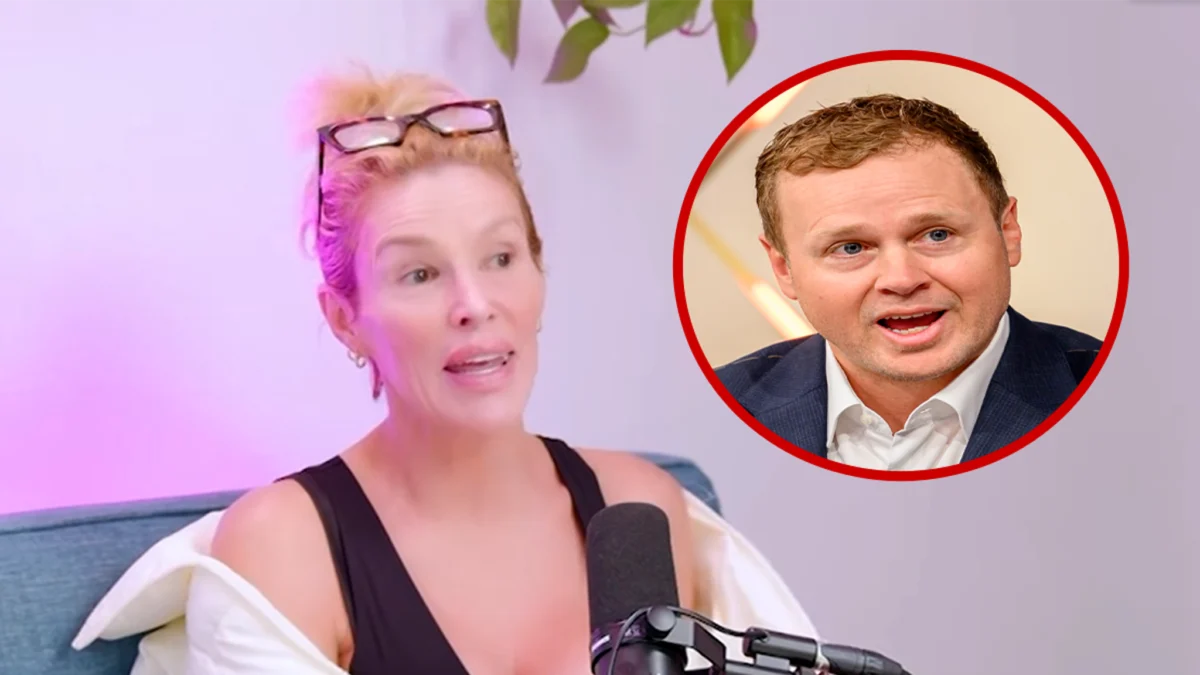
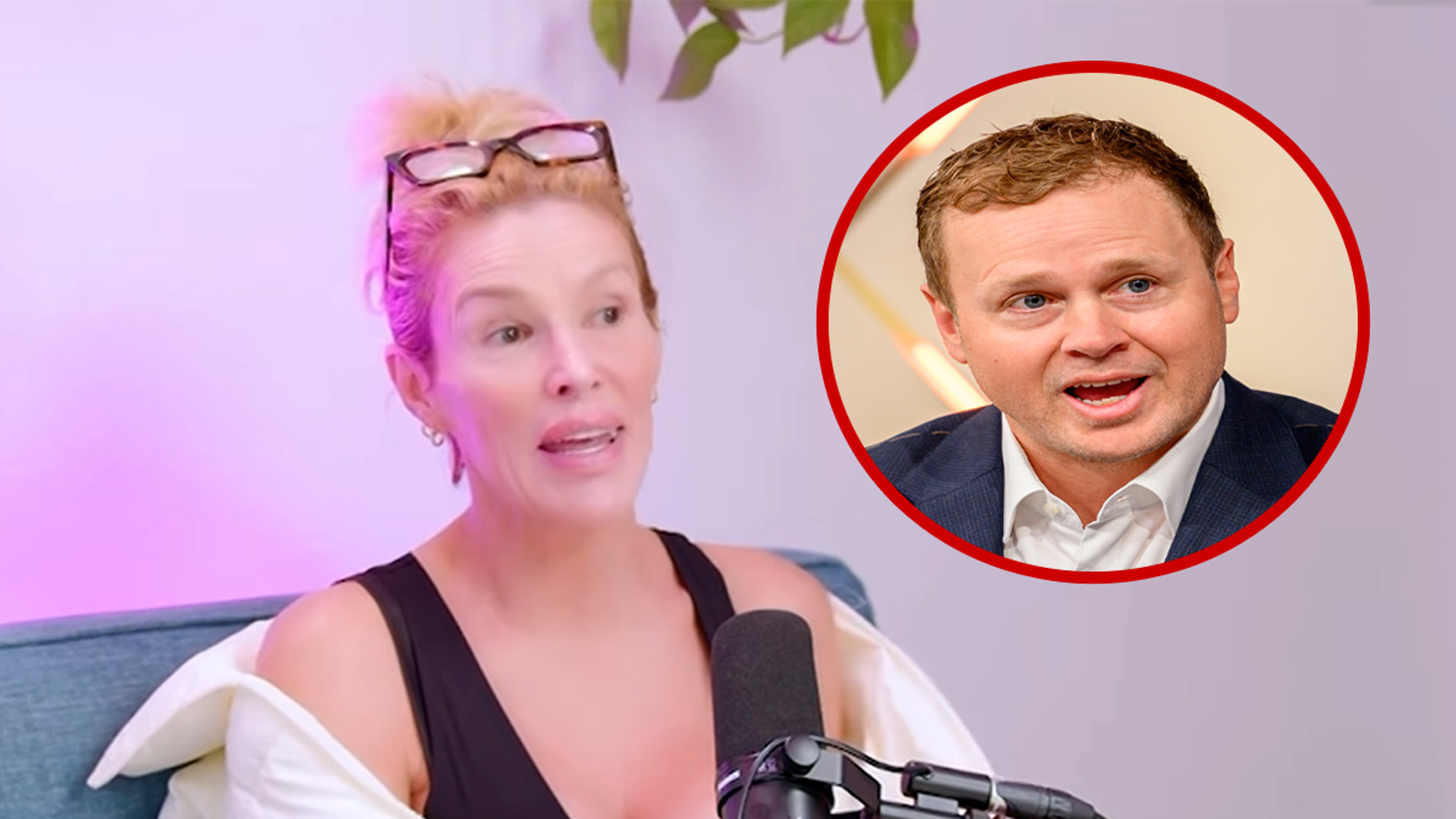
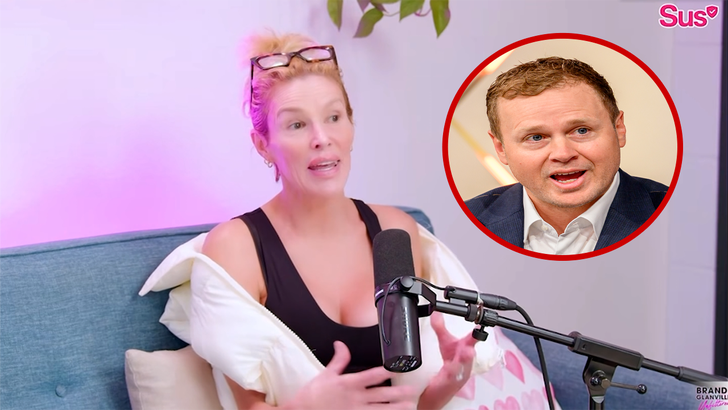
Former "Real Housewives of Beverly Hills" star Brandi Glanville has weighed in on the burgeoning Los Angeles mayoral race, offering a nuanced perspective on fellow reality television personality Spencer Pratt’s unexpected bid for the city’s highest office. During a recent episode of her "Brandi Glanville Unfiltered" podcast, co-hosted by James Maas, Glanville articulated a cautious optimism regarding Pratt’s chances of victory, even as she stopped short of a full endorsement. Her comments, made public on May 16, 2026, highlight the increasing intersection of celebrity culture and political ambition, particularly within the unique landscape of Southern California.
Glanville’s Cautious Assessment and Political Commentary
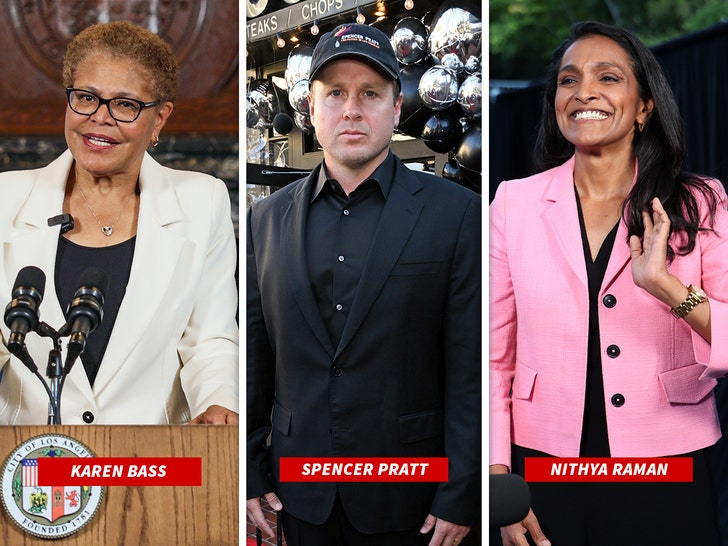
Glanville’s discussion of the mayoral race was prompted by her observation of the evolving political landscape in Los Angeles, a city frequently shaped by its entertainment industry. She openly admitted to her listeners that she remains undecided on her vote, expressing dissatisfaction with incumbent Mayor Karen Bass. While she clarified that she typically does not align with the Republican party, a stance often associated with more conservative candidates, Glanville nonetheless posited that Pratt possesses a credible path to the mayor’s office. This internal conflict—dislike for the incumbent coupled with ideological hesitation regarding a potential alternative—encapsulates a common dilemma for many voters. Notably, Glanville’s podcast conversation entirely omitted any mention of Nithya Raman, a prominent figure in Los Angeles politics and a likely contender, suggesting either a lack of awareness or a focus on more widely recognized celebrity candidates within her commentary.
The reality star drew parallels between Pratt’s campaign and the successful transitions of other entertainment figures into political roles, citing a diverse roster that includes former California Governor Arnold Schwarzenegger, White House aide Omarosa Manigault Newman, former President Ronald Reagan, and current President Donald Trump. This historical context serves as a powerful reference point, suggesting that the public’s perception of "qualifications" for political office has broadened significantly, especially in electorates accustomed to blurring the lines between public life and performance. Glanville’s eventual, albeit hesitant, "Go, Spence" at the conclusion of her remarks, while not a full endorsement, signaled a degree of support and recognition for "The Hills" star’s potential impact on the race. Her remarks underscore the potent influence of media personalities in shaping public discourse and electoral outcomes in an era defined by social media and reality television.
The Evolving Landscape of Los Angeles Politics
Los Angeles, a city of immense diversity and complex socio-economic challenges, is perpetually at the forefront of political innovation and public engagement. The 2026 mayoral race is unfolding against a backdrop of ongoing critical issues, including a persistent homelessness crisis, rising housing costs, concerns over public safety, and the broader economic recovery post-pandemic. Incumbent Mayor Karen Bass, who assumed office with a mandate to address these pressing concerns, faces the inherent challenges of leading one of the world’s largest and most dynamic metropolitan areas. Her administration has focused on initiatives aimed at housing the unhoused, enhancing community safety, and fostering economic development, often navigating complex bureaucratic structures and diverse stakeholder interests.
Nithya Raman, currently serving on the Los Angeles City Council, represents a progressive wing of the city’s political spectrum. Known for her advocacy on issues such as housing affordability, tenant protections, and environmental sustainability, Raman has cultivated a dedicated base of support and possesses a detailed understanding of municipal governance. Her policy-driven approach and grassroots organizing stand in contrast to the more unconventional campaign style often adopted by celebrity candidates. Glanville’s omission of Raman from her discussion, while perhaps unintentional, highlights a broader media trend where celebrity narratives often capture more immediate attention than traditional political discourse, potentially shaping voter perceptions and diverting focus from established public servants. The 2026 election cycle is therefore not just a contest of policies but also a battle for public attention and narrative control in a media-saturated environment.
Spencer Pratt’s Unconventional Mayoral Bid: A Chronology and Analysis
Spencer Pratt’s journey into the realm of Los Angeles politics began in earnest in January 2026, marking the first anniversary of the devastating Pacific Palisades fire. This strategic timing allowed Pratt to frame his candidacy around themes of community resilience, emergency preparedness, and effective local leadership, leveraging a significant local event to launch his political ambitions. His campaign has been characterized by an unconventional approach, heavily influenced by his reality television background and a keen understanding of media engagement.
One of the more notable episodes in his campaign involved a controversial advertisement featuring his Airstream trailer. The ad, which garnered scrutiny and questioning from media personalities Harvey and Charles on TMZ, exemplified Pratt’s willingness to lean into his persona and utilize non-traditional campaign imagery. While details of the ad’s exact content were not fully disclosed, its very nature—a reality star using an Airstream trailer as a campaign prop—suggests an appeal to a populist sentiment, a rejection of traditional political optics, and a deliberate attempt to generate buzz through novelty. Such tactics, while potentially alienating to traditional voters, can be highly effective in drawing media attention and mobilizing a younger, social media-savvy demographic. The questioning of the ad by established entertainment news figures further underscores the unique media ecosystem in which Pratt operates, where political campaigns are often evaluated through the lens of entertainment value.
Pratt’s candidacy is a significant case study in the "Hollywood to Politics" phenomenon, a trend that has seen numerous figures from the entertainment industry successfully transition into public service. The examples cited by Brandi Glanville—Arnold Schwarzenegger, Omarosa Manigault Newman, Ronald Reagan, and Donald Trump—each represent different facets of this transition. Schwarzenegger, a bodybuilder and action film star, leveraged his immense popularity and name recognition to become the Governor of California, demonstrating the power of celebrity in statewide elections. Omarosa, a reality TV star, transitioned into a high-profile role within the White House, illustrating the direct pipeline that can exist between reality television and political appointments. Ronald Reagan’s trajectory from Hollywood actor to two-term U.S. President remains the most iconic example of this phenomenon, proving that a background in entertainment is not a barrier but can, in fact, be an asset in national politics. More recently, Donald Trump’s successful presidential campaign, heavily informed by his reality TV show "The Apprentice" and his celebrity brand, further solidified the notion that public recognition, often cultivated outside traditional political channels, can be a potent force in electoral contests. Spencer Pratt, a veteran of reality television since his days on "The Hills," fits squarely into this lineage, attempting to parlay his established public persona into political capital. His campaign, therefore, is not merely a fringe endeavor but a continuation of a well-documented trend, particularly potent in a state like California where entertainment and politics are often inextricably linked.
The Unprecedented Reality Show and its Implications
Perhaps the most groundbreaking aspect of Spencer Pratt’s mayoral bid is the announcement that, should he win, cameras will continue to roll, documenting his life in the Los Angeles mayor’s office for a new reality television series. This proposed show would heavily feature his wife, Heidi Montag, and their children, providing an intimate, unscripted look at their adjustment to Pratt’s new position as the city’s chief executive. This decision introduces an unprecedented layer of complexity and potential ethical considerations into the realm of municipal governance.
The prospect of a sitting mayor simultaneously filming a reality show raises numerous questions about transparency, conflicts of interest, and the fundamental nature of public service. Critics might argue that such an arrangement could blur the lines between genuine governance and entertainment, potentially compromising the integrity of the mayor’s office. Decision-making processes, sensitive discussions, and confidential meetings could be subject to the demands of television production, raising concerns about privacy and national security (if applicable to city-level operations). The constant presence of cameras might also influence the behavior of city officials, staff, and even the mayor himself, leading to decisions or actions that are more performative than genuinely policy-driven. Furthermore, the allocation of mayoral resources, time, and attention could be diverted towards the production of the show, potentially at the expense of critical civic duties.
Conversely, proponents might argue that a reality show could offer unprecedented transparency into the workings of local government, allowing citizens to gain a deeper understanding of the challenges and responsibilities of the mayor’s office. It could also potentially humanize the political process, making it more accessible and engaging for a broader audience, particularly those who might otherwise be disengaged from traditional politics. The show could serve as a powerful platform for raising awareness about pressing urban issues and showcasing the efforts of city employees. However, the inherent tension between the often-sensationalized, narrative-driven nature of reality television and the sober, meticulous demands of public administration presents a significant challenge. The ethical frameworks for such an arrangement are largely uncharted territory, and a Spencer Pratt mayoralty, complete with a reality show, would undoubtedly set new precedents for the intersection of celebrity, media, and governance.
Analysis of the Race Dynamics and Broader Implications
Brandi Glanville’s assessment of Spencer Pratt as a "frontrunner," even if tentative, reflects a significant shift in how political viability is perceived in the modern era. In a city like Los Angeles, where celebrity is currency, name recognition and media savviness can sometimes eclipse traditional political experience or detailed policy platforms in the initial stages of a campaign. Glanville’s comments, emanating from a fellow reality star, carry a certain weight within the entertainment sphere, potentially influencing a segment of the electorate that values authenticity and personality over conventional political resumes.
The L.A. mayoral race is, by no means, decided. It is a multi-faceted contest involving an incumbent with established infrastructure, a progressive council member with a dedicated base, and an unconventional celebrity candidate who understands how to harness media attention. The unpredictability of the race is amplified by the unique blend of traditional political issues and the pervasive influence of Hollywood culture. Spencer Pratt’s campaign, with its unconventional tactics and the audacious promise of a reality show in office, challenges established norms and forces a re-evaluation of what constitutes a "serious" political contender.
The broader implications extend beyond Los Angeles. A successful mayoral bid by Spencer Pratt, especially one coupled with a reality television series, could redefine political engagement for future generations. It might signal a further erosion of the traditional political establishment, demonstrating that direct appeal through mass media and celebrity branding can be a powerful, perhaps even dominant, force in electoral politics. It would also ignite intense debate about the ethics of governance, the role of media in public office, and the evolving relationship between entertainers and the electorate. As the race continues to unfold, the dynamic interplay between Brandi Glanville’s hesitant but influential commentary, the traditional political forces, and Spencer Pratt’s audacious vision will undoubtedly keep observers captivated, offering a compelling glimpse into the future of urban leadership in a celebrity-driven world.