


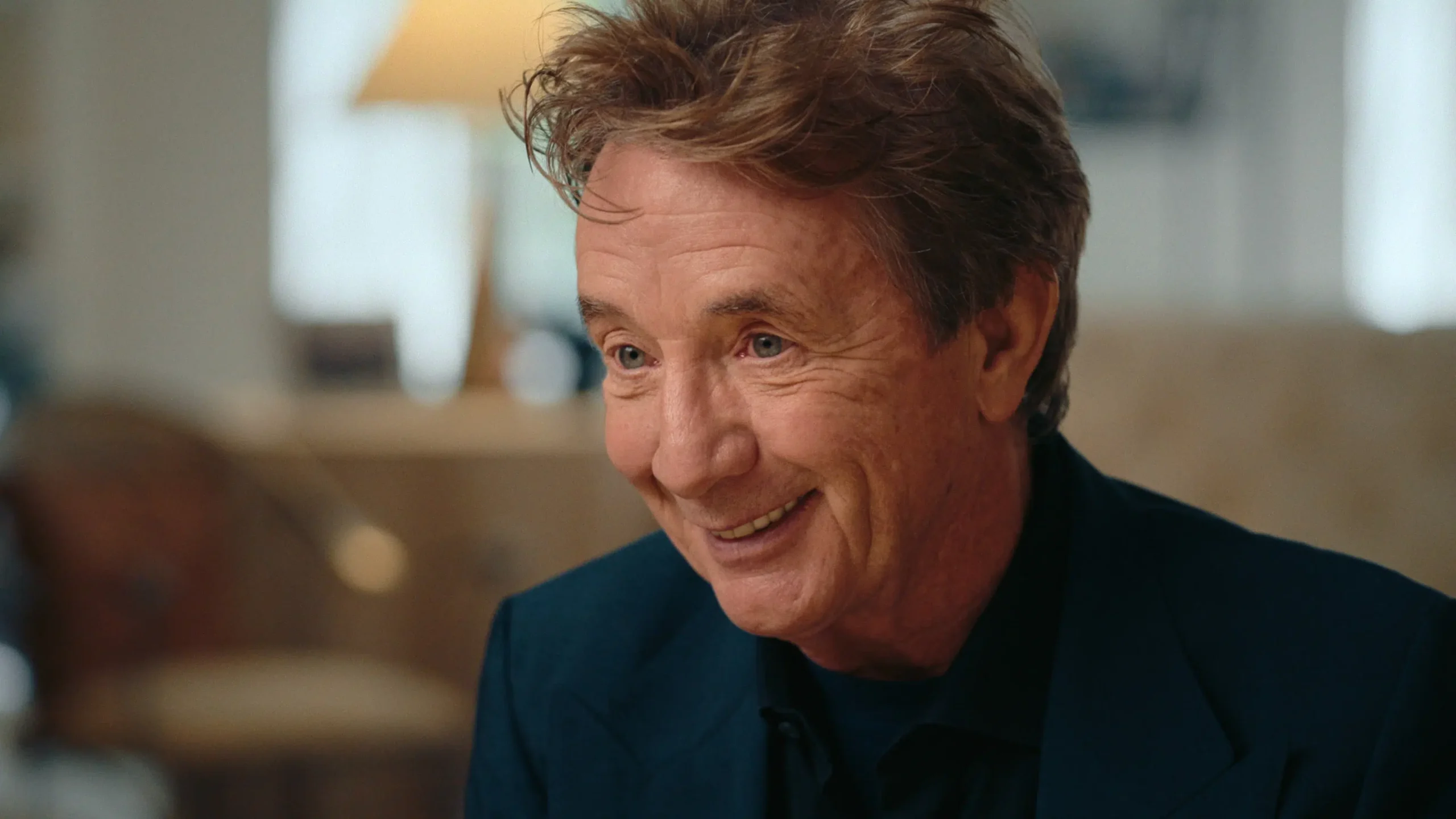
Lawrence Kasdan’s latest documentary, "Marty, Life is Short," offers an intimate and star-studded tribute to the beloved comedian Martin Short, masterfully encapsulating his infectious optimism and remarkable resilience in the face of profound personal loss. Far from a mere biographical sketch, the film emerges as a deeply felt celebration of a performer whose career spans decades and whose personal philosophy has become a beacon of joy for many. Through a blend of archival footage, heartfelt interviews with industry giants, and candid reflections, Kasdan crafts a portrait that is both comprehensive in its scope of Short’s professional life and tender in its exploration of his private world.
The Genesis of an Intimate Portrait: A Friendship Forged in Film
The unique strength of "Marty, Life is Short" lies in the profound personal connection between its subject, Martin Short, and its director, Lawrence Kasdan. Kasdan, a celebrated filmmaker known for his work on "The Big Chill" and as a screenwriter for iconic franchises like "Star Wars" and "Indiana Jones," brings an insider’s perspective, having been a long-time friend of Short. This foundational relationship immediately sets the documentary apart from conventional celebrity biopics, sidestepping the potential for it to be perceived as a vanity project. Instead, it offers an authentic glimpse into the life of a man revered not just for his comedic genius but for his extraordinary character.
The film opens with a characteristic jest from Short, playfully questioning Kasdan about the nature of the documentary, quipping, "This is going to be one of those awful hatchet things that I don’t promote." This lighthearted exchange immediately establishes the genuine rapport between the two, an intimacy that permeates the entire film. While some might argue that such a close relationship could compromise journalistic objectivity, in this instance, it serves to unlock a level of vulnerability and candor that a more detached approach might miss. The familiarity allows for unguarded conversations and anecdotes that reveal the true essence of Martin Short, both the performer and the man. This personalization, while a strength, also occasionally dictates the narrative’s focus, prioritizing emotional resonance over a strictly chronological or critically exhaustive career overview, a point that some viewers might note as a minor departure from typical documentary conventions.
Chronology of a Comedic Icon: Martin Short’s Illustrious Career
"Marty, Life is Short" meticulously chronicles the expansive career of the 74-year-old Canadian entertainer, tracing his journey from his early days in improv to his status as a multifaceted star. The documentary dedicates significant attention to the formative years of Short’s career, highlighting the crucial experiences that shaped his unique comedic voice.
Born in Hamilton, Ontario, in 1950, Short’s early life was marked by a series of profound personal tragedies that would paradoxically fuel his drive to bring joy to others. At the tender age of 12, he endured the loss of his eldest brother, David, in a car accident. This was followed by the death of his mother, Olive, from cancer when he was 18, and then his father, Charles, just two years later, when Short was only 20. These successive losses, occurring during crucial developmental years, instilled in him a resilient spirit and a philosophy centered on finding light amidst despair—a theme central to the documentary.
His professional odyssey began in the vibrant world of improvisational theatre. Short joined Toronto’s branch of The Second City in 1977, a breeding ground for comedic talent. Here, he honed his craft alongside future legends like Eugene Levy, Catherine O’Hara, and Andrea Martin. This period was pivotal, laying the groundwork for his distinctive character work and quick-witted style. His talents soon led him to the acclaimed Canadian sketch comedy show "SCTV" (Second City Television), where he became a household name between 1982 and 1984. It was on "SCTV" that Short introduced some of his most iconic and enduring characters, including the hyperactive, overly enthusiastic Ed Grimley, whose catchphrases and peculiar mannerisms instantly captivated audiences.
Following his success on "SCTV," Short made a brief but memorable foray into American network television, joining "Saturday Night Live" for a single season (1984-1985). Though his tenure was short, he left an indelible mark, bringing his established characters like Grimley to a wider audience and showcasing his versatility. This period marked a crucial transition from Canadian cult status to broader international recognition.
The mid-1980s saw Short successfully transition to the big screen, starring in a string of notable films. His role in the 1986 comedy Western "Three Amigos!" alongside Steve Martin and Chevy Chase, became a cultural touchstone, cementing his place as a comedic leading man. This was followed by his critically acclaimed performance in Joe Dante’s 1987 sci-fi comedy "Innerspace," where he played a hypochondriac grocery clerk inadvertently injected with a miniature submarine and its pilot. These roles demonstrated his ability to blend physical comedy with nuanced character portrayals, earning him widespread praise.
Beyond film and television, Short also achieved significant success on Broadway. His stage career includes acclaimed performances in productions like Neil Simon’s "The Goodbye Girl" in 1993, which earned him a Tony Award nomination for Best Actor in a Musical. He later won a Tony Award for Best Actor in a Musical for his transformative performance in the 1999 revival of "Little Me," further solidifying his reputation as a versatile performer capable of commanding both comedic and dramatic roles on stage.
Throughout his career, Short continued to create and embody a diverse array of memorable characters, from the aforementioned Ed Grimley to the notoriously crude and self-absorbed interviewer Jiminy Glick, who gained prominence on "The Martin Short Show" and "Primetime Glick." The documentary underscores how, despite the passage of time and evolving comedic landscapes, Short’s charisma and comedic timing have remained remarkably timeless, his performances consistently delivering joy and laughter across generations. His ability to fully inhabit each character, imbuing them with distinct personalities and quirks, is a testament to his profound talent and dedication to his craft.
The Constellation of Collaborators: Testimonials from Peers and Friends
A significant strength of "Marty, Life is Short" lies in its access to Short’s inner circle, featuring a constellation of industry luminaries who offer illuminating details about the profound impact he has had on their lives and careers. Through candid conversations, the documentary reveals that Short is not just a respected colleague but a cherished friend, a source of unwavering joy and inspiration.
Among the prominent voices featured are his "SCTV" peers: Eugene Levy, Andrea Martin, and Catherine O’Hara. Their reflections provide invaluable insight into the collaborative and fertile comedic environment from which Short emerged. These long-standing friendships underscore the deep bonds forged during their formative years in Canadian comedy, a camaraderie that has endured through decades of individual success. Catherine O’Hara, in particular, offers a poignant anecdote, recounting how she and her husband, Bo Welch, once cited Martin and his late wife, Nancy Dolman, as a model of a healthy marriage during a counseling session. This story, met with the counselor’s remark, "I can’t tell you how many couples have told me this," speaks volumes about the perceived strength and beauty of the Short-Dolman union, and Martin’s own character.
The documentary also features testimonials from Short’s frequent co-stars, most notably Steve Martin, whose professional and personal partnership with Short has become legendary, especially in recent years with their hit series "Only Murders in the Building." Their dynamic, characterized by mutual admiration and playful banter, is a testament to the genuine affection that underpins their comedic collaborations. Further amplifying the film’s star power are interviews with close friends like Academy Award winners Tom Hanks and Steven Spielberg. Their participation highlights Short’s broad appeal and the respect he commands across different facets of the entertainment industry, from comedy to dramatic film direction.
What emerges from these interviews is a consistent portrayal of Short as a "seed of joy," a person whose inherent optimism and vivacious spirit uplift those around him. The documentary effectively conveys that these stars are not merely discussing a respected peer but a dear friend whose presence enriches their lives. The inclusion of Catherine O’Hara’s footage, both in archival clips and contemporary talking-head interviews, is particularly moving. Her effervescent and comical presence, so characteristic of her public persona, resonates deeply. While the original article contained a factual error regarding her passing, the film’s broader dedication to "loved ones lost," including Nancy Dolman, adds a layer of bittersweet reflection on the impermanence of life and the enduring power of memory. The poignancy of seeing O’Hara celebrate her friend, knowing the losses Short has faced, underscores the film’s central theme of resilience.
The Heart of the Man: Family, Love, and Legacy
At its core, "Marty, Life is Short" beautifully illuminates the instrumental role played by Martin Short’s late wife, Nancy Dolman, in his life and, arguably, in his entire being. Their relationship is depicted as a blueprint for enduring love, a partnership of two puzzle pieces that fit perfectly. Through Short’s own recollections, as well as stories shared by their mutual friends, it becomes clear that their marriage was more than just a union; it was a sanctuary of joy and mutual support.
The documentary features poignant archival footage from their family life, particularly at their cherished Snug Harbor cabin in Ontario. These glimpses into their private world reveal Short’s off-stage persona to be as joyful and upbeat as his public one. Whether engaging in loving banter with Nancy or delighting their friends’ children—who often preferred his company to their parents’—the footage consistently highlights his infectious happiness and warmth. This portrayal reinforces the idea that "Marty being Marty" was not an act, but an authentic expression of his core character. The intimate scenes evoke a sense of familial warmth, akin to a cherished family cookout, offering viewers a glimpse into the kind of vibrant, loving environment that Martin and Nancy cultivated.
The intense love felt for Nancy Dolman by all who knew her is palpable in the interviews and video footage. Her passing from ovarian cancer in 2010 was a profound tragedy, marking another significant loss in Short’s life. The documentary delicately approaches his subsequent period of grief and hardship. While it covers much of Short’s work during Nancy’s lifetime, it notably skims over the immediate aftermath of her death and his career in the 2010s. This narrative choice, while perhaps leaving some viewers wanting more detail, appears to be a conscious decision by Kasdan to honor Short’s privacy and focus on his remarkable ability to find joy despite adversity. The film suggests that some aspects of his personal pain are best left unprobed, allowing the subject to control the narrative of his grief.
Despite this gentle approach, the documentary subtly acknowledges Short’s continued pursuit of his craft even through personal sorrow. For example, the early 2010s saw Short garnering praise for his voice acting roles, notably in "Madagascar 3: Europe’s Most Wanted" (2012) and Tim Burton’s "Frankenweenie" (2012). These projects, undertaken shortly after Nancy’s passing, served as testaments to his resilience and his unwavering commitment to his profession and to bringing laughter to audiences, even as he navigated his own profound loss. The film, however, dedicates relatively little time to these specific career points, choosing instead to focus on the broader arc of his life and character, concluding its narrative as it approaches this more recent period.
Analyzing the Documentary’s Strengths and Nuances
"Marty, Life is Short" may follow a conventional documentary structure, but its execution is anything but ordinary. Its strength lies in its profound sincerity and the emotional depth it achieves. The film successfully navigates the fine line between celebrating a public figure and revealing the private man, making it a powerful testament to the human spirit.
The documentary’s "heartfelt" quality stems directly from Kasdan’s close relationship with Short and the genuine affection displayed by all interviewees. This intimacy allows for a narrative that feels authentic and deeply personal, rather than a superficial recounting of achievements. The conventional chronological approach to Short’s career is elevated by the thematic exploration of resilience and the consistent thread of finding joy amidst tragedy. This thematic backbone transforms a standard biography into a philosophical reflection on how one navigates life’s inevitable hardships with grace and humor.
One subtle nuance of the film, as hinted in the original review, is how the very closeness between Kasdan and Short, while enabling profound intimacy, might also lead to a narrative that prioritizes emotional resonance over a comprehensive, critical analysis of Short’s entire body of work or a deeper dive into the complexities of his later career. However, this is not a detraction but rather a deliberate choice that serves the film’s overarching goal: to celebrate Martin Short’s character and his philosophy of life. The documentary isn’t aiming for a definitive academic study of his artistry but rather an affectionate portrait of his impact as a human being.
The portrayal of Short’s enduring mantra—to find joy in despair—is a central pillar of the film. It’s not merely stated but demonstrated through his life’s trajectory, his comedic output, and the testimonials of those who know him best. This philosophy, born from early personal tragedies and tested by the profound loss of his wife, underpins his ability to consistently uplift and entertain. The film suggests that his humor is not an escape from pain, but rather a profound response to it, a way of affirming life and connection.
Broader Impact and Cultural Significance
"Marty, Life is Short" contributes significantly to the understanding of comedic genius and personal resilience, particularly within the context of public life. It transcends the typical celebrity documentary by offering a profound exploration of character, demonstrating how an individual’s personal philosophy can shape not only their art but also their impact on the world.
The documentary highlights the enduring appeal of Martin Short, a performer whose career has spanned several distinct eras of entertainment, from sketch comedy’s golden age to contemporary streaming hits. His ability to remain relevant and beloved across generations speaks to the universal nature of his comedic talent and his authentic charm. In an industry often criticized for its superficiality, Short’s story stands out as a testament to the power of authenticity, kindness, and unwavering optimism.
Moreover, the film offers a powerful commentary on the nature of long-standing friendships in Hollywood. The deep bonds between Short and his peers—Steve Martin, Eugene Levy, Catherine O’Hara, Tom Hanks, Steven Spielberg—illustrate that genuine connections can thrive even amidst the competitive and often transient landscape of show business. These relationships are depicted not merely as professional alliances but as vital support systems, underscoring the importance of community and loyalty.
In the broader landscape of celebrity documentaries, "Marty, Life is Short" distinguishes itself by prioritizing heart over sensationalism. It doesn’t seek to uncover hidden scandals or dramatic revelations but rather to celebrate the quiet strength and effervescent spirit of its subject. It serves as a valuable document of a comedic icon, offering insights into the creative process, the challenges of a lengthy career, and the profound ways in which personal experiences shape artistic expression. The film reminds us that behind the laughter, there is often a deeply human story of struggle, perseverance, and ultimately, triumph of spirit.
In conclusion, Lawrence Kasdan’s "Marty, Life is Short" is a profoundly moving and expertly crafted portrait of Martin Short. It stands as a testament to a showman who, through the crucible of countless personal losses, has continuously chosen to spread joy and laughter. It is a heartfelt homage to a man whose enduring light reminds us all that even when life is short and fraught with challenges, the pursuit of joy and the power of human connection can illuminate the darkest paths.