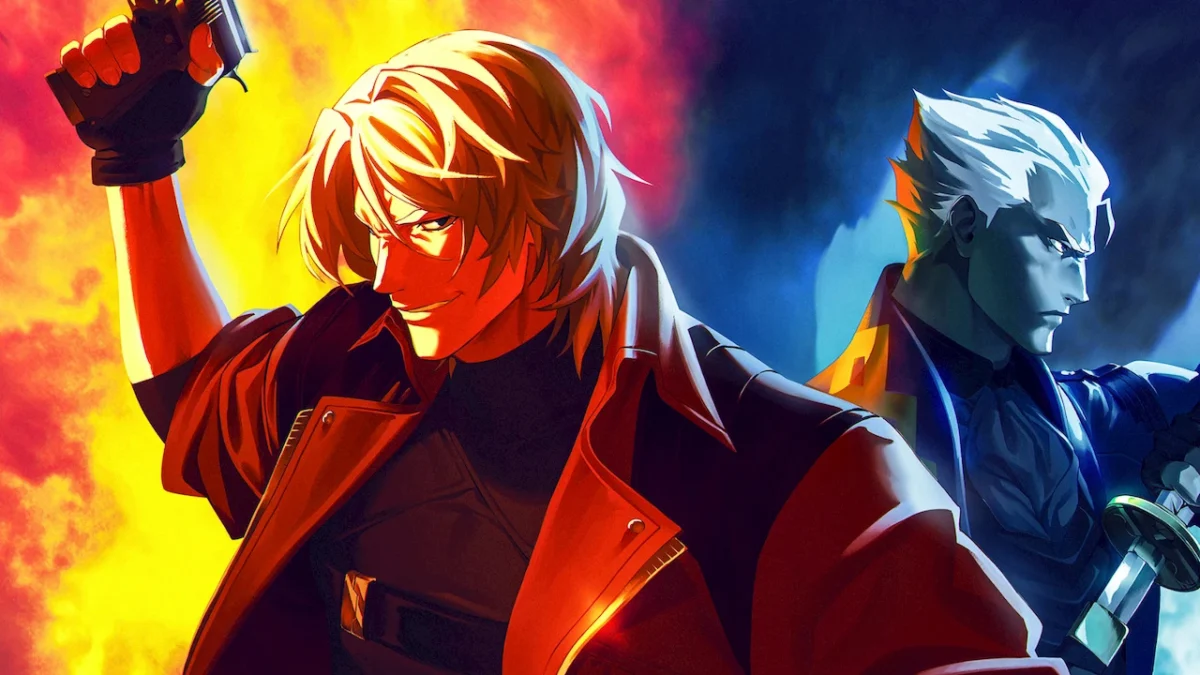
The second season of Netflix’s Devil May Cry adaptation culminated in a truly epic and devastating finale, delivering on its promise of high-stakes action, profound character development, and intricate lore expansion. Viewers were treated to a monumental battle spanning both Earth and the demonic realm of Hell, witnessing the clash of colossal monsters, a pivotal and shocking decision from Vergil, and a revelation that dramatically reshapes the landscape for a potential third season. This comprehensive breakdown will dissect the intricate events of the finale, explore their implications for the beloved characters, and analyze what these developments signify for the future of the critically acclaimed animated series on Netflix.
Setting the Stage: A Season of Divergent Paths and Unveiled Truths
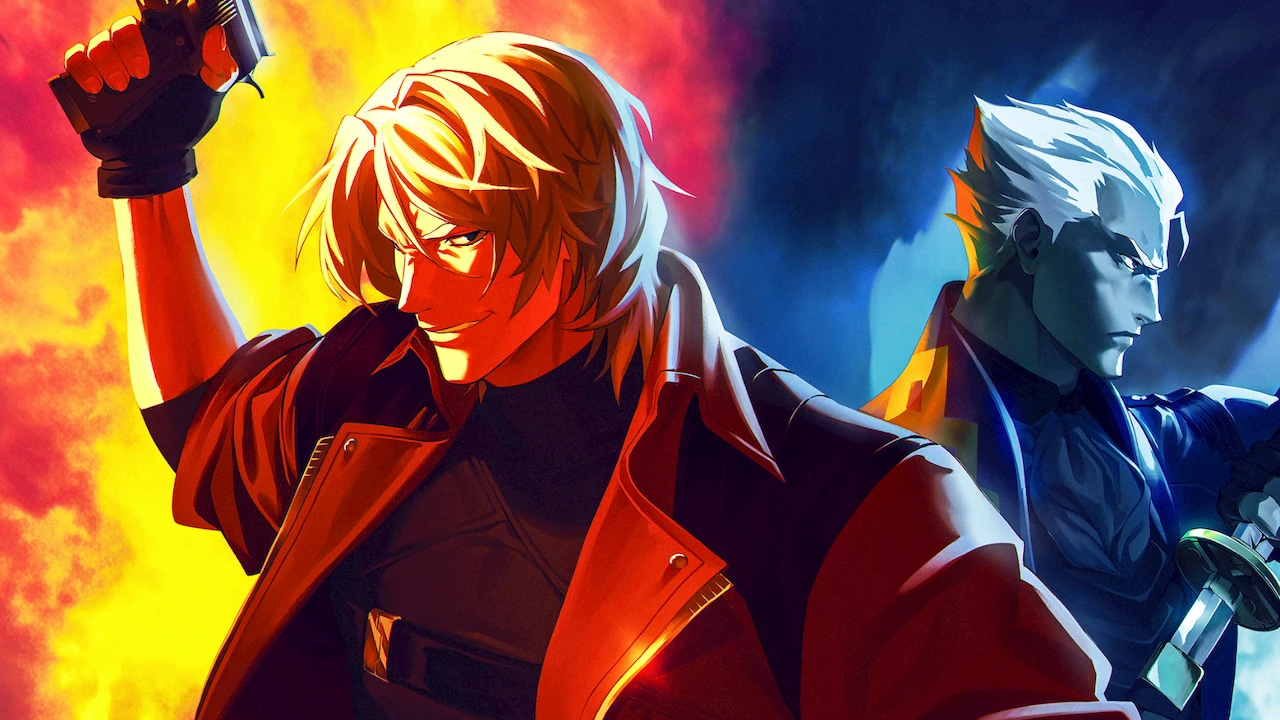
Throughout its second season, Devil May Cry masterfully wove together two distinct yet intrinsically linked narratives centered around the enigmatic demon hunter Dante and his equally formidable, estranged twin brother, Vergil. Season one laid the groundwork, establishing Dante’s reluctant alliance with the shadowy DARKCOM corporation, an organization that tasked him with the seemingly impossible mission of eliminating Mundus, the reigning King of Hell. Simultaneously, Dante embarked on a deeply personal quest to locate Vergil, a brother he believed lost to the machinations of the demonic world.
Vergil’s journey, conversely, was fueled by a singular, burning desire for vengeance. Haunted by the brutal death of his mother, Eva, he relentlessly pursued those he held responsible, a path that led him deeper into the dark underbelly of Makai. The genius of the narrative lay in its careful construction: both brothers, unaware of the full scope of the deception surrounding them, were propelled towards an inevitable collision, their individual quests unknowingly orchestrated by forces far greater than themselves. This foundational conflict, steeped in familial tragedy and demonic intrigue, provided the emotional core and escalating tension that defined the season.
The series, under the creative guidance of showrunner Adi Shankar, known for his work on the equally successful Castlevania adaptation, has consistently been praised for its faithful yet innovative approach to the source material. Shankar, in a recent interview, provided crucial insights into the complex arcs developed in Season 2 and teased the ambitious future he envisions for the series, a vision that appears to extend far beyond the immediate cliffhangers. This deep understanding of the franchise’s lore and character motivations allowed the creative team to craft a finale that resonates deeply with long-time fans while also captivating new audiences.
Unraveling Makai’s Ancient History and the Geopolitical Allegory
A significant portion of Season 2 was dedicated to expanding the rich, complex history of Makai, the demonic dimension. This deeper dive into the lore proved crucial for understanding the motivations behind the ongoing conflict. We learned more about Sparda, Dante and Vergil’s legendary demon father, a figure whose rebellion against a previous despot liberated Makai before he ultimately abandoned Hell for the human world. This pivotal decision, triggered by a monumental clash with his former friend and eventual rival, Mundus, established a historical precedent for the current struggle.
Beyond its fantastical elements, Devil May Cry subtly, yet powerfully, serves as a poignant allegory for real-world geopolitical conflicts, drawing parallels to post-9/11 paranoia and the Iraq War. The narrative posits that the seemingly perpetual war between Earth and Hell is not an inherent conflict but rather a meticulously manufactured excuse. It is a tool wielded by megalomaniacal fanatics on both sides, driven by an insatiable hunger for power and control. This underlying theme adds a layer of intellectual depth to the series, transforming it from a mere demon-slaying spectacle into a thought-provoking commentary on manipulation, propaganda, and the devastating consequences of manufactured conflict. The finale brings this allegorical subtext to a head, revealing the true architects of chaos and their self-serving agendas.
The Uroboros Conspiracy and the Unholy Alliance
The true antagonists of Season 2 emerged with chilling clarity in its latter half. Argus, the shadowy leader of the formidable Uroboros Corporation, was unmasked as a millennia-old schemer, obsessed with achieving immortality. His centuries-long quest led him to forge an unholy alliance with Argosax, the ancient and terrifying former ruler of Hell, whom Sparda had originally overthrown.
In the penultimate and ultimate episodes, Argus successfully liberated Argosax, culminating in a grotesque fusion between the two entities. This amalgamation granted Argus unimaginable power, transforming him into a monstrous, nigh-unstoppable force. His ultimate goal: to obliterate Earth and reshape reality to his own design. The sheer scale of this threat forced the warring brothers, Dante and Vergil, into an uneasy but necessary alliance. Recognizing the existential danger posed by the Argus-Argosax entity, they united their formidable powers to open a colossal rift directly into Hell, a desperate gambit to banish the fused demon back to its rightful domain. Their hope was that Mundus, the current King of Hell, would once again defeat Argosax, repeating history and averting Earth’s annihilation.
The Cataclysmic Finale: Brother Against Brother, Hell Against All
The plan, though audacious, initially succeeded. Just as in their legendary first encounter, Mundus effortlessly dispatched Argosax, proving his immense power and solidifying his dominion over Hell. However, this victory created a new, equally terrifying problem: Mundus was now free, unburdened by a rival, and the massive portal between dimensions remained open, providing a direct conduit for his vast demonic armies to invade Earth.
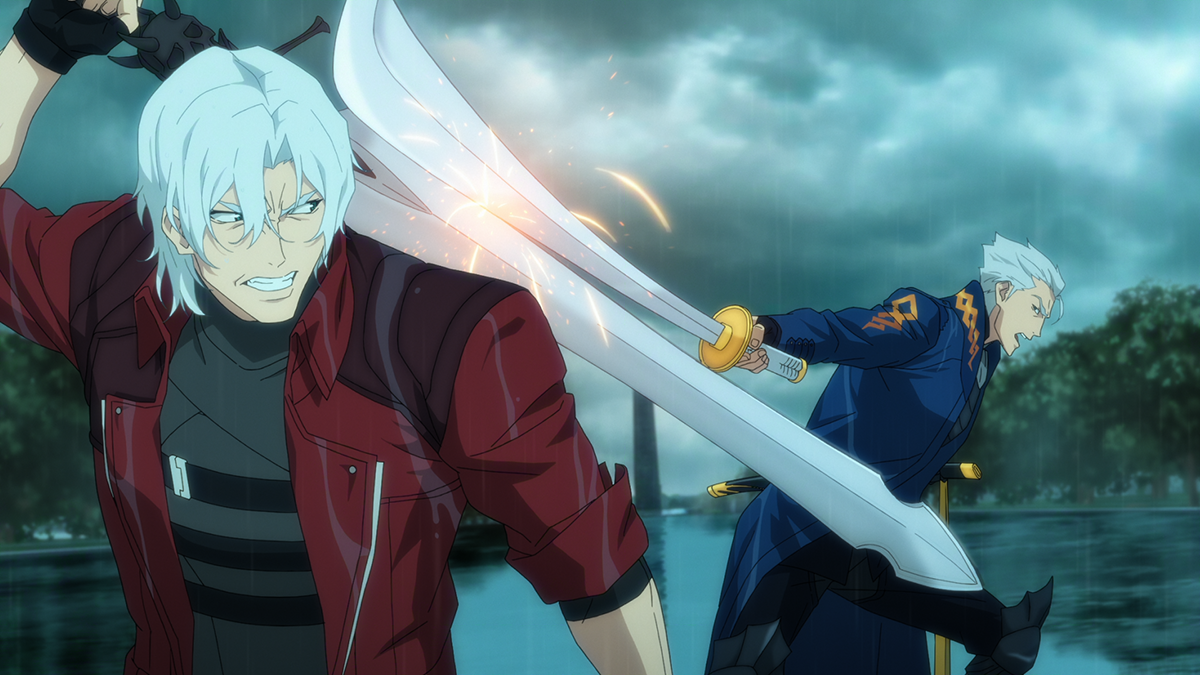
As Dante frantically moved to seal the breach, Vergil seized a moment of profound personal reckoning. He confronted Mundus directly, demanding answers regarding his mother’s death. Mundus, with a chilling lack of remorse, confirmed his role in Eva’s demise. He openly admitted to orchestrating her murder, justifying it as a necessary measure to prevent her "corrupting" influence over the twin brothers, fearing they would become too human. Furthermore, Mundus confessed to a deeper manipulation: he had deliberately fed Vergil lies, twisting his pain and ambition to mold him into his "finest warrior," a pawn in his grand scheme for universal domination.
In a shocking and emotionally charged turn of events, Vergil made his ultimate choice. During the ensuing chaos, he forcibly pushed Dante through the closing rift, along with their father’s legendary sword, effectively sealing Dante off from Hell and from him. Vergil then engaged Mundus in a brutal, no-holds-barred battle for control of Makai. His declaration was clear: Hell was now his home, and he, Vergil, would lead its legions in a future invasion against Earth. This act of apparent betrayal, or perhaps a calculated sacrifice for a greater, darker ambition, left audiences stunned and set the stage for an unprecedented conflict.
Vergil’s Ambiguous Fate and Lady’s Heartbreaking Revelation
The immediate aftermath of Vergil’s confrontation with Mundus remains shrouded in mystery. The series cuts away from their epic struggle before a victor is determined, leaving Vergil’s fate deliberately ambiguous. Is he dead? Has he triumphed over Mundus, seizing the throne of Makai for himself? The sheer power of Mundus, a foe even Sparda could not ultimately defeat, casts a long shadow over Vergil’s chances. This cliffhanger ensures intense speculation and anticipation for the next season.
Meanwhile, on Earth, Dante plummets from an incredible height, miraculously surviving the fall. As he recovers, his mind drifts to poignant childhood memories of Vergil, underscoring the deep, complex bond that persists despite their constant antagonism. This moment suggests that even after Vergil’s seemingly unforgivable act, the ties of brotherhood remain a powerful, perhaps even defining, force for Dante.
Simultaneously, Lady, the fierce demon hunter who has been a crucial ally throughout the season, continues her relentless pursuit of her mother’s killer. Her investigation leads her to startling footage recovered from DARKCOM’s archives. The chilling revelation: her father, the man she believed to be a victim, is not only alive but has been operating as the demon jester, a deceptive double agent embedded within Mundus’s court throughout the entire season. This discovery promises a deeply personal and emotionally devastating confrontation for Lady, adding another layer of complex family drama to the overarching conflict.
Implications for Devil May Cry Season 3 and Beyond
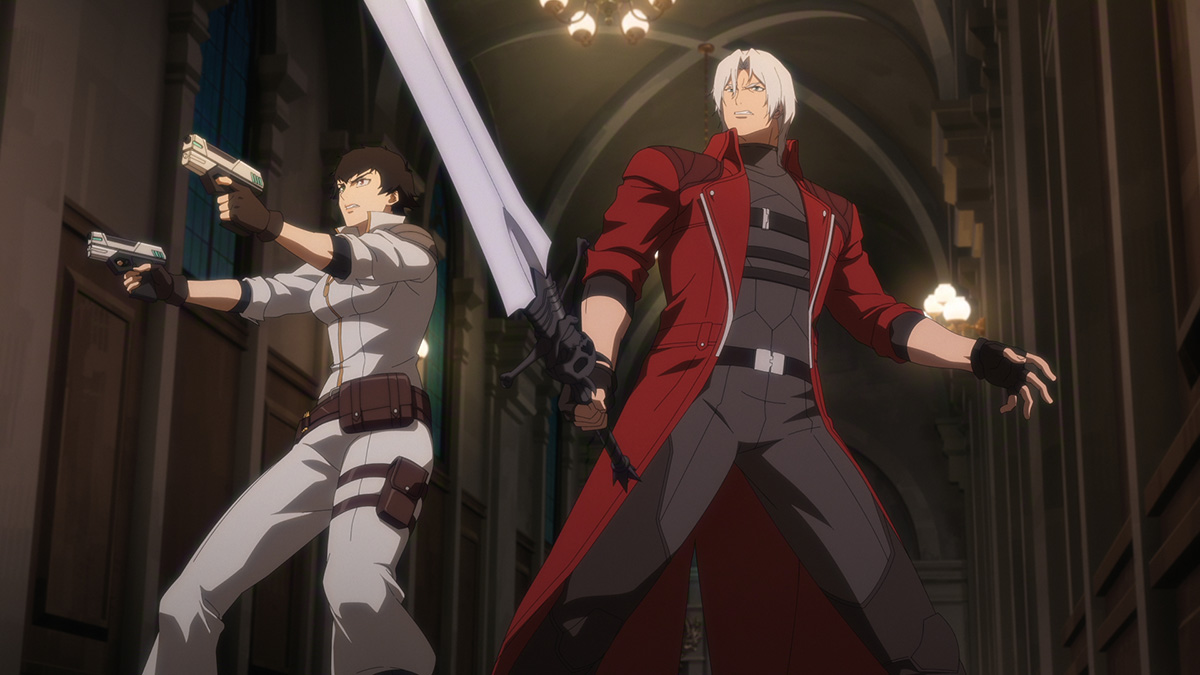
The Season 2 finale of Devil May Cry leaves a trail of profound implications, setting the stage for what promises to be an even more expansive and emotionally charged third season. The promise of another bitter, heartbreaking reunion — this time between Lady and her monstrously transformed father — will undoubtedly drive a significant portion of the narrative. How will Lady reconcile her memories of her father with his current demonic form and his treacherous role in Mundus’s court? This arc alone offers immense dramatic potential.
The grander questions revolve around Vergil. Did he indeed defeat Mundus, or was he consumed by the King of Hell? If he emerged victorious, what kind of ruler will he be? And will his declared intention to invade Earth come to fruition? The prospect of Vergil leading the legions of Hell against a Dante now stranded on Earth, wielding Sparda’s sword, establishes a conflict of epic proportions, pitting brother against brother on a global scale.
Adi Shankar’s candid statement about having the story of Devil May Cry mapped out for "the next 10 years or so," contingent on Netflix’s continued support, speaks volumes about the ambition and long-term vision behind the series. This suggests a meticulously planned narrative arc, ensuring that future seasons will build upon these monumental cliffhangers with purpose and depth. While specific viewership figures for Devil May Cry Season 2 remain proprietary to Netflix, industry analysts suggest that strong engagement with its high-octane action, intricate storytelling, and deep lore exploration positions it as a key pillar in the streamer’s expanding anime portfolio. The consistent critical acclaim and robust fan discussions indicate a committed audience, vital for long-term production commitments.
The series has firmly established itself as more than just a video game adaptation; it is a sophisticated dark fantasy saga exploring themes of destiny, choice, family loyalty, power, and corruption. The emotional stakes are higher than ever, and the narrative threads are more entangled than before. Whatever unfolds in the future, viewers can undoubtedly expect a journey filled with intense, beautifully animated demon fights, profound character moments, and, as Shankar promised, an undeniably rocking soundtrack that has become a hallmark of the adaptation. The stage is set for a truly unforgettable continuation of the Devil May Cry saga.