


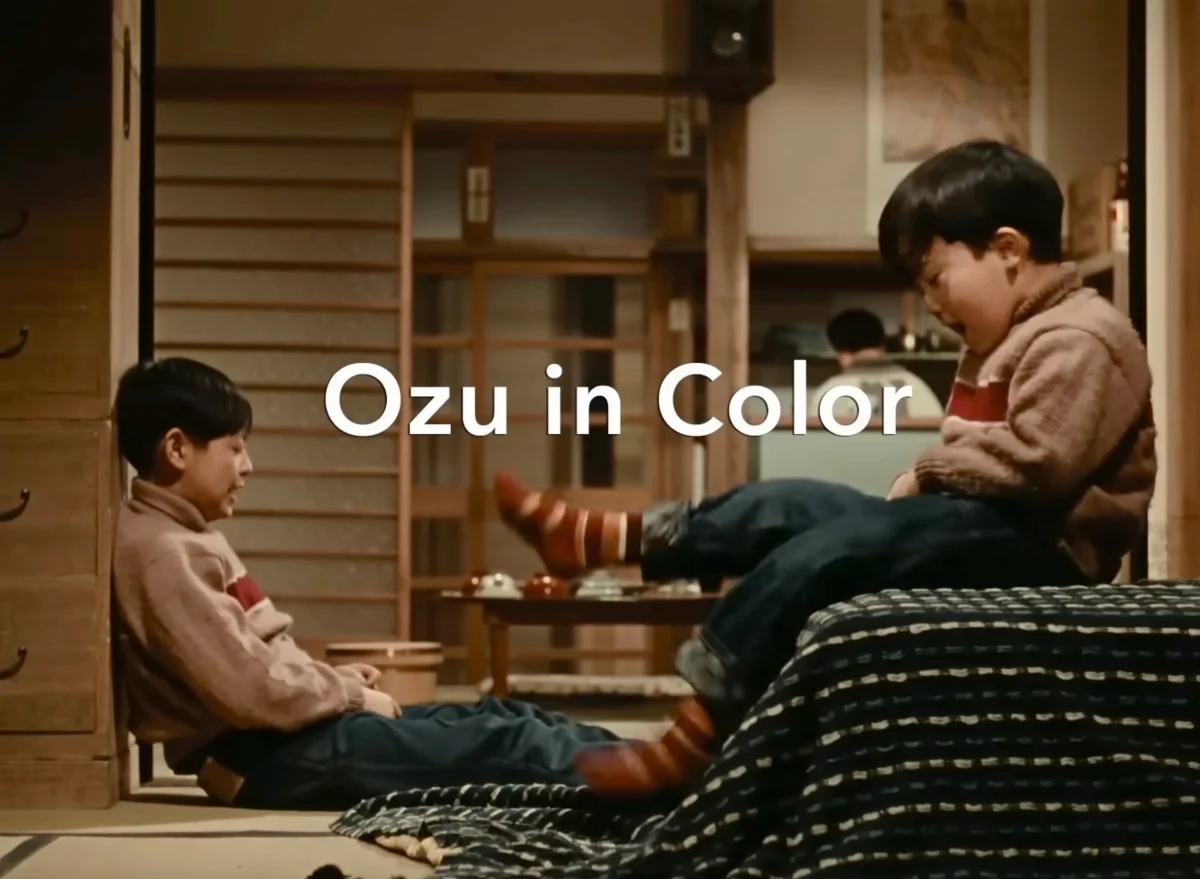
A groundbreaking new video essay titled "Ozu in Color," produced by the critically acclaimed Every Frame a Painting team of Tony Zhou and Taylor Ramos in collaboration with Turner Classic Movies (TCM), was released on May 10, 2026. This meticulously crafted analysis delves into the rarely examined later works of legendary Japanese filmmaker Yasujiro Ozu, specifically his transition from his iconic black-and-white aesthetic to color cinematography. The essay, available via YouTube and branded as a TCM Original, poses fundamental questions regarding a master filmmaker’s adaptation to new technology and the deliberate artistic choices made within the evolving medium of color. It promises to offer profound insights into Ozu’s unique vision, particularly his ability to render color with an almost unparalleled sense of objectivity.
Yasujiro Ozu: A Legacy in Black and White
Yasujiro Ozu (1903-1963) remains one of the most revered and influential figures in global cinema. His career, spanning from the silent era in the late 1920s until his death, produced 54 films, nearly all of which explored themes of family, generational conflict, and the transient nature of life in post-war Japan. Ozu’s distinctive directorial style is characterized by its quiet contemplation, deliberate pacing, and minimalist approach. He famously employed a low-angle camera position, often referred to as the "tatami shot," placing the viewer at the eye level of someone sitting on a traditional Japanese mat. His films frequently featured static shots, subtle camera movements, and a recurring ensemble of actors, creating a cohesive and deeply personal body of work.
For much of his career, Ozu worked exclusively in black and white. Films like Late Spring (1949), Early Summer (1951), and his internationally celebrated masterpiece Tokyo Story (1953) are quintessential examples of his black-and-white period. In these films, Ozu demonstrated an extraordinary mastery of chiaroscuro, composition, and mise-en-scène, using the absence of color to emphasize emotional nuance, textural detail, and the stark realities of his characters’ lives. The transition to color filmmaking in the late 1950s presented a significant artistic challenge for a director so deeply entrenched in the aesthetic possibilities of monochrome. This period marked a crucial evolutionary phase in Ozu’s artistic journey, a shift that "Ozu in Color" meticulously unpacks.

Every Frame a Painting: Redefining Film Analysis
The return of Tony Zhou and Taylor Ramos, the creative force behind Every Frame a Painting, for this special project is itself a significant event in the world of online film criticism. From its inception in April 2014 until its hiatus in September 2016, Every Frame a Painting revolutionized the video essay format. Known for their rigorous analytical approach, incisive narration, and sophisticated editing, Zhou and Ramos established a benchmark for accessible yet academically robust film analysis. Their essays dissected the craft of filmmaking, exploring topics ranging from specific directorial techniques (like the "sustained two-shot") to the broader impact of sound design and visual comedy, as seen in their recent analysis of Wes Anderson’s Isle of Dogs.
The duo’s meticulous methodology, often involving frame-by-frame deconstruction of cinematic sequences, provided viewers with a deeper appreciation for the artistry and technical choices behind iconic films and filmmakers. Their work garnered a substantial following and influenced a new generation of film critics and educators. The original Every Frame a Painting channel, while no longer producing regular content, remains a valuable resource, with its archived videos continuing to educate and inspire. The collaboration with TCM for "Ozu in Color" signifies a strategic alignment between a respected digital content creator and a venerable institution dedicated to classic cinema, bridging traditional film scholarship with contemporary online engagement.
Ozu’s Foray into Color: A New Palette for Universal Themes

The video essay "Ozu in Color" centers on Ozu’s post-1958 filmography, specifically examining his first two color features: Equinox Flower (1958) and Good Morning (1959). These films represent a pivotal moment as Ozu navigated the technical and aesthetic implications of working with a new palette. The essay meticulously traces how Ozu, known for his subtle and restrained storytelling, adapted his visual language to incorporate color without sacrificing the understated elegance that defined his black-and-white work.
Equinox Flower, Ozu’s first color film, explores familiar Ozu themes of generational gaps and arranged marriages, but now with a vibrant new visual dimension. Good Morning, a more comedic and lighthearted take on suburban life and the breakdown of communication, further showcases Ozu’s evolving understanding of color. Zhou and Ramos argue that Ozu did not merely add color but rather integrated it as another element of his objective framing, eschewing the use of color for overt emotional manipulation or symbolic grandeur. Instead, they posit that "Ozu found a way to make color feel objective."
This concept of "objective color" is central to the essay’s analysis. It suggests that Ozu approached color not as a tool for subjective expression or dramatic emphasis, but as an inherent property of the depicted world, observed with a detached yet compassionate gaze. For instance, rather than using a splash of red to signify passion or danger, Ozu might use it to anchor a domestic scene, perhaps in a simple tea kettle or a woman’s dress, making it an organic part of the visual reality rather than a heightened emotional signifier. His meticulous compositions, often featuring static shots with deep focus, allowed colors to exist within the frame as part of a balanced, observed reality, much like objects themselves. This approach stands in contrast to many contemporary filmmakers who often employ color for highly subjective or expressionistic purposes. The essay likely highlights how Ozu’s use of primary and secondary colors is often precise and contained, contributing to the overall sense of calm and order that permeates his films, even when depicting familial discord.
The TCM Original Partnership: Bridging Eras of Film Appreciation

The branding of "Ozu in Color" as a "TCM Original" underscores the strategic significance of this collaboration. Turner Classic Movies has long been a bastion for classic cinema, dedicated to preserving and presenting films from Hollywood’s Golden Age and beyond, often with scholarly context provided by hosts and special programming. By partnering with Every Frame a Painting, TCM is reaching out to a digitally native audience, leveraging the popularity and analytical rigor of online video essays to engage new viewers with timeless cinema.
This partnership represents a growing trend where traditional media institutions recognize the power of digital platforms and content creators to disseminate knowledge and cultivate appreciation for classic arts. For TCM, it offers a fresh, contemporary lens through which to explore its vast library and connect with younger demographics who consume content predominantly online. For Every Frame a Painting, the collaboration provides institutional backing, potentially broader distribution, and the opportunity to delve into subjects with resources that might exceed independent online production capabilities. This alliance exemplifies a progressive model for film education and historical preservation in the digital age, ensuring that the legacy of filmmakers like Ozu continues to be explored and understood by future generations.
Broader Implications for Film Scholarship and Viewing Habits
The release of "Ozu in Color" carries several broader implications for film scholarship, education, and the general public’s engagement with classic cinema. Firstly, it reignites discussion around a pivotal, yet sometimes overlooked, phase of Ozu’s career. While Tokyo Story often dominates conversations about Ozu, his color films, such as Late Autumn (1960), The End of Summer (1961), and An Autumn Afternoon (1962), offer equally profound and visually rich experiences. The essay serves as an invaluable guide for both seasoned cinephiles and newcomers to explore these works with a deeper understanding of Ozu’s artistic intentions.

Secondly, the essay reinforces the educational value of the video essay format. By meticulously breaking down complex cinematic concepts, Zhou and Ramos make sophisticated film theory accessible and engaging. This format has proven effective in stimulating critical thinking about film form, narrative structure, and directorial vision, serving as a powerful pedagogical tool for students and enthusiasts alike. The detailed analysis presented in "Ozu in Color" encourages viewers to re-watch Ozu’s films with a more discerning eye, paying close attention to visual details and compositional choices that might otherwise go unnoticed.
Furthermore, the renewed activity from Every Frame a Painting, following their earlier short film The Second (teased in 2024) and other recent essays, suggests a potential resurgence of their influential work. This bodes well for the future of high-quality, independent film analysis online, potentially inspiring more collaborations between digital creators and established cinematic institutions. The accessibility of Ozu’s films on platforms like Criterion Channel, which hosts a dedicated collection of films directed by Yasujiro Ozu, ensures that viewers can immediately apply the insights gained from the video essay to their own viewing experiences. This seamless transition from critical analysis to direct engagement with the source material is crucial for fostering a deeper appreciation of cinematic art.
In conclusion, "Ozu in Color" is not merely a video essay; it is a significant cultural event that bridges historical filmmaking with contemporary critical analysis. By illuminating Ozu’s masterful transition into color cinematography and the unique objectivity he brought to it, Tony Zhou and Taylor Ramos, in partnership with TCM, have provided an indispensable resource for understanding one of cinema’s most profound voices. It stands as a testament to the enduring power of film to reflect life’s complexities and the evolving ways in which we engage with its timeless artistry.