Netflix’s latest British crime drama, Legends, plunges viewers into the clandestine world of undercover customs operations during the fervent "War on Drugs" of 1990s England. This six-episode series, crafted by acclaimed writer Neil Forsyth, known for his work on The Gold, explores the audacious true story of a small, largely untrained team of customs officers who adopted elaborate false identities—their "Legends"—to infiltrate and dismantle formidable drug gangs from within. The narrative, while rooted in real events, carefully weaves fictional elements to protect the identities of those involved, offering a raw and unflinching look at the human cost of the drug trade and the profound psychological toll on those fighting it.
The Genesis of an Unconventional Task Force Amidst a National Crisis
The series opens with a stark and poignant scene in Liverpool, depicting a teenager’s swift demise after acquiring heroin. This immediate portrayal of vulnerability and devastating consequence sets the grim tone for Legends, underscoring the real-world impact of drug addiction that permeates all strata of society, not just the criminal underworld. It highlights how young, often innocent lives are tragically ensnared, providing a compelling and grounded foundation for the unfolding drama.
Legends transports audiences back to a pivotal era in British history. The 1990s marked a period of significant social and economic flux, with urban centers like Liverpool and London grappling with the lingering effects of deindustrialization, high unemployment, and burgeoning criminal enterprises. Against this backdrop, Prime Minister Margaret Thatcher’s "War on Drugs," initiated in the 1980s and intensified through the early 90s, aimed to aggressively combat drug trafficking and use through heightened law enforcement and supply-side interdiction. This policy framework, while ambitious, often placed unprecedented demands on various agencies, including Her Majesty’s Customs and Excise.
Traditionally focused on border control and revenue collection, customs officers were not typically trained for the deep undercover infiltration tactics employed by police forces. Yet, as the drug trade escalated in sophistication and scale, these officers found themselves on the front lines, tasked with duties that pushed the boundaries of their experience and mandate. Neil Forsyth, leveraging his expertise in dramatizing significant criminal events—as demonstrated with The Gold, which chronicled the seminal 1983 Brink’s-Mat robbery and its far-reaching implications for British organized crime—brings a meticulous eye to this historical context. He illuminates how this unconventional task force, despite its initial lack of specialized training, became an indispensable weapon in the government’s efforts to combat the burgeoning heroin epidemic.
Crafting the "Legends": The Team and Their Double Lives
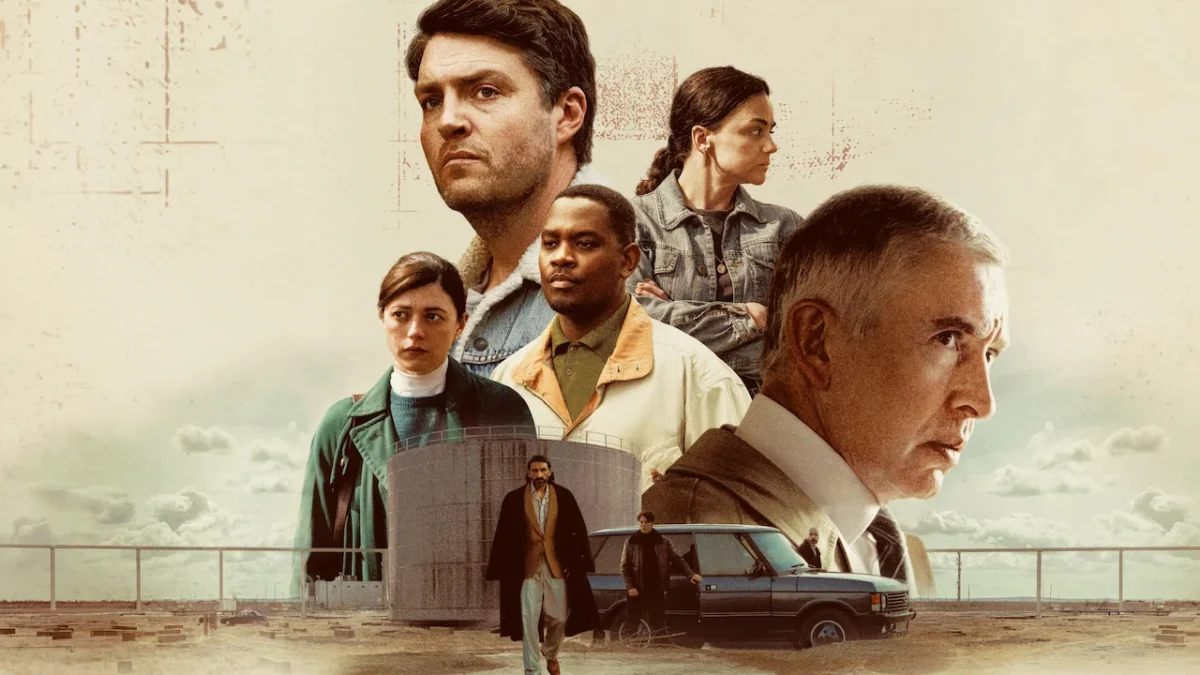
Central to the narrative is the formation of the undercover team. The operation is spearheaded by Don, a former undercover detective with a complex and troubled past, portrayed with compelling gravitas by acting legend Steve Coogan. Don, eschewing conventional recruitment metrics, handpicks individuals not for their physical prowess or academic acumen, but for his profound trust in their character and resilience. This approach underscores the highly personal and high-stakes nature of undercover work, where loyalty and intuition can be as critical as training.
The chosen "Legends" are a diverse group, each bringing unique strengths and vulnerabilities to the perilous mission:
- Guy (Tom Burke): A family man working in airport security, Guy is depicted as tough and street-smart, having navigated the challenging environments of London’s tougher boroughs. Don entrusts him with overseeing the London arm of the operation, allowing him a degree of autonomy that speaks to his self-reliance. Guy’s journey is particularly poignant as he grapples with the insidious blurring of his true identity and his meticulously constructed "Legend."
- Kate (Hayley Squires) and Bailey (Aml Ameen): These two officers are deployed to Liverpool, a city identified as a major hub in the UK’s drug distribution network. Kate is portrayed as resourceful and intelligent, though her stubborn and sometimes haphazard methods occasionally clash with Bailey’s more methodical and cautious approach. Their dynamic highlights the necessity of teamwork and adaptability in the cliquey and dangerous urban landscape of Liverpool’s criminal underworld.
- Erin (Jasmine Blackborow): Acting as the "engine room" of the entire operation, Erin, a Civil Service secretary, plays a crucial, albeit behind-the-scenes, role. Her task involves meticulously crafting the detailed paper trails, plausible backstories, and convincing personas that enable the undercover officers to seamlessly integrate into their respective criminal societies. Her work is foundational, providing the credibility upon which the "Legends" stand.
The ensemble cast delivers nuanced performances, effectively conveying the immense pressure and psychological strain of living double lives. Steve Coogan, renowned for his comedic roles, demonstrates his formidable dramatic range as Don, a leader burdened by past experiences yet driven by an unwavering sense of duty. Tom Burke, in particular, receives accolades for his intense and emotionally vulnerable portrayal of Guy, capturing the internal conflict of a man increasingly lost within his fabricated identity.
Navigating the Global Drug Empire: From Production to Street Level
Legends meticulously charts the intricate anatomy of the drug empire, revealing a comprehensive cross-section that spans continents and social strata. The series vividly illustrates the global supply chain, from the opium fields of Pakistan, through international transportation routes, to the bustling distribution networks in London and Liverpool, and finally to the street-level dealers impacting local communities. This expansive view allows the show to explore the complex web of relationships and power dynamics inherent in large-scale drug trafficking.
As the "Legends" embed themselves, they encounter a diverse array of characters within the criminal hierarchy. The narrative deftly shifts focus between the undercover agents and the "big players" of the drug operation, offering a more holistic understanding of the ecosystem they are trying to dismantle.
- Carter (Tom Hughes): A young Liverpudlian leader, Carter cuts an imposing figure within the Northern drug trafficking operation. However, the series peels back this facade to reveal a deeply insecure individual, particularly when confronted with his personal life and his mother’s influence. This portrayal humanizes the antagonist, moving beyond a simplistic villain archetype.
- Hakan (Numan Acar): In London, the Turkish leader Hakan emerges with ambitious plans for a new distribution network, presenting significant challenges for Guy as he strives to maintain his cover and gather critical intelligence.
Throughout its six episodes, Legends immerses viewers in a series of tense confrontations and perilous situations, showcasing the constant danger faced by the undercover team at every level of the drug empire. The depiction of the "double lives" is particularly compelling, exploring how the fabricated personas begin to erode the agents’ sense of self. Guy’s struggle is exemplary; his deep immersion in his undercover identity makes it increasingly difficult for him to switch off, even when surrounded by his genuine colleagues, illustrating the profound psychological cost of such an existence.
The Human Cost: Eddie’s Tragic Narrative
While the primary narrative follows the undercover agents, one side story stands out for its raw emotional power and thematic resonance: the tragic journey of Eddie, portrayed by Johnny Harris. Eddie is a Liverpudlian father, seemingly leading a typical nuclear family life, yet secretly entwined with Carter’s drug distribution operation. His storyline draws a striking parallel to the acclaimed American series Breaking Bad, exploring the moral descent of an ordinary family man into the criminal underworld.
Eddie’s arc becomes a powerful symbol of the devastating ripple effects of the drug trade. When he witnesses firsthand the catastrophic impact of heroin on his own son, ultimately leading to his death, Eddie is consumed by an overwhelming sense of remorse and a fierce determination to dismantle Carter’s empire from within. This gut-wrenching turn of events underscores the series’ commitment to depicting the unembellished, grounded reality of drug addiction and its consequences. It highlights how the drug epidemic not only claims innocent lives but also profoundly shatters families and ignites a desperate need for justice and retribution, even from within the criminal ranks. Eddie’s story serves as the emotional heart of Legends, demonstrating that the fight against drugs is ultimately a fight for human dignity and the preservation of innocent lives.
Dramatic License and Protecting Real Identities
It is crucial to acknowledge that while Legends is inspired by real events, it employs significant dramatic license. The series intentionally alters elements of the true story and creates fictional characters and plotlines to enhance narrative tension and, more importantly, to protect the real individuals who were involved in these sensitive operations. This balance between historical authenticity and creative adaptation is a delicate one, but it allows Legends to explore the thematic truths of the era without compromising the safety or privacy of those who served. This approach is common in true-crime dramatizations, ensuring that the essence of the story is conveyed while respecting ethical boundaries.
The Enduring Psychological Scars of Undercover Work
One of the most profound aspects of Legends is its unflinching exploration of the long-term psychological impact on undercover officers. The series delves into the mental and emotional changes that characters undergo, showing how they emerge from the operation fundamentally altered. The original article highlights a particularly poignant scene at the end of the series, where Guy returns home to his family after the successful dismantling of the drug distribution business. In the quiet of the night, he struggles with sleeplessness, hyper-vigilantly watching his window for threats. This moment powerfully illustrates that while the mission may be over, the "Legend" often continues to haunt the individual.
Real-world studies and accounts of undercover agents frequently describe symptoms akin to Post-Traumatic Stress Disorder (PTSD), identity confusion, and persistent paranoia. The constant need to be someone else, to deceive, and to live in perpetual danger creates deep-seated psychological scars. The series effectively conveys that for these individuals, true peace and a return to a "normal" life may forever remain elusive. They are condemned to watch their backs, forever changed by the worlds they infiltrated and the identities they assumed. This aspect elevates Legends beyond a mere crime procedural, transforming it into a compelling character study of resilience and trauma.
A Critical Look and Broader Implications
Legends distinguishes itself within the landscape of British crime dramas. While shows like Line of Duty have explored the intricacies of police undercover operations, Legends offers a unique edge by being rooted in real events involving customs officers, a segment of law enforcement often less spotlighted in popular culture. This grounding in historical reality gives the series a visceral authenticity that resonates deeply with viewers.
The series succeeds in depicting not only the complex mechanics of the drug business in 1990s England but also the profound personal transformations endured by its characters. The narrative’s commitment to showing the raw, grounded realities of drug trafficking, from its devastating impact on individual lives to the psychological toll on those fighting it, makes it a powerful and compelling watch. It avoids glorifying the criminal underworld or presenting an overly romanticized view of law enforcement, instead offering a nuanced portrayal of a morally ambiguous and dangerous world.
Legends serves as a crucial reminder of the societal challenges posed by drug epidemics and the often-unseen sacrifices made by those on the front lines. It prompts reflection on the effectiveness of "War on Drugs" policies, the ethical dilemmas of undercover work, and the enduring human cost borne by individuals and communities caught in its grip. By bringing this unbelievable true story to the screen, Netflix has delivered a series that is not only entertaining but also deeply informative and thought-provoking, solidifying its place as a significant contribution to the genre of true-crime drama.
Legends is now streaming on Netflix.