


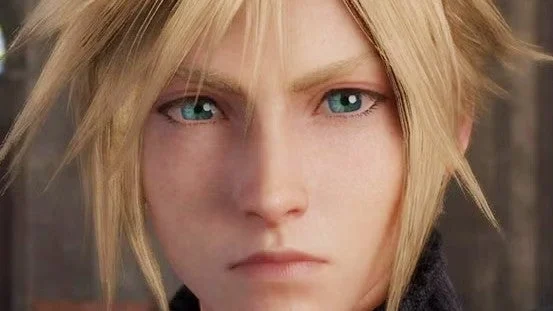
The development of the final installment in the ambitious Final Fantasy VII remake trilogy has reached a significant internal milestone, as co-director Naoki Hamaguchi recently confirmed he has completed more than 40 full playthroughs of the current build. In an extensive interview regarding the state of the project, Hamaguchi expressed high levels of confidence in the production’s trajectory, suggesting that while the public has seen very little of the concluding chapter, the internal framework of the game is already robust and functional. This revelation comes as Square Enix looks to conclude one of the most significant undertakings in modern role-playing game history, transitioning from the linear corridors of Midgar to the sprawling open world of the Forgotten Capital, and finally toward the climactic resolution of the Sephiroth saga.
Speaking with industry outlets, Hamaguchi emphasized that the development team is currently focused on refining the gameplay experience to ensure it meets the heightened expectations established by its predecessors, Final Fantasy VII Remake (2020) and Final Fantasy VII Rebirth (2024). According to the co-director, the repeated playthroughs are a necessary component of the "polishing" phase, allowing the leadership team to assess the emotional pacing, mechanical balance, and narrative cohesion of a story that has now spanned three separate full-length titles.
The Evolution of a Decade-Long Project
The journey to reimagine Final Fantasy VII began in earnest following a celebrated tech demo for the PlayStation 3 in 2005, though official development did not commence until much later. When the first part of the trilogy was released in April 2020, it redefined the "remake" concept by not only updating the graphics and combat of the 1997 original but also introducing narrative deviations that suggested a meta-commentary on the nature of fate and remakes themselves.
Part 1, titled Final Fantasy VII Remake, focused exclusively on the escape from the dystopian city of Midgar. Despite its narrowed geographical focus, the game expanded a five-hour segment of the original into a 40-hour epic. It was met with critical acclaim, selling over 3.5 million copies within its first three days and eventually surpassing 7 million shipments and digital sales by late 2023.
The second installment, Final Fantasy VII Rebirth, released in February 2024, significantly increased the scope of the project. It introduced a vast, seamless world map and implemented the "Synergy" combat system, which emphasized the bonds between the core cast members. Rebirth concluded at the Forgotten Capital, leaving players at a narrative crossroads that diverged significantly from the source material’s original timeline.
Balancing Modern Sensibilities with Nostalgic Fidelity
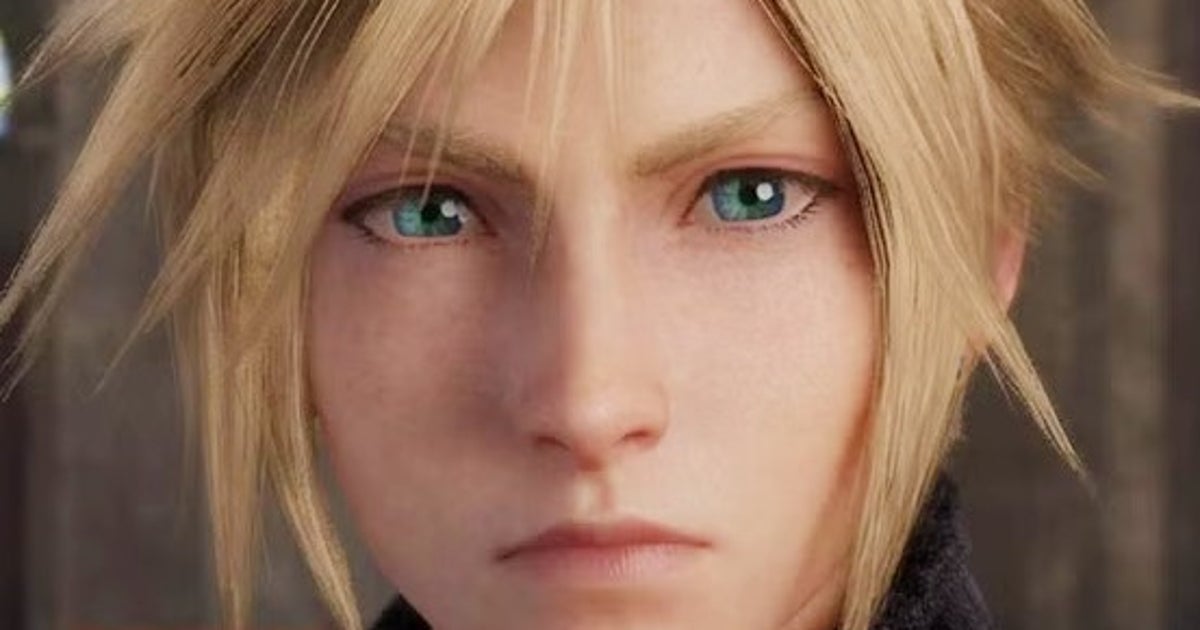
A core theme of Hamaguchi’s recent statements is the delicate balance between honoring the 1997 classic and catering to a modern audience. The director noted that for long-time fans, the project’s success hinges on more than just plot points; it is about the "emotional core" and the relationships between characters like Cloud Strife, Tifa Lockhart, and Aerith Gainsborough.
"For players familiar with the original game, I think what matters goes beyond the story arc itself—it’s the relationships between the characters and the emotions they felt upon discovering this world," Hamaguchi stated. He acknowledged that while the narrative beats must resonate with those who played the original on the PlayStation 1, the presentation must align with modern sensibilities. This involves utilizing advanced motion capture, high-fidelity environmental rendering, and a combat system that blends real-time action with the strategic menu-based commands of the Active Time Battle (ATB) system.
The "40 playthroughs" mentioned by Hamaguchi suggest that the team is deeply invested in the "feel" of the game. In large-scale RPG development, such extensive internal testing is often used to identify "ludo-narrative dissonance"—instances where the gameplay mechanics might conflict with the emotional tone of the story. For the third part of the trilogy, this is particularly vital, as the finale must wrap up multiple character arcs and resolve the complex "Whisper" and "Multiverse" plotlines introduced in the first two games.
Anticipated Gameplay Features and Technical Scope
While specific details regarding Part 3 remain under wraps, industry analysts and fans have extrapolated likely features based on the trajectory of the first two games and the remaining content from the 1997 original. The third part is expected to cover several iconic locations and mechanics, including:
- The Highwind Airship: A defining feature of the original game’s final act was the ability to pilot a large airship across the world map. Hamaguchi has previously hinted that implementing the Highwind in a modern, high-fidelity open world is one of the team’s greatest technical challenges.
- Rocket Town and Wutai: Several major geographical regions remain unexplored in the Remake series. The nation of Wutai, in particular, has been teased throughout Remake and Rebirth as a rising political power in conflict with the Shinra Electric Power Company.
- The Northern Crater: As the site of the final confrontation with Sephiroth, this location is expected to serve as the game’s ultimate dungeon, likely pushing the limits of the current hardware’s rendering capabilities.
- Underwater Exploration: The original game featured a submarine and underwater combat/exploration, a feature that has yet to be realized in the Remake engine.
From a technical standpoint, Part 3 is widely expected to be developed exclusively for the PlayStation 5, and potentially its successor or mid-generation upgrades, to ensure the vast world of Rebirth can be expanded without the constraints of older hardware.
Strategic Implications for Square Enix
The success of Final Fantasy VII Remake Part 3 is not only a creative necessity but a strategic one for Square Enix. In its most recent financial briefings, the company signaled a shift in its business philosophy. After several years of fluctuating performance from its mid-tier titles, Square Enix announced a "multi-platform" strategy and a renewed focus on "quality over quantity."

The Final Fantasy VII Remake trilogy represents the pinnacle of the company’s production values. While Rebirth received near-universal critical acclaim—holding a 92 on Metacritic—Square Enix leadership noted in May 2024 that initial sales did not meet the company’s "exceptionally high" internal targets. Consequently, the third part will carry the burden of not only concluding the story but also driving long-term software sales and potentially anchoring a "complete edition" bundle that could sell for years to come.
The fact that Hamaguchi has already played through the game dozens of times suggests that the "Great Progress" reported by creative director Tetsuya Nomura earlier this year is more than just marketing rhetoric. It implies that the core script is finalized, the world map is largely traversable, and the primary gameplay loops are in place.
Chronology of the Final Fantasy VII Remake Trilogy
- June 2015: The project is officially announced at E3 with a cinematic trailer that becomes one of the most-watched videos in the event’s history.
- April 2020: Final Fantasy VII Remake is released on PlayStation 4.
- June 2021: Final Fantasy VII Remake Intergrade is released for PlayStation 5, featuring graphical enhancements and a new story DLC featuring Yuffie Kisaragi.
- June 2022: Square Enix officially confirms the project will be a trilogy and reveals the title of the second part, Rebirth.
- February 2024: Final Fantasy VII Rebirth is released to critical acclaim.
- Late 2024: Naoki Hamaguchi confirms he has completed over 40 playthroughs of the development build for Part 3.
- Estimated 2027/2028: Projected release window for the untitled third part, coinciding with the 30th anniversary of the original game.
Conclusion and Market Outlook
The "40 playthroughs" milestone serves as a reassuring signal to a fanbase that has grown accustomed to long development cycles in the AAA gaming space. By ensuring the game is playable from start to finish this early in the remaining development cycle, Hamaguchi and his team are positioning Part 3 to avoid the "development hell" that plagued titles like Final Fantasy XV.
As the industry moves toward the end of the current console generation, the final chapter of the Final Fantasy VII Remake project stands as a testament to the enduring power of the 1997 classic. The team’s commitment to preserving the "emotional core" while updating the "presentation" suggests a final product that aims to satisfy both the nostalgic demands of veteran players and the expectations of a new generation of gamers. With the foundation now firmly established by Remake and Rebirth, the gaming world awaits the conclusion of a journey that has been over a decade in the making. For Hamaguchi, the work continues, one playthrough at a time, to ensure the "unforgettable gameplay experience" he has promised becomes a reality.