

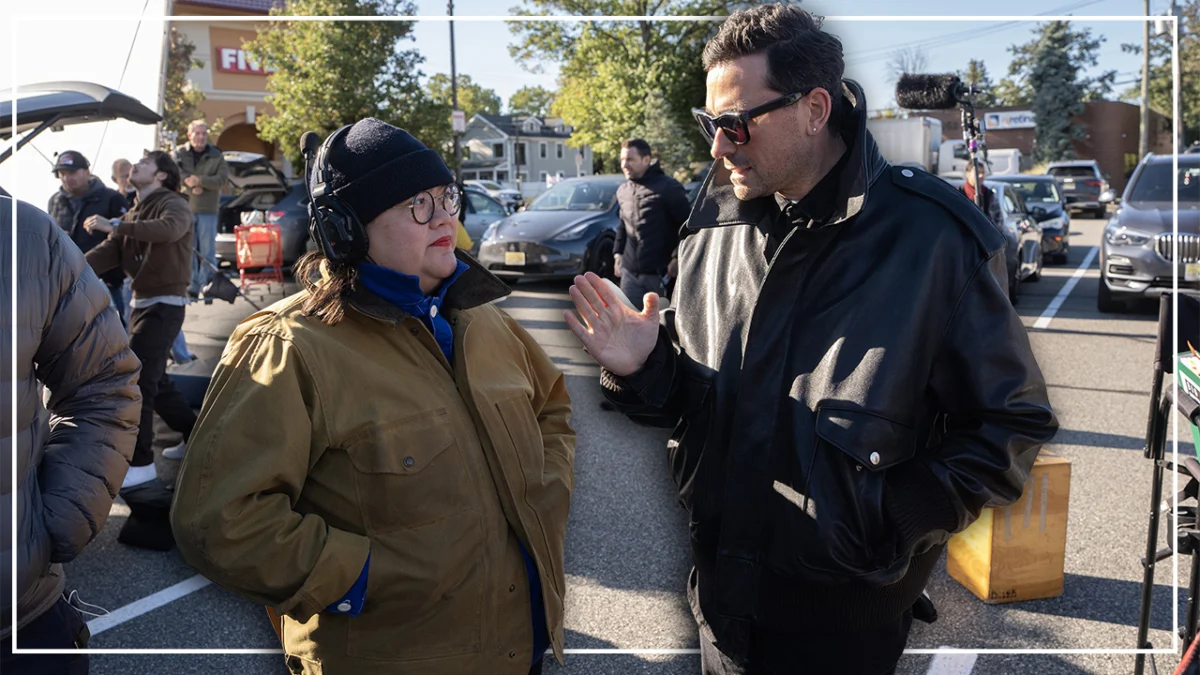
Cinematographer Christine Ng, a rising force in the visual storytelling landscape, brought her distinctive touch to four pivotal episodes of Netflix’s new comedy-crime series, Big Mistakes. Ng, whose early fascination with the collaborative energy of a film set cemented her career path, navigated the intricate balance of humor and suspense, transforming the show’s aesthetic from suburban comedy to a grittier crime narrative. Her work on episodes three, four, the penultimate episode, and the season finale, critically defined the visual evolution of the series, particularly during its dramatic shift to the sun-drenched, yet menacing, backdrop of Miami, a role ultimately played by Puerto Rico.
Ng’s journey into cinematography was not immediate but deeply rooted in an early passion. As a child, she harbored a singular dream: to be part of a film crew. This intrinsic pull towards the communal act of creation – bringing together diverse talents to craft a shared vision – resonated profoundly with her. Her academic pursuits at NYU film school became a crucible for exploration, where she delved into various departments, gaining a holistic understanding of filmmaking. By the culmination of her studies, her focus had sharpened, and she unequivocally identified as a cinematographer, a calling she describes as "finding her way into it." This foundational experience, marked by a hands-on approach and an innate curiosity, laid the groundwork for a career characterized by versatility and an acute understanding of visual narrative.
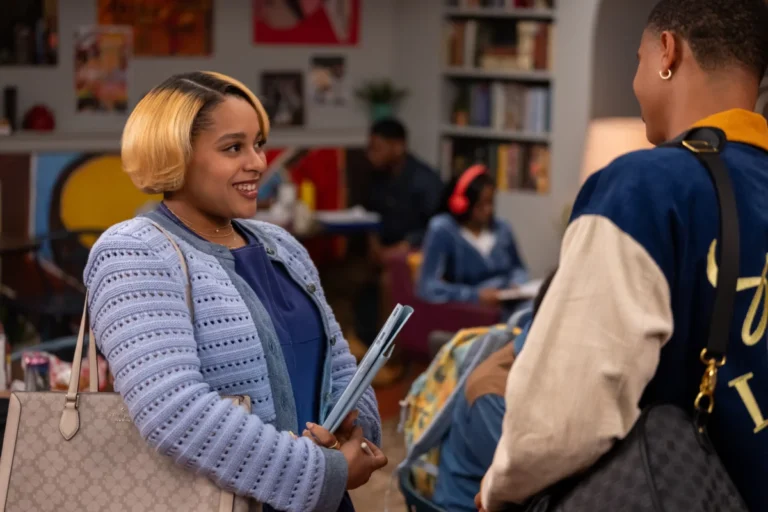
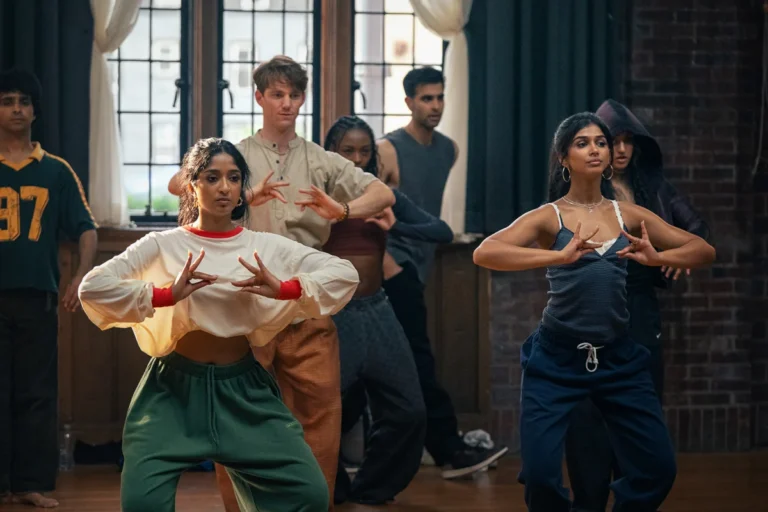
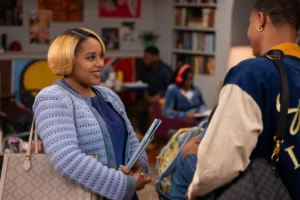
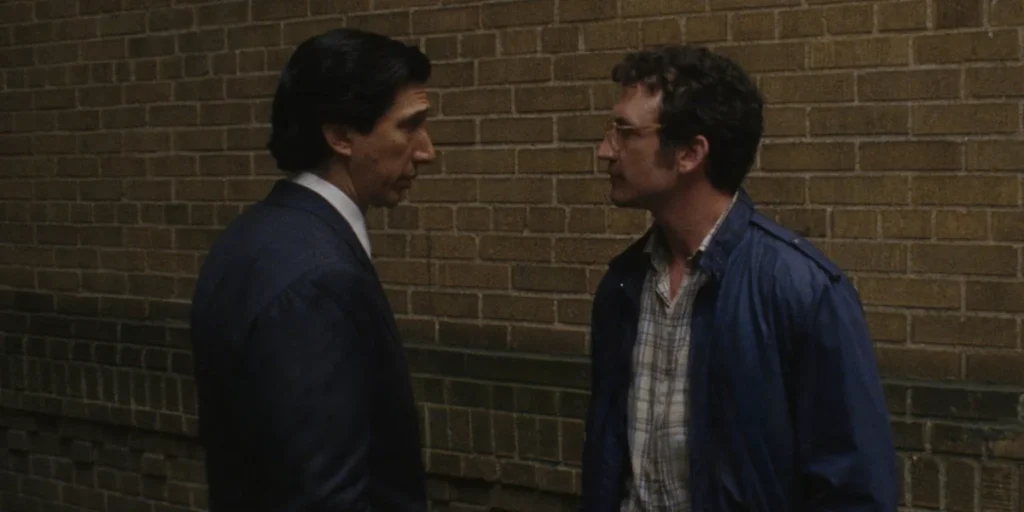
Her professional trajectory prior to Big Mistakes showcased a diverse portfolio, underscoring her ability to adapt her visual language across genres. Ng contributed her expertise to critically acclaimed series such as Rian Johnson’s Poker Face, the educational comedy English Teacher, and the satirical talk show Ziwe. Each project honed her craft, allowing her to experiment with different stylistic approaches and solidify her reputation as a cinematographer capable of delivering nuanced and compelling visuals. This breadth of experience made her an ideal candidate for Big Mistakes, a show poised to blend disparate genres, demanding a sophisticated and flexible visual strategy.
The Creative Genesis: Dan Levy’s Vision and Ng’s Connection
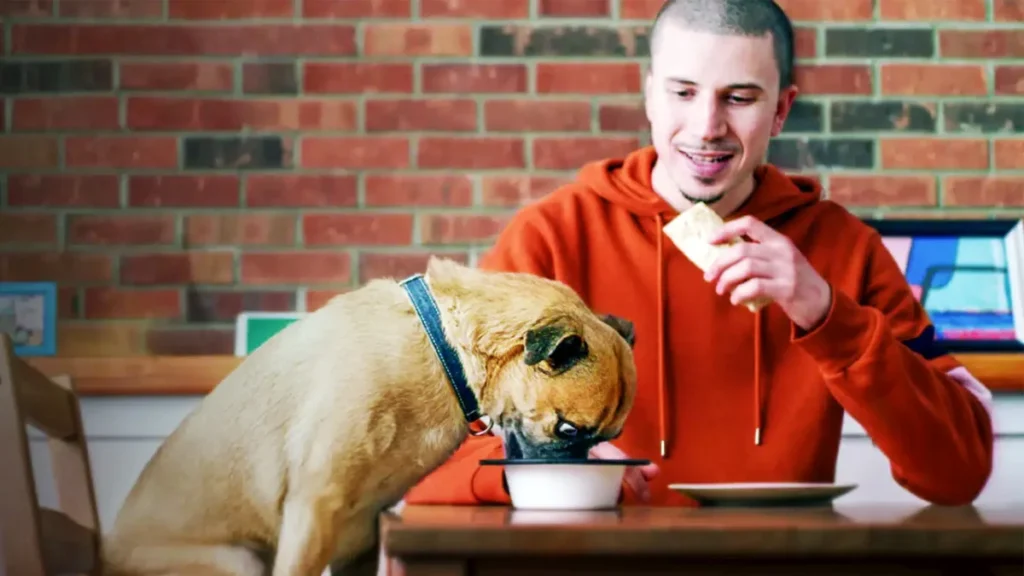
The opportunity to join the Big Mistakes team was particularly appealing to Ng, fueled by her admiration for co-creator Dan Levy, widely celebrated for his groundbreaking work on Schitt’s Creek. Ng had previously collaborated with Levy on commercial projects, including an EQ Bank commercial directed by Ally Pankiw, forging a professional rapport that predated Big Mistakes. Upon learning of Levy’s new series, she proactively sought a meeting, driven by both personal admiration and professional ambition. The scripts, set in New York and New Jersey, immediately captivated her.
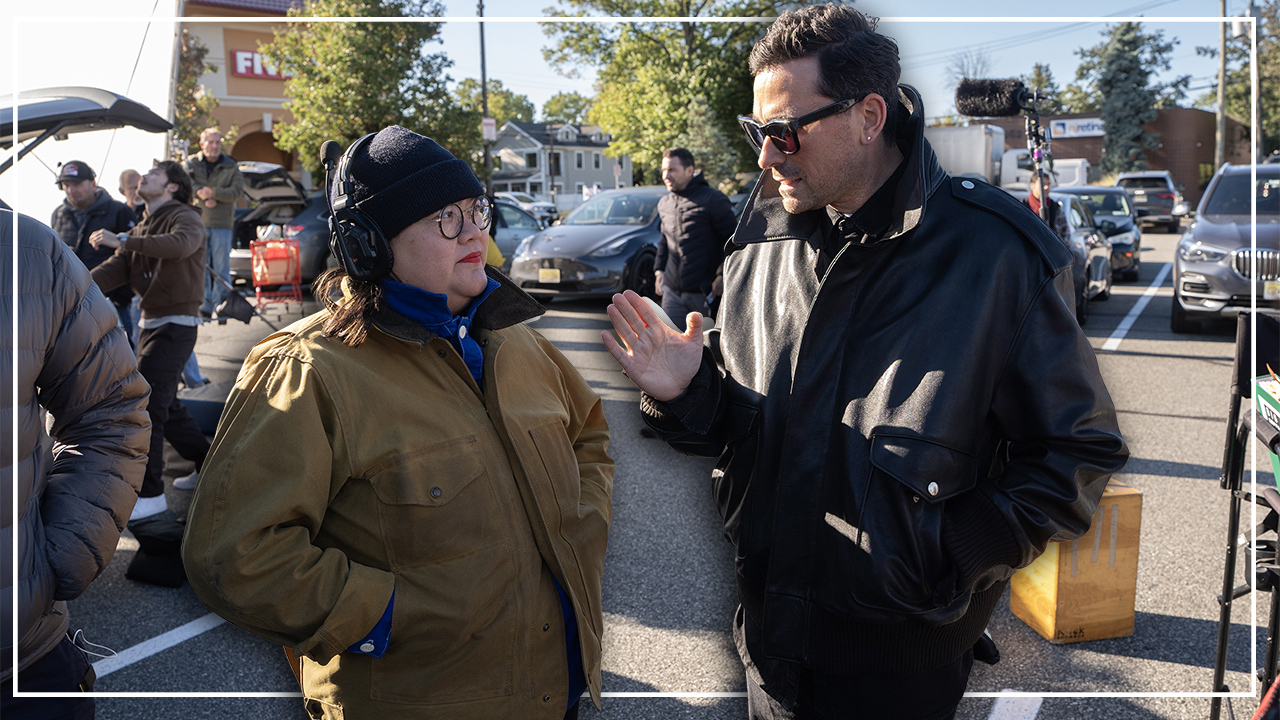
Industry observers note that following the monumental success of Schitt’s Creek, there was considerable anticipation for Dan Levy’s next creative endeavor. The pressure to innovate and avoid repetition is a common challenge for creators, and Big Mistakes presented a deliberate departure from his previous work. Ng recognized this immediately, noting the show’s distinct tone. The premise of Jersey siblings stumbling into a life of crime in Miami offered a unique narrative canvas, blending elements of mystery, thriller, and grounded family comedy. For Ng, who had experience across these very genres with projects like Poker Face (mystery-thriller) and Adults (comedy), Big Mistakes represented a perfect synthesis. She described it as the "bridge of all those things that I love," a "spooky, silly comedy crime thing" that was also "very funny and grounded in this amazing family dynamic." The inherent challenge of visually navigating the "fine line between the two genres" was a significant draw, promising a rich creative exploration.
Crafting the Visual Identity: A Collaborative Approach
The visual language of Big Mistakes was forged through a highly collaborative process, notably with co-cinematographer Ava Berkofsky, acclaimed for her work on Insecure. This partnership was somewhat unconventional in television production, where typically a lead Director of Photography establishes the aesthetic, and subsequent DPs conform. However, Ng and Berkofsky’s pre-existing mutual respect and professional acquaintance fostered a unique dynamic. They communicated proactively during the show’s preparatory phase, sharing insights on lens testing and creative choices. This collaborative spirit ensured a cohesive visual identity despite the staggered nature of their involvement.
Berkofsky initiated the visual framework, and Ng, observing the dailies, actively participated in discussions about the show’s color palette and textural quality. The selection of Élodie Ichter from Picture Shop as the colorist was a crucial step in translating their vision into the final product. The overarching Look-Up Table (LUT) developed for Big Mistakes became instrumental in defining the show’s distinctive textural quality. Ng emphasized that this LUT grounded the series in a sense of reality, creating a "grittiness" that complemented the unfolding crime narrative. This deliberate aesthetic choice allowed the visual storytelling to gradually lean into the "crime thriller aspect," moving away from the "lighthearted comedy" that initially characterized the family dynamic. This meticulous attention to color, texture, and visual tone ensured that the audience experienced the gradual descent into criminal activity not just through the script, but through an increasingly tense and immersive visual environment.
A Narrative and Visual Odyssey: From Jersey to Puerto Rico
The narrative arc of Big Mistakes presented a significant visual challenge and opportunity: the transformation from a suburban New Jersey comedy to a high-stakes Miami crime story. This geographical and tonal shift was particularly pronounced in episodes seven and eight, for which Ng served as cinematographer. The logistical complexities were substantial, requiring a departure from the primary New Jersey shooting locations to find a convincing stand-in for Miami’s distinct climate and topography. Ultimately, the production chose Puerto Rico, a decision that added both visual authenticity and logistical hurdles.
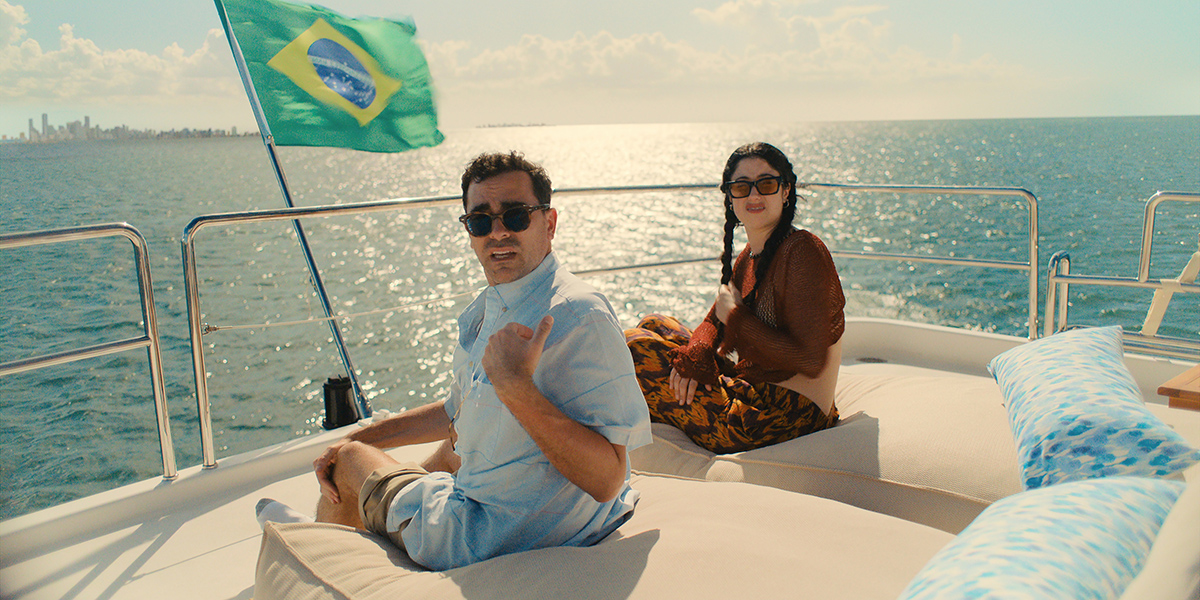
Ng recounted the whirlwind schedule that accompanied this transition. After completing tech scouting in New Jersey, she immediately boarded a plane for Puerto Rico, spending a weekend scouting locations before returning to commence shooting another block of episodes. Upon finishing that block, she again flew back to Puerto Rico to film the critical Miami sequences. This demanding schedule underscored the intensity of episodic television production, particularly when ambitious location changes are involved.
The decision to move the characters to Puerto Rico served a dual purpose: it visually elevated the show and significantly advanced the storyline. The new environment introduced an element of genuine fear and signaled a "next level" of criminal immersion for the Jersey siblings, a stark contrast to their initial misadventures in Edison, New Jersey. This geographical dislocation was not merely a backdrop change but a narrative catalyst, deepening the characters’ entanglement in the criminal underworld and providing a rich canvas for Ng to explore a more dramatic visual lexicon.
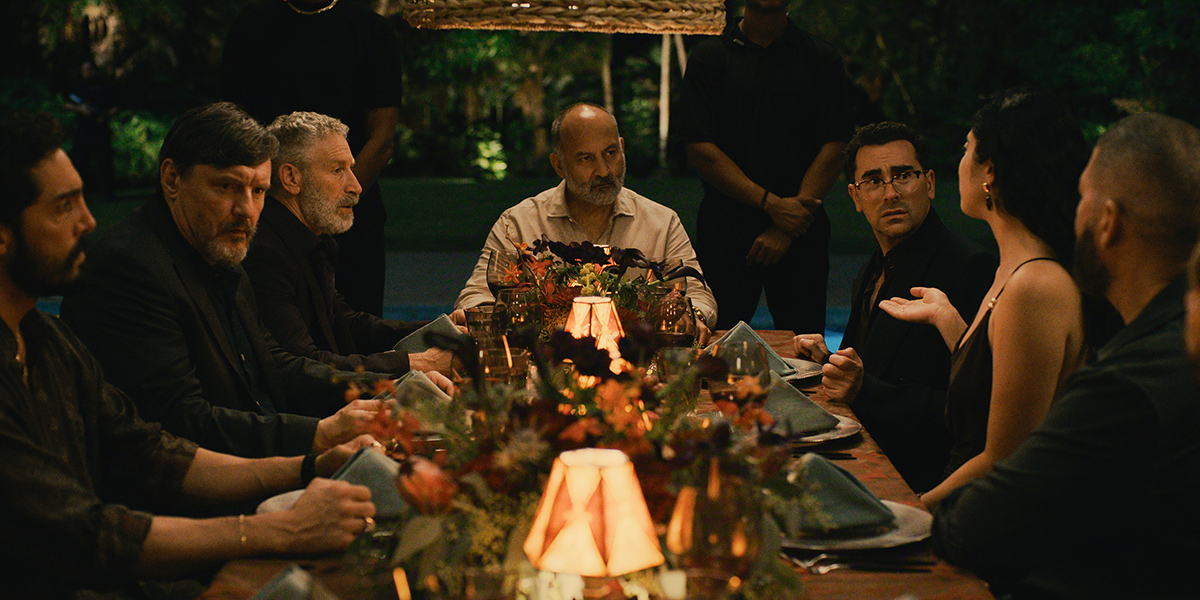
As the story progressed, Ng aimed for a darker, more shadowy aesthetic to reflect the characters’ increasing peril. However, showrunner Dan Levy provided crucial guidance, emphasizing the need for a delicate balance. The visual shift towards grittiness had to be carefully managed to avoid overtly telegraphing plot twists, especially as characters returned to their "normal" New Jersey lives for certain pivotal scenes, like a mayoral celebration. The visual storytelling needed to be subtle, enhancing the sinister undertones without betraying the unexpected ending. Ng cites a scene featuring Elizabeth Perkins and Taylor Ortega in a closet as an example where a "subtle" yet "sinister" mood was intentionally crafted, leading the audience without revealing too much. This careful calibration of light and shadow allowed the final twist to land with maximum impact, surprising viewers who might have anticipated a more overtly foreboding atmosphere throughout.
Behind the Lens: Production Realities and Camaraderie
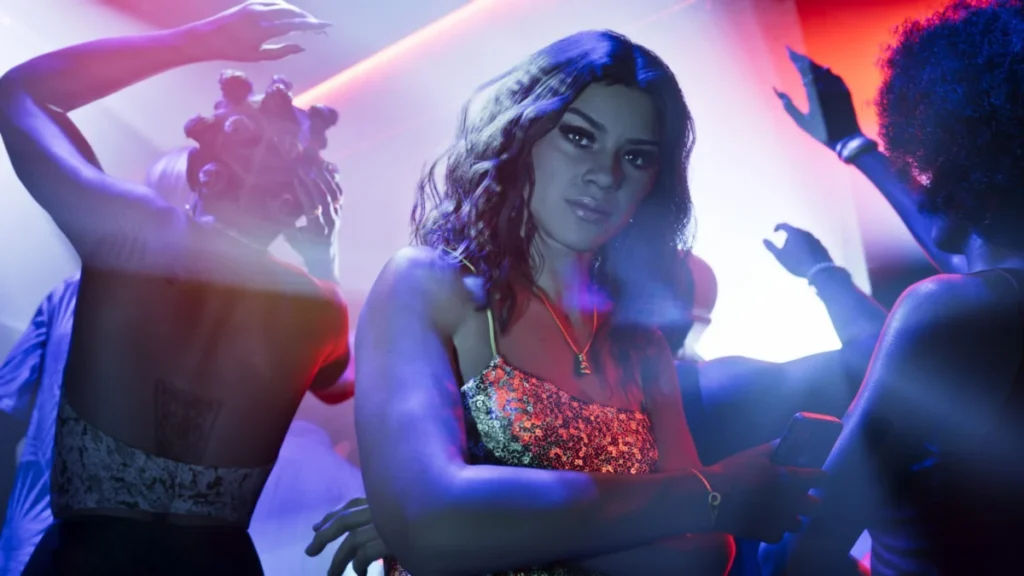
The demanding schedule and the creative ambition of Big Mistakes fostered a strong sense of camaraderie among the cast and crew. Shooting the Miami-set scenes in Puerto Rico, though logistically challenging, became a memorable and unifying experience. Ng lauded the local Puerto Rican crew, many of whom shared anecdotes about their personal connections to the filming locations, such as clubs where they had partied in their youth. This local knowledge and enthusiasm contributed to a vibrant and authentic atmosphere on set.
A particularly memorable moment involved shooting a shootout scene in a hotel lounge. Upon wrapping, the crew celebrated their achievement by immediately ascending to the hotel bar for martinis, mirroring the scene they had just filmed. This shared moment of relief and celebration underscored the intense bond forged during the production. Ng described the show as "hard," citing the complexities of scheduling and timing, but emphasized that reaching the end felt like a collective triumph, a testament to their shared effort and resilience. The sense of accomplishment and camaraderie on display reflected the deep collaborative spirit inherent in filmmaking, a quality that initially drew Ng to the industry.
A Personal Connection: Television’s Enduring Influence
Christine Ng’s profound connection to television extends far beyond her professional role; it is deeply woven into the fabric of her personal history. Born in Hong Kong, she moved to the United States at two and a half, returning to Hong Kong for a pivotal year at age nine before settling back in America. Throughout her childhood, television served as a constant companion and a vital cultural link. Her parents, who spoke limited English, relied on Hong Kong television, which not only entertained but also ensured Ng’s fluency in Cantonese.
A defining moment occurred during her year in Hong Kong. She stumbled upon a television show being filmed outside her apartment, featuring her favorite Cantonese pop singer and actor. Witnessing the bustling activity of a hundred-person crew working tirelessly to create content was a revelation. This accidental encounter crystallized her nascent desire to work in film, revealing the intricate collaborative effort behind the magic of the screen. Her parents’ liberal approach to television viewing, allowing her to watch "whatever" and foregoing a strict bedtime, meant Ng consumed a vast array of programming. American sitcoms like those from the TGIF block, including Saved by the Bell, left a lasting impression, not just for their entertainment value but for their often positive moral lessons.
For Ng, television is more than just a medium; it holds a "special place" in her heart, representing a lifelong source of inspiration, cultural connection, and creative awakening. This deeply personal history informs her professional dedication, driving her to contribute to a medium that has so profoundly shaped her life. Her journey from a child mesmerized by a film set to a celebrated cinematographer on a major Netflix series exemplifies the power of early inspiration and the enduring impact of television as a storytelling force. Her unique cultural background and personal experiences undoubtedly enrich her cinematic vision, bringing a diverse perspective to the ever-evolving landscape of television production.