

In a sartorial flourish that has redefined cinematic expectations, The Devil Wears Prada 2 has made an undeniable, fashionable entrance, dominating the North American box office with an estimated $75 million to $80 million debut over its opening weekend. This monumental success, nearly two decades after its predecessor became an unexpected cultural phenomenon, marks a significant moment for 20th Century and Disney, reaffirming the enduring power of character-driven narratives and the formidable purchasing power of female audiences worldwide.
A Box Office Sensation: North American and Global Dominance
The sequel, a highly anticipated return to the cutthroat world of high fashion journalism, began its unprecedented run with a robust $32.5 million on Friday alone in North America. This impressive figure included a remarkable $10 million from Thursday preview screenings, setting a new benchmark for films primarily targeting a female demographic and placing it among the top preview showings of the year, rivalling major action franchises and animated blockbusters. Analysts had initially projected a more conservative opening, but the overwhelming enthusiasm from audiences swiftly adjusted expectations upwards, signalling a true cinematic event. By the close of its opening weekend, the film is poised to land squarely within the $75 million to $80 million range, a performance that not only exceeds initial forecasts but also speaks volumes about the film’s broad appeal.
Globally, The Devil Wears Prada 2 has proven to be an even more formidable force. Through Friday, international markets contributed an astonishing $82.1 million, propelling its early worldwide cumulative total north of $114 million. This international success story is particularly striking, with the film securing the top opening day of any film this year in key territories such as Brazil and Italy—nations known for their profound connection to fashion and cinema. This global resonance underscores the universal themes explored in the franchise and the widespread anticipation for the return of its iconic characters. The film’s robust overseas performance is a testament to Disney’s extensive distribution network and the global recognition of the Prada brand.
To put this sequel’s performance into sharp historical context, its opening day alone ($32.5 million) comfortably surpassed the entire opening weekend gross of the original 2006 film, which debuted with $27.5 million. While not adjusted for inflation, considering the 2006 figure would be equivalent to approximately $42 million in 2024 dollars, the sequel’s immediate impact remains profoundly more significant, showcasing an exponential growth in audience engagement and commercial viability. This stark comparison highlights the profound shift in the film’s standing from a "sleeper hit" to an undeniable box office juggernaut.
The Enduring Legacy: From Sleeper Hit to Cultural Touchstone
The original The Devil Wears Prada, released in 2006, was an unexpected triumph. Based on Lauren Weisberger’s best-selling novel, it chronicled the trials of aspiring journalist Andrea Sachs (Anne Hathaway) as she navigates the demanding and often ruthless world of Runway magazine, under the tyrannical tutelage of its legendary editor-in-chief, Miranda Priestly (Meryl Streep). The film, which eventually grossed $326.5 million globally on a modest $41 million budget, resonated deeply with audiences for its sharp wit, stunning fashion, and surprisingly poignant exploration of ambition, mentorship, and self-discovery. It became a cultural touchstone, generating countless quotable lines, iconic fashion moments, and sparking endless discussions about toxic workplaces and the price of success. Its enduring popularity, fueled by cable re-runs and streaming availability, solidified its place in cinematic history and cultivated a fervent fanbase that yearned for more.
The two-decade gap between films served not to diminish interest but to amplify it, allowing the original to mature into a beloved classic. Speculation about a sequel had simmered for years, with cast members frequently questioned about the possibility. The decision to finally greenlight The Devil Wears Prada 2 was a calculated risk by 20th Century and Disney, banking on the nostalgia factor and the continued relevance of its themes. The return of key creative talents, including director David Frankel and writer Aline Brosh McKenna, was pivotal in assuring fans that the sequel would maintain the integrity and spirit of the original. McKenna, who penned the original’s screenplay, was instrumental in crafting a narrative that respected the characters’ journeys while exploring new dimensions, a task critical to satisfying the high expectations of a devoted audience.
A Star-Studded Reunion: The Irresistible Draw of Original Cast
A cornerstone of The Devil Wears Prada 2‘s overwhelming success is undoubtedly the reunion of its beloved original cast. Meryl Streep’s portrayal of Miranda Priestly, the formidable and impeccably dressed editor, earned her an Academy Award nomination and etched the character into the pantheon of cinematic villains and anti-heroes. Her return, embodying the icy elegance and sharp intellect that defined Priestly, was a major draw, promising fans a fresh dose of her iconic delivery and withering glances.
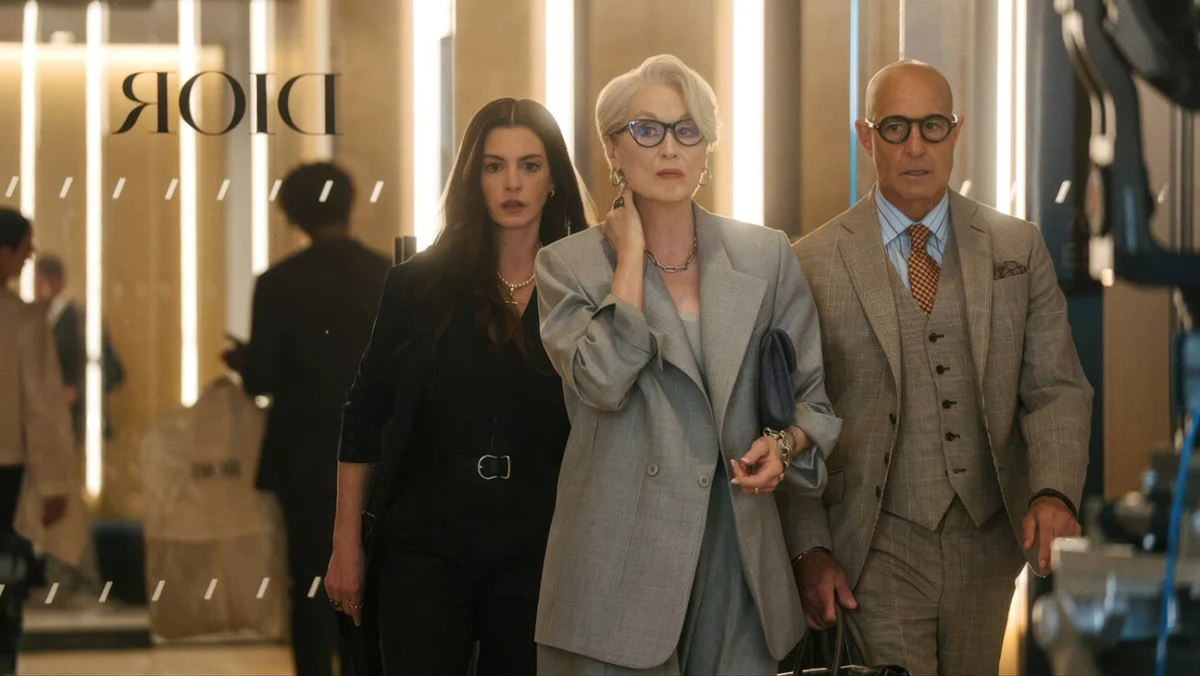
Anne Hathaway’s reprisal of Andrea Sachs, the wide-eyed ingénue who transformed into a sophisticated professional, provided the emotional anchor for the narrative. Her journey of growth and self-discovery was central to the first film, and audiences were eager to see where life had taken Andy. Similarly, Emily Blunt as the perpetually stressed, hilariously acerbic first assistant Emily Charlton, and Stanley Tucci as the wise and witty art director Nigel Kipling, were indispensable to the film’s ensemble. Their distinct comedic timing and heartwarming camaraderie were integral to the original’s charm, and their collective return promised the same electric chemistry that made the first film so memorable. The palpable excitement surrounding this reunion transcended mere nostalgia; it was about revisiting characters who had genuinely resonated with viewers over the years.
Critical Acclaim and Audience Enthusiasm: A Winning Combination
Beyond the star power, The Devil Wears Prada 2 has been bolstered by a wave of strong critical reviews and overwhelmingly positive audience exit polls. The film’s A- CinemaScore is a powerful indicator of audience satisfaction, suggesting robust word-of-mouth that will likely sustain its box office momentum in the coming weeks. Critics have largely praised the sequel for its smart script, which reportedly balances sharp humor with genuine emotional depth, and for the masterful performances of its returning cast. Many reviewers have highlighted the film’s ability to evolve its characters and themes while retaining the beloved elements of the original, a delicate balance that often eludes sequels.
"The film brilliantly updates its commentary on ambition and the fashion industry for a new era," noted one prominent film critic, "while Meryl Streep remains as captivating and terrifying as ever." Another reviewer lauded the sequel for its nuanced portrayal of female relationships and career choices, calling it "a thoughtful, hilarious, and ultimately triumphant return for a cherished story." This blend of critical validation and enthusiastic audience reception creates a powerful synergy, signaling that the film is not merely a nostalgic cash-grab but a well-crafted continuation of a cherished narrative.
Redefining the Summer Box Office: A Paradigm Shift
One of the most significant implications of The Devil Wears Prada 2‘s opening weekend success is its unprecedented role in kicking off the summer box office season. Traditionally, the coveted Memorial Day weekend, which unofficially signals the start of summer blockbusters, has been reserved for male-centric action franchises—think Marvel superhero epics, Fast & Furious installments, or large-scale sci-fi adventures. Prada 2 has decisively broken this mold, becoming the first female-driven film in modern history to claim this prime slot and emerge victorious.
This achievement sends a clear, resounding message to Hollywood studios: diverse stories, particularly those centered on female experiences, are not niche products but mainstream contenders capable of delivering colossal box office returns. "This isn’t just a hit; it’s a paradigm shift," remarked industry analyst Sarah Jenkins of Box Office Pro. "For years, the industry operated under the assumption that summer openers needed explosions and capes to succeed. Prada 2 proves that compelling characters, witty dialogue, and aspirational narratives, especially those resonating with women, can draw massive crowds and dictate the pace of the season." The film’s success challenges long-held biases in film production and marketing, potentially paving the way for a more diverse array of films to anchor future summer schedules.
Broader Implications for Hollywood and Future Trends
The remarkable performance of The Devil Wears Prada 2 carries several broader implications for the film industry. Firstly, it underscores the enduring power of strong, original intellectual property, even when presented as a sequel. In an era dominated by superhero fatigue and endless reboots, Prada 2 demonstrates that audiences crave well-told stories with memorable characters, regardless of genre. It validates the strategy of investing in high-quality, character-driven narratives that cultivate a lasting cultural footprint.
Secondly, the film’s triumph further cements the trend of female-led and female-centric stories achieving monumental box office success. Following the global phenomenon of Barbie and the consistent performance of other women-driven narratives, Prada 2 provides yet another undeniable data point illustrating the vast, often underestimated, market for these films. This success encourages studios to greenlight more projects that reflect diverse perspectives and experiences, moving beyond outdated demographic assumptions.
Finally, in a post-pandemic landscape where the theatrical experience has faced significant challenges from streaming, The Devil Wears Prada 2‘s opening reaffirms the communal appeal of cinema. It demonstrates that certain films, especially those that generate significant social buzz and cultural conversation, thrive in a shared theatrical setting. The film’s ability to attract moviegoers across all age groups further highlights the universal appeal of its themes and characters, driving multiple generations back to the multiplex.
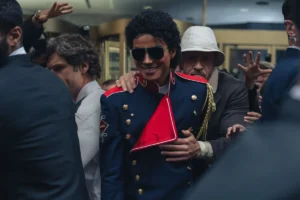
In related box office news, Lionsgate’s Michael Jackson biopic, Michael, continues its impressive run, crossing the $300 million mark globally. This achievement makes it the top-grossing music biopic of all time, surpassing previous record-holders such as Walk the Line and Elvis. This parallel success story, though distinct in genre, further illustrates the current box office environment’s receptiveness to diverse and compelling storytelling.
As The Devil Wears Prada 2 continues its theatrical run, its initial performance has not only set a new standard for summer openers but also ignited conversations about the future of blockbuster cinema, proving that style, substance, and strong characters can indeed reign supreme.