


A comprehensive consumer survey conducted by market research firm Circana has revealed a significant shift in the motivations of modern video game players, indicating that while platform-exclusive titles remain a primary draw for console ownership, their influence is steadily waning. According to the Q1 2024 Future of Video Games report, 41 percent of active console gamers cited exclusive titles as the primary reason for choosing their specific hardware. While this remains the leading factor in platform selection, the figure represents a notable eight-point decline compared to the previous year’s data, signaling a potential sea change in how consumers value hardware ecosystems in an increasingly interconnected industry.
The survey, which sampled 2,500 active U.S. video game players aged 13 and older, provides a granular look at the evolving priorities of the gaming public. The data was weighted to represent the current distribution of platform use and financial investment across the domestic market. Mat Piscatella, Executive Director and Video Game Industry Analyst at Circana, noted that while exclusives remain a vital component of the marketing mix, they are no longer the undisputed kings of consumer motivation. Instead, social connectivity, ease of use, and long-term engagement in multiplatform "legacy" titles are beginning to command a larger share of the player’s attention and loyalty.
Analyzing the Drivers of Console Adoption
The Circana report highlights a diverse array of factors that keep players tethered to the console experience. Following the 41 percent who prioritize exclusives, the second most common reason for platform loyalty was social infrastructure. Approximately 38 percent of respondents stated they play on a specific console because their friends or family members are already integrated into that ecosystem. Closely related to this, 37 percent of participants noted that consoles simply make it easier to play with others, highlighting the "plug-and-play" social nature of Xbox and PlayStation networks compared to the often more fragmented PC environment.
The physical environment of play also remains a cornerstone of the console’s appeal. Thirty-six percent of those surveyed expressed a preference for gaming in a casual setting, such as a living room, which consoles are specifically designed to facilitate. Furthermore, despite the industry’s aggressive push toward digital distribution, 24 percent of respondents cited the availability of physical media as a key reason for their continued use of consoles. This "physical remains" demographic highlights a persistent tension between corporate digital strategies and a significant minority of consumers who value ownership and the ability to trade or collect tangible discs.
The Eight-Point Decline: A Sign of the Times
The most striking revelation from the Q1 2024 data is the year-over-year decrease in the importance of exclusives. The eight-point drop from the Q1 2023 survey suggests that the "console wars" of previous generations, which were fought almost entirely on the strength of first-party software libraries, are entering a period of detente. Several industry factors likely contribute to this trend.
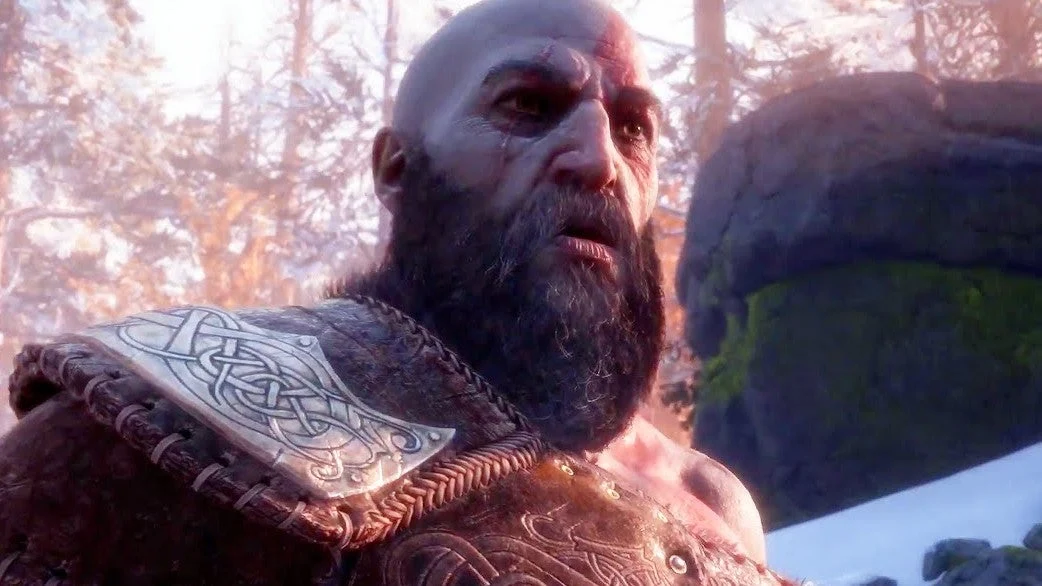
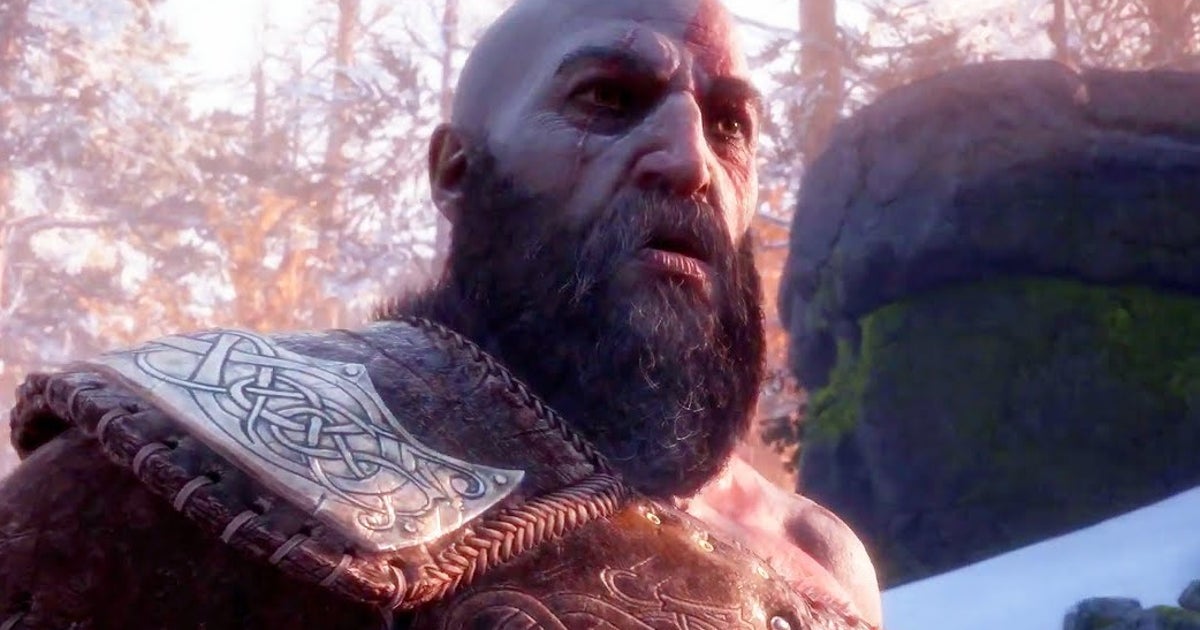
First, the rising costs of AAA game development have forced platform holders to reconsider the traditional exclusivity model. With budgets for marquee titles like God of War: Ragnarök or Spider-Man 2 reportedly exceeding $200 million, Sony Interactive Entertainment has increasingly turned to the PC market to recoup investments and find new audiences. As titles that were once "only on PlayStation" find their way to Steam and the Epic Games Store, the urgency for consumers to purchase specific hardware to play these games has diminished.
Second, the current console generation has been characterized by a slower release cadence of first-party blockbusters. While the early years of the PlayStation 5 and Xbox Series X/S were bolstered by high-profile launches, 2023 and early 2024 saw several delays and a reliance on third-party multiplatform hits like Elden Ring, Baldur’s Gate 3, and Hogwarts Legacy. When the most talked-about games of the year are available on every platform, the specific hardware under the television becomes less relevant than the services and social circles attached to it.
The Dominance of Legacy Live-Service Titles
While exclusives drive initial hardware sales, Circana’s engagement trackers show that they rarely dominate long-term playtime. Data from the week ending April 18, 2024, reveals that the top spots for weekly active users (WAU) are consistently held by multiplatform, live-service giants. Titles such as Fortnite, Call of Duty, Roblox, and NBA 2K24 maintain a stranglehold on player attention across both PlayStation and Xbox.
These "black hole" games—so-called because of their ability to absorb thousands of hours of player time—operate as social platforms in their own right. For a teenager playing Fortnite with friends, the specific brand of console is secondary to the cross-play functionality that allows them to interact with peers on PC, mobile, or competing consoles. This shift explains why 38 percent of respondents prioritize where their friends are; in the modern era, the "platform" is often the game itself, not the hardware.

Historical Context: Exclusives as Hardware Catalysts
Despite the declining trend, it would be premature to dismiss the power of the exclusive title entirely. Historical data confirms that first-party software remains the single most effective tool for driving hardware spikes. Chris Dring of The Game Business recently highlighted the impact of God of War: Ragnarök on PlayStation 5 sales in late 2022. During its launch week, PS5 hardware sales surged by 116 percent in Japan. In the United Kingdom, nearly 38 percent of all PS5 units sold during the launch month were part of a God of War hardware bundle.
This phenomenon is even more pronounced within the Nintendo ecosystem. The Nintendo Switch, which is nearing the end of its lifecycle, has maintained extraordinary sales momentum primarily through its ironclad grip on exclusive franchises like Mario, Zelda, and Pokémon. Unlike Sony and Microsoft, Nintendo has largely resisted the move to PC, maintaining a "walled garden" that forces consumers to purchase their hardware to access their most popular IP. As rumors of a "Switch 2" intensify, industry analysts expect that Nintendo will once again rely on a flagship exclusive to drive early adoption, proving that while the influence of exclusives may be dipping in the broader market, it remains a potent weapon for specific brands.
Economic Implications and the Multi-Platform Future
The shifting consumer sentiment reflected in the Circana survey arrives at a tumultuous time for the video game industry. 2023 and 2024 have been marked by widespread layoffs, studio closures, and a general sense of contraction following the pandemic-era boom. In this climate, the "platform-agnostic" approach is becoming an economic necessity.
Microsoft’s recent decision to bring formerly exclusive titles like Sea of Thieves and Hi-Fi Rush to PlayStation 5 and Nintendo Switch is a direct response to these changing tides. By prioritizing software sales and subscription services like Xbox Game Pass over hardware units, Microsoft is betting that the future of gaming lies in accessibility rather than exclusivity. If consumers care less about exclusives—as the eight-point drop suggests—then the risk of "devaluing" the hardware by sharing games is mitigated by the massive influx of software revenue from competing platforms.
Implications for the Next Generation of Hardware
As Sony and Microsoft begin the early stages of planning for the eventual successors to the PS5 and Xbox Series X, the Circana data provides a roadmap for what consumers will expect. If exclusives continue to lose their luster, hardware manufacturers will need to differentiate themselves through other means.

The 36 percent of gamers who prioritize a casual "living room" environment suggest that user interface, noise levels, and aesthetic design will remain critical. The 37 percent who value ease of play suggest that features like "Quick Resume," cloud streaming, and seamless cross-progression will be the new battlegrounds for consumer loyalty. Furthermore, the 24 percent who still want physical media represent a significant market segment that could be alienated if the next generation of consoles goes "all-digital."
In summary, the video game industry is moving away from the rigid, hardware-centric model that defined the 1990s and 2000s. While 41 percent of players still look to exclusives as their north star, the rising importance of social networks and multiplatform engagement suggests a future where the console is merely a gateway to a broader, more fluid digital experience. The challenge for platform holders in the coming years will be to balance the high-prestige allure of exclusive blockbusters with the practical, social-driven demands of a player base that increasingly values where their friends are over what brand is on the box.